Planting
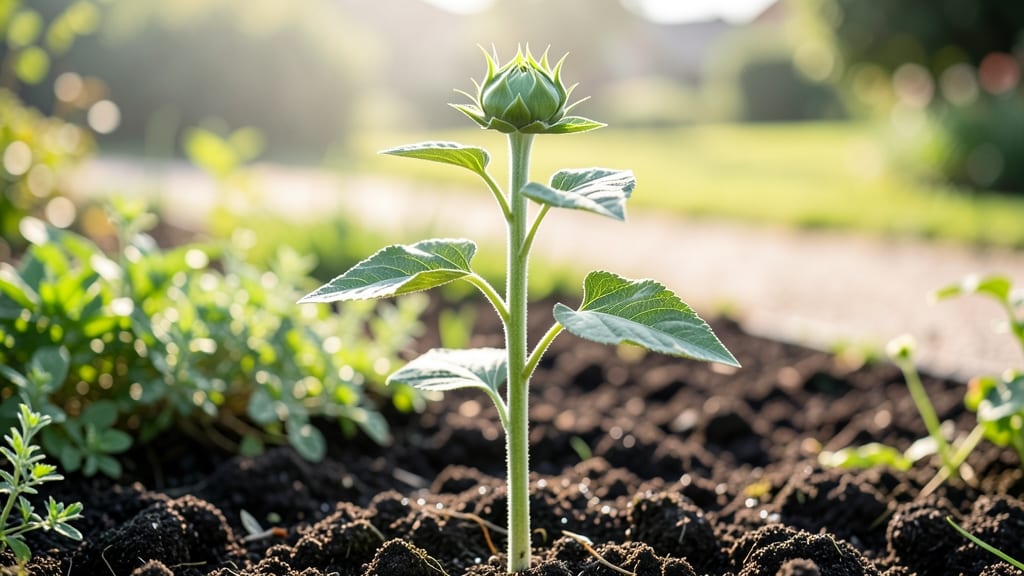
Sunflower plants before flowering are all about strong stems and deep roots—skip this stage, and you’ll end up with floppy stalks and tiny blooms. 🌱 I’ve watched seedlings go from wobbly sticks to towering giants by focusing on the first 6-8 weeks, and the difference in bloom size is night and day.
The secret isn’t just water or sun—it’s the little things like proper spacing, soil prep, and catching pests before they take hold.
You’ll need well-draining soil mixed with compost, consistent watering at the base (not overhead), and at least 6-8 hours of direct sunlight daily. Most gardeners overlook staking early on, but adding supports at 12-18 inches tall prevents stems from snapping when they reach for the sky.
Pests like aphids and slugs target young plants, so a quick spray of soapy water or diatomaceous earth keeps them at bay.
By the time your sunflowers hit 3-4 feet tall, you’ll see the first buds forming—this is when the real magic happens. The stems should be thick as your thumb, and leaves will be deep green, not yellowing or spotted.
If you’ve nailed the early care, you’re already ahead of 80% of gardeners who struggle with weak plants that flop before blooming.
This stage sets the foundation for 10-12 foot giants with blooms big enough to block the sun. Once you master these basics, you’ll move on to choosing varieties, adjusting watering as they grow, and—most exciting—watching those massive flowers unfurl. Let’s get those seedlings off to the right start.
📚 In This Guide
- What you need
- Instructions
- Tips and common mistakes
- Wrapping up and next steps
What you need
- ● Sunflower Seeds: 5–10 non-hybrid, open-pollinated seeds (e.g., ‘Mammoth’ or ‘Autumn Beauty’). Choose heirloom varieties for best results.
- ● Potting Soil: 1–2 5-gallon bags of high-quality, well-draining potting mix (look for organic compost or cactus/succulent mix for extra drainage).
- ● Containers: 2–3 5–7 inch diameter pots (or a seedling tray with individual cells) for germination, then 1–2 gallon pots for transplanting.
- ● Watering Can: 1 lightweight can with a rose attachment (for gentle watering).
- ● Fertilizer: 1 balanced, water-soluble fertilizer (10-10-10 or 5-5-5) or organic options like fish emulsion.
- ● Gloves: 1 pair of gardening gloves (to protect your hands from soil and thorns).
- ● Trowel: 1 small hand trowel (for transplanting seedlings).
- ● Sunlight Access: A south-facing window or grow lights (12–16 hours/day for seedlings).
- ● Spray Bottle: 1 small spray bottle (for misting seeds during germination).
- ● Plant Labels: 5–10 small wooden or plastic tags (to track seedling progress).
- ● Seedling Heat Mat (to speed up germination in cooler climates).
- ● Compost Tea (for a nutrient boost).
- ● Plant Support (a stake or trellis for tall varieties like ‘Russian Giant’).
- ● Pest Control: Neem oil or insecticidal soap (to deter aphids or spider mites).
How to cultivate sunflowers for maximum bloom size
Here's how I grow sunflowers that reach their full height and produce giant blooms.
🌱 Step 1: Plant Seeds at the Right Depth and Spacing
Sunflower seeds need 1 inch of soil above them to germinate properly. I use my finger to make a small hole about 1 inch deep—that's roughly the length of my smallest fingertip. Drop 1-2 seeds per hole and cover them gently with soil. Planting too deep delays germination because the seedling has to push through more soil.
Space seeds 6 inches apart in rows that are 18 inches apart. This gives roots room to spread without competing for nutrients. If you're growing 4 plants (as in this guide), arrange them in a 2x2 grid in a sunny garden bed. Water lightly after planting so the soil settles around the seeds without washing them deeper.
☀️ Step 2: Provide Full Sun and Consistent Watering
Sunflowers need 6-8 hours of direct sunlight daily to grow strong stems and large blooms. Place them where they get morning sun and afternoon shade if your climate is very hot—this prevents leaf scorch. I watch for pale, stretched stems as a sign they're not getting enough light. If you see this, move the plants closer to a sunnier spot or supplement with a grow light.
Water deeply once a week when the top 2 inches of soil feel dry. Young plants need moisture to establish roots, but overwatering causes rot. I use a soaker hose or water at the base to keep leaves dry. Once the plants reach 12 inches tall, reduce watering slightly—they'll develop deeper roots and need less frequent watering.
🌿 Step 3: Fertilize for Strong Stem and Bloom Development
After the first true leaves appear (about 2 weeks after planting), feed sunflowers with a balanced 10-10-10 fertilizer diluted to half strength. I mix 1 tablespoon of fertilizer per gallon of water and apply it every 4 weeks during the growing season. This encourages stem strength and bloom size without promoting excessive leafy growth.
Real talk: Sunflowers don’t need much fertilizer, but a little goes a long way. Too much nitrogen makes them grow tall but weak, with small blooms. Watch for dark green, lush leaves—that’s a sign they’re getting enough nutrients. If leaves turn yellow, reduce fertilizer and focus on watering instead.
✂️ Step 4: Prune for Better Airflow and Bloom Health
When sunflowers reach 3 feet tall, remove any side shoots that form at the base. These compete with the main stem for energy and reduce bloom size. Use clean pruners to snip them off just above a leaf node. This ensures all the plant’s resources go into growing one large, healthy flower.
If you notice yellowing leaves at the bottom of the stem, trim them off to improve airflow. Deadheading (removing spent blooms) isn’t necessary for sunflowers—they’re annuals and focus their energy on the main flower. But if you want multiple blooms, leave the smaller side shoots and deadhead the first flower to encourage a second one.
Tips & tricks for growing sunflowers before flowering
Here's what nobody tells you about giving your sunflowers the best start for those showstopping blooms.
Seedling Success: After planting your seeds with just 1 inch of soil cover, keep the planting area consistently moist but not soggy for the first 2 weeks. I use a spray bottle to mist the soil lightly each morning—this mimics natural rainfall and helps prevent crusting that can suffocate young seedlings. The goal is to keep that top 2 inches of soil damp, not drenched. If you see the soil surface drying out between waterings, you're doing it right.
Sunlight Strategy: Those critical 6-8 hours of sunlight per day are non-negotiable, but here's the secret: position your sunflowers to catch morning sun first. Eastern exposure gives them a strong start, while afternoon sun can scorch tender leaves. I've found that planting near a south-facing fence or wall actually helps reflect extra light during the critical morning hours when plants are most active.
Fertilizer Timing: The instructions mention waiting until the first true leaves appear, but here's what I've learned: that's typically around day 12-14 after planting, not the full 2 weeks. Watch for those second set of leaves that look different from the initial seed leaves—they'll be more defined and sunflower-shaped. This is your cue to start fertilizing. And remember, less is more with sunflowers—those dark green, lush leaves are your perfect fertilizer signal, not pale ones.
Pruning Precision: When you reach the 3-foot mark and need to remove those side shoots, here's my trick: use clean, sharp pruners and make your cuts just above a leaf node at a 45-degree angle. This prevents water from pooling on the cut and causing rot. I always prune on a dry morning when the plants are at their firmest—this makes the cuts cleaner and reduces stress on the plant.
Pro Tips for Sunflower Plant Before Flowering
- Here's what nobody tells you about giving your sunflowers the best start for those showstopping blooms.
- Seedling Success: After planting your seeds with just 1 inch of soil cover, keep the planting area consistently moist...
- Sunlight Strategy: Those critical 6-8 hours of sunlight per day are non-negotiable, but here's the secret: position y...
Frequently asked questions
Got questions about your sunflower’s pre-flowering phase? You’re not alone! Here are some of the most common queries—and their answers—to help you nurture those towering blooms.
How long does it take for a sunflower to start flowering after planting?
Most sunflower varieties take 80 to 120 days from seed to bloom, depending on the type. Dwarf varieties may flower in 60–80 days, while giant varieties can take up to 140 days. Warmth and sunlight speed up the process—plant in full sun (6+ hours/day) for the best results!
Why isn’t my sunflower budding yet? What could be wrong?
Sunflowers need consistent sunlight, water, and nutrients to trigger flowering. Check these first:
- Light: Move to a sunnier spot if shaded.
- Water: Keep soil moist but not soggy (drought stress delays blooms).
- Nutrients: Fertilize with low-nitrogen, high-phosphorus (like 5-10-10) when seedlings are 4–6 inches tall.
- Temperature: Chilly nights (<50°F) can stall growth—use row covers if needed.
Can I prune my sunflower before it flowers to encourage bigger blooms?
Pruning after the main bud forms (but before it opens) can redirect energy to side shoots, but it won’t make the primary bloom larger. Instead, focus on:
- Removing weak, leggy stems early to strengthen the plant.
- Avoid cutting the terminal bud (the main flower head)—this stops growth!
Are there sunflower varieties that flower faster for short growing seasons?
Try these early-blooming varieties (60–90 days to flower):
- ‘Teddy Bear’ (36–54 inches, great for cut flowers).
- ‘Moulin Rouge’ (4–5 feet, deep red blooms).
- ‘Autumn Beauty’ (5–6 feet, bicolor flowers).
- ‘Sunspot’ (2–3 feet, compact and fast).
Will my sunflower still bloom if I see no buds by late summer?
If your sunflower hasn’t budded by late summer, it may not bloom that year—especially if planted late or in a short-season area. However:
- Some varieties (like ‘Russian Giant’) are slow but reliable if given time.
- Check for pests (aphids, beetles) or disease (powdery mildew) and treat if needed.
- If the stem is woody and tall but no bud, the plant may have bolted too early (common in cool weather).
Wrapping up and next steps
Watching your sunflower grow from a tiny sprout to a towering beauty is one of gardening’s most rewarding experiences! 🌱 By understanding the key stages before flowering—like proper spacing, soil prep, and watering—you’ve set the stage for vibrant blooms that’ll turn heads.
Now, it’s time to enjoy the process: sit back, admire your progress, and let nature do its magic.
Ready for the next step? Once your sunflowers start budding, protect them from pests and keep an eye out for those stunning yellow faces! 🌻 Check out our guide on post-flowering care to maximize your harvest—or simply bask in the joy of your hard work!