Flowers
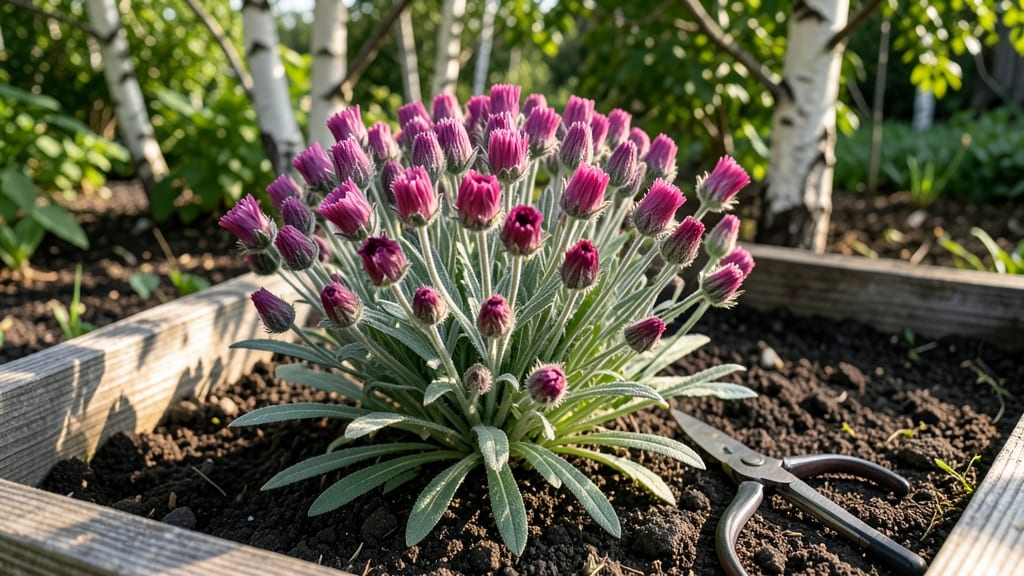
Sweet William flower buds keep blooming like clockwork once you master three simple cuts. 🌸 I learned the hard way that skipping deadheading means fewer flowers by summer—now my plants produce nonstop color from spring through fall with just a few minutes of work each week.
The secret lies in timing and technique: snip spent blooms at the base, trim leggy stems to encourage bushiness, and give them a haircut after the first flush to trigger a second wave.
You’ll need sharp shears, well-draining soil, and 6+ hours of sunlight daily—but the payoff is clusters of vibrant blooms that last for weeks in vases.
What starts as a few scattered buds quickly becomes a sea of color when you maintain good air circulation and avoid overwatering. The fragrance alone makes it worth the effort—like walking through a cottage garden every time you pass by.
Works in containers or borders, thrives in zones 3-9, and pairs beautifully with violas, snapdragons, or lavender. Let’s turn those buds into a showstopper display all season long.
📚 In This Guide
- What you need
- Instructions
- Tips and common mistakes
- Wrapping up and next steps
What you need
- ● Sweet William plants – Healthy, mature plants (preferably 1–2 years old) with strong stems.
- ● Clean, sharp pruning shears – Must be sterilized (70% isopropyl alcohol or bleach solution) to prevent disease.
- ○ Disposable gloves – Optional but recommended for hygiene.
- ● Watering can or hose – For post-pruning hydration.
- ○ Pruning sealant (optional) – Helps prevent sap loss on larger cuts (e.g., Tree Seal).
- ● Vase or clean container – For holding cut buds (preferably 6–8 inches deep).
- ● Fresh water – Changed every 2–3 days for longevity.
- ○ Rooting hormone (optional) – Speeds up propagation if taking stem cuttings (e.g., Rootone).
- ● Small pots or trays – For propagating new plants (4–6 inches in diameter).
- ● Potting soil mix – Well-draining blend (e.g., 60% peat moss, 30% perlite, 10% sand).
- ● Choose a sunny day (morning is ideal) to prune—reduces stress on plants.
- ● Work in a clean, well-ventilated area to avoid fungal spread.
- ● Have a plan: Decide if you’re pruning for blooms, propagation, or maintenance.
Step-by-Step instructions for encouraging Sweet William flower buds
Here's how to keep those cheerful blooms coming all season long.
✂️ Step 1: First Cut - Deadheading After Initial Blooms
Once your Sweet William flowers open their first flush of blooms, grab your pruners and cut back the stems just above the first set of healthy leaves—not at the base. This is where the plant stores energy for new growth. I always make my cuts at a 45-degree angle to prevent water from pooling on the stem, which can cause rot.
Timing matters here: do this when about half the flowers on each stem are fully open. You'll notice the plant looking a little tired after the first bloom wave—this is your cue. The goal is to remove spent flowers while leaving enough foliage to keep photosynthesizing. Don't worry if it looks bare afterward; new buds will form within 3-4 weeks.
🌱 Step 2: Second Cut - Mid-Season Pruning for Bushier Growth
About 6-8 weeks after your first cut, when you see new growth but the plant isn't flowering as heavily, it's time for the second pruning. Look for stems that are getting leggy or have only a few flowers at the top. Cut these back by one-third of their length, always cutting just above a leaf node where new buds can form.
This is where it gets fun—watch how the plant responds. You'll see side shoots emerge from those cut points within 10-14 days. These new shoots will produce a second flush of flowers that often blooms even more profusely than the first. I like to do this cut on a cloudy day or late afternoon to reduce stress on the plant.
☀️ Step 3: Final Cut - Late Season Maintenance for Next Year
As temperatures start to drop and flowers become sparse, give your Sweet William one last haircut. Cut back all stems to about 2-3 inches above the ground, but leave the foliage if it's still green. This final cut removes any potential disease overwintering in old stems while preserving the plant's energy stores in the roots.
Here's the thing—this late cut actually helps next year's blooms. The plant uses this time to build strong root systems. You'll notice in early spring that new shoots emerge faster and more vigorously after this final pruning. Just be sure to clean up all cut stems from the garden area to prevent pests from overwintering.
💧 Step 4: Post-Cut Care for Continuous Blooms
After each cut, give your Sweet William a good drink of water right at the base—about 1 gallon per plant—to help it recover. The first week after pruning is critical for new growth, so keep the soil consistently moist but not soggy. You'll see new buds forming within 2-3 weeks if you've done the cuts correctly.
I always fertilize lightly after each cut with a balanced 10-10-10 formula, using about 1 tablespoon per plant. This gives the plant the nutrients it needs to produce those gorgeous flower buds. Watch for new growth appearing from the base or along the stems—this is your sign that the pruning worked.
Tips & tricks for perfect Sweet William flower buds
A few simple tricks can turn your Sweet William into a nonstop blooming machine—here's how to maximize those cheerful flowers.
Timing is Everything: In Step 1, when you're cutting back those first blooms, pay attention to the plant's energy levels. If you cut too early (when flowers are just opening), you'll remove potential blooms. Wait until about half are fully open—the plant will look slightly wilted at this point, signaling it's ready for the first trim. This precise timing ensures you don't accidentally prune off future buds while still encouraging new growth within those promised 3-4 weeks.
Tool Prep Matters: Before making any cuts, take 2 minutes to sharpen your pruners—dull blades crush stems instead of making clean cuts. I always clean my tools with rubbing alcohol between plants to prevent spreading disease. The 45-degree angle mentioned in Step 1 is easier to achieve with sharp tools, and it makes all the difference in preventing water pooling that leads to rot. Trust me, this small prep step saves headaches later.
Seasonal Adjustments: For the mid-season pruning in Step 2, timing can shift based on your climate. In cooler regions, you might need to wait until 8-10 weeks after the first cut rather than the standard 6-8 weeks. Watch for new growth rather than relying strictly on the calendar—this is especially important when you're waiting for those side shoots to emerge within 10-14 days after cutting. The plant's natural rhythm is your best guide.
Cleanup Strategy: After the final cut in Step 3, don't just toss those stems in the compost pile. Remove all plant debris from the garden area to prevent pests and diseases from overwintering. I like to burn or bag the stems separately—this simple cleanup ensures your Sweet William starts next season with a clean slate. The 2-3 inch height recommendation gives the plant enough protection while still allowing sunlight to reach the base for new growth.
Pro Tips for Sweet William Flower Buds
- A few simple tricks can turn your Sweet William into a nonstop blooming machine—here's how to maximize those cheerful flowers.
- Timing is Everything: In Step 1, when you're cutting back those first blooms, pay attention to the plant's energy levels.
- Tool Prep Matters: Before making any cuts, take 2 minutes to sharpen your pruners—dull blades crush stems instead of making clean cuts.
Frequently asked questions
Got questions about growing and caring for Sweet William flower buds? You’re not alone! Here are some of the most common queries—plus quick, practical answers to keep your blooms thriving all year.
When is the best time to prune Sweet William for continuous blooms?
Prune your Sweet William three times a year for year-round flowers: early spring (just as new growth appears), mid-summer (after the first flush of blooms), and late summer/early fall (to encourage winter interest). Always cut back by one-third to stimulate fresh growth.
How do I know if I’m cutting Sweet William buds at the right height?
Leave 2–3 inches of stem above the base when pruning. This ensures the plant has enough energy to regrow. Avoid cutting too close to the ground, or you risk damaging the crown. For a neater look, trim at a 45-degree angle just above a leaf node.
Can I grow Sweet William from flower buds instead of seeds?
Nope! Sweet William cannot be propagated from flower buds—they’re sterile. To grow new plants, you’ll need to divide mature clumps in spring or start from seeds (sown indoors 6–8 weeks before the last frost). Buds are purely for floral displays!
Why are my Sweet William buds turning brown or mushy?
Brown/mushy buds often signal fungal disease (like powdery mildew) or overwatering. Improve airflow by thinning dense foliage, water at the base (not overhead), and apply a fungicide if needed. Deadhead spent blooms to redirect energy to healthy growth.
Are Sweet William buds edible, or just for decor?
While not toxic, Sweet William buds are bitter and not traditionally edible. They’re best enjoyed as floral garnishes (e.g., in bouquets or dried arrangements). If you’re craving edible flowers, try nasturtiums or pansies instead—they’re safer for culinary use!
Wrapping up and next steps
Sweet William flower buds are a gardener’s dream—easy to grow, long-lasting, and bursting with color! With just three simple cuts, you can enjoy their cheerful blooms year-round, whether in fresh bouquets or dried arrangements. Whether you’re a seasoned gardener or a beginner, these tips make propagation effortless and rewarding.
Ready to bloom with confidence? Grab your shears, pick a sunny spot, and start your Sweet William journey today—your garden (and future floral displays) will thank you! 🌸✨