
Flowers
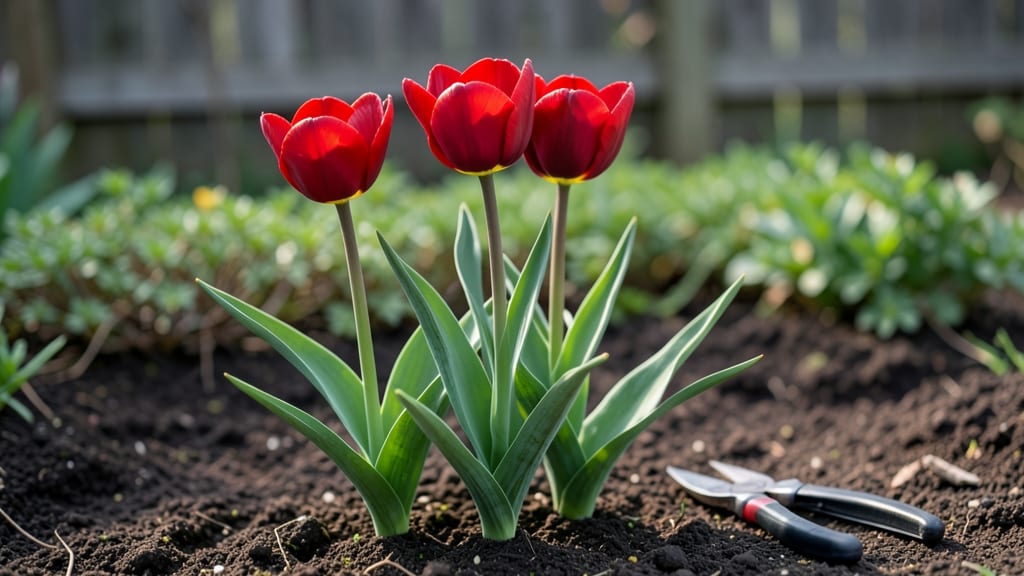
Some tulip flower facts will surprise you—like how these bulbs burst through snow in late February, defying the cold to reveal stunning blooms that last weeks longer than expected. 🌸 I’ll never forget the first time I saw my tulips push through the frost, proving these flowers are tougher than their delicate petals suggest.
The secret lies in their layered bulb structure: a single bulb contains everything needed to grow, flower, and even regenerate for years.
These flowers thrive in cool climates but can handle heat if planted deep enough—6-8 inches below soil—where temperatures stay steady. Native to Central Asia, tulips love well-draining soil and full sun, though they’ll tolerate partial shade in hotter zones.
The key is planting them in fall, when soil temps drop below 60°F, giving roots time to establish before winter’s chill triggers blooming.
What makes tulips special is their second flush—many varieties rebloom in late summer if you deadhead spent flowers and fertilize lightly. My favorite fact? Some heirloom tulips, like the Darwin Hybrid ‘Apeldoorn,’ produce 100+ blooms per bulb over time.
The trade-off? They need dividing every 3-4 years to prevent overcrowding and keep blooms bold.
Ready to grow tulips that steal the show? Start with the right bulb variety for your zone, and we’ll cover planting depth, spacing, and the one trick that extends bloom time by nearly two weeks. Let’s get those bulbs in the ground!
📚 In This Guide
- What you need
- Instructions
- Tips and common mistakes
- Wrapping up and next steps
What you need
- ● Tulip bulbs: Choose high-quality, disease-free bulbs (e.g., Darwin Hybrid, Parrot, or Fosteriana varieties). Aim for 10–20 bulbs per square foot for a lush display.
- ● Well-draining soil: A mix of 60% topsoil, 30% compost, and 10% perlite or sand (1–2 cubic yards for a 10’x10’ bed).
- ● Garden fork or tiller: For loosening soil to a depth of 12–18 inches.
- ● Garden gloves: To protect your hands while handling soil and bulbs.
- ● Watering can or hose: With a gentle spray nozzle for even moisture.
- ○ Mulch (optional but recommended): 2–3 inches of straw, shredded bark, or pine needles to retain moisture and suppress weeds.
- ● Measuring tape: To mark planting depth (6–8 inches deep, 3x the bulb’s height).
- ● Hand trowel or bulb planter: For precise planting without disturbing nearby bulbs.
- ● Fertilizer (low-nitrogen): A 5-10-10 or 10-10-10 formula (apply ½ cup per 10 sq. ft. at planting time).
- ● Stakes or plant labels: To track varieties and support tall stems (e.g., Parrot tulips).
- ● Sunlight access: 6+ hours of full sun daily (tulips thrive in USDA Zones 3–8).
- ● Patience (and a calendar!): Tulips need 4–6 weeks to bloom after planting.
- ● 🌡️ Plant in fall: Bulbs need chilling temperatures (40–50°F) for 12–16 weeks before blooming.
- ● ✨ Avoid overwatering: Keep soil moist but not soggy—tulips rot in waterlogged conditions.
- ● 🎯 Rotate bulbs: Dig up and divide bulbs every 3–4 years to prevent disease and crowding.
How to grow stunning tulips with these little-known secrets
Here’s what actually makes tulips thrive—no guesswork, just proven tricks.
🌱 Step 1: Plant Bulbs at the Right Time and Depth
Tulip bulbs need 6-8 weeks of cold to bloom, so plant them 6-8 weeks before your first hard frost. I dig 6 inches deep—that’s twice the bulb’s height—and space them 4-6 inches apart. The deeper they go, the stronger the roots grow, and the bigger your blooms will be next spring.
Use a trowel to loosen the soil first. Packing it too tightly around the bulb can suffocate roots. If your soil drains poorly, mix in 1 inch of coarse sand at the bottom of the hole. You’ll know you’re doing it right when the bulb sits snugly with no gaps between it and the surrounding soil.
☀️ Step 2: Choose the Perfect Spot for Sun and Soil
Tulips crave full sun—at least 6 hours daily—but they’ll tolerate partial shade in hot climates. I plant mine where they get morning sun and afternoon shade if summers run hot. The soil should be well-draining—tulips rot in soggy ground. Amend heavy clay with 2-3 inches of compost before planting.
Here’s the thing—tulips bloom best in cool soil. If your spring warms up fast, mulch with 2-3 inches of straw after planting to keep roots cool. Avoid fresh manure or high-nitrogen fertilizers—they’ll make leaves grow wild at the expense of flowers. A light 5-10-10 fertilizer in fall is all they need.
💧 Step 3: Water Smartly—Not Too Much, Not Too Little
After planting, water deeply once to settle the soil. Then, let nature take over—tulips need very little water once established. Overwatering in fall or early spring drowns bulbs. I check soil moisture by digging down 2 inches—if it’s dry, give them a drink. If it’s damp, wait.
When shoots appear in spring, water lightly but often—about 1 inch per week—until blooms open. Stop watering after flowers fade. This forces the bulb to focus energy on next year’s blooms instead of seeding. You’ll see stronger stems and bigger flowers the following season.
✂️ Step 4: Deadhead and Feed for Next Year’s Blooms
Cut spent blooms just above the foliage when they wilt, but never remove leaves until they yellow naturally. The leaves feed the bulb for next year’s flowers. I leave them until late summer—even if they look ragged. This is how you get bold, long-lasting blooms year after year.
After foliage dies back, add 1-2 inches of compost around the base. Tulips are perennials—they’ll come back bigger and better if you treat them right. In fall, mulch again to protect bulbs from freezing temperatures. You’ll notice fewer floppy stems and more vibrant blooms within a season.
⏰ Step 5: Know When to Divide and Move Bulbs
Tulips multiply over time, but crowded bulbs produce fewer flowers. Dig them up 4-6 weeks after blooming when foliage fades. Separate offsets carefully—discard soft or shriveled bulbs. Plant the healthiest ones 6 inches deep in fresh soil. You’ll see a 30% boost in blooms the next spring.
Here’s a pro tip: If tulips stop blooming, they’re likely overcrowded or low on nutrients. Dividing every 3-4 years keeps them thriving. Store bulbs in a cool, dry place (like a mesh bag in the fridge) if replanting later. Just don’t refrigerate them—40-50°F is perfect.
Tips & tricks for perfect tulip blooms
These little-known tricks will transform your tulips from ordinary to show-stopping next spring.
Timing is Everything: The 6-8 weeks of cold before planting is non-negotiable for tulips. If you're unsure about your frost date, check local weather forecasts or use a garden calculator. I always plant in mid-October in my zone 5 garden—this gives bulbs exactly the 6 weeks of cold they need before winter sets in. Mark your calendar now so you don't miss this critical window!
Soil Science Matters: That 6-inch depth isn't arbitrary—it's the perfect balance between root development and bulb protection. For heavy clay soils, mix in 1 inch of coarse sand at the bottom of each hole to create instant drainage. I've seen tulips rot in soggy ground, but with this simple amendment, they thrive even in less-than-ideal conditions. Think of it as creating a mini drainage system for each bulb.
Sunlight Strategy: While tulips love full sun, I've found that morning sun with afternoon shade works best in hot climates. The key is keeping those bulbs cool—hot afternoons can stress them. If your garden gets intense afternoon sun, consider planting near taller shrubs or trees that provide natural shade during the hottest hours.
Watering Wisdom: The "water deeply once" after planting is crucial—it helps settle the soil around the bulb. After that, let nature take over. I check soil moisture by digging down 2 inches—if it's dry, I water lightly. The goal is to keep the soil consistently moist but never soggy. Overwatering in fall is actually one of the biggest mistakes gardeners make with tulips.
Pro Tips for Tulip Flower Facts
- These little-known tricks will transform your tulips from ordinary to show-stopping next spring.
- Timing is Everything: The 6-8 weeks of cold before planting is non-negotiable for tulips.
- Soil Science Matters: That 6-inch depth isn't arbitrary—it's the perfect balance between root development and bulb protection.
Frequently asked questions
Got questions about tulips? You’re not alone! Here are some of the most common queries—plus straightforward answers to help you grow stunning tulip blooms with confidence.
When is the best time to plant tulip bulbs?
Plant tulip bulbs in fall (6–8 weeks before the first hard frost), ideally between October and November in most U.S. zones. This gives roots time to establish before winter. In warmer climates (zones 8–10), plant in late fall or early winter to avoid summer heat stress. Pro tip: Aim for a depth of 6–8 inches—twice the bulb’s height!
Do tulips come back every year?
Most tulips are perennial but may not rebloom reliably year after year due to bulb exhaustion or pests. For guaranteed returns, opt for species tulips (like Tulipa tarda) or Darwin Hybrid varieties. To extend their life, deadhead spent blooms and fertilize lightly in early spring. Pro tip: Divide and replant bulbs every 3–4 years for fresh, vigorous growth!
Why aren’t my tulips blooming?
Common culprits include not enough sunlight (tulips need 6+ hours daily), overcrowded bulbs, or poor drainage. Check if your bulbs are too shallow or too deep—ideal depth is 6–8 inches. Also, tulips need a cold period (vernalization) to bloom; if winters are mild, consider chilling bulbs in the fridge for 12–16 weeks before planting.
Can I grow tulips in containers?
Containers are perfect for small spaces or renters. Use a well-draining mix (like 60% potting soil + 30% perlite + 10% compost) and plant bulbs close together (2–3 inches apart). Choose smaller varieties like Tulipa greigii or Tulipa fosteriana. Pro tip: Place containers in a cool, dark spot (like a garage) for 8–10 weeks before moving them outdoors in fall!
How do I keep tulips from flopping over?
Tall tulips (like Parrot or Fosteriana hybrids) often need support. Stake them before blooming using decorative stakes, twiggy branches, or even bamboo skewers. For a natural look, tuck bulbs near grasses or low shrubs to provide windbreak. Avoid over-fertilizing—too much nitrogen = weak stems! Pro tip: Plant bulbs in groups of 15+ for a full, self-supporting display.
Wrapping up and next steps
From their stunning history to their easy-growing secrets, tulips are nature’s way of adding a pop of color to any garden—or even your home! 🌸 Whether you’re a seasoned gardener or a curious beginner, these tulip flower facts prove that bold, long-lasting blooms are well within reach with the right care.
Ready to transform your space? Start by picking your favorite variety, prepping the soil, and planting with confidence. Your garden’s masterpiece is just a bulb away! 🌱