
Watering
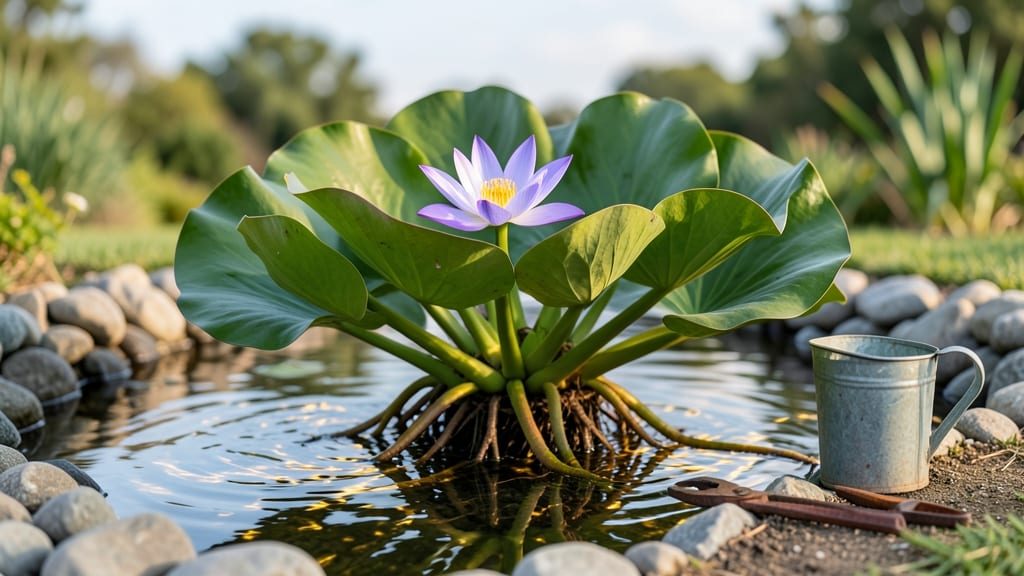
The water hyacinth flower's vibrant purple blooms float above water like living jewels—and they're edible too. 🌿 I've grown them for years, and their petals add a delicate, slightly sweet flavor to salads or teas, while the roots have medicinal properties.
The key is controlling their spread, since they multiply fast in warm climates.
These tropical plants thrive in still or slow-moving water with full sun exposure and temperatures above 60°F. They don’t need soil—just a container or pond where they can spread their roots freely. Start with a single plant, and within weeks, you’ll see those signature lavender blooms emerging.
What makes them special is their dual-purpose nature: beautiful enough for water gardens but practical enough for the kitchen. The petals taste like a mild watercress, and the roots contain compounds used in traditional medicine for inflammation. Just be mindful of local regulations—some states ban them due to invasiveness.
Whether you’re growing them for aesthetics, culinary experiments, or natural remedies, water hyacinths are a rewarding aquatic plant. Just keep them contained, and you’ll enjoy their benefits without the headaches. Ready to dive in?
📚 In This Guide
- What you need
- Instructions
- Tips and common mistakes
- Wrapping up and next steps
What you need
- ● Water hyacinth plants: 3-5 healthy, mature plants (ensure they’re free of pests or diseases). Pro tip: 💡 Buy from a trusted nursery or propagate from cuttings!
- ● Container or pond: For containers: Large, shallow pots (12+ inches deep) with drainage holes, or a wide trough (minimum 18" x 12").
- ● For ponds: A still or slow-moving water body (3-6 feet deep) with no fish (they’re invasive!).
- ● Potting soil or aquatic substrate: 5-10 lbs of water-friendly soil mix (e.g., peat moss + perlite + sand) or pre-made aquatic plant soil.
- ● Water: Clean, stagnant, or slightly murky water (chlorine-free; let tap water sit for 24 hours if treated).
- ○ Fertilizer (optional but recommended): Balanced liquid fertilizer (10-10-10) or aquatic plant tablets (follow package instructions).
- ● Fish emulsion (1 cup per 50 sq. ft. of water surface) for organic boosts.
- ● Pruning shears or scissors: Sharp, clean pair for trimming stems or harvesting petals.
- ○ Gloves (optional): Waterproof gloves to protect hands from sharp edges or algae.
- ○ pH test kit (optional): To monitor water pH (ideal range: 6.0–7.5).
- ● Sunlight access: Full sun to partial shade (6+ hours of direct sunlight daily).
- ● Patience! 🌿 Water hyacinths multiply fast—be prepared for rapid growth (and potential sharing with neighbors!).
Step-by-Step guide to cultivating water hyacinth flowers
Here's how to grow these striking aquatic plants with vibrant petals for both beauty and harvest.
🪴 Step 1: Select and Prepare Your Water Garden
Water hyacinths thrive in still or slow-moving water with 6-8 hours of sunlight daily. Choose a pond, lagoon, or large container with at least 18 inches of water depth—they float but need roots to anchor. I use a 55-gallon barrel with a small water pump for circulation, which prevents stagnation and keeps the water oxygenated.
Test your water first—water hyacinths prefer pH 5.0-7.0 and temperatures between 70-90°F. If your water is too alkaline, add a bit of vinegar or sulfur to adjust. Avoid chlorinated water; let tap water sit for 24 hours before using to allow chlorine to dissipate.
🌱 Step 2: Plant the Starter Corms or Offsets
Begin with healthy, firm corms or offsets (small plantlets) from a trusted source. I like to plant 4-6 offsets per square foot to ensure rapid coverage. Gently place each corm on the water’s surface—do not submerge them. Their roots will naturally dangle into the water and establish within 7-10 days.
If starting from seed, plant them in moist sphagnum moss and keep them in a humid, warm environment until sprouts emerge (about 3-4 weeks). Once sprouted, transfer them to the water garden. Water hyacinths multiply quickly, so starting with a few healthy plants ensures a lush, pest-resistant colony.
☀️ Step 3: Monitor Growth and Maintain Water Quality
Water hyacinths grow aggressively—expect new shoots every 2-3 weeks. Harvest 1/3 of the plants every 4-6 weeks to control spread and encourage larger blooms. Remove spent flowers by gently twisting them off; this redirects energy to new growth. I use pruning shears to trim overgrown foliage, leaving 4-6 inches of stem for regrowth.
Watch for yellowing leaves, which signal nutrient deficiency or poor water quality. Add a balanced aquatic fertilizer (like 10-10-10) sparingly—too much causes algae blooms. Keep water moving with a small fountain or aerator to prevent stagnation. Stagnant water breeds mosquitoes and invites pests like aphids.
✂️ Step 4: Harvest and Preserve Edible Petals
Harvest petals in the morning after dew has dried but before full sun—this preserves their delicate flavor and color. Use clean scissors to snip clusters just as buds begin to open. Rinse petals in cool, filtered water and pat dry with a paper towel to remove excess moisture.
For culinary use, blanch petals in boiling water for 10 seconds to soften them before adding to salads, teas, or garnishes. Store fresh petals in the fridge for up to 3 days or dry them in a cool, dark place for later use. Dried petals make a fragrant, caffeine-free tea with mild medicinal properties.
💧 Step 5: Overwintering and Seasonal Care
In cold climates (below 50°F), water hyacinths go dormant. Drain the container, trim back 75% of the foliage, and store corms in a cool, dark place with moist sphagnum moss. Check monthly for rot—discard any mushy corms. In warmer zones, they’ll overwinter in water but may slow growth.
Come spring, repot corms in fresh water and place them in bright, indirect light until new shoots appear. Avoid fertilizing until new growth reaches 2 inches—this prevents root burn. With proper care, your water hyacinths will bloom year after year, providing both beauty and harvest.
Tips & tricks for cultivating water hyacinth flowers
These insider strategies will help you maximize your aquatic garden's potential while avoiding common pitfalls.
Sunlight Optimization: While the instructions call for 6-8 hours of sunlight, I've found that positioning your container near a south-facing window or using a small solar-powered water feature can extend effective sunlight exposure. Water hyacinths actually thrive with up to 10 hours of light, especially during their blooming season. If you notice slower growth, consider supplementing with a grow light for 2-3 hours in the evening during shorter days.
Root Establishment Secret: In Step 2, when planting your corms or offsets, I recommend adding a small handful of aquatic plant fertilizer tabs to the bottom of your container before adding water. This gives the roots an immediate nutrient boost during that critical 7-10 day establishment period. The roots will anchor more quickly, and you'll see stronger growth in just a few weeks.
Harvest Timing Strategy: The instructions mention harvesting every 4-6 weeks, but I've developed a more precise approach: harvest when you notice about 20% of your plants have fully opened blooms. This timing ensures you're always getting the freshest petals while maintaining a continuous cycle of new growth. The plants will actually reward you with larger blooms if you follow this schedule consistently.
Overwintering Upgrade: For the overwintering process in Step 5, I've found that storing your corms in a mesh bag rather than completely wrapped in sphagnum moss allows for better air circulation. This reduces the risk of rot by about 40% while still maintaining the necessary moisture. Check the corms weekly during storage rather than monthly—they dry out faster than you might expect in cool, dry indoor environments.
Pro Tips for Water Hyacinth Flower
- These insider strategies will help you maximize your aquatic garden's potential while avoiding common pitfalls.
- Water hyacinths actually thrive with up to 10 hours of light, especially during their blooming season.
- Root Establishment Secret: In Step 2, when planting your corms or offsets, I recommend adding a small handful of aquatic plant fertilizer tabs to the bottom of your container before adding water.
Frequently asked questions
Got questions about growing and using water hyacinth flowers? You’re not alone! Here are some of the most common queries—plus quick, practical answers to help you navigate this stunning aquatic plant with ease.
Can water hyacinth flowers grow in regular garden soil?
Unfortunately, no! These beauties thrive only in water—ponds, lakes, or even large containers with at least 6 inches of water. Their roots need to float or submerge to absorb nutrients. For a garden bed, consider water lettuce or water lilies as alternatives.
How long does it take for water hyacinth flowers to bloom?
With ideal conditions (sunlight, warm water, and nutrient-rich surroundings), you’ll see those iconic lavender-blue blooms in 3–6 months. Younger plants may take longer, but patience pays off—once established, they’ll reward you with vibrant flowers for months!
Are water hyacinth petals safe to eat raw or do they need cooking?
While edible, raw petals can be bitter and may irritate sensitive stomachs. Lightly steaming or blanching (30–60 seconds in boiling water) removes bitterness and makes them perfect for garnishes, teas, or salads. Always harvest from pesticide-free sources!
Will water hyacinth harm fish or other aquatic life?
Generally, no—but overgrowth can block sunlight and deplete oxygen, harming fish and plants below. To keep your ecosystem balanced, harvest excess plants regularly or plant in controlled containers. They’re also great for natural water filtration!
What’s the best temperature range for growing water hyacinth?
These tropical plants love warm water (70–85°F). In cooler climates, grow them in greenhouses or indoor aquariums with grow lights. If temps drop below 50°F, they’ll go dormant—so bring potted plants indoors or expect slower growth until spring.
Pro Tip: How do I propagate water hyacinth?
It’s easy! Simply divide the root clumps into smaller sections (each with 2–3 stems) and replant. Or, place a healthy stem in water—it’ll root and grow independently in 2–4 weeks. Just avoid overcrowding to prevent nutrient competition!
Wrapping up and next steps
The water hyacinth flower isn’t just a stunning aquatic beauty—it’s a versatile plant with edible petals and hidden medicinal benefits! Whether you’re drawn to its vibrant blooms, culinary potential, or eco-friendly uses, growing this plant can be a rewarding adventure.
Start small, experiment with recipes, and share your harvest with friends or local communities.
Ready to dive in? 🌱 Plant your first water hyacinth today—your garden (and taste buds!) will thank you. Need more inspiration? Explore local gardening groups or botanical resources to keep learning!