Flowers
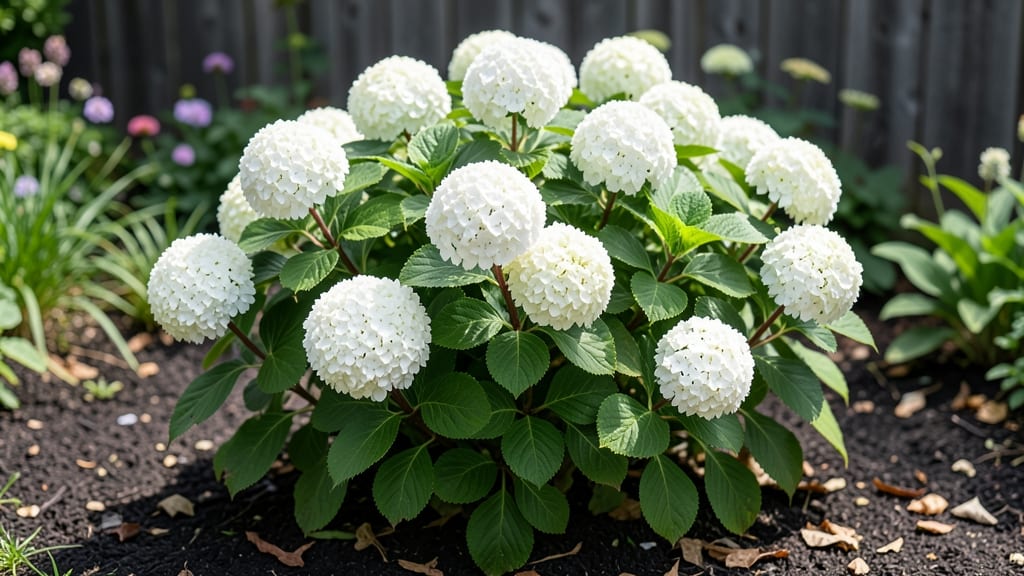
That white puffy flower bush you’ve been eyeing in garden centers? It’s Hydrangea arborescens—the Pacific Northwest’s cold-hardy showstopper that blooms like clockwork. I planted mine last spring, and now it’s my go-to for soft, cloud-like flowers that last from summer into fall.
The secret isn’t just the planting—it’s the right spot where it thrives without fuss.
This bush loves morning sun and afternoon shade, which is perfect for PNW yards where full sun can scorch leaves. Dig in well-draining soil (amend with compost if yours is heavy clay), space plants 3-5 feet apart, and water deeply once a week once established.
Prune spent blooms in early spring to encourage fresh growth—no fancy skills needed, just a sharp pair of shears.
By mid-June, you’ll see those puffy white blooms emerge, transforming your garden into a dreamy, textured landscape. The flowers stay vibrant for weeks, attract pollinators, and even dry well for winter arrangements. Plus, it’s drought-tolerant once rooted, making it low-maintenance after the first year.
Watch for aphids or powdery mildew—both are common but easy to treat with neem oil or proper spacing. If your bush flops over, try staking or a trellis for support. Ready to grow one that’s as tough as it is beautiful? Let’s get started.
📚 In This Guide
- What you need
- Instructions
- Tips and common mistakes
- Wrapping up and next steps
What you need
- ● Plant: A healthy white puffy flower bush (e.g., Spiraea japonica 'Anthony Waterer' or Hydrangea macrophylla 'Annabelle'). Buy from a reputable nursery or order bare-root plants for cost savings.
- ● Potting Soil: 3–5 gallons of well-draining, organic potting mix (e.g., Miracle-Gro Premium Potting Mix or a 50/50 blend of garden soil + compost). Avoid heavy clay soil!
- ● Container (if potted): A 15–20 gallon pot with drainage holes (terracotta or plastic). For in-ground planting, prep a hole 2x wider and slightly deeper than the root ball.
- ● Fertilizer: Slow-release granular fertilizer (e.g., 10-10-10 or 20-20-20, 1 lb per bush).
- ● Organic option: Fish emulsion or composted manure (follow label rates).
- ● Mulch: 2–3 inches of shredded bark or wood chips (e.g., cedar or pine mulch) to retain moisture and regulate soil temp.
- ● Garden Gloves (heavy-duty for thorny bushes like Spiraea).
- ● Hand Trowel or Spade (for digging and transplanting).
- ● Pruning Shears (clean, sharp bypass pruners for shaping and deadheading).
- ● Watering Can or Hose with Adjustable Nozzle (gentle watering = happy roots!).
- ○ pH Test Kit (optional but helpful—ideal range: 6.0–6.5 for Hydrangeas, 6.0–7.0 for Spiraea).
- ○ Epsom Salt (Magnesium Sulfate) (optional, 1 tbsp per gallon of water for green foliage boost).
- ● Cold Hardiness: Ensure your chosen bush is USDA Zones 5–9 compatible (e.g., Spiraea thrives in PNW’s chill!).
- ● Rain Protection: If potted, use a drip tray or saucer to prevent root rot from excess rain.
- ○ Windbreak (Optional): A burlap screen or lattice if your yard is exposed to harsh coastal winds.
Step-by-step guide to cultivating a thriving white puffy flower bush
This cold-hardy stunner thrives in Pacific Northwest conditions—here’s how to coax its signature blooms.
Select the Right Location and Prepare the Soil
Choose a site with partial to full sun exposure—at least 6 hours of sunlight daily—but protect from harsh afternoon winds. The Pacific Northwest’s damp climate means your bush will appreciate well-draining soil to prevent root rot. Amend native soil with 2-3 inches of compost to improve fertility and structure.
Test the soil pH before planting—ideal levels for this bush are 6.0 to 7.0. If your soil is too acidic, mix in dolomitic lime (about 1 pound per 100 square feet) and till it in 2-3 weeks before planting. Avoid heavy clay soils, which can suffocate roots; instead, create raised beds if needed.
Plant at the Correct Depth and Spacing
Dig a hole twice as wide as the root ball but no deeper—this prevents water pooling around the stem. Gently remove the bush from its container and loosen any circling roots with your fingers. Place it in the hole so the top of the root ball sits level with or slightly above the surrounding soil—this ensures proper drainage.
Space multiple bushes 4-6 feet apart to allow airflow and prevent disease. Backfill the hole with native soil mixed with compost, pressing lightly to eliminate air pockets. Water deeply immediately after planting to settle the soil and encourage root contact.
Water Consistently and Fertilize Strategically
Keep the soil evenly moist but not soggy for the first 4-6 weeks after planting. Water deeply 2-3 times per week, allowing the top 2 inches of soil to dry slightly between waterings. Overwatering is the fastest way to invite fungal issues in the damp PNW climate.
Once established, reduce watering to once a week unless experiencing extreme heat or drought. Apply a balanced, slow-release fertilizer (10-10-10) in early spring and again after the first flush of blooms. Avoid high-nitrogen fertilizers—they promote leafy growth at the expense of flowers.
Prune for Shape and Encourage Blooms
Prune immediately after flowering to maintain shape and encourage next year’s blooms. Remove dead or crossing branches first, cutting back to the nearest outward-facing bud. Then, trim 1/3 of the oldest stems to the ground—this rejuvenates the bush and stimulates new growth.
In late winter or early spring, perform a light shaping prune to remove any damaged or weak growth. Avoid heavy pruning at this stage—you want to preserve next season’s flower buds, which form on old wood. Use clean, sharp pruners and sterilize them with rubbing alcohol between cuts to prevent disease spread.
Protect from Pacific Northwest Challenges
The PNW’s mild winters and wet springs can stress this bush if not managed properly. Apply a 2-3 inch layer of mulch (such as shredded bark or wood chips) around the base in early winter to insulate roots and retain moisture. Keep mulch 2 inches away from the stem to prevent rot.
Watch for powdery mildew in humid conditions—this is the most common issue in the PNW. Improve airflow by pruning densely packed branches and apply neem oil spray preventatively in early summer. If pests like aphids appear, blast them off with a strong stream of water and treat with insecticidal soap if needed.
Tips & tricks for perfect white puffy flower bush cultivation
Between us, these little details make all the difference between a bush that just survives and one that thrives with those signature blooms. I've learned these through trial and error—especially in the PNW's tricky climate.
Sunlight Strategy: While the instructions call for at least 6 hours of sunlight daily, I've found that positioning your bush to catch morning sun and afternoon shade works even better in our climate. The intense afternoon sun can scorch the delicate blooms, so if you notice leaves curling or wilting, consider providing afternoon shade during our hottest months. This subtle adjustment preserves those iconic white puffs while keeping the bush healthy.
Soil Testing Tip: Don't just guess at your soil pH—use a reliable soil test kit from your local garden center. The ideal 6.0 to 7.0 range is crucial, but I've seen pH tests vary wildly between home kits and professional labs. If you're adjusting with dolomitic lime, apply it exactly 2-3 weeks before planting as specified, but mix it thoroughly into the top 6 inches of soil—not just the surface layer. This ensures even distribution and prevents localized pH spikes that could stress the roots.
Watering Wisdom: The 2-3 times per week guideline works well, but I've had better success using a moisture meter to check soil conditions. Aim for soil that's moist to about 2 inches down—this matches the instructions perfectly. In our damp climate, overwatering is the silent killer, so if you notice yellowing leaves or mold on the mulch, you're likely watering too much. Let the top 2 inches dry slightly between waterings, especially after the initial 4-6 week period.
Pruning Precision: When you're trimming 1/3 of the oldest stems in Step 4, make those cuts just above an outward-facing bud. This creates better airflow through the center of the bush, which is critical for preventing powdery mildew—the PNW's most common issue. I've found that using a pair of clean, sharp pruners and making angled cuts helps water bead off the stems rather than pool at the base, reducing fungal risks. Sterilize your tools between cuts with rubbing alcohol as instructed, but don't skip this step—it's what keeps your bush healthy year after year.
Pro Tips for White Puffy Flower Bush
- Between us, these little details make all the difference between a bush that just survives and one that thrives with those signature blooms.
- Sunlight Strategy: While the instructions call for at least 6 hours of sunlight daily, I've found that positioning your bush to catch morning sun and afternoon shade works even better in our climate.
- Soil Testing Tip: Don't just guess at your soil pH—use a reliable soil test kit from your local garden center.
Frequently asked questions
Got questions about your white puffy flower bush? You’re not alone! Whether you're a first-time gardener or a seasoned plant parent, these common queries will help you keep your bush thriving—especially in the Pacific Northwest’s unique climate.
What’s the best time to plant a white puffy flower bush in the PNW?
Plant your bush in early spring (March–April) or early fall (September–October) to give roots time to establish before winter. Avoid planting in late summer or extreme heat—soil should be cool and moist. Container-grown bushes can go in year-round (except frost), but bare-root plants need chill time to adapt.
How cold can my white puffy flower bush handle?
Most cold-hardy varieties (like Spiraea or Deutzia) tolerate USDA Zones 3–8, meaning they’ll survive down to -25°F to -40°F with proper mulching. In the PNW’s wet winters, ensure good drainage to prevent root rot—even hardy bushes hate soggy feet!
When and how should I prune my bush for the best blooms?
Prune right after flowering (late spring/early summer) to encourage next year’s blooms. Cut back 1/3 of the oldest stems to the ground and shape lightly. Avoid heavy pruning in fall—it removes next year’s flower buds! Wear gloves; some varieties (like Spiraea) have thorny stems.
What pests or diseases should I watch for in PNW gardens?
Common issues include:
- Aphids: Cluster on new growth—blast off with water or use insecticidal soap.
- Powdery mildew: White fuzzy spots? Improve airflow and spray with neem oil.
- Spider mites: Dry conditions attract them—keep leaves damp and prune crowded branches.
Can I grow a white puffy flower bush in a container?
Choose a 5-gallon pot minimum with drainage holes and use well-draining soil (add perlite or sand). Dwarf varieties like Spiraea japonica ‘Goldflame’ thrive in containers. Move pots to partial shade in summer to prevent leaf scorch. Fertilize lightly in spring with a balanced 10-10-10 formula.
Pro Tip:
Mulch heavily in winter with 3–4 inches of shredded bark or wood chips to protect roots from freeze-thaw cycles—a PNW gardener’s secret weapon!
Wrapping up and next steps
Growing a white puffy flower bush in the Pacific Northwest isn’t just about adding beauty—it’s about embracing resilience and nature’s charm! Whether you’re drawn to the delicate blooms of Spiraea or the bold fluff of Cotoneaster, these cold-hardy plants thrive with minimal fuss.
Remember: patience and proper care (like pruning and soil prep) are your secret weapons for a show-stopping garden. 🌸
Ready to transform your yard? Start by choosing your favorite variety and planting this fall or early spring—then step back and enjoy the magic unfold. Happy gardening! 🌿