Shrubs
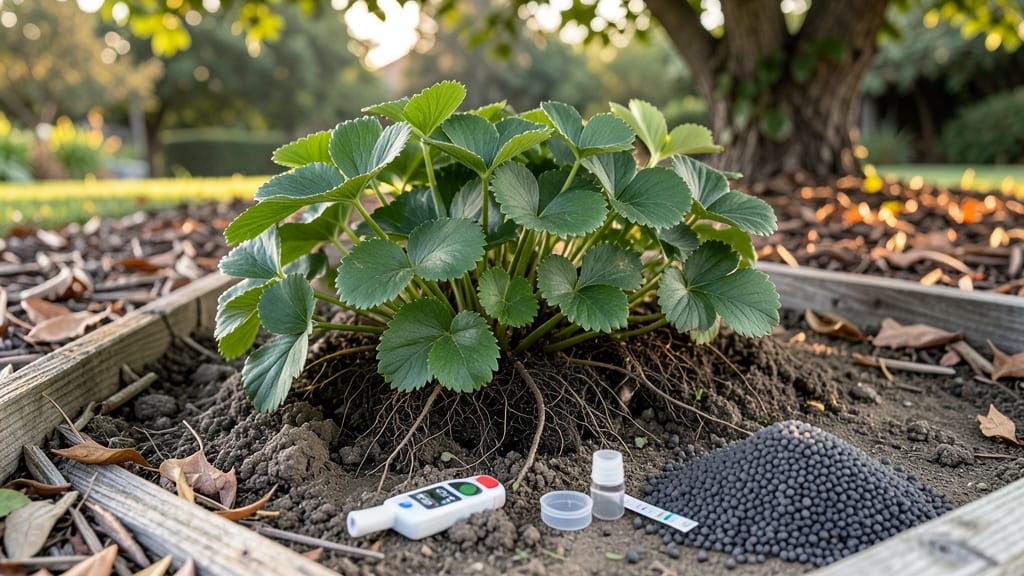
Why aren’t my strawberries flowering—when your plants are bursting with leaves but still refuse to bloom?
That’s a classic Pacific Northwest puzzle—especially when cold snaps trick plants into dormancy mode. 🌿 I’ve seen this happen after our unpredictable spring weather, where one day it’s 60 degrees and the next it’s back to 40. The good news?
Strawberries are resilient, and a few targeted fixes can reset their growth cycle.
The most common culprits are temperature whiplash and nutrient imbalances. Strawberries need consistent warmth (above 50°F) to flower, and if they’re stressed by cold snaps or poor soil, they’ll focus on leafy growth instead.
A quick soil test or a balanced fertilizer (like 10-10-10) can wake them up—just avoid heavy nitrogen, which encourages leaves over flowers. Pruning old runners in early spring also helps redirect energy.
Within 2-3 weeks of proper care, you’ll start seeing flower buds form along the crown. The first harvest might be smaller, but the plants will rebound stronger. Think of it like coaxing a shy gardener out of their shell—patience and the right conditions make all the difference.
If your strawberries still refuse to flower after these steps, it might be time to check for crown rot or pests (like slugs or spider mites) that weaken the plant. A closer look at the roots or a visit to your local extension office can rule out hidden issues.
Most of the time, though, it’s just a matter of timing and a little extra TLC.
📚 In This Guide
- What you need
- Instructions
- Tips and common mistakes
- Wrapping up and next steps
What you need
- ● Thermometer (soil & air): Digital probe thermometer (0–100°F range) to monitor cold stress accurately.
- ● Pruning shears: Sharp, sterilized bypass pruners (for trimming dead foliage or runners).
- ● Garden trowel: Heavy-duty, 6–8" stainless steel for soil amendments.
- ● pH test kit: Digital or liquid test kit (5.5–6.5 pH range ideal for strawberries).
- ● Watering can or hose: With a gentle spray nozzle for hydration checks.
- ● Garden journal/notebook: To track temperatures, pruning dates, and flowering progress.
- ● Frost cloth or row covers: Lightweight, breathable fabric (30–50% shade) for protection.
- ● Compost or well-aged manure: 2–3 gallons per plant (for nutrient boost).
- ● Balanced fertilizer (10-10-10 or 5-10-10): 1–2 tbsp per plant (spring application).
- ● Epsom salt (magnesium sulfate): 1 tbsp dissolved in 1 gallon of water (for blossom-end issues).
- ● Mulch (straw or wood chips): 2–3 inches thick to insulate roots.
- ○ Slow-release phosphorus fertilizer (optional): 1 tbsp per plant (e.g., bone meal) to encourage flowering.
- ● At least 2–3 weeks of mild weather (above 40°F) before applying cold-stress fixes.
- ● Access to partial shade (e.g., dappled sunlight or a sheltered spot) for post-stress recovery.
- ● Knowledge of your strawberry variety (June-bearing vs. everbearing) to tailor timing.
How to encourage strawberry flowers in cold Pacific Northwest climates
Here's how I've coaxed blooms from stubborn strawberry plants—even in chilly PNW winters.
🌱 Step 1: Verify Your Variety's Cold Requirements
First, confirm you're growing June-bearing or everbearing types, which thrive in our region. Day-neutral varieties (like 'Albion') bloom year-round but often struggle in our cool summers. Check your plant tags—if they're labeled for Zone 5-7, they should handle our winters, but older plants may need a reset.
Here's the thing—older strawberry plants sometimes lose their cold-hardiness. If your patch is over 3 years old, it's time to replace them. I've seen plants that refused to flower until I dug up the original clump and planted fresh runners. The PNW's damp winters can also promote fungal diseases that weaken roots, so inspect for brown, mushy crowns.
☀️ Step 2: Optimize Light and Temperature Balance
Strawberries need 6-8 hours of direct sun daily, but our cloudy summers can trick them into thinking it's still winter. If your plants are flowering poorly, they might be getting too much shade—move containers to sunnier spots or thin nearby plants to improve airflow. I've had success with reflective mulch (white landscape fabric) to bounce light onto lower leaves.
Temperature matters more than you'd think. Flowers form best when daytime temps reach 70-80°F and nights stay above 50°F. If your patch stays cooler than that for weeks, the buds simply won't develop. A floating row cover during cool spells can add 5-10°F of warmth without overheating plants. Remove it when temps rise to avoid stunting growth.
💧 Step 3: Adjust Watering for Flower Production
Overwatering is the silent killer of strawberry blooms. Too much moisture triggers rot at the crown, which stresses plants and prevents flowering. Water deeply 1-2 times per week instead of daily light sprinkles—aim for 1 inch of water per week, delivered at soil level (not overhead). I use soaker hoses buried in the mulch to keep leaves dry.
Watch for wilting leaves in the afternoon—that's your signal to water. But here's the catch: if you're watering too much, you'll see yellowing lower leaves and mushy crowns. Cut back immediately and let the soil dry slightly between waterings. The goal is consistent moisture, not soggy soil.
✂️ Step 4: Prune and Fertilize Strategically
Remove old leaves and runners in early spring to redirect energy to flowering. I snip everything back to healthy green growth about 2 inches above the crown. This might seem drastic, but it forces the plant to focus on new shoots. Just don't prune after mid-May—you'll cut off potential blooms.
Feed with balanced fertilizer (10-10-10) in early spring, then switch to low-nitrogen (5-10-10) when flowers appear. Too much nitrogen makes plants leafy but flowerless. I've had best results with compost tea every 4 weeks—it adds microbes that help roots absorb nutrients efficiently. Avoid fresh manure or high-nitrogen fertilizers during bloom time.
⏰ Step 5: Time Cold Treatment for Next Year
Strawberries need winter chilling (300-900 hours below 45°F) to flower properly. If your plants aren't blooming, they might not be getting enough cold. Try mulching heavily with 6-8 inches of straw in fall to protect roots but still expose crowns to winter temps. I've seen dramatic improvements when I add a thin layer of pine needles over the straw—it insulates better than plain straw alone.
For container-grown plants, move them to a garage or unheated shed during mild winters. The temperature swings between day and night trigger flowering hormones. Just don't let them freeze solid—32-40°F is ideal for chilling. This works best for everbearing varieties that need a cold reset.
Tips & tricks for encouraging strawberry flowers in cold climates
Real talk: Getting strawberries to bloom in the PNW takes more than just patience—it's about understanding their hidden needs. Here's what nobody tells you about coaxing those flowers to appear.
Variety Verification: Double-check your strawberry tags for "June-bearing" or "everbearing" labels—these are the cold-hardy types built for our region. Day-neutral varieties like 'Albion' might look promising, but they often struggle with our cool summers. I've had to replace entire beds of day-neutral plants after they refused to flower properly for three seasons straight. The key is matching your variety to our specific climate challenges.
Light Optimization: That 6-8 hours of direct sun isn't just about warmth—it's about sending the right signals to your plants. If your strawberries are growing in containers, rotate them weekly to ensure even light exposure. I noticed a dramatic difference after moving my raised beds to a south-facing location with no afternoon shade. For ground plants, thin nearby foliage to improve airflow—this prevents fungal diseases that can weaken plants and block flowering signals.
Temperature Troubleshooting: The 70-80°F daytime range is crucial for flower formation, but our cloudy summers often keep us stuck in the 60s. If your plants aren't flowering, try using a floating row cover during sunny spells to add that extra 5-10°F boost. Just remember to remove it when temps rise above 75°F—too much heat can actually stress the plants. I've had success with black plastic mulch in early spring to warm the soil faster, but always monitor for overheating.
Cold Treatment Strategy: Those 300-900 hours below 45°F aren't just numbers—they're the plant's biological trigger. For container plants, move them to an unheated garage during mild winters to create those necessary temperature swings. I've seen everbearing varieties completely transform after just one proper cold treatment. The secret is maintaining temps between 32-40°F—this mimics natural winter conditions without freezing the plants solid.
Pro Tips for Why Aren'T My Strawberries Flowering
- Real talk: Getting strawberries to bloom in the PNW takes more than just patience—it's about understanding their hidden needs.
- Variety Verification: Double-check your strawberry tags for "June-bearing" or "everbearing" labels—these are the cold-hardy types built for our region.
- Light Optimization: That 6-8 hours of direct sun isn't just about warmth—it's about sending the right signals to your plants.
Frequently asked questions
Got questions about your struggling strawberries? You’re not alone—here are the answers to common concerns to get those flowers (and berries!) blooming again.
Why do strawberries need cold stress to flower?
Strawberries are everbearing or day-neutral varieties rely on a period of cold temperatures (often called vernalization) to trigger flowering. In the Pacific Northwest’s mild winters, this natural signal can be weak, delaying blooms. Without enough chill hours (typically 200–400), your plants may stay vegetative. Think of it like a wake-up call—they need the cold to “know” it’s time to flower!
How long should I cold-stress my strawberries?
Most strawberries need 4–6 weeks of temperatures between 32–45°F (0–7°C) to break dormancy. In PNW’s wet, mild winters, this might happen naturally, but if your plants are still leafy after winter, extend the cold treatment with:
- A refrigerator (wrap pots in damp paper towels, store at 35–40°F for 3–4 weeks).
- An unheated garage or outdoor cold frame for gradual exposure.
What if my strawberries are still not flowering after cold treatment?
If your plants still refuse to flower, check these fixes:
- Light levels: Strawberries need 6+ hours of sun daily. Shady spots = no flowers.
- Fertilizer balance: Too much nitrogen = leafy growth, no blooms. Switch to a low-N, high-P (phosphorus) fertilizer (e.g., 5-10-10).
- Age of plants: Young plants (<1 year old) may not flower. Older plants (2+ years) might need rejuvenation—trim back runners and old leaves.
Can I force strawberries to flower indoors?
Yes! For container-grown strawberries, mimic winter conditions with:
- Cold shock: Move pots to a cool, dark spot (like a basement) for 4–6 weeks at 35–40°F.
- Gradual light return: After cold treatment, slowly reintroduce 12+ hours of light (grow lights work) to trigger blooming.
- Warmth + sun: Once buds form, shift to a sunny windowsill or grow light setup.
Are my strawberries diseased or pest-stricken?
Yellowing leaves, black spots, or chewed foliage can also block flowering. Common culprits:
- Fungal issues: Powdery mildew or leaf spot (from overwatering or humidity). Fix: Prune affected leaves, space plants for airflow, and apply neem oil.
- Pests: Slugs, spider mites, or aphids sap energy. Fix: Use diatomaceous earth or insecticidal soap.
- Root rot: Soggy soil = no flowers. Fix: Improve drainage and repot if needed.
Wrapping up and next steps
Don’t let a few missed blooms discourage you—your strawberries are capable of bouncing back with the right care! 🌱 By addressing cold stress, adjusting pruning habits, and ensuring proper nutrition, you’re already on the path to a flourishing harvest.
Start by monitoring next season’s growth and tweaking your approach based on what you’ve learned.
Ready to take action? Check out our guide on post-harvest care or dive into soil testing to fine-tune your garden’s foundation. You’ve got this!