
Flowers
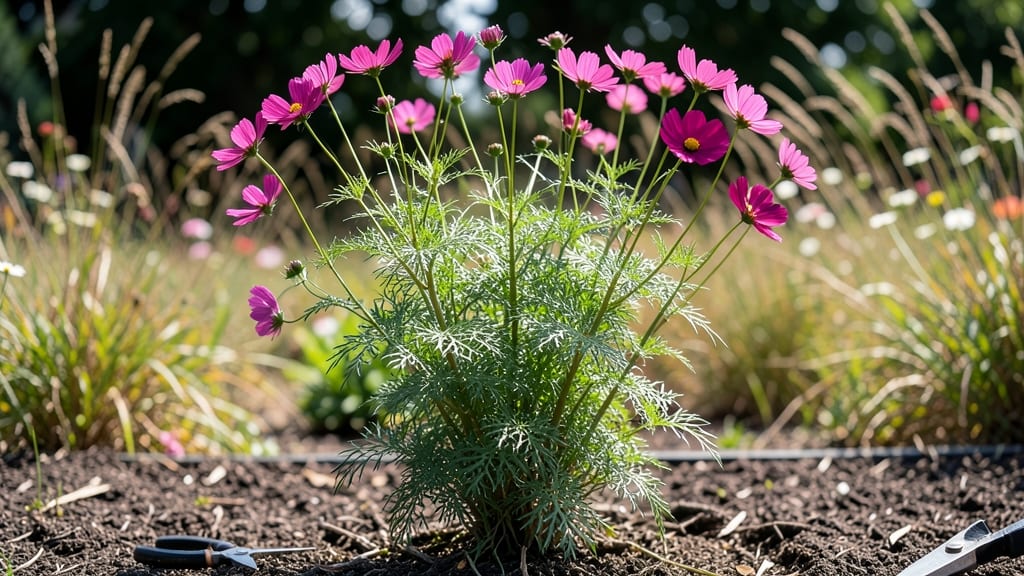
Wild cosmos flowers transform any garden into a buzzing, blooming paradise that thrives with minimal effort. 🌻 Their airy, feathery plumes create movement and texture, while their long bloom season—from summer through frost—delivers color when many gardens fade.
I’ve used them to soften edges, fill gaps, and attract pollinators in both formal and wild-style landscapes, and they never disappoint.
The secret to their effortless beauty lies in their adaptability: they thrive in poor soil, tolerate drought once established, and self-seed generously for next year’s display. Pair them with native grasses for height contrast or plant in drifts near shrubs to mimic a meadow’s natural flow.
Their delicate petals also make stunning cut flowers, lasting days in vases with minimal water.
What you’ll achieve is a garden that feels alive year-round—humming with bees, butterflies, and birds while requiring almost no maintenance. The flowers’ soft pink, white, and magenta hues shift with the light, creating a dreamy, ever-changing backdrop for other plants.
Best of all, they grow just as happily in containers or along fences as they do in open meadows.
Whether you’re designing a pollinator haven, a low-fuss border, or a wildflower meadow, wild cosmos deliver drama with simplicity. They’re the unsung hero of seasonal interest, proving that the most stunning gardens often grow from the easiest plants. Let’s bring that effortless charm to your space.
📚 In This Guide
- What you need
- Instructions
- Tips and common mistakes
- Wrapping up and next steps
What you need
- ● Wild cosmos seeds: 1 packet (50-100 seeds) – Choose Cosmos bipinnatus or Cosmos sulphureus for bold, long-lasting blooms.
- ● Well-draining potting soil: 1 bag (10-15 lbs) – Mix with perlite or sand for optimal aeration.
- ● Seed-starting trays or small pots: 6-12 units (3-4 inches deep) – Biodegradable pots are eco-friendly!
- ● Garden soil (for transplanting): 1 cubic yard – Amend with compost for nutrient-rich growth.
- ● Watering can or hose with a gentle spray nozzle: 1 unit – Cosmos hate soggy roots!
- ○ Fertilizer (optional but recommended): Balanced liquid fertilizer (10-10-10) – 1 bottle (16 oz)
- ● OR slow-release granular fertilizer – 1 lb
- ● Mulch (straw or shredded leaves): 1 bag (2-3 cubic feet) – Helps retain moisture and suppress weeds.
- ● Gloves: 1 pair – Protects hands from thorns and soil.
- ● Hand trowel or small shovel: 1 unit – For planting seeds and transplanting seedlings.
- ● Pruning shears: 1 pair – Essential for deadheading and shaping plants.
- ● Sunlight access: Full sun (6+ hours daily) – Cosmos thrive in warm, sunny spots.
- ● Spray bottle (for seedlings): 1 unit – Keeps soil moist without overwatering.
- ○ Stakes or cages (optional): 4-6 units – Supports taller varieties like Cosmos sulphureus.
- ● 🌡️ Temperature: Wait until soil is at least 50°F (10°C)—cosmos seeds won’t germinate in cold soil.
- ● ✨ Succession planting: Sow seeds every 2-3 weeks for continuous blooms.
- ● 🎯 Companion plants: Pair with marigolds or borage to repel pests naturally.
How to create a wild cosmos pollinator paradise
Here's how I turn a patch of soil into a buzzing, blooming haven that keeps bees and butterflies visiting all season.
🌱 Step 1: Choose Your Planting Location
Wild cosmos thrive in full sun, so pick a spot that gets at least 6-8 hours of direct sunlight daily. I always look for areas with good airflow—crowded spaces invite fungal diseases that can rot stems before they bloom. A slight slope helps with drainage, which cosmos appreciate.
Check the soil by digging down 4-6 inches—if it feels compacted or stays clumpy when wet, mix in 2-3 inches of compost to loosen it up. Cosmos aren't picky, but they'll reward you with bigger blooms if the soil drains well. Avoid low spots where water pools after rain.
🌿 Step 2: Prepare the Soil and Plant Seeds
Scatter seeds ¼ inch deep in rows 12-18 inches apart—they germinate easily and don't need transplanting. I like to sprinkle them lightly with the seed-starting mix (not garden soil) to keep them moist without burying them too deep. The reason? Cosmos seeds need light to germinate, and too much soil suffocates them.
Water gently with a fine mist until the soil surface looks evenly damp but not soggy. A heavy watering can will wash seeds away or bury them too deep. After planting, I mark the rows with small sticks to remember where they are—cosmos seedlings look like tiny weeds until they get their first true leaves.
☀️ Step 3: Provide Consistent Care for Fast Growth
Once seedlings appear in 7-14 days, thin them to 12-18 inches apart so they have room to spread. I use scissors to snip unwanted seedlings at soil level—this prevents disturbing the roots of the ones you're keeping. Leave the strongest, straightest stems; weak ones won't survive long in the competition for sunlight.
Water deeply once a week unless it rains, aiming for 1 inch of water total. You'll know it's enough when the soil feels dry 1-2 inches down—cosmos hate soggy roots but won't thrive if the soil dries out completely. Mulch with straw or shredded leaves to keep moisture in and weeds out.
✂️ Step 4: Encourage Continuous Blooming
Here's the thing—cosmos keep blooming if you deadhead regularly. When flowers fade, pinch off the spent blooms with your fingers or snip them with clean scissors. This redirects the plant's energy to producing new flowers instead of seeds. I do this every 2-3 days during peak bloom to keep the show going.
Don't skip this step (I learned the hard way). Left unchecked, cosmos self-seed aggressively, and you'll end up with a jungle of seedlings next season instead of the neat, colorful display you want. A little maintenance now means fewer weeds later.
🪴 Step 5: Support Pollinators Year-Round
Wild cosmos attract bees, butterflies, and hummingbirds from early summer through frost. To extend the season, I plant them in succession—sow a new batch every 2-3 weeks starting in late spring. This ensures fresh blooms appear as old ones fade, creating a nonstop buffet for pollinators.
Leave some spent flowers on the plants in late fall—they'll dry and provide winter food for birds. And here's a pro tip: If you live in a warm climate, cosmos often reseed themselves naturally. Just thin the volunteers in spring to keep them from taking over.
Tips & tricks for perfect wild cosmos gardens
Creating a thriving cosmos garden takes more than just planting seeds—it's about setting the stage for nature's pollinators to thrive. Here's what I've learned after years of watching these flowers transform my yard into a buzzing paradise.
Sunlight Strategy: While the instructions mention 6-8 hours of direct sunlight, I've found that cosmos actually perform best when planted in areas where they receive sunlight from early morning through mid-afternoon. This timing helps prevent afternoon wilting while still giving them plenty of light for robust growth. If your garden has afternoon shade, consider planting cosmos near taller plants that will provide morning sun exposure.
Seedling Success: The 7-14 day germination window can be tricky—especially if your soil stays too cool. I've had the most consistent results by covering newly planted seeds with a thin layer of clear plastic wrap for the first 3-4 days. This creates a mini greenhouse effect that helps maintain moisture and warmth. Just remember to remove it once you see sprouts to prevent fungal growth. The seedlings will appreciate the extra care before they're strong enough to fend for themselves.
Watering Wisdom: That 1-inch weekly watering guideline works perfectly in most climates, but I've learned to adjust based on your soil type. Sandy soils dry out faster, so you might need to water every 5-6 days instead of weekly. On the other hand, clay soils hold moisture longer—you can stretch to 10 days between waterings. Always check that 1-2 inch soil depth before watering again, as this is where the roots are actively growing.
Deadheading Discipline: The 2-3 day deadheading schedule during peak bloom is non-negotiable if you want continuous flowers. Here's my secret: I set a timer on my phone for every 3 days when the flowers are in full bloom. This reminds me to do the quick pinch-off before the flowers even start to look tired. The key is to remove the entire flower head down to the first set of leaves—this prevents any chance of self-seeding while you're trying to maintain your neat garden design.
Pro Tips for Wild Cosmos Flowers
- Creating a thriving cosmos garden takes more than just planting seeds—it's about setting the stage for nature's pollinators to thrive.
- Sunlight Strategy: While the instructions mention 6-8 hours of direct sunlight, I've found that cosmos actually perform best when planted in areas where they receive sunlight from early morning through mid-afternoon.
- Seedling Success: The 7-14 day germination window can be tricky—especially if your soil stays too cool.
Frequently asked questions
Got questions about growing and enjoying wild cosmos flowers? You’re not alone!
Here are answers to the most common queries to help you create a pollinator paradise with ease.
When is the best time to plant wild cosmos flowers for year-round color?
For year-round blooms, plant cosmos seeds in early spring (after the last frost) and again in late summer (August-September). This staggered approach ensures continuous flowering from late spring through frost. In warmer climates, cosmos may even reseed naturally, giving you extra bursts of color!
How do I attract more pollinators like bees and butterflies to my cosmos?
Cosmos are already pollinator magnets, but you can boost their appeal by:
- Planting in full sun (6+ hours daily)—pollinators love easy access!
- Avoiding pesticides (neonicotinoids are especially harmful).
- Adding companion plants like sunflowers, zinnias, or lavender for variety.
- Leaving some flowers to go to seed—bees adore the extra protein!
Can I grow wild cosmos in containers, or do they need a garden bed?
Cosmos thrive in containers as long as the pot is at least 12 inches deep and has drainage holes. Use well-draining soil and fertilize lightly (they’re low-maintenance!). For bushier plants, pinch back tips early on. Just avoid overcrowding—space 6–12 inches apart.
Do wild cosmos survive winter, or do I need to replant every year?
In USDA Zones 8–11, cosmos may self-seed and return year after year. In colder zones (under 7), treat them as annuals—they’ll die back in frost but reseed prolifically if left standing. For guaranteed blooms, sow fresh seeds each spring.
How can I use cosmos flowers beyond the garden (e.g., bouquets, cooking)?strong>
Cosmos add cheerful color to:
- Floral arrangements: Their airy blooms pair well with dahlias, snapdragons, or eucalyptus.
- Edible garnishes: Petals are non-toxic and add a mild, slightly tangy flavor to salads or cocktails (use sparingly!)
- Dried flowers: Hang upside-down in bundles to preserve their shape for winter decor.
Why aren’t my cosmos blooming, even though they have lots of leaves?
Lack of flowers usually means:
- Too much nitrogen (use a low-nitrogen fertilizer or compost instead).
- Overcrowding—thin seedlings to 12–18 inches apart for better airflow.
- Leggy stems? They need more sun (cosmos wilt in shade).
- Deadheading spent blooms encourages more flowers!
Wrapping up and next steps
Transforming your garden into a pollinator paradise with wild cosmos flowers isn’t just rewarding—it’s a celebration of nature’s beauty and resilience! 🌸 These vibrant blooms bring year-round color, support local ecosystems, and require minimal effort to thrive.
Whether you’re a seasoned gardener or just starting, every seed planted today is a step toward a brighter, buzzing tomorrow.
Ready to dive in? Start small—pick a sunny spot, gather your supplies, and sow those seeds. Watch as your garden becomes a haven for bees, butterflies, and birds, all while adding a splash of effortless charm to your outdoor space. Your wild cosmos adventure awaits!