
Flowers
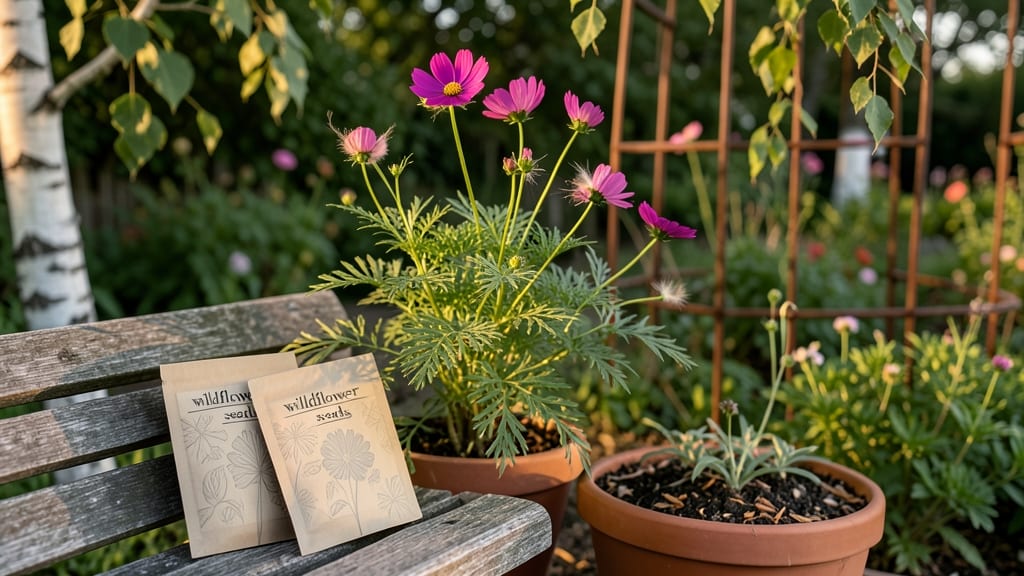
Planting wildflower seeds in the Pacific Northwest isn’t just gardening—it’s creating a buzzing, blooming ecosystem that hums with life. 🌿 The key starts with choosing seeds native to your region, which thrive with minimal fuss and attract bees, butterflies, and hummingbirds that store-bought mixes often ignore.
My first attempt with non-native seeds left me with patchy blooms and frustrated pollinators, but switching to Pacific Northwest natives transformed my yard into a magnet for wildlife.
You’ll need just three things to get started: well-draining soil, a sunny spot (at least 6 hours of sunlight daily), and a gentle touch when sowing. Scatter seeds in late summer or early fall for the best results—they germinate slowly and need consistent moisture to establish roots.
The soil should be loose and free of weeds, so a quick raking before planting makes all the difference. Think of it like preparing a cozy nest for tiny plants to wake up in.
Within weeks, you’ll see delicate green shoots pushing through the soil, and by next spring, your garden will burst with vibrant blooms in shades of purple, yellow, and white.
The real magic happens when monarchs flutter past or bees dive into the flowers—it’s a living, breathing garden that does more than just look pretty. Maintenance is simple: water lightly after planting, then let nature take over.
This method works for urban balconies, rural fields, or anywhere between—just adjust the scale. The Pacific Northwest’s mild winters mean many wildflowers reseed themselves year after year, so once established, your pollinator paradise keeps giving.
Ready to turn your space into a haven for wildlife? Let’s get those seeds in the ground.
📚 In This Guide
- What you need
- Instructions
- Tips and common mistakes
- Wrapping up and next steps
What you need
- ● Wildflower seeds: Choose native PNW varieties like Lupinus (lupine), Eschscholzia (California poppy), Achillea (yarrow), or Camassia (camas). Aim for 1-2 lbs per 100 sq ft for a vibrant mix.
- ● Garden soil: Well-draining, slightly sandy loam (PNW’s acidic soil is ideal for many natives). Amend with compost if your soil is heavy clay.
- ● Watering can or hose: With a gentle spray nozzle to avoid displacing seeds.
- ● Garden gloves: To protect your hands from prickly stems or thorns.
- ● Rake or hoe: For light soil prep (avoid deep tilling—wildflowers thrive in undisturbed soil!).
- ○ Mulch (optional): Straw or wood chips to retain moisture and suppress weeds.
- ● Seedling trays or biodegradable pots: For starting seeds indoors (6-8 weeks before last frost).
- ● Seed starter soil: Lightweight mix for indoor germination.
- ● Pollinator-friendly markers: Stakes or flags to label seed types.
- ● Wildlife camera (fun!): To watch bees, butterflies, and hummingbirds visit your garden.
- ● Native plant guidebook: For PNW-specific care tips (e.g., Pacific Northwest Wildflowers by Alana Akhtar).
Step-by-step instructions for planting wildflower seeds in the Pacific Northwest
Here's how to create a thriving pollinator haven from scratch—even if you're new to wildflower gardening.
🌱 Step 1: Choose the Right Wildflower Mix for Your Site
Pick a Pacific Northwest-specific wildflower blend designed for your light conditions—whether it's full sun (6+ hours), partial shade (3-6 hours), or full shade (less than 3 hours). I always check the seed packet for native species like lupine, yarrow, or checkermallow, which attract bees and butterflies while thriving in our damp climate.
If you're planting in a dry, sunny spot, opt for drought-tolerant varieties like goldenrod or blanket flower. For moist, shady areas, look for foxglove or columbine. The right mix ensures your garden supports local pollinators while matching your site's natural conditions.
🪴 Step 2: Prepare the Soil and Planting Area
Clear the area of weeds and loosen the top 4-6 inches of soil with a rake or hoe. Wildflowers don’t need rich soil—they thrive in poor, rocky ground—but they do need good drainage. If your soil stays soggy, mix in 1-2 inches of coarse sand or perlite to improve airflow.
For best results, scatter seeds thinly—about 1/8 teaspoon per square foot—since wildflower seeds are tiny and germinate best when not crowded. Lightly press them into the soil with a board or your foot, then cover with no more than 1/4 inch of soil (or just a sprinkle of mulch). Over-deep planting can delay germination.
☀️ Step 3: Water and Maintain Until Germination
Keep the soil consistently moist (not soggy) for the first 4-6 weeks—this is critical for tiny seeds. I use a gentle misting from a hose or watering can to avoid washing seeds away. Once seedlings appear, reduce watering to once a week unless your area is unusually dry.
Watch for first true leaves (not the tiny seed leaves) to appear in 2-4 weeks, depending on the species. This is your cue that germination is successful. After that, wildflowers are tough—let nature take over. Just avoid foot traffic until plants are 4-6 inches tall to prevent damage.
✂️ Step 4: Let Them Grow and Support Pollinators
Once established, wildflowers need minimal care. Deadhead spent blooms in late summer to encourage a second flush of flowers, but leave some seed heads for birds and late-season pollinators. I always leave a few patches untouched—goldfinches and chickadees love the seeds!
By second year, your garden will burst with color and activity. Native wildflowers like lupine and penstemon are magnets for bumblebees, monarchs, and hummingbirds. If you notice fewer visitors, add a small water source (like a shallow dish) nearby—pollinators need water too!
Tips & tricks for planting wildflower seeds in the Pacific Northwest
Creating a pollinator paradise starts with these simple but powerful tricks that'll make all the difference between a patchy garden and a thriving ecosystem.
Site Selection Secret: Pay close attention to the light conditions in your specific spot. The Pacific Northwest's variable weather means full sun areas (6+ hours) can actually be cooler than you expect—test your site for a full season before planting. I always mark potential planting spots with flags during summer to track sunlight patterns accurately. This ensures you choose the right wildflower mix from the start, avoiding disappointment when delicate shade-loving species fail in unexpected sun.
Soil Prep Pro Tip: Don't overlook the drainage test! Dig a small hole in your prepared area, fill it with water, and time how long it takes to drain. If it takes more than 30 minutes, you'll need that extra 1-2 inches of coarse sand or perlite mentioned in Step 2. I've seen too many wildflower gardens fail because soggy soil smothers those tiny seeds before they even get a chance. This simple test can save you from replanting later.
Germination Guardian: When you're keeping soil consistently moist for those critical first 4-6 weeks, think "damp sponge" not "swamp." Use a spray bottle or gentle misting wand to water in the morning—this prevents fungal issues while keeping seeds hydrated. I set a reminder on my phone for daily checks, especially during our famously unpredictable PNW weather. The goal is to mimic spring rain showers without creating puddles that could wash seeds away.
Long-Term Strategy: Mark your planting area with biodegradable flags or stakes before scattering seeds. This helps you track progress and avoid disturbing seedlings when they're just 4-6 inches tall. I've used everything from bamboo skewers to painted rocks to mark my plots—whatever works for your garden style. This simple step prevents accidental trampling and makes maintenance much easier as your pollinator haven grows.
Pro Tips for Wild Flowers Seeds
- Creating a pollinator paradise starts with these simple but powerful tricks that'll make all the difference between a patchy garden and a thriving ecosystem.
- Site Selection Secret: Pay close attention to the light conditions in your specific spot.
- Soil Prep Pro Tip: Don't overlook the drainage test!
Frequently asked questions
Got questions about growing wildflower seeds in the Pacific Northwest?
You’re not alone! Here are some of the most common queries—plus straightforward answers to help you create a buzzing, blooming paradise.
When is the best time to plant wildflower seeds in the PNW?
The ideal window is late summer to early fall (August–October) for most wildflower mixes. This timing lets seeds germinate before winter, giving them a head start in spring. For spring planting, sow seeds in March–April—just be prepared for slower initial growth. Pro tip: Check your seed packet for regional specifics, as some varieties (like lupines or penstemons) thrive with a cold stratification period!
How long does it take for wildflower seeds to sprout and bloom?
Germination can take anywhere from 7 days to several months, depending on the species and weather. Most wildflowers bloom in their first or second year—some, like California poppies, may surprise you with early spring blooms, while others (like yarrow) take until summer. Patience is key! Fun fact: Some seeds lie dormant for years, waiting for perfect conditions—nature’s way of ensuring diversity.
Do wildflower seeds need constant watering, or are they drought-tolerant?
Once established, most PNW wildflowers are drought-tolerant—that’s part of their charm! However, keep soil moist (but not soggy) for the first 4–6 weeks to help seeds germinate. After that, occasional deep watering (every 1–2 weeks) during dry spells will keep them thriving. Troubleshooting: If seedlings wilt, they’re likely thirsty—give them a drink and mulch lightly to retain moisture.
Will wildflowers attract bees and butterflies, or just “weeds”?
A well-chosen wildflower mix (especially native PNW varieties like beebalm, goldenrod, or violet) is a magnet for pollinators. To minimize “weeds,” opt for certified wildflower blends or native seed mixes—these exclude invasive species. Bonus: Avoid pesticides, as they harm bees and butterflies. Within a season, you’ll see a flurry of activity—it’s like a tiny, fluttering ecosystem!
What if my wildflowers don’t grow? Troubleshooting tips.
Don’t fret—here’s a quick checklist:
Poor soil? Amend with compost or use a light topsoil layer.
Too much shade? Most wildflowers need at least 4–6 hours of sun daily.
Birds ate the seeds? Try scattering seeds more densely or using a light mesh until germination.
Fungal issues? Avoid overwatering and ensure good drainage.
Last resort: Try a new spot or mix—some areas just need the right conditions to unlock wildflower magic.
Wrapping up and next steps
Transforming your Pacific Northwest garden into a buzzing pollinator paradise is easier than you think—just plant those wildflower seeds! 🌸 With the right species, soil prep, and a little patience, you’ll soon enjoy vibrant blooms that support bees, butterflies, and hummingbirds. Every seed sown is a step toward a healthier ecosystem and a more beautiful landscape.
Ready to dive in? Start small—pick a sunny spot, grab your seeds, and let nature do the rest. Your garden (and the pollinators!) will thank you. 🐝✨