
Landscaping
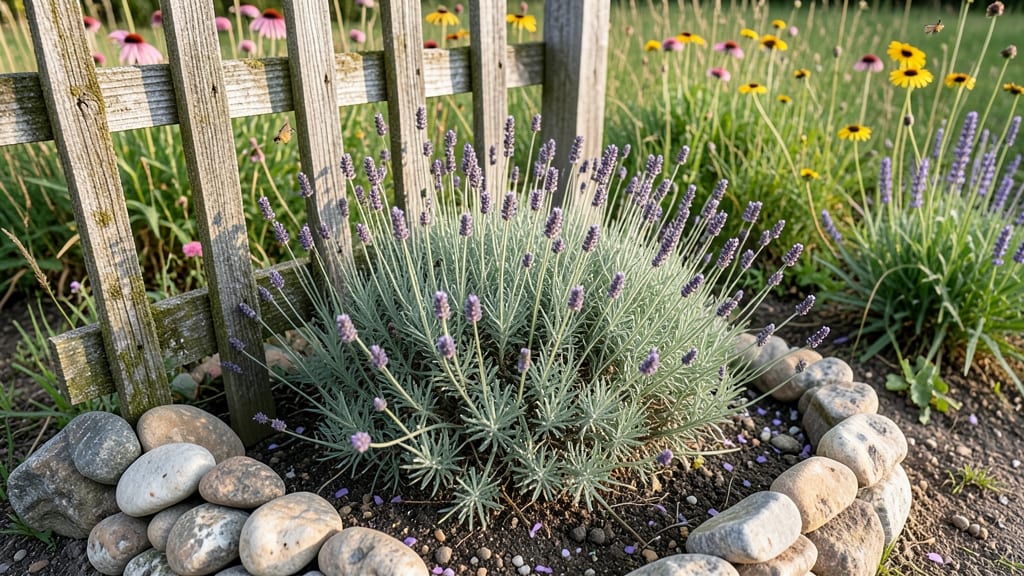
Designing a wildflower garden that buzzes with life all year isn’t just possible—it’s easier than you think. 🌸 I started mine after watching bees struggle to find food in my neighbors’ manicured lawns, and now my yard is a magnet for pollinators while needing less water and care than traditional gardens.
The secret lies in layering plants by bloom time and height—tall coneflowers in back, medium milkweed in the middle, and low-growing clover up front. Native plants do most of the work, thriving with minimal soil prep and zero pesticides.
My first year cost me just $80 for seeds and a weekend of planting, and the results were immediate: butterflies, hummingbirds, and flowers from spring to frost.
You’ll end up with a garden that’s always in bloom, requires less mowing, and supports local ecosystems. The colors shift naturally—purples in spring, whites and yellows in summer, and fiery reds in fall—while the soil stays healthy and the maintenance stays light. Even my black thumb can’t kill this combination.
Works in city yards, rural fields, or anything in between. Let’s make your space a pollinator paradise without the fuss of a formal garden.
📚 In This Guide
- What you need
- Instructions
- Tips and common mistakes
- Wrapping up and next steps
What you need
- ● Wildflower seeds: Choose a mix of native species (e.g., Echinacea, Rudbeckia, Coreopsis, Black-eyed Susan). Aim for 1-2 lbs per 100 sq ft for optimal coverage.
- ● Native soil: Well-draining, slightly acidic to neutral (pH 6.0–7.5). Amend with compost (1-2 inches) if your soil is heavy or clay-like.
- ● Mulch: Organic mulch (e.g., straw or wood chips, 2-3 inches thick) to retain moisture and suppress weeds.
- ● Watering system: Drip irrigation or a soaker hose for consistent moisture (especially critical for the first 2-3 weeks after planting).
- ● Garden gloves (1 pair) – Protect your hands from thorns and dirt.
- ● Hand trowel or transplanting spade – For digging small holes or moving seedlings.
- ● Rake – To level soil and remove debris (8-12 inch teeth work best).
- ● Hoe – For weeding and breaking up compacted soil.
- ○ Wheelbarrow – For hauling soil, mulch, or tools (optional but helpful for larger areas).
- ● Measuring tape – To mark out garden beds accurately.
- ● Spray bottle or watering can – For gentle watering post-planting.
- ● Pollinator-friendly perennials: Add Lavender, Salvia, or Coneflower for extra color and nectar.
- ● Rocks or edging: Define garden borders for a polished look.
- ● Bird feeders or baths: Attract additional wildlife to your ecosystem.
- ● Wildflower seed bombs: Pre-mixed seed balls for easy planting in tricky spots.
- ● Garden journal: Track blooming seasons and plant performance!
How to design a wildflower garden that blooms all year
Here's the simple approach I use to create vibrant, low-maintenance pollinator havens.
🌱 Step 1: Choose Your Location and Sun Exposure
Scan your yard for areas with 6+ hours of sun—wildflowers thrive where they get plenty of light. I always check sunlight patterns for at least 2 weeks before planting, marking spots with flags to track which areas stay sunlit the longest. South-facing slopes or open meadows are ideal, but even partial sun works for shade-tolerant varieties like Lupinus perennis (lupine) or Asclepias syriaca (common milkweed).
Watch for microclimates: Areas near buildings or fences may stay cooler, while open spaces dry out faster. Note where morning sun gives way to afternoon shade—this helps determine which wildflowers will flourish where. The goal is to match each plant's natural habitat preferences to your garden's conditions.
☀️ Step 2: Layer Plants by Bloom Time and Height
Start with 3 height zones: tall backdrops (4-6 feet), mid-height accents (2-3 feet), and low ground covers (under 1 foot). I like to place taller species like Rudbeckia hirta (black-eyed Susan) or Echinacea purpurea (coneflower) at the back, with medium-height Salvia nemorosa (meadow sage) in the middle, and low Coreopsis lanceolata (lanceleaf coreopsis) up front. This creates depth and prevents leggy growth from shading out smaller plants.
Plan for sequential blooming so color never fades. Early spring bloomers like Phlox subulata (creeping phlox) should lead into summer favorites like Liatris spicata (blazing star), which then transition to fall's Solidago spp. (goldenrod). I sketch a simple timeline on graph paper, marking each plant's bloom period to ensure continuous color.
💧 Step 3: Prepare the Soil and Plant Strategically
Wildflowers prefer well-draining soil, so avoid heavy clay areas unless you're planting natives adapted to those conditions. I typically loosen the top 6 inches of soil with a broadfork, removing any weeds or grass that might compete with seedlings. For poor soil, mix in 2 inches of compost—just enough to improve drainage without smothering wildflower roots.
Plant in clusters of 3-5 plants per species to create natural-looking drifts. Space them 12-18 inches apart, depending on mature size. I like to use a simple grid system: Mark planting rows with string, then scatter seeds or transplants within those rows. This keeps things organized while mimicking nature's randomness.
✂️ Step 4: Maintain with Minimal Effort
Water deeply once a week for the first 2 months to establish roots, then let nature take over. Wildflowers are drought-tolerant once established, but they need consistent moisture to survive their first summer. I set a reminder to check soil moisture by sticking my finger 2 inches deep—if it's dry, water slowly until moisture reaches that depth.
Skip the mower until late fall. Let seed heads stand through winter—they provide food for birds and shelter for beneficial insects. I do cut back dead growth in early spring, but only after I've spotted any emerging foliage. This simple step ensures next year's blooms will be even more spectacular.
Tips & tricks for perfect wildflower garden design
Creating a vibrant wildflower garden that thrives year-round takes a few strategic moves—here's how to make it effortless and stunning.
Location Intelligence: In Step 1, when you're assessing sun exposure, don't just eyeball it—use a small whiteboard or chalkboard to map your yard's sunlight patterns for those 2 weeks. I mark each area with flags at different times of day: morning sun (yellow), afternoon sun (red), and full sun (green). This visual guide helps you match wildflowers to their perfect spot, especially for shade-tolerant varieties like Lupinus perennis that need just a few hours of light.
Plant Layering Secret: For Step 2's height zones, I recommend adding a fourth "vertical" layer—tall grasses like Miscanthus sinensis or Panicum virgatum (optional) that can reach 6-8 feet. These create dramatic backdrops while providing habitat for birds. When planting your 3-5 clusters, leave the outer plants slightly closer together (12 inches) and the inner ones spaced wider (18 inches) to create that natural wildflower drift effect that looks so effortless.
Soil Prep Shortcut: In Step 3, if you're working with heavy clay soil, mix in 1 part sand to 2 parts compost in that 6-inch layer—this creates perfect drainage while still holding moisture. I also add a handful of mycorrhizal fungi (available at garden centers) to help wildflower roots establish faster. This is especially helpful if you're planting natives that have specific soil requirements.
Watering Wisdom: For Step 4's watering routine, set up a simple rain gauge near your garden to track precipitation. If you get more than 1 inch of rain in a week, you can skip that watering. I also recommend using drip irrigation on a timer for the first 2 months—it delivers water right to the roots without wetting the leaves, which helps prevent fungal issues in humid climates.
Pro Tips for Wildflower Garden Design
- Creating a vibrant wildflower garden that thrives year-round takes a few strategic moves—here's how to make it effortless and stunning.
- Location Intelligence: In Step 1, when you're assessing sun exposure, don't just eyeball it—use a small whiteboard or chalkboard to map your yard's sunlight patterns for those 2 weeks.
- Plant Layering Secret: For Step 2's height zones, I recommend adding a fourth "vertical" layer—tall grasses like Miscanthus sinensis or Panicum virgatum (optional) that can reach 6-8 feet.
Frequently asked questions
Got questions about crafting your dream wildflower garden? Here are answers to the most common ones—so you can design with confidence!
How do I choose wildflowers that thrive in my climate?
Start by checking your USDA Hardiness Zone (find yours here) and pick native species suited to your region. For example, Black-eyed Susans (Zone 3–9) or Coneflowers (Zone 3–11) are hardy choices. Local nurseries or native plant societies can offer tailored recommendations!
When is the best time to plant wildflower seeds?
For most wildflowers, late summer to early fall (August–September) is ideal—seeds germinate in cool weather and establish roots before winter. Spring planting also works, but avoid extreme heat. Perennials may take 1–2 years to fully bloom, so patience pays off!
Do wildflowers need a lot of water once established?
Once rooted, many wildflowers are drought-tolerant! Water deeply once a week during the first growing season, then taper off. Mulch lightly (with straw or leaves) to retain moisture. Overwatering can harm delicate roots—let nature do the work after the first year.
Will wildflowers attract pests like ticks or mosquitoes?
Wildflowers attract pollinators (bees, butterflies), not pests! To minimize mosquitoes, avoid stagnant water near your garden. Ticks thrive in tall grass—keep your wildflower area mowed to 4–6 inches and add gravel paths for easy access. Native plants also support beneficial predators that keep pests in check.
Can I mix wildflowers with other plants, like vegetables or shrubs?
Wildflowers pair beautifully with companion plants. Try interplanting them with herbs (thyme, lavender), vegetables (carrots, lettuce), or shrubs (butterfly bush). Just avoid overcrowding—wildflowers need space to spread. A 3:1 ratio (wildflowers to other plants) works well for balanced beauty.
What’s the easiest way to maintain a wildflower garden?
Minimal upkeep is the magic of wildflowers! Here’s the routine:
- Spring: Lightly rake to remove debris (but don’t over-tidy!).
- Summer: Deadhead spent blooms to encourage reblooming (optional).
- Fall/Winter: Leave seed heads for wildlife—birds and bees love them!
Wrapping up and next steps
Designing a wildflower garden isn’t just about beauty—it’s about creating a thriving ecosystem that supports pollinators and brings joy year-round. 🌸 From selecting native species to layering colors and textures, every choice matters in crafting a low-maintenance, vibrant space.
Whether you're a beginner or a seasoned gardener, the key is to start small, experiment fearlessly, and let nature do the rest!
Ready to transform your outdoor space? Pick one section of your yard, gather your tools, and begin planting this weekend! Your pollinator pals—and future visitors—will thank you. 🐝✨