
Landscaping
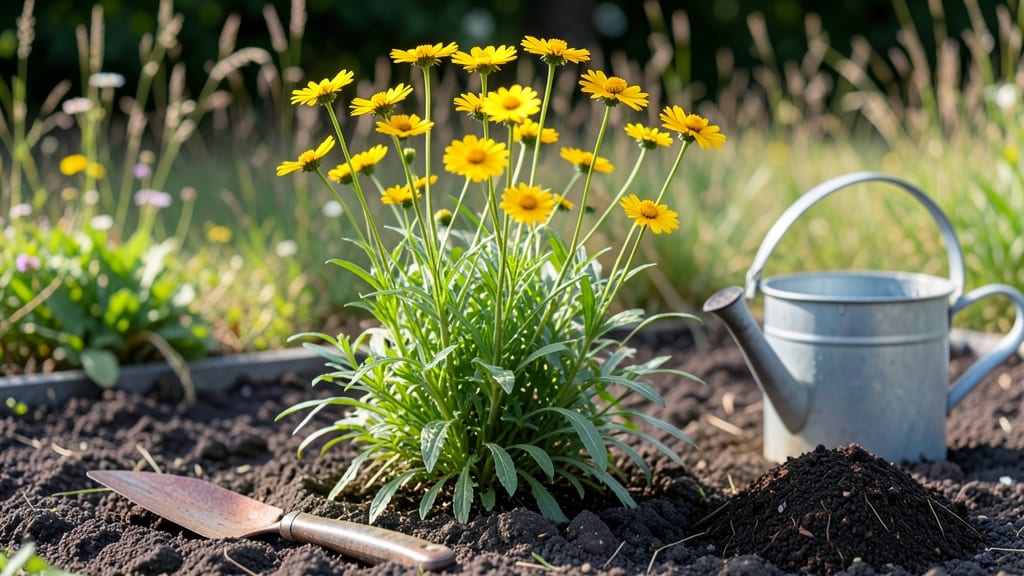
A wildflower patch in your yard transforms dull corners into a buzzing, blooming paradise that never stops giving. 🌼 I’ll never forget the first time I saw monarch butterflies fluttering through my patch—it felt like I’d unlocked a secret garden.
The best part? You don’t need a green thumb or acres of land to make it happen.
Start by picking native wildflowers for your climate—they thrive with minimal fuss and support local pollinators. A sunny, open spot with poor soil? Perfect. Shady edges or rocky ground? Still works. The key is clearing weeds, loosening the top 6 inches of soil, and mixing in compost.
Plant seeds in late summer or early fall for the best germination, and within weeks, you’ll see tiny sprouts popping up.
By spring, your patch will burst into color—purple coneflowers, golden black-eyed Susans, and delicate blue lupines—while bees, butterflies, and hummingbirds turn it into their favorite stopover. The flowers return year after year, and the less you fuss, the more they flourish. Even drought-tolerant varieties stay vibrant through summer heat.
Whether you dream of a cottage-garden charm, a minimalist meadow, or a pollinator powerhouse, this project adapts to any style. Let’s turn your yard into a living, breathing ecosystem—one seed at a time.
📚 In This Guide
- What you need
- Instructions
- Tips and common mistakes
- Wrapping up and next steps
What you need
- ● Wildflower seeds: Choose a native seed mix (e.g., 1–2 lbs per 100 sq ft). Look for low-maintenance blends like Black-eyed Susan, Coneflower, or Milkweed.
- ● Soil: Loamy, well-draining topsoil (2–3 inches deep). Test soil pH (aim for 6.0–7.5).
- ● Water source: Hose or sprinkler with a gentle spray nozzle (for consistent moisture).
- ○ Compost or fertilizer (optional but helpful): Slow-release organic fertilizer (e.g., 10-10-10) or compost (1–2 inches mixed into soil).
- ○ Mulch (optional): Straw or shredded leaves (1 inch thick) to retain moisture and suppress weeds.
- ● Garden rake or hand fork (for loosening soil).
- ● Garden hoe or trowel (for weeding and planting).
- ● Gloves (to protect hands from thorns or rough soil).
- ● Measuring tape or string + stakes (to mark your patch’s boundaries).
- ● Watering can or spray bottle (for seedling care).
- ● Native plants: Add perennials like Goldenrod or Bee Balm for long-term color.
- ● Rocks or borders: Decorative stones to define edges and deter foot traffic.
- ● Bird feeders or baths: To attract even more wildlife!
- ● Drip irrigation system: For hands-off watering (great for larger patches).
How to create a thriving wildflower patch in your yard
Here's how to turn your yard into a buzzing, blooming haven for pollinators—no green thumb required!
🌱 Step 1: Choose the Perfect Location
Pick a spot with at least 6 hours of sunlight daily—most wildflowers thrive in full sun but tolerate partial shade. Avoid areas where water pools after rain, as soggy soil invites rot. I like to test locations by observing where clover or dandelions already grow—they’re nature’s way of telling you the conditions are right.
Clear any existing grass or weeds in a 4-foot by 4-foot area (or larger if you want a bigger patch). Use a hoe or string trimmer for stubborn roots. The key is exposing bare soil so wildflower seeds can make direct contact with the earth. Here's the thing—don't worry about perfect edges. Wildflower patches look best when they blend naturally into the landscape.
🌿 Step 2: Prepare the Soil for Success
Loosen the top 2-3 inches of soil with a garden fork or tiller to break up compacted layers. This helps roots establish quickly. If your soil is heavy clay or very sandy, mix in 2 inches of compost from your list to improve drainage and fertility. I like to rake the area smooth afterward so seeds have an even surface to land on.
Skip the fertilizer—wildflowers prefer lean soil. Over-fertilizing encourages fast, weak growth that flops over. Instead, lightly scratch the soil with a rake to create tiny furrows where seeds can nestle. This mimics natural conditions where seeds settle into disturbed soil after a storm or animal activity.
💧 Step 3: Plant Your Wildflower Seeds
Scatter seeds evenly over the prepared area, using about 1/4 pound per 100 square feet. Lightly press them into the soil with your hand or a board—just enough to cover them with a thin layer of dirt (about 1/8 inch deep). Don't bury them too deeply or they won't germinate. I like to walk backward while scattering to avoid clumping seeds in one spot.
Water gently but thoroughly right after planting to settle the seeds. Use a sprinkler set on a fine mist for 10-15 minutes until the soil looks damp but not soaked. After that, only water when the top inch of soil feels dry to the touch. Overwatering at this stage can wash seeds away or cause them to rot.
☀️ Step 4: Maintain Your Pollinator Paradise
Once seedlings appear (usually in 2-4 weeks), reduce watering to once a week unless you're in a drought. Wildflowers are tough—they're used to surviving on rainfall alone. Let the soil dry out between waterings to prevent fungal diseases that love damp conditions.
Leave the flowers in place until they naturally fade and drop seeds. This ensures your patch self-seeds for years to come. When you do see spent blooms, simply cut them back to 2-3 inches above the ground in early fall. This keeps the area tidy while allowing new growth to emerge in spring.
⏰ Step 5: Enjoy Year-Round Benefits
Your patch will start blooming in 6-8 weeks if planted in early spring, with colors lasting through fall. In winter, dried seed heads provide food for birds, and the bare stems offer shelter for beneficial insects. Real talk: The first year might be spotty, but by year two, your yard will be a pollinator magnet.
To keep it thriving, add a 1-inch layer of mulch in early spring each year. This retains moisture, suppresses weeds, and slowly enriches the soil. Watch for bees, butterflies, and hummingbirds—they'll tell you when you've done it right!
Tips & tricks for perfect wildflower patch in yard
Turn your yard into a pollinator paradise with these insider tricks that'll make all the difference!
Location Intelligence: Scout your yard for natural indicators like clover or dandelions—they're nature's way of showing you where wildflowers will thrive. I've found that south- or west-facing spots get the most consistent sunlight, which is crucial for those 6 hours of sun we need. Avoid low-lying areas where water pools after rain, as soggy soil can rot seeds before they even sprout.
Soil Prep Strategy: When loosening the top 2-3 inches of soil, think of it like fluffing a pillow—you want to create a cozy environment for those tiny seeds. If your soil is particularly heavy clay or sandy, mix in that 2 inches of compost to improve drainage and fertility without overdoing it. The key is creating a loose, crumbly texture that mimics natural conditions after a disturbance.
Seed Planting Hack: For even distribution when scattering your 1/4 pound per 100 square feet of seeds, try this: measure out your seeds in small batches and toss them from a height of about 12 inches while walking backward. This creates a more natural, even spread than just scattering from above. After pressing them in with just a thin layer of dirt (about 1/8 inch deep), give the area a gentle pat with your hands to ensure good seed-to-soil contact.
Watering Wisdom: That 10-15 minutes of gentle watering right after planting is critical—think of it as giving your seeds their first drink of water. Use a fine mist setting on your sprinkler to avoid disturbing the seeds. After planting, only water when the top inch of soil feels dry to the touch. Wildflowers are tough and adapted to survive on rainfall alone once established.
Pro Tips for Wildflower Patch In Yard
- Turn your yard into a pollinator paradise with these insider tricks that'll make all the difference!
- Location Intelligence: Scout your yard for natural indicators like clover or dandelions—they're nature's way of showing you where wildflowers will thrive.
- Soil Prep Strategy: When loosening the top 2-3 inches of soil, think of it like fluffing a pillow—you want to create a cozy environment for those tiny seeds.
Frequently asked questions
How do I keep weeds from taking over my wildflower patch?
Weeds are tough but not impossible to manage! Start with thick planting—wildflowers outcompete weeds when densely sown. Use mulch (straw or wood chips) to block sunlight, and spot-treat weeds early with a hoe or vinegar spray. Avoid herbicides, as they harm pollinators.
When is the best time to plant wildflowers for year-round blooms?
For spring bloomers, plant in late fall (October–November) so seeds germinate early. For summer/fall color, sow in early spring (March–April). Native wildflowers often self-seed, so a little patience pays off—some varieties bloom in their first year, while others wait until the second!
Are wildflower patches expensive to maintain?
Not at all! Once established, wildflowers are low-cost champions. Skip fertilizers (they encourage weeds), reduce watering after the first year, and enjoy zero mowing. Initial costs cover seeds, soil prep, and mulch—but the payoff is free beauty and pollinator support for years.
Will wildflowers attract pests like mosquitoes or rodents?
Wildflowers rarely attract pests if you choose the right mix. Stick to native species (they support local pollinators, not invasive ones) and avoid stagnant water sources. Mosquitoes thrive in standing water, but wildflowers don’t create it. Rodents? They might nibble seeds, but a chicken wire barrier solves that easily!
Can I grow wildflowers in containers or small spaces?
Use deep pots (12+ inches) with well-draining soil and plant compact varieties like lobelia, black-eyed Susans, or alyssum. Place containers in sunny spots and water consistently until roots establish. Balconies, patios, and even window boxes work—just ensure they get 6+ hours of sunlight daily.
Do wildflowers survive harsh winters?
Many do! Native perennials (like coneflowers or bee balm) return yearly, while annuals (e.g., cosmos) reseed naturally. In cold climates, mulch heavily (3–4 inches) to protect roots. If your area gets extreme freezes, choose hardy species labeled for your USDA zone.
Wrapping up and next steps
Creating a wildflower patch in your yard isn’t just about adding beauty—it’s a gift to pollinators and a joy for you year-round! 🌸 With the right mix of native seeds, sunlight, and care, you’ll enjoy vibrant blooms, a thriving ecosystem, and a low-maintenance landscape that keeps giving.
Whether you’re a beginner or a seasoned gardener, every patch makes a difference.
Ready to transform your space? Start small—pick a sunny spot, gather your supplies, and plant your first seeds this weekend. Watch as your yard becomes a buzzing paradise, one wildflower at a time! 🐝✨