
Planting
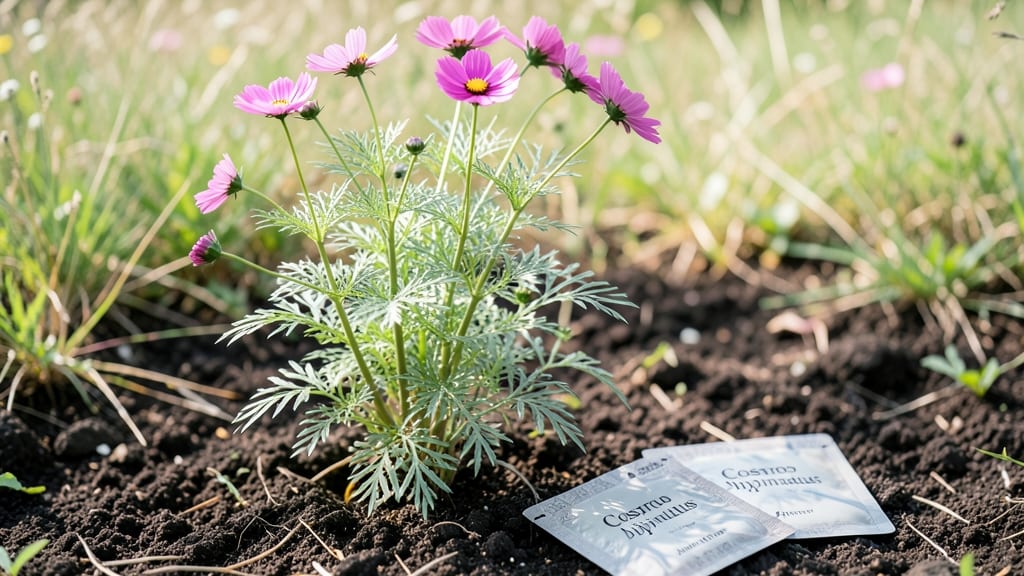
Wildflower seed packets transform bare ground into a buzzing, blooming paradise—no green thumb required. 🌸 I’ve planted mine in everything from cracked concrete to wild meadows, and the results never fail to surprise me: hummingbirds, butterflies, and bees showing up within weeks.
The key isn’t fancy tools or perfect timing, but understanding how these tiny seeds need just the right conditions to wake up.
Start with the right mix for your climate and sunlight—sun-loving blends for open spaces, shade-tolerant ones for woodland edges. Scatter seeds in late summer or early fall for a spring surprise, or plant in spring if your area has mild winters.
A light rake pass and gentle press-in are all it takes before nature does the rest. Most seeds germinate within 7–30 days, but patience pays off with blooms by next summer.
What you’ll end up with is a garden that thrives on neglect: vibrant colors, fragrant blooms, and pollinators you’ll watch from your porch. The soil stays healthy, weeds get crowded out, and you’ll never need to mow again.
Even a small patch becomes a wildlife oasis—just imagine the difference a single 10x10-foot plot can make for your local bees.
Works in containers, along fences, or as a living ground cover. Perfect for renters, busy gardeners, or anyone who wants beauty without the upkeep. Let’s get those seeds planted!
📚 In This Guide
- What you need
- Instructions
- Tips and common mistakes
- Wrapping up and next steps
What you need
- ● Wildflower seed packets: Choose 1–3 varieties (e.g., cosmos, black-eyed Susans, or milkweed) for a vibrant mix. Pro tip: Pick native species for local pollinators!
- ● Garden soil or potting mix: 1–2 cubic yards (for ground planting) or 1–2 bags (for containers). Ensure it’s well-draining.
- ● Watering can or hose: With a gentle spray nozzle for even moisture.
- ○ Gloves (optional): To protect hands from soil and prickly stems.
- ● Hand trowel or rake: For loosening soil and creating furrows (6–12 inches apart).
- ○ Mulch or straw: 1–2 inches to retain moisture (optional but helpful).
- ● Label markers: To track seed types if planting multiple varieties.
- ● Sunlight guide: Check seed packet for light requirements (full sun, partial shade, etc.).
- ● A sunny or partially shaded spot (6+ hours of light for most wildflowers).
- ● Patience! Germination takes 7–30 days depending on the species.
- ● Consistent watering for the first 2–4 weeks.
Step-by-step instructions for planting wildflower seed packets
Here's how to transform any space into a buzzing pollinator haven—no green thumb required.
🌱 Step 1: Choose Your Planting Site
Wildflowers thrive where they're left alone, so pick a spot with full sun to partial shade (at least 4-6 hours of sunlight daily). I always check for existing weeds first—pull any aggressive ground cover now, but leave small grasses and clover alone; they help prevent erosion and support native insects.
If your soil feels compacted or dry, loosen the top 2-3 inches with a rake or hoe. Wildflowers don't need perfect soil, but they'll establish faster in loose, well-draining ground. For rocky areas, just scratch the surface lightly—wildflowers are tough enough to push through small obstacles.
💧 Step 2: Prepare the Soil and Scatter Seeds
Spread your wildflower seeds evenly across the prepared area. I like to work in small sections (about 10x10 feet at a time) to ensure even coverage. For larger areas, divide the packet into quarters and scatter each portion separately—this prevents clumping and wasted seeds.
Lightly rake the seeds into the soil, covering them with no more than ¼ inch of soil or mulch. Press them gently into the surface so they make good contact with the earth. Here's the thing—wildflower seeds need light to germinate, so burying them too deeply will delay or prevent sprouts.
☀️ Step 3: Water and Maintain Through Germination
Water the area thoroughly right after planting, then keep the soil consistently moist but not soggy for the first 2-4 weeks. I use a gentle sprinkler or soaker hose to avoid disturbing the seeds. You'll know moisture is right when the top inch of soil feels damp to the touch but doesn't form puddles.
After germination (when you see the first tiny green shoots), reduce watering to once a week unless your area experiences extreme heat or drought. Wildflowers are drought-tolerant once established, but they need consistent moisture to take root. Avoid walking on the area until plants reach 4-6 inches tall—their roots are fragile at first.
✂️ Step 4: Let Nature Take Over (With Minimal Help)
Once your wildflowers reach 6-8 inches tall, you can stop watering unless you're in a very dry climate. The plants will start competing with weeds naturally, so pull any aggressive invaders that threaten to overwhelm the wildflowers. I usually do this in late spring or early summer when the wildflowers are well-established.
Deadhead spent blooms in late summer to encourage a second flush of flowers, but don't worry if you miss this step—wildflowers are resilient. The real magic happens in the second year when they self-seed and create a self-sustaining meadow. Just sit back and enjoy the show!
Tips & tricks for perfect wildflower planting
Here's what I learned after planting wildflower meadows for years—these little tricks make all the difference between a patchy garden and a thriving ecosystem.
Sunlight Secret: That 4-6 hours of sunlight recommendation isn't just a minimum—it's the sweet spot for most wildflower mixes. Early morning sun with afternoon shade works best in hot climates, while full sun all day is perfect for cooler regions. I've seen dramatic differences in bloom density between areas getting 4 hours versus 6 hours of direct sun.
Soil Prep Hack: For that 2-3 inch soil loosening in Step 1, don't worry about perfect tilling—wildflowers don't need it. Just use a broadfork or sturdy garden fork to create air pockets. This prevents compaction while keeping the process quick. In rocky areas, I actually prefer the "scratch method" mentioned—wildflowers will find their way through tiny cracks naturally.
Watering Wisdom: During those critical 2-4 weeks, water in the early morning to prevent fungal issues from evening moisture. I set up a simple drip irrigation line on a timer for 10 minutes daily—it's more consistent than hand watering. The key is keeping the top inch damp, not soggy, which is why I always check with my finger before watering again.
Weed Timing: The 4-6 inch height guideline for safe walking is perfect timing for your first weed pull. At this stage, wildflowers have strong enough roots to compete with weeds, but you can still easily remove aggressive invaders before they take over. I always do this in late spring when weeds are actively growing but wildflowers are just starting their second bloom cycle.
Pro Tips for Wildflower Seed Packets
- Here's what I learned after planting wildflower meadows for years—these little tricks make all the difference between a patchy garden and a thriving ecosystem.
- Sunlight Secret: That 4-6 hours of sunlight recommendation isn't just a minimum—it's the sweet spot for most wildflower mixes.
- Soil Prep Hack: For that 2-3 inch soil loosening in Step 1, don't worry about perfect tilling—wildflowers don't need it.
Frequently asked questions
Got questions about transforming your space with wildflower seed packets? You’re not alone! Here are answers to the most common queries to help you grow a thriving pollinator paradise with ease.
When is the best time to plant wildflower seeds?
Most wildflower seed packets recommend planting in early spring (after the last frost) or late summer/early fall for best results. Fall planting gives seeds time to establish roots before winter, while spring planting aligns with natural blooming cycles. Always check the packet for specific timing—some varieties (like annuals) thrive in warmer months!
How much water do wildflower seeds need?
Wildflowers are drought-tolerant once established, but seeds need consistent moisture to germinate. Water lightly daily (or every other day) for 2–3 weeks, keeping soil damp but not soggy. After sprouting, reduce watering to 1–2 times per week, unless your area experiences extreme heat. Pro tip: Water in the early morning to prevent fungal issues!
Will wildflower seeds really attract bees and butterflies?
Wildflower seed mixes are packed with native pollinator favorites like coneflowers, black-eyed Susans, and milkweed—all irresistible to bees, butterflies, and hummingbirds. For maximum impact, choose region-specific blends (check the packet) to support local ecosystems. Bonus: You’ll see activity within weeks of blooming!
Can I plant wildflower seeds in containers or small spaces?
Yes! Many wildflower varieties (especially dwarf or annual types) thrive in containers, window boxes, or even hanging baskets. Use well-draining soil and opt for smaller seed packets labeled for "containers" or "balconies." Just ensure pots have drainage holes and get at least 6 hours of sunlight daily. Succession planting (sowing new seeds every 2–3 weeks) keeps flowers blooming year-round!
What if my wildflowers don’t grow? Troubleshooting tips
Don’t worry—even experienced gardeners face hiccups! Common issues and fixes:
No sprouts? Seeds may need light to germinate—try pressing them gently into soil (don’t bury deeply). Some varieties need stratification (a cold period); check the packet.
Leggy or weak seedlings? Thin crowded plants to 3–6 inches apart (as labeled) and ensure they get full sun.
Fungal spots? Reduce watering and improve airflow by spacing plants wider.
Weeds taking over? Hand-pull early or use mulch (straw or grass clippings) to suppress weeds without chemicals.
Most wildflowers are resilient—patience is key!
Wrapping up and next steps
Transforming your space into a buzzing pollinator paradise has never been easier—or more rewarding! With just a few wildflower seed packets, you’re not only nurturing beauty but also supporting local ecosystems. Whether you’re a gardening newbie or a seasoned green thumb, every little patch of color makes a difference.
Ready to take the next step? Start small—pick a sunny spot, grab your seeds, and let nature do the rest! 🌸 Your future pollinators (and bees!) will thank you.