
Flowers
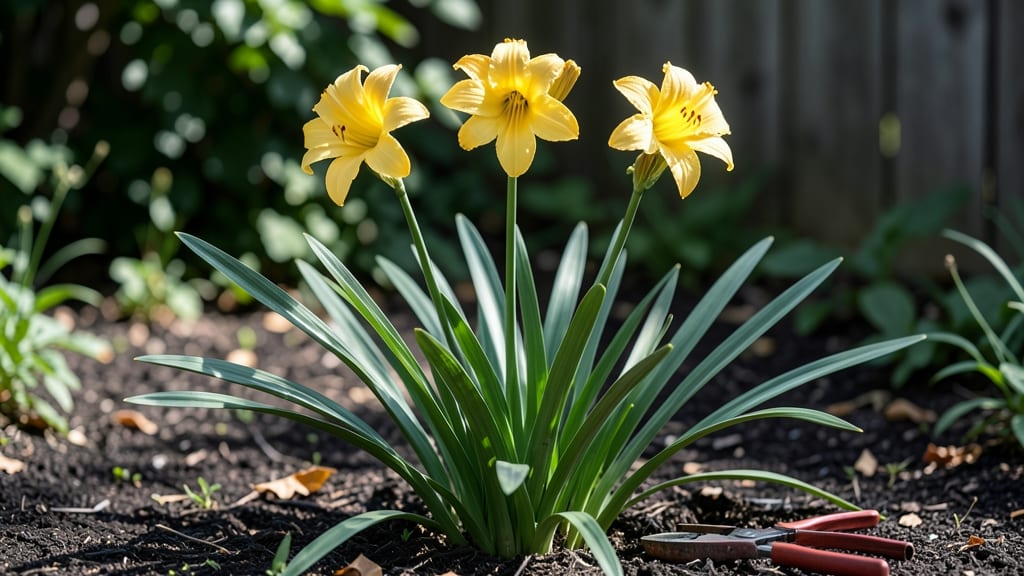
There’s nothing like the way yellow umbel flowers brighten a Pacific Northwest garden from spring through fall—especially when they’re buzzing with bees and butterflies. 🌻 I’ve designed my own pollinator haven around these cheerful blooms, and the difference in my garden’s energy is undeniable.
These flowers don’t just look stunning; they work hard to support local ecosystems while keeping my garden lively all season long.
The magic lies in their versatility—whether you’re filling a sunlit border, lining a pathway, or adding height to a cottage-style bed, yellow umbels like Queen Anne’s lace or Golden Alexanders blend effortlessly.
Pair them with deep purples like salvia or soft blues like catmint for a color combo that pops, or let them stand alone for a wild, natural look.
The key is placing them where they’ll get at least 6 hours of sun daily—that’s all they need to thrive and keep blooming.
Imagine stepping into your garden in June and being greeted by a sea of golden-yellow blooms swaying in the breeze, their delicate fronds attracting hummingbirds and hoverflies. These plants are low-maintenance but high-impact, offering year-round interest—some even hold their shape through winter’s chill.
The more you plant, the more your garden becomes a sanctuary for wildlife, and the more your neighbors will stop to ask what you’re growing.
For best results, group them in odd-numbered clusters (threes or fives) to create natural movement, and intersperse with grasses or ornamental onions for texture. In colder months, their dried stems add rustic charm to winter arrangements.
The secret? Let them self-seed—they’ll come back stronger every year, proving that the best gardens grow with a little help from nature.
📚 In This Guide
- What you need
- Instructions
- Tips and common mistakes
- Wrapping up and next steps
What you need
- ● Yellow umbel flower seeds or plants: 10–20 seeds (for starting from scratch) or
- ● 3–5 nursery-grown plants (for instant blooms)
- ● Well-draining potting mix: 5–10 gallons (sterilized, peat-free preferred)
- ● Containers or garden bed: Containers: 5–10-inch pots (1–2 per plant, with drainage holes)
- ● Garden bed: 3–6 ft. wide × 3–6 ft. long (partial shade, moist soil)
- ● Organic compost: 2–3 cups per plant (for nutrient-rich soil)
- ○ Slow-release fertilizer (optional but recommended): 10–20-10 NPK ratio, 1 tbsp per plant
- ● Garden trowel or hand shovel (for transplanting)
- ● Watering can or hose with gentle spray nozzle (umbels love moisture!)
- ● Pruning shears (to deadhead spent blooms and encourage regrowth)
- ○ Mulch (optional): 1–2 inches of shredded bark or straw (retains moisture)
- ○ Pollinator-friendly companions (optional): Asters, coneflowers, or bee balm (plant 1–2 ft. away for a pollinator buffet!)
Step-by-Step guide to cultivating stunning yellow umbel flowers
Here's how to create a vibrant pollinator haven with these cheerful blooms.
🌱 Step 1: Select and Prepare Your Planting Site
Yellow umbel flowers thrive in partial shade to full sun—ideal for Pacific Northwest gardens where direct sunlight can be intense. Choose a spot with well-draining soil (they hate soggy roots) and 6+ hours of morning sun to prevent afternoon leaf scorch. If your soil is heavy clay, mix in 2-3 inches of compost to improve drainage.
I always test the soil pH first—umbel flowers prefer slightly acidic to neutral (6.0-7.0). A simple soil test kit makes this easy. If your soil is alkaline, add sulfur amendments gradually over a few months. The key is patience: these plants reward long-term soil prep with bold, cheerful blooms all season.
☀️ Step 2: Plant at the Right Time and Depth
Spring is the best time to plant—after the last frost but before summer heat sets in. Dig holes twice as wide as the root ball but only as deep as the container's base. This prevents burying the crown, which causes rot. Handle roots gently—umbel flowers resent rough treatment.
Space plants 18-24 inches apart (closer for shorter varieties, wider for taller ones). Water deeply right after planting to settle the soil and eliminate air pockets. You'll know it's right when the soil surface looks slightly firm but still crumbly. Mulch with 2-3 inches of organic mulch to retain moisture and suppress weeds.
💧 Step 3: Water and Fertilize for Lush Growth
Water deeply once a week during the first growing season, aiming for 1 inch of water per week. Yellow umbel flowers are drought-tolerant once established, but young plants need consistent moisture. Water at the base (not overhead) to prevent fungal diseases. You'll see healthy new leaves within 3-4 weeks if moisture is right.
Feed with a balanced, slow-release fertilizer (10-10-10) in early spring and again after flowering. Avoid high-nitrogen fertilizers—they promote leafy growth at the expense of blooms. I always check the soil moisture before fertilizing: only feed when the top 2 inches of soil are dry. Over-fertilizing leads to weak stems that flop in rain.
✂️ Step 4: Prune and Maintain for Year-Round Blooms
Deadhead spent blooms every 2-3 weeks to encourage continuous flowering. Simply pinch off faded umbels with clean pruners—this redirects energy to new growth. You'll notice fresh buds forming within a week of pruning. For taller varieties, cut back one-third of the plant in early summer to promote bushier growth.
In late fall, cut back dead or damaged stems to the ground. Leave 2-3 inches of stubble—this protects the crown from winter cold. Yellow umbel flowers often regrow from the base in spring, so don't trim too aggressively. A light layer of mulch over winter keeps roots insulated and ready for next year's blooms.
🪴 Step 5: Overwinter and Prepare for Next Season
In USDA Zones 7-9, umbel flowers are perennial and return yearly with minimal care. In colder zones (6 or below), protect plants with 4-6 inches of mulch after the first hard frost. I always wait until the ground is firmly frozen before adding mulch—this prevents rot from trapped moisture.
Spring cleanup is easy: remove old mulch, rake away debris, and check for overwintering pests. Prune back any dead growth but leave healthy stems intact. You'll see new shoots emerging by early April in most Pacific Northwest climates. This is your signal to resume regular watering and fertilizing for another season of cheerful yellow blooms.
Tips & tricks for perfect yellow umbel flower cultivation
These simple strategies will help your yellow umbel flowers thrive and keep blooming all season long.
Soil Prep Secret: Don't rush the soil preparation in Step 1. I've seen gardeners skip the pH test and end up with plants that struggle to bloom. Grab a basic soil test kit from your local garden center—it's worth the $10 to know exactly what your soil needs. If you're dealing with heavy clay, mix in that 2-3 inches of compost and let it sit uncovered for a week before planting. This allows the soil to settle and improves drainage dramatically. The payoff? More vibrant blooms and fewer soggy roots.
Planting Precision: When you're planting in Step 2, pay special attention to the depth—only as deep as the container's base. I learned this the hard way when I buried a crown too deeply, and it took months for the plant to recover. Use a small stick or marker to measure the depth before planting. Also, handle those roots like you're cradling a newborn: gently spread them out in the hole. Rough treatment can shock the plant and delay blooming.
Watering Wisdom: That 1 inch of water per week in Step 3 is crucial, but timing matters just as much. Water in the early morning so the foliage has time to dry before evening. This prevents fungal diseases that can ruin your plants. I always check the soil moisture by sticking my finger about 2 inches down—if it's dry, it's time to water. And remember, once established, these flowers are drought-tolerant, but young plants need that consistent moisture to get started.
Pruning Payoff: The 2-3 weeks between deadheading in Step 4 might seem like a long time, but it works wonders. I've noticed that plants I deadhead every 2 weeks produce nearly twice as many blooms as those I neglect. Use clean pruners and make the cut just above a leaf node. This encourages new growth from that spot. For taller varieties, that one-third cutback in early summer gives you bushier plants that don't flop over in rain or wind.
Pro Tips for Yellow Umbel Flowers
- These simple strategies will help your yellow umbel flowers thrive and keep blooming all season long.
- Soil Prep Secret: Don't rush the soil preparation in Step 1.
- Planting Precision: When you're planting in Step 2, pay special attention to the depth—only as deep as the container's base.
Frequently asked questions
Got questions about growing or enjoying yellow umbel flowers? You’re not alone!
Here are some common queries—and their answers—to help you make the most of these vibrant pollinator magnets in your garden.
What’s the best time to plant yellow umbel flowers in the Pacific Northwest?
Plant them in early spring (March–April) or late summer (August–September) for optimal growth. These hardy perennials thrive in the PNW’s mild climate, but avoid planting in frost or extreme heat. If starting from seeds, sow them in late spring after the last frost for faster blooms!
Are yellow umbel flowers toxic to bees or other pollinators?
Not at all! They’re a superfood for pollinators, attracting bees, butterflies, and hummingbirds year-round. Unlike some flowers, yellow umbels (like Ligularia or Solidago) are non-toxic and packed with nectar. Just ensure they’re pesticide-free to keep your tiny visitors safe and happy!
How do I keep yellow umbel flowers blooming all season?
Deadhead spent blooms regularly to encourage reblooming, and fertilize lightly with balanced, organic fertilizer in early spring. Mulch around the base to retain moisture, and water deeply once a week during dry spells. For extra longevity, choose varieties like Ligularia dentata, which thrive in partial shade and bloom from summer to fall.
What’s a great alternative if I can’t grow yellow umbels?
Try these pollinator-friendly substitutes with similar vibrancy:
- Goldenrod (Solidago): Drought-tolerant and late-season bloomer.
- Rudbeckia (Black-Eyed Susan): Bright yellow, low-maintenance, and bee-loved.
- Coreopsis (Tickseed): Long-blooming and thrives in sunny spots.
- Achillea (Yarrow): Tough, aromatic, and great for cut flowers.
Why aren’t my yellow umbel flowers blooming this year?
Common culprits include:
- Too much shade: Most umbels need 4–6 hours of sun daily.
- Over/under-watering: Keep soil moist but not soggy.
- Over-fertilizing: Too much nitrogen = leafy growth, no flowers.
- Root-bound plants: Divide clumps every 3–4 years to refresh growth.
Wrapping up and next steps
Yellow umbel flowers aren’t just a Pacific Northwest treasure—they’re a powerhouse for pollinators, adding year-round beauty and ecological value to any garden.
Whether you’re drawn to their vibrant blooms, ease of care, or role in supporting bees and butterflies, these flowers prove that simple choices can make a big impact.
Ready to transform your outdoor space? Start small—plant a single patch of Ligularia dentata or Archangelica officinalis this season, and watch your garden buzz with life! 🐝✨ Check out our planting guide for step-by-step inspiration.