Flowers
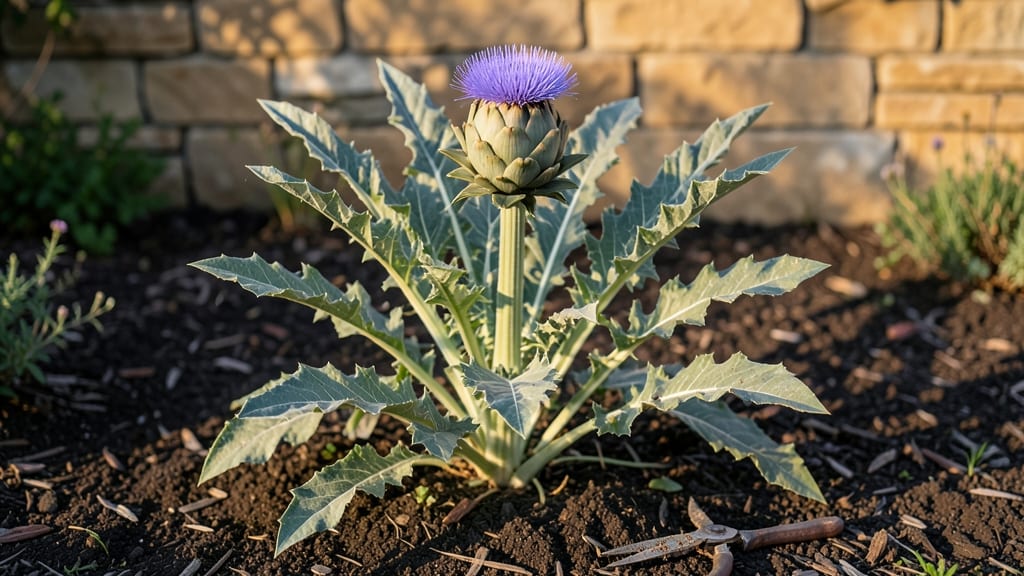
The artichoke agave flower isn't just a stunning centerpiece—it's a culinary treasure with nectar so sweet it rivals honey. 🌱 I remember the first time I tasted it fresh from my backyard plant, and it completely changed how I thought about ornamental agaves.
That bold, honeyed flavor comes from a plant that thrives with surprisingly little fuss once you know the right conditions.
Growing this agave means balancing patience with the right care. These plants love full sun and well-draining soil, but they'll tolerate drought once established—perfect for hot, dry climates.
The key is giving them space to grow (they can reach 6-10 feet wide) and avoiding overwatering, which is the #1 killer of agaves. When you see that iconic artichoke bud forming, you'll know you're on the right track.
What you end up with is a 6-10 foot architectural statement that produces edible blooms you can harvest for months. The nectar is richest in the morning, and the petals make stunning garnishes or infusions.
Even if you never eat them, the dramatic flowers and spiky foliage create a desert landscape vibe that's impossible to ignore.
Works best in USDA zones 8-11, but container growing extends this to cooler climates. The same care principles apply whether you're growing one as a statement piece or a small grove for harvests. Ready to grow yours?
📚 In This Guide
- What you need
- Instructions
- Tips and common mistakes
- Wrapping up and next steps
What you need
- ● Artichoke agave plant (Agave parryi or Agave americana) – Ensure it’s mature (3+ years old) and healthy, with a sturdy flower stalk (🌸 Pro tip: Look for a thick, upright stalk with buds forming at the top!).
- ● Pruning shears or sharp knife – For harvesting the flower stalk (sterilize with rubbing alcohol for clean cuts).
- ● Food-safe container or jar – A wide-mouth jar (1–2 quarts) to collect nectar or store blooms (e.g., glass mason jar).
- ○ Small sieve or fine mesh strainer – For filtering nectar (optional but helpful for purity).
- ● Honey dipper or spoon – For gently scooping nectar without disturbing the flowers.
- ● Labeling tags & marker – To track harvest dates or flavor notes (if using for culinary experiments).
- ● Beeswax wrap or parchment paper – To line containers and preserve freshness.
- ● Small funnel – For transferring nectar into bottles or syrups.
- ● Citrus juicer or muddler – If infusing nectar with herbs (e.g., rosemary or thyme).
- ● Digital scale – For precise measurements if making syrups or preserves.
- ● Gloves – To protect hands from mild sap irritation (agave can be sticky!).
- ● Ensure the plant is not treated with pesticides (organic or pest-free only).
- ● Harvest in the early morning when nectar is freshest (avoid midday heat).
- ● Check local regulations—some areas restrict harvesting wild plants.
How to grow and harvest edible artichoke agave flowers
Here's how to coax those stunning, honey-sweet blooms from your agave plant.
🌱 Step 1: Select and Prepare a Mature Agave Plant
Choose a healthy, mature agave plant at least 3-5 years old—younger plants won't produce flowers. Look for a thick, sturdy stem with 18-24 inches of height and a rosette of leaves at least 2 feet wide. The larger the plant, the bigger and sweeter the nectar-filled blooms will be.
Agaves thrive in full sun (6+ hours daily) and well-draining soil. If your plant shows signs of stress—yellowing leaves or soft stems—it won’t flower. I like to add 1 inch of compost around the base in early spring to give it a nutrient boost without overfeeding, which can delay flowering.
☀️ Step 2: Provide Ideal Growing Conditions for Flowering
Artichoke agave flowers only when conditions are perfect: warm days (80-90°F) and cool nights (50-60°F). If your summers are too hot or humid, the plant may bolt (flower) too early, producing smaller blooms. In cooler climates, move potted agaves to a sheltered spot during winter to protect roots from freezing.
Water deeply once every 2-3 weeks during the growing season—agaves store water in their leaves, so overwatering causes rot. You’ll know it’s time to water when the soil feels completely dry 2-3 inches down. Reduce watering in late summer to signal the plant it’s time to prepare for flowering.
⏰ Step 3: Monitor for Flowering Cues and Harvest Timing
Watch for a thick, sturdy flower stalk emerging from the center of the rosette—this is your first sign the plant is preparing to bloom. The stalk can grow 6-10 feet tall in just 2-4 weeks, so give it space. If you’re growing in a container, choose a pot with at least 18 inches of depth to accommodate the root system.
Harvest the blooms before they fully open—when the buds are still tight and the nectar hasn’t yet attracted bees. Use clean, sharp pruning shears to cut the flower stalk at the base. The nectar is most concentrated in the first 24 hours of bloom, so time your harvest carefully for the sweetest, most honey-like flavor.
🌿 Step 4: Enjoy and Preserve the Edible Blooms
Once harvested, gently brush off any debris and rinse the blooms under cool water to remove dust. The bright yellow, artichoke-like buds are the edible part—simmer them in honey or use them fresh in salads for a unique, slightly bitter crunch. The nectar can be collected by brushing the flowers with a clean spoon and straining it for a natural sweetener.
Here’s the thing—agave plants die after flowering, so treat this as a one-time harvest. However, many agaves produce pups (offsets) at the base, which you can transplant to grow new plants. Each pup takes 2-3 years to mature enough for flowering, but the process starts anew with fresh, vibrant growth.
Tips & tricks for perfect artichoke agave flower harvest
These insider tips will help you maximize your agave's sweet potential and avoid common pitfalls.
Timing is Everything: The 24-hour window after harvesting is when nectar reaches peak sweetness. I recommend collecting nectar in the early morning when temperatures are coolest (around 60°F) to preserve the delicate honey-like flavor. Store harvested blooms in a paper bag in the refrigerator to slow oxidation and maintain freshness for up to 3 days.
Flowering Conditions: The ideal 80-90°F daytime temperature range creates the perfect balance for nectar production. If you're in a cooler climate, consider using a greenhouse or cold frame to maintain these temperatures during the critical flowering period. I've found that even a 5°F drop below 80°F can significantly reduce nectar yield.
Harvest Technique: When cutting the flower stalk, make a clean, diagonal cut at the base using sharp pruning shears. This prevents tearing and allows for better regrowth of pups. I always leave about 1-2 inches of stalk attached to the plant—this helps direct nutrients to the pups rather than the dying flower.
Pup Propagation: After harvesting, remove any pups (offsets) from the base of the mother plant. Let them callus over for 24 hours before transplanting to reduce shock. I've successfully grown new flowering plants from pups in as little as 2 years with proper care, though 3 years is more typical for optimal nectar production.
Pro Tips for Artichoke Agave Flower
- These insider tips will help you maximize your agave's sweet potential and avoid common pitfalls.
- Timing is Everything: The 24-hour window after harvesting is when nectar reaches peak sweetness.
- Flowering Conditions: The ideal 80-90°F daytime temperature range creates the perfect balance for nectar production.
Frequently asked questions
Got questions about harvesting, using, or growing artichoke agave flowers? You’re not alone! Here are some of the most common queries—and their answers—to help you navigate this unique edible bloom.
When is the best time to harvest artichoke agave flowers?
The ideal time to harvest is when the central bud is fully open but the petals haven’t yet begun to dry out or wilt. This usually happens in late spring to early summer, depending on your climate. Look for vibrant color and a slightly sticky nectar—signs of peak freshness! Harvest in the morning for the best flavor and nectar yield.
How do I extract the sweet nectar from the flowers?
To collect nectar, gently trim the base of the flower and place it in a clean container with a small amount of water. Let it sit for 1–2 hours; the nectar will drip out naturally. For a quicker method, use a spoon to scrape the base—just avoid damaging the delicate petals. Strain the nectar to remove any debris before using it in recipes or drinks!
Can I grow artichoke agave flowers at home? What’s the care routine?
Yes! Artichoke agave (Agave parryi) thrives in USDA zones 5–10 and needs full sun and well-draining soil. Water sparingly—overwatering kills these drought-loving plants. They’re low-maintenance but may take 3–5 years to bloom. In colder climates, protect them from frost with mulch or containers.
What are some creative ways to use artichoke agave flowers in cooking?
Beyond their nectar, the petals are edible and taste slightly artichoke-like with a hint of honey. Try them in:
- Salads: Toss raw petals (trimmed and blanched) for a peppery crunch.
- Garnishes: Use as a decorative, flavorful topping for soups or seafood.
- Infusions: Steep petals in hot water for a floral tea.
- Desserts: Add to honey glazes or fruit salads for a unique twist.
Pro tip: Always remove the hair-like fibers from the petals before eating—they’re safe but can be scratchy!
Are there any risks or precautions when eating artichoke agave flowers?
While generally safe, a few precautions apply:
- Check for pesticide residue if harvesting wild flowers—avoid roadsides or sprayed areas.
- Some people may experience mild allergic reactions (like itching). Test a small amount first.
- Never consume the thorny leaves or the base of the flower unless you’re certain it’s safe (some agaves are toxic).
When in doubt, stick to organically grown or homegrown flowers!
Wrapping up and next steps
The artichoke agave flower isn’t just a stunning spectacle—it’s a delicious, honey-sweetened treat waiting to be explored! Whether you’re foraging, harvesting, or simply curious about edible blooms, this unique flower offers a flavor adventure with minimal effort.
Now that you know how to safely enjoy its nectar and even grow your own, why not take the first step?
🌱 Next up: Try your hand at foraging or growing agave plants in your garden. Share your sweet discoveries with friends—or even experiment with recipes featuring its nectar. The world of edible flowers is full of surprises, and you’re just getting started!