
Flowers
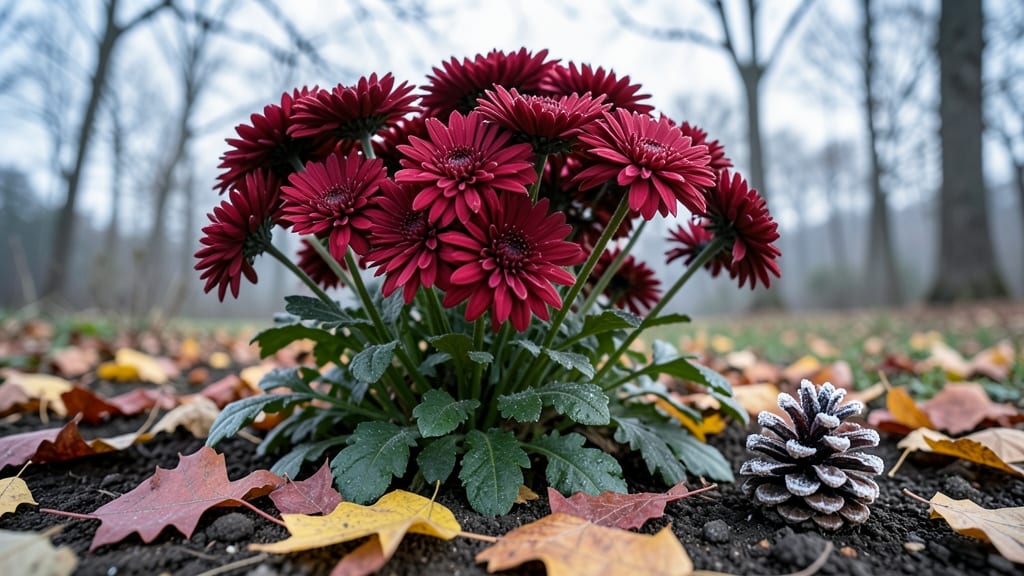
Autumn and winter flowers in the Pacific Northwest don’t just survive—they thrive in the chill, turning misty mornings into bursts of color. 🌿 I’ve watched my hellebores bloom in February when everything else sleeps, their nodding bells defying the gray skies.
These plants aren’t just tough; they’re the backbone of a garden that stays lively when most others fade.
The secret lies in choosing the right varieties: pansies that laugh in the cold, winter jasmine with its golden cascades, or hellebores that emerge early like clockwork. Planting them at the right time—late summer for fall blooms, early fall for winter interest—means they’ll establish roots before the ground freezes.
Most need well-draining soil and a spot with morning sun, though some handle shade like champs.
What you’ll end up with is a garden that feels alive even in December. Imagine velvety pansies in shades of purple and yellow, hellebores’ dark leaves contrasting with their delicate flowers, and winter jasmine’s fragrant tendrils climbing trellises.
These plants attract pollinators when little else is blooming, and their care is simple: a light mulch, occasional watering, and protection from harsh winds.
Works for containers, borders, or woodland gardens—just pick what fits your space and light. The best part? These flowers reward patience with months of color when you’d least expect it. Let’s get planting for a winter that wows.
📚 In This Guide
- What you need
- Instructions
- Tips and common mistakes
- Wrapping up and next steps
What you need
- ● Frost-resistant flower bulbs/seeds: 10–20 units (e.g., Hellebores, Camellias, Witch Hazel, Snowdrops, or Winter Aconite). Choose varieties labeled "hardy to Zone 7 or below."
- ● Well-draining potting mix: 5–10 gallons (add perlite or sand for improved drainage).
- ● Organic compost: 2–3 gallons (to enrich soil and retain moisture).
- ● Mulch (straw, wood chips, or pine needles): 2–3 inches (to insulate roots and protect from freeze-thaw cycles).
- ● Garden trowel or bulb planter: 1 (for precise planting in tight spaces).
- ● Pruning shears: 1 (for trimming dead foliage post-planting).
- ● Garden gloves: 1 pair (to protect hands from thorns or cold soil).
- ● Watering can or hose with spray nozzle: 1 (for gentle hydration).
- ○ pH testing kit (optional): 1 (to ensure soil is slightly acidic, ideal for many PNW winter bloomers).
- ● Sunlight assessment: Identify areas with partial shade (4–6 hours of sun/day)—ideal for most winter flowers.
- ○ Frost-free window or greenhouse (optional): For starting tender seeds indoors before the first frost.
- ● Local plant nursery visit: Check for PNW-native or cold-hardy varieties (e.g., Lenten Rose or Christmas Rose).
Step-by-step guide to designing a frost-resilient autumn-winter garden
Here’s how to create a Pacific Northwest garden that thrives when others fade.
🌱 Step 1: Select Cold-Hardy Flower Varieties
Focus on plants that naturally thrive in 35-50°F temperatures and can handle light frosts. Hellebores, winter jasmine, and snowdrops are my top picks—they bloom early and tolerate damp soil. Avoid tender annuals like marigolds; instead, opt for perennials like pansies or coral bells, which rebound after frost.
Check each plant’s hardiness zone (most PNW gardens are Zones 7-9). If you’re unsure, dig a few inches into the soil after a freeze—if the ground stays firm but not rock-hard, most cold-hardy flowers will survive. Group plants with similar care needs together for easier maintenance.
☀️ Step 2: Position for Winter Sun and Shelter
Place your frost-resistant flowers where they’ll catch morning sun and afternoon shade—this prevents overheating while still giving them light. In exposed areas, add a 6-inch layer of mulch (like shredded bark) to insulate roots. I always test placement by observing how snow or wind settles in the garden; if a spot gets blasted by winter storms, skip it for delicate blooms.
Use evergreens like Holly or Boxwood as windbreaks—they block harsh winds while letting sunlight through. If you’re planting near a foundation, ensure 6 inches of clearance between stems and walls to prevent rot from trapped moisture.
💧 Step 3: Adjust Watering for Winter Conditions
Water only when the top 2 inches of soil feel dry—overwatering in cold weather suffocates roots. Use a soaker hose set to low flow to avoid compacting the soil. I check moisture by pressing my gloved finger into the soil; if it springs back slowly, it’s time to water. Early mornings are best to prevent evaporation and fungal issues.
If your garden gets frequent rain, prioritize well-draining soil. Amend heavy clay with compost and perlite before planting to prevent waterlogging. Avoid fertilizing in winter—plants are dormant and won’t use nutrients effectively.
✂️ Step 4: Prune and Protect After Frost
Wait until late winter (when new growth starts) to prune. Cut back dead stems to just above the first set of healthy buds—this encourages fresh blooms. For extra protection, loosely wrap tender stems in burlap if a hard freeze is forecasted (below 20°F). Remove wrappings immediately after thawing to avoid trapping moisture.
Clean up fallen leaves and debris to prevent pests like slugs from overwintering. I always rake under shrubs where moisture collects—this keeps roots dry and reduces rot risk. If you’re using annuals like pansies, deadhead spent blooms to encourage more flowers until spring.
🪴 Step 5: Plan for Spring Transition
Start noting which flowers performed best by early March. If certain plants struggled, replace them with even hardier varieties next year. I like to sketch a simple garden map to track sunlight shifts—winter shadows can change as trees lose leaves. Add a layer of fresh mulch in late winter to protect roots from temperature swings.
By late winter, begin planning spring additions like crocus or early daffodils—they’ll fill gaps while your perennials wake up. The key is balance: let some winter blooms linger for late-season color, but don’t crowd out spring stars.
Tips & tricks for perfect autumn and winter flowers
Creating a frost-resilient garden takes a few thoughtful tricks to ensure your plants thrive through the coldest months.
Hardiness Zone Reality Check: While most PNW gardens fall in Zones 7-9, microclimates matter! If you're in a lower zone or high elevation, choose Zone 5-6 varieties like Siberian bugloss or Siberian squill for extra protection. These tough beauties handle 20°F freezes without batting an eye. I've seen them survive -10°F in sheltered spots!
Mulch Magic: That 6-inch layer of mulch isn't just decoration—it's insulation! Spread it after the first frost when soil temps drop below 50°F. For extra warmth, mix in straw or leaves (free options!). Just avoid piling mulch against stems to prevent rot. Think of it like dressing your garden for winter—cozy but not suffocating.
Sunlight Strategy: Morning sun is your friend, but afternoon shade prevents overheating. If your garden gets intense afternoon rays, consider partial shade varieties like hellebores or lungwort—they'll thank you with vibrant blooms. I always test spots by placing a white plate where plants will go; if it gets hot to the touch after 2 hours, it's too sunny for winter plants.
Pro Tips for Autumn And Winter Flowers
- Creating a frost-resilient garden takes a few thoughtful tricks to ensure your plants thrive through the coldest months.
- Hardiness Zone Reality Check: While most PNW gardens fall in Zones 7-9, microclimates matter!
- Mulch Magic: That 6-inch layer of mulch isn't just decoration—it's insulation!
Frequently asked questions
Got questions about keeping your garden vibrant during the chilly months? Here are some common concerns—and their answers—to help you navigate autumn and winter blooms like a pro!
Which flowers thrive in the Pacific Northwest’s wet, cold winters?
The PNW’s frost-resistant stars include heather, camellias, winter jasmine, and snowdrops. These tough beauties handle rain, wind, and temps down to 10°F (-12°C) without fuss. For extra insurance, opt for native varieties like Pacific dogwood or Oregon grape—they’re built for local conditions!
Do I need to protect my winter flowers from frost?
Most hardy winter bloomers (like daphnes or helllebores) don’t need covers, but young plants or tender varieties benefit from a lightweight frost cloth on extra-cold nights (<20°F/-7°C). Avoid plastic—it traps moisture and can rot stems. Instead, use breathable fabric and remove it during the day to prevent overheating.
When is the best time to plant autumn/winter flowers in the PNW?
For spring-blooming bulbs (e.g., daffodils, crocuses), plant in October or early November so roots establish before winter. Perennials like heather or shrub roses can go in late fall (November) or early spring (March). Pro tip: Water deeply after planting—PNW winters are wet, but roots still need moisture to settle in!
What if my winter flowers look sad or stop blooming?
Don’t panic! Overwatering (common in rainy winters) or poor drainage can cause rot. Check soil moisture—it should be evenly damp, not soggy. Yellow leaves? It might be nutrient deficiency—apply a balanced fertilizer (like 10-10-10) in early spring. For non-bloomers, prune spent flowers in late winter to encourage new growth.
Can I grow winter flowers in containers?
Containers are perfect for pansies, cyclamen, or winter jasmine. Use well-draining mix (add perlite or sand) and pots with drainage holes. Move containers to a shaded, sheltered spot during freezing temps (<25°F/-4°C). Group pots together to retain warmth and mulch the soil with straw or bark chips to insulate roots.
| Quick Fixes for Common Issues |
|---|
| Brown leaves? Likely windburn—wrap plants in burlap or use a windbreak (like a lattice fence). |
| No blooms? Some winter flowers (like heather) bloom on old wood—prune after flowering, not before! |
| Pests in winter? Slugs and aphids can still strike. Use beer traps (for slugs) or neem oil spray (for pests). |
Wrapping up and next steps
Autumn and winter may seem like quiet seasons for blooms, but the Pacific Northwest proves otherwise with its hardy, frost-resistant flowers that thrive in cooler weather. From fiery mums to delicate heathers, these showstoppers bring color and life when most gardens rest.
Whether you're a seasoned gardener or just starting out, these resilient plants offer endless inspiration to brighten your space and connect with nature’s quiet beauty.
Ready to transform your garden? Start small—pick one or two frost-loving flowers to plant this fall, and watch your outdoor space flourish even in the chill. Your winter garden awaits! 🌿✨