
Flowers
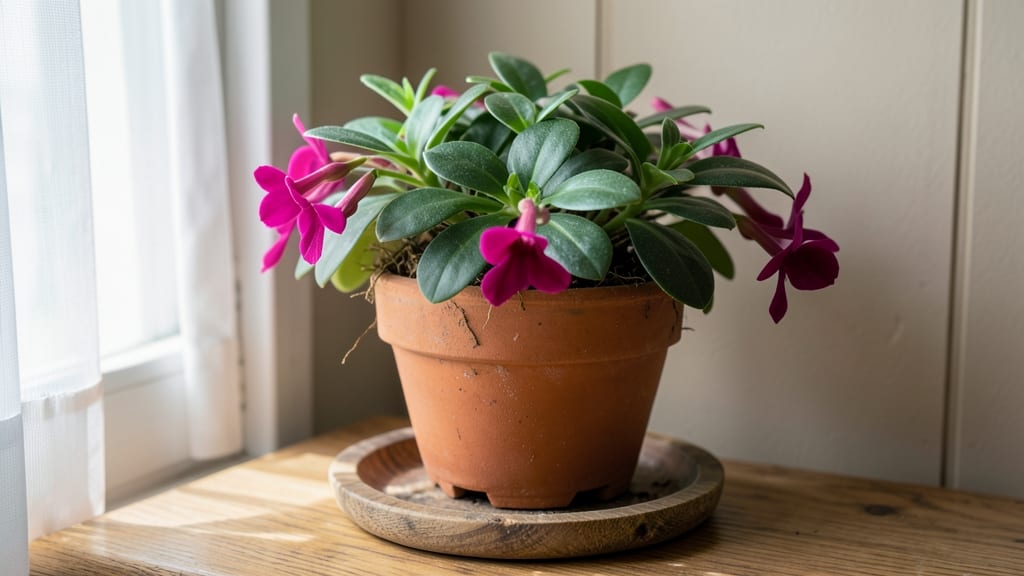
Those flowers that like shade in pots transform gloomy patios into vibrant retreats—here are my favorite varieties that outshine even the sunniest blooms. The key is choosing the right plants and matching their needs to your space.
Most shade-tolerant flowers need well-draining soil and moderate water, but their light preferences vary. Impatiens and fuchsias love dappled shade, while hellebores and astilbes handle deep shade like pros.
A 10-12 inch pot works for most, but trailing varieties like lobelia need hanging baskets to show off their cascading blooms.
You’ll end up with lush foliage and months of blooms, from spring’s hellebores to fall’s asters. The secret? Morning sun (if possible) and evening shade to prevent stress. These plants reward patience—once established, they’ll outlast sun-lovers in your yard.
Works for balconies, porches, or even indoor spots near north-facing windows. Let’s pick the perfect shade stars for your garden’s darkest corners!
📚 In This Guide
- What you need
- Instructions
- Tips and common mistakes
- Wrapping up and next steps
What you need
- ● Growing shade-loving flowers in pots is a breeze once you’ve got the right materials and tools! Here’s what you’ll need to create a thriving, low-light garden oasis:
- ● Pro tip: 💡 If your pots lack drainage holes, add a layer of gravel or broken pottery at the bottom to prevent root rot!
Step-by-Step guide to cultivating thriving shade-loving flowers in containers
Here’s how to create a lush, low-light garden using shade-tolerant varieties that flourish in pots.
🌱 Step 1: Select the Right Containers and Drainage
Choose containers with drainage holes—shade-loving plants like impatiens and begonias wilt quickly if their roots sit in soggy soil. I prefer terracotta pots because they breathe and help prevent root rot. Ensure each container is at least 6 inches deep and 8-10 inches wide to accommodate root growth. If your pots lack drainage, drill holes yourself—just avoid sharp edges that could damage roots.
Place a layer of 1-2 inches of gravel or broken pottery at the bottom before adding soil. This creates a reservoir for excess water while keeping roots elevated. I also like to add a handful of orchid bark or perlite to the bottom layer for extra aeration. This step is critical—without proper drainage, even shade-tolerant plants will struggle.
🌿 Step 2: Prepare Well-Draining, Moisture-Retentive Soil
Shade-loving flowers need soil that stays moist but never waterlogged. Mix 50% premium potting mix with 30% peat moss or coconut coir and 20% perlite or vermiculite to improve drainage and aeration. This blend holds moisture without compacting, which is essential for plants like fuchsias and coleus that thrive in consistent humidity.
Fill the container to 2 inches below the rim to prevent spills when watering. Tap the pot gently on the table to settle the soil without compacting it. Press down lightly around the edges to create a firm base for the plants. If the soil feels too dry, mist it with water until it’s evenly damp but not soggy—this ensures roots can establish quickly.
☀️ Step 3: Choose and Plant Shade-Tolerant Varieties
For full shade (less than 3 hours of direct sun daily), opt for impatiens, begonias, or calatheas. For partial shade (3-6 hours of morning sun), fuchsias, coleus, or astilbes perform beautifully. I like to start with 4-6 plants per container, spacing them 3-4 inches apart to allow airflow and reduce competition.
Gently remove plants from their nursery pots and loosen the roots if they’re tightly bound. Dig a hole slightly deeper than the root ball and place the plant inside, backfilling with soil. Press lightly around the base to eliminate air pockets. Water immediately after planting to help soil settle and encourage root contact. Avoid burying stems too deeply—this can cause rot, especially in moisture-loving varieties.
💧 Step 4: Water and Maintain Consistent Moisture
Shade-loving plants need consistent moisture—never let the soil dry out completely. Water when the top inch of soil feels dry to the touch. I use a watering can with a narrow spout to direct moisture to the roots without disturbing the foliage. Overhead watering can promote fungal diseases like powdery mildew, so always water at the base.
Mulch the soil surface with 1 inch of shredded bark or pine needles to retain moisture and suppress weeds. This layer also keeps roots cool in hot, humid conditions. Adjust watering frequency based on your climate—container plants dry out faster in heat or wind. In winter, reduce watering but keep soil slightly moist to prevent dormancy stress.
✂️ Step 5: Prune and Fertilize for Continuous Bloom
Deadhead spent blooms regularly to encourage new flowers. For impatiens and begonias, pinch back leggy stems to promote bushier growth. I also trim any yellow or diseased leaves immediately to prevent spread. Pruning isn’t just about looks—it improves airflow and reduces pests, which is especially important in shaded, humid conditions.
Feed plants every 4-6 weeks with a balanced, water-soluble fertilizer diluted to half strength. Over-fertilizing can burn roots, so always follow package instructions. In late summer, switch to a low-phosphorus fertilizer to support root growth rather than blooms. Monitor leaves for signs of nutrient deficiency—yellowing between veins often means more iron, while purple stems indicate phosphorus needs.
Tips & tricks for perfect shade-loving container gardens
Creating a thriving low-light garden in pots takes a few key strategies to prevent common pitfalls. Here's what I've learned after years of experimenting with shade-tolerant varieties.
Drainage is Non-Negotiable: In Step 1, when selecting containers, prioritize terracotta over plastic—it wicks moisture away from roots, which is crucial for plants like begonias that hate soggy conditions. If using decorative pots without drainage, add a cache pot (a secondary pot with holes) inside. I've ruined three batches of impatiens by ignoring this, so trust me: never skip the gravel layer at the bottom. That 1-2 inch layer of gravel or broken pottery creates essential air space while preventing water from pooling at the roots.
Soil Mix Matters More Than You Think: The 50-30-20 blend in Step 2 isn't just arbitrary—peat moss or coconut coir holds moisture while perlite prevents compaction. For extra insurance against waterlogging, I add a handful of worm castings to the mix. These improve aeration while providing gentle, slow-release nutrients. When filling containers to 2 inches below the rim, use your finger to check soil moisture—it should feel like a damp sponge, not a wet towel.
Sunlight Nuances Save Plants: The instructions mention full shade (<3 hours of sun) and partial shade (3-6 hours), but here's the catch: morning sun is gentler than afternoon sun. If your space gets harsh afternoon light, consider placing containers where they receive only morning sunlight. For varieties like fuchsias that tolerate partial shade, rotate containers every few weeks to ensure even growth. This prevents leggy stems that reach for light, which weakens the plant structure.
Watering Wisdom Prevents Disaster: The top inch test in Step 4 works, but I've found that checking soil moisture at the same time each day creates consistency. Use a moisture meter for precision—these are inexpensive and save guesswork. When mulching with 1 inch of shredded bark, press it lightly against the soil to create a moisture barrier. This simple step reduces watering frequency by 30% while preventing soil evaporation. In winter, I cut watering to every 10-14 days unless temperatures drop below freezing.
Pro Tips for Flowers That Like Shade In Pots
- Creating a thriving low-light garden in pots takes a few key strategies to prevent common pitfalls.
- Drainage is Non-Negotiable: In Step 1, when selecting containers, prioritize terracotta over plastic—it wicks moisture away from roots, which is crucial for plants like begonias that hate soggy conditions.
- Soil Mix Matters More Than You Think: The 50-30-20 blend in Step 2 isn't just arbitrary—peat moss or coconut coir holds moisture while perlite prevents compaction.
Frequently asked questions
Got questions about growing shade-loving flowers in pots?
You’re not alone! Here are answers to the most common concerns—so you can keep your low-light garden thriving with confidence.
What are the best low-maintenance flowers for shady pots?
If you want hassle-free blooms, opt for impatiens, begonias, or fuchsias. These thrive in shade with minimal fuss—just keep soil moist and prune spent blooms. For hardier options, heucheras (with their stunning foliage) or astilbes are great picks with almost no upkeep!
How often should I water shade-loving potted flowers?
Shady pots dry out slower than sunny ones, but check soil moisture weekly. Water when the top inch feels dry—usually every 5–7 days. Use pots with drainage holes to prevent root rot. Pro tip: Group pots together to create a microclimate that retains moisture longer!
Can I grow shade flowers in pots without direct sunlight?
Flowers like hostas, caladiums, and coleus thrive in dappled or filtered light (e.g., under trees). Just avoid deep, dark shade (like north-facing walls with no light). Place pots near a window or use a grow light for 4–6 hours daily if needed.
What should I do if my shade flowers look leggy or sparse?
Leggy growth often means your plants aren’t getting enough indirect light. Try relocating pots to a brighter spot (but still shaded) or rotate them weekly for even exposure. Fertilize lightly with a balanced, water-soluble fertilizer (like 10-10-10) every 4–6 weeks to encourage bushier growth.
Are there any shade-tolerant annuals vs. perennials for pots?
| Annuals (replace yearly) | Perennials (come back yearly) |
|---|---|
|
|
Annuals offer quick color but need yearly replanting, while perennials save time (and money!) long-term.
Wrapping up and next steps
Transforming your shady spots into a vibrant garden is easier than you think! With the right flowers that thrive in shade in pots, you can enjoy lush blooms and greenery without needing direct sunlight.
From impatiens to heuchera, these varieties bring life and color to even the darkest corners of your home or patio.
Ready to get started? Pick your favorite shade-loving flowers, grab your pots, and let your creativity bloom! 🌿 Whether you're a seasoned gardener or a beginner, your low-light garden is just a few steps away—happy planting! 🌸