
Flowers
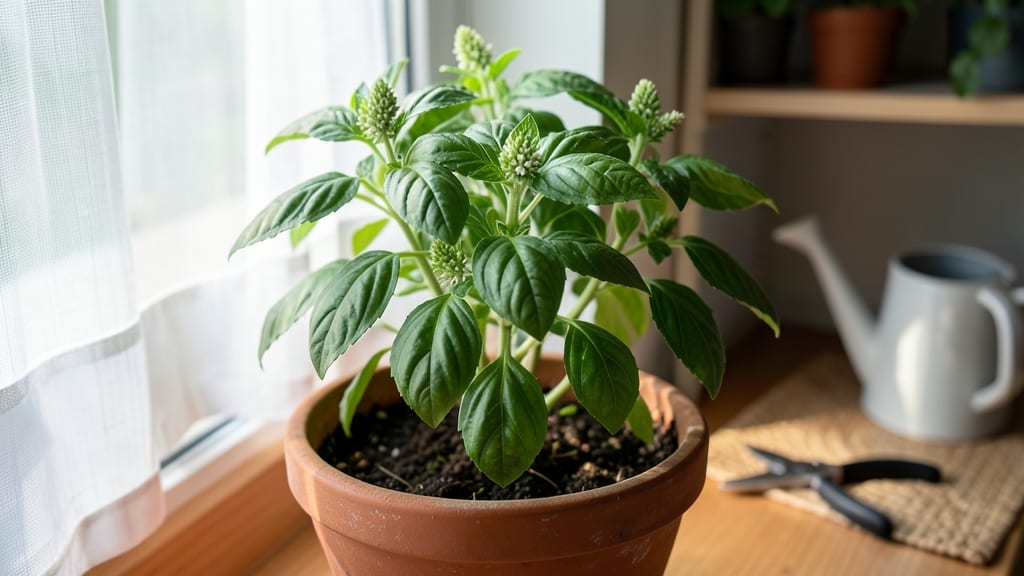
When basil flower buds appear, your plant is telling you it’s time to act—because those tiny blooms mean your prized leaves are about to turn bitter. 🌱 I’ve learned the hard way that ignoring them leads to a sad, woody plant with no flavor, but with the right moves, you’ll keep those sweet leaves coming all season long.
The key is timing and technique: pinch off buds early, before they open, and redirect the plant’s energy back to leaf production.
You’ll need sharp scissors or clean fingers, a sunny windowsill or garden spot, and a little patience—because once you start, you’ll notice buds popping up faster than you think.
What you end up with is a basil bush that stays lush and productive for months, with tender leaves perfect for pesto, salads, or pasta. The buds themselves? They’re edible too—harvest them young for a delicate peppery flavor that brightens dishes in ways store-bought basil never could.
This method works for both container-grown basil on patios and in-ground plants in the garden. The secret is staying one step ahead of those buds—because once they take over, your basil’s days as a leaf machine are numbered.
📚 In This Guide
- What you need
- Instructions
- Tips and common mistakes
- Wrapping up and next steps
What you need
- ● Basil Seeds or Seedlings: Sweet basil, Thai basil, or purple basil seeds (or young plants) – 3-5 plants for a small harvest.
- ● Organic seeds (if possible) for better flavor and resilience.
- ● Containers: 5–7 inch pots with drainage holes (1 per plant) or a raised garden bed (if planting outdoors).
- ● Lightweight, well-draining soil mix: 50% potting soil + 50% perlite or coconut coir.
- ● Sunlight: 6–8 hours of direct sunlight daily (south-facing window or grow lights for indoor setups).
- ● Watering Supplies: Spray bottle (for seedlings) or watering can with a gentle rose nozzle.
- ● Fertilizer: Balanced liquid fertilizer (10-10-10 or 20-20-20, diluted to half-strength).
- ○ Optional: Fish emulsion or compost tea for organic growth.
- ● Pruning Shears: Sharp, clean scissors for harvesting buds and shaping plants.
- ● Grow Lights: LED full-spectrum lights (12–16 hours/day) for indoor growing.
- ● Support Stakes: Small bamboo stakes or tomato cages to support taller varieties.
- ● Mulch: Straw or shredded leaves to retain soil moisture.
- ● Pollination Aid: A soft paintbrush (to hand-pollinate buds if indoors).
Step-by-step guide to encouraging basil flower buds for edible blooms
Here's how to coax those delicate white flower buds from your basil plants—culinary gold for garnishes and pest control.
🌱 Step 1: Choose the Right Basil Variety for Blooms
Not all basil produces edible flowers—stick with varieties like Genovese, Sweet Basil, or Thai Basil. These develop the prized white flower buds that taste like basil-infused honey. Avoid Spicy Globe or Purple Basil, which focus on foliage rather than flowers.
Start with healthy, 4-6 week old plants that have at least 6-8 true leaves. Larger plants produce more buds, but don't rush—young plants need time to establish strong stems. I always pinch off the first few flowers to encourage bushier growth first.
☀️ Step 2: Provide Ideal Light and Temperature
Basil flower buds form best in full sun (6-8 hours daily) with temperatures between 65-75°F. Place your plants where they get morning sun and afternoon shade if you're in a hot climate—too much midday heat causes buds to bolt prematurely and turn bitter.
Watch for leggy growth—stems stretching toward light means your basil isn't getting enough intensity. Move it closer to the window or supplement with a grow light 4-6 inches away for 12-14 hours daily. You'll see compact, bushy plants with deep green leaves and short internodes when light is perfect.
💧 Step 3: Water and Fertilize for Bud Formation
Keep soil consistently moist but never soggy—water when the top inch feels dry. Overwatering stresses plants and prevents bud development. I water at the base in the morning to avoid fungal issues, and always use room-temperature water to prevent root shock.
Feed with a balanced liquid fertilizer (10-10-10) diluted to half-strength every 2-3 weeks once buds appear. Too much nitrogen makes plants focus on leaves, not flowers. You'll notice buds forming at the leaf axils—those little bumps where leaves meet stems—when fertilization is balanced.
✂️ Step 4: Prune Strategically to Encourage Blooms
Pinch off the first flowers that appear to redirect energy toward more buds. Use clean scissors to snip just above a leaf node, and always remove entire flower clusters—not just individual buds. This prevents the plant from going to seed and keeps it producing new blooms.
After the main flowering flush, trim back one-third of the plant to encourage a second round of buds. Cut just above a set of leaves to stimulate new growth. You'll see fresh shoots emerging within 7-10 days, and new buds will form at the tips of these regrowth stems.
🌿 Step 5: Harvest and Preserve Edible Buds
Harvest buds when they're tightly closed but visible—this is when they're most flavorful. Gently twist them off the stem or use small scissors to avoid damaging the plant. I harvest in the morning after dew has dried, as buds are most vibrant then.
Use fresh buds immediately or preserve them by drying on a screen in a dark, 60-70°F space for 3-5 days. Store dried buds in an airtight container—they'll keep for up to 6 months and make a stunning garnish or tea infusion. Never let buds fully open before harvesting, or they'll lose flavor and become bitter.
Tips & tricks for growing basil flower buds
Here's what nobody tells you about getting those prized edible basil buds—tricks I've learned after watching my own plants struggle.
Variety Matters: The difference between edible buds and bitter flowers often comes down to your basil variety. While Genovese and Sweet Basil are the stars, I've found that Thai Basil produces the most consistent buds—just watch for the purple stems that signal it's not the same as regular basil. Confession: I skipped this step for years and wondered why my buds always tasted off!
Light is Everything: Those 6-8 hours of full sun aren't just a suggestion—they're non-negotiable for bud formation. I learned this the hard way after my plants produced only leaves. Place your basil where it gets morning sun and afternoon shade, especially in hot climates. If you're using a grow light, keep it 4-6 inches away for 12-14 hours daily—closer means you'll burn the leaves before you get buds.
Pruning Strategy: When you pinch off those first flowers in Step 4, you're not just tidying up—you're redirecting the plant's energy. I cut back one-third of the plant after the first flush and saw fresh shoots with new buds within 7-10 days. The key is to always cut just above a leaf node, never at a joint, or you'll stunt future growth.
Harvest Timing: The 3-5 day drying window for preserved buds is critical—any longer and they lose their delicate flavor. I harvest in the morning after dew has dried because the buds are most vibrant then. For fresh use, harvest when buds are tightly closed but visible—this is when their flavor is most intense and honey-like.
Pro Tips for Basil Flower Bud
- Here's what nobody tells you about getting those prized edible basil buds—tricks I've learned after watching my own plants struggle.
- Variety Matters: The difference between edible buds and bitter flowers often comes down to your basil variety.
- Light is Everything: Those 6-8 hours of full sun aren't just a suggestion—they're non-negotiable for bud formation.
Frequently asked questions
Got questions about growing and using basil flower buds?
You’re not alone! Here are some of the most common queries—plus quick, practical answers to help you nail this flavorful garden gem.
What’s the best time to harvest basil flower buds?
Harvest basil flower buds when they’re just starting to form—about the size of a pea (1–2 inches tall). This ensures tender, flavorful blooms packed with aromatic oils. Wait too long, and they’ll turn bitter or woody. Pro tip: Pinch off buds in the morning for peak freshness and flavor!
How long does it take for basil flower buds to appear?
Basil flower buds typically emerge 6–8 weeks after planting, depending on light, warmth, and variety. If your plant is slow to bloom, check for enough sunlight (6+ hours daily) and well-draining soil. Overcrowding or leggy growth can also delay flowering—prune lower leaves to encourage bushier, faster blooming!
Can I eat basil flower buds raw, or do I need to cook them?
Basil flower buds are edible raw and add a delicate, slightly peppery kick to salads, garnishes, or infused oils. For a deeper flavor, lightly sauté them in olive oil or blend into pesto. Warning: Avoid overconsumption—they contain small amounts of estragole, a compound found in high doses in some herbs.
What if my basil plant only produces leaves and no flower buds?
Don’t worry—it’s often a sign of over-pruning or nutrient imbalance. To encourage blooming:
- Reduce frequent leaf harvesting (let some leaves mature).
- Fertilize lightly with a low-nitrogen formula (like 5-10-10) to promote flowering.
- Ensure full sun (6+ hours) and consistent watering (dry soil stresses plants).
Are there alternatives to basil flower buds for cooking?
Yes! If you’re craving floral or peppery notes, try:
- Thyme or oregano flower buds (mild, earthy).
- Borage flowers (cucumber-like, edible petals).
- Nasturtium blossoms (spicy, peppery).
- Dried basil leaves (crush finely for a similar aroma).
Wrapping up and next steps
Growing basil flower buds isn’t just a rewarding hobby—it’s a gateway to vibrant flavors and stunning garden magic! 🌿 Whether you’re a seasoned gardener or a curious beginner, these delicate blooms add beauty and culinary versatility to your space.
Now that you’re equipped with the right knowledge, why not take the next step?
Start small—plant a few seeds or snip a cutting from a thriving basil plant. Watch as your garden transforms into a fragrant, edible paradise. Share your progress, experiment with recipes, and enjoy the journey of turning sunshine into something delicious! 🌱✨