Flowers
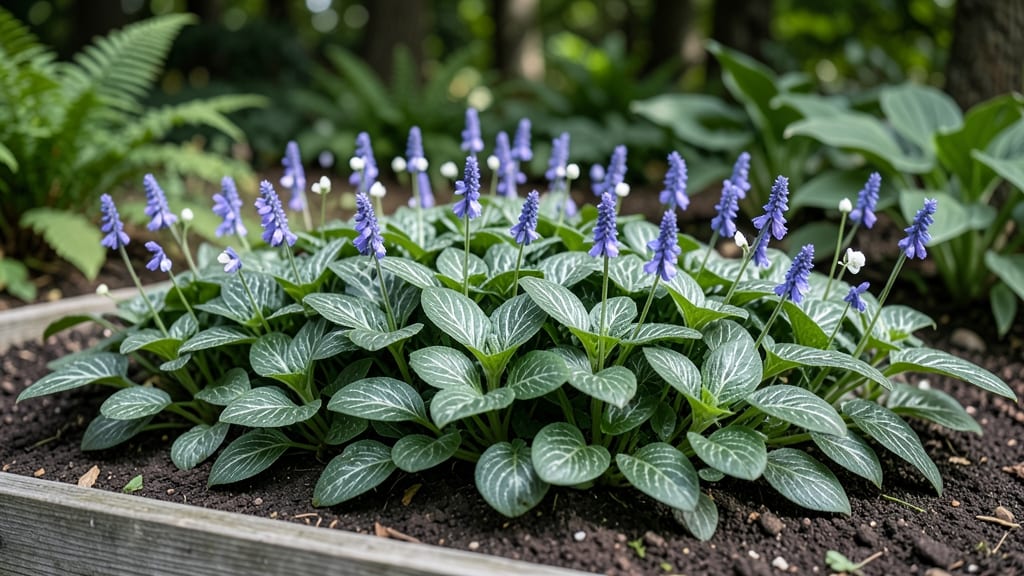
My Pacific Northwest garden needed a small white flower ground cover that thrived in both sun and shade—until I found these three spreaders that turned bare spots into lush carpets. 🌿 The right plant doesn’t just fill space; it transforms the whole look with delicate blooms and year-round interest.
Ajuga reptans (Bugleweed) spreads like a living ground cloth, its purple stems contrasting with tiny white flowers in spring. Lamium maculatum (Spotted Dead Nettle) brings silvery foliage and starry white blooms that last all summer.
Strawberry Begonia (Saxifraga stolonifera) trails gently with soft white flowers and deep green leaves. All three handle our rainy climate, suppress weeds, and pair beautifully with ferns, hostas, or shrubs.
You’ll get a nearly maintenance-free solution that brightens shady corners or edges sunlit paths. The white flowers attract pollinators, while the dense growth keeps soil cool and moist—perfect for under trees or between stepping stones. Plant them in early spring or fall for the best establishment.
For extra impact, layer them with shade-tolerant bulbs like snowdrops or alliums. These plants prove that ground covers can be both practical and stunning—without the fuss. Let’s get your garden looking effortlessly polished!
📚 In This Guide
- What you need
- Instructions
- Tips and common mistakes
- Wrapping up and next steps
What you need
- ● Ground cover plants: Choose from PNW-tested varieties like Ajuga reptans (Bugleweed), Lamium galeobdolon (Dead Nettle), or Saxifraga stolonifera (Strawberry Geranium). You’ll need 10–15 plants per 10 sq. ft. for full coverage.
- ● Well-draining potting mix: 1–2 cubic yards (depending on area). Opt for a blend with 30–40% compost for nutrient-rich soil.
- ● Organic mulch: 2–3 inches of shredded bark or wood chips to retain moisture and suppress weeds.
- ● Garden gloves & knee pads: For comfort during planting.
- ● Hand trowel or transplant spade (for delicate root systems).
- ● Garden hose with adjustable nozzle (for gentle watering).
- ● Pruners or shears (to trim overgrown foliage post-planting).
- ● Measuring tape or string & stakes (to mark planting layout).
- ● Slow-release fertilizer (e.g., 10-10-10 NPK) for initial nutrient boost.
- ● Epsom salt (1 tbsp per gallon of water) if soil tests low in magnesium.
- ● Landscape fabric (under mulch) to block weeds in high-traffic areas.
- ● Drip irrigation kit for automated watering in dry spells.
Step-by-step guide for planting Pacific Northwest-tested white flowering ground covers
Here's how to establish a lush, low-maintenance ground cover that thrives in your region's unique climate.
🌱 Step 1: Prepare the Soil for Optimal Spread
The Pacific Northwest's acidic, often compacted soils need special attention. Work in 2-3 inches of compost and a handful of slow-release organic fertilizer per square foot to encourage vigorous root development. Use a broadfork to loosen the top 6 inches of soil without turning it—this preserves soil structure while improving drainage.
Test your soil's pH before planting. Most white-flowering ground covers prefer a slightly acidic to neutral range of 5.5-7.0. If your soil tests lower than 5.0, add pelletized lime according to package instructions. The goal is to create an environment where roots can spread freely without competing with weeds.
🪴 Step 2: Choose and Plant the Right Varieties for Your Conditions
Select plants proven to thrive in your specific light conditions. For full sun areas, white creeping phlox or white alpine strawberry will spread beautifully, while white ajuga or white foamflower excel in partial shade. Plant in early spring or fall when temperatures are mild—this gives roots 6-8 weeks to establish before summer heat or winter cold.
Space plants 12-18 inches apart in rows 18-24 inches apart to allow for natural spreading. Dig holes just deep enough to accommodate the root ball without burying the crown. The top of the root ball should sit ½ inch above soil level—burying too deep can cause rot. Water each plant deeply immediately after planting to eliminate air pockets.
☀️ Step 3: Establish Proper Watering and Light Conditions
Water newly planted ground covers 2-3 times per week for the first 4-6 weeks until you see new growth. After establishment, most white-flowering ground covers are drought-tolerant once established, but they'll spread more aggressively with consistent moisture. You'll know you're watering correctly when the soil feels damp but not soggy 2 inches below the surface.
Monitor light exposure closely. If leaves begin to yellow or plants look stressed, they may need more shade. Conversely, if growth appears sparse, they might need 2-4 more hours of sunlight daily. The Pacific Northwest's variable cloud cover means you'll need to adjust positioning throughout the growing season—watch for plants leaning toward light sources and rotate them periodically.
✂️ Step 4: Maintain Through the Growing Season
Remove spent flowers by deadheading every 2-3 weeks during the blooming season. This encourages continuous flowering and prevents self-seeding, which can create unwanted volunteers. Use sharp pruners to cut back stems to just above the first set of leaves—this promotes bushier growth and prevents legginess.
In late summer, give your ground cover a light trim to ½ its height to tidy up appearance and encourage fresh fall growth. This is also the time to check for weeds—hand-pull any emerging competitors before they compete with your ground cover's roots. The Pacific Northwest's mild winters mean many ground covers stay green year-round, but a light mulch of 2-3 inches of shredded bark helps protect roots during occasional freezes.
Tips & tricks for perfect small white flower ground cover planting
These practical insights will help you create a thriving, low-maintenance ground cover that transforms your Pacific Northwest garden.
Soil Preparation Secret: When loosening the top 6 inches with a broadfork, focus on breaking up compaction horizontally rather than digging vertically. This creates horizontal root pathways that help your ground cover spread more aggressively. I've found that adding a thin layer of coarse sand (about ¼ inch) mixed into the compost helps improve drainage in our notoriously dense soils. This small adjustment prevents waterlogging during our frequent winter rains.
Planting Depth Matters: The ½-inch elevation of the root ball above soil level is critical—it prevents crown rot while allowing roots to access moisture. I learned this the hard way after burying plants too deeply, which led to fungal issues during our damp springs. For container-grown plants, gently squeeze the root ball to check moisture before planting; it should feel damp but not soggy. This ensures immediate root contact with moist soil upon planting.
Watering Wisdom: During the first 4-6 weeks, water in the early morning to allow foliage to dry before evening. This prevents fungal diseases that thrive in our humid climate. I use a rain gauge to measure 1-1.5 inches of water per session—this ensures consistent moisture without overwatering. The damp-but-not-soggy test at 2 inches deep is your best guide; use a screwdriver to check if you're unsure.
Light Adjustment Strategy: If your plants show signs of stress (yellowing or sparse growth), rotate them quarter-turns every 2-3 weeks instead of moving them. This gradual adjustment helps them adapt to changing light conditions without shock. I've seen white ajuga in particular benefit from this approach during our variable summer sun patterns. The goal is to find that sweet spot where they get just enough light to thrive without burning.
Pro Tips for Small White Flower Ground Cover
- These practical insights will help you create a thriving, low-maintenance ground cover that transforms your Pacific Northwest garden.
- Soil Preparation Secret: When loosening the top 6 inches with a broadfork, focus on breaking up compaction horizontally rather than digging vertically.
- Planting Depth Matters: The ½-inch elevation of the root ball above soil level is critical—it prevents crown rot while allowing roots to access moisture.
Frequently asked questions
Got questions about small white-flowered ground covers? You’re not alone! Here are answers to the most common queries—from planting to troubleshooting—so you can pick the perfect PNW-friendly spreader with confidence.
What’s the fastest-spreading small white flower ground cover for the Pacific Northwest?
For quick coverage, Creeping Phlox (Phlox subulata) or White Dutch Clover (Trifolium repens) are top picks. Both spread aggressively (1–2 feet per year) and thrive in sun or partial shade. For shade, try White Dead Nettle (Lamium album), which grows steadily but is less invasive.
When is the best time to plant these ground covers?
Spring (March–May) or early fall (September–October) are ideal. Avoid summer heat or winter frost, which can stress plants. For bare-root varieties, plant as soon as possible after purchase—soak roots for 1–2 hours before installing.
How do I keep small white flower ground covers from spreading too much?
Use edging (like metal or plastic barriers) to contain aggressive spreaders. For clover or creeping phlox, trim excess growth in early spring. Ajuga (Bugleweed) or Heuchera are slower-spreading alternatives if you prefer low-maintenance borders.
Are these plants deer- or pest-resistant?
Most small white-flowered ground covers are deer-resistant, but Creeping Phlox may tempt them. Ajuga and Lamium are deer-proof. For pests, watch for slugs (especially on tender new growth)—use organic slug bait or diatomaceous earth if needed.
Do they need extra watering, or are they drought-tolerant?
Once established, most PNW-tested ground covers (like Sedum ‘Dragon’s Blood’ or Thyme) are drought-tolerant. Water deeply 1–2 times per week for the first year, then reduce to occasional watering. Mulch helps retain moisture and suppress weeds.
What’s a good alternative if I want no flowers, just foliage?
Try White Mondograss (Ophiopogon japonicus ‘Albus’) for a grass-like, evergreen option or Variegated Sweet Woodruff (Galium odoratum) for delicate, shade-loving foliage. Both stay low, spread gently, and add texture without blooms.
Wrapping up and next steps
Transforming your Pacific Northwest garden into a lush, low-maintenance paradise is easier than you think!
Small white flower ground covers like Ajuga reptans or Lamium galeobdolon offer year-round beauty, resilience, and adaptability—whether your space thrives in sun or shade. 🌸 With the right prep, these plants will spread effortlessly, outcompeting weeds and adding texture to your landscape.
Ready to take the next step? Start small—pick one variety to test in a corner of your garden, then expand as you see it thrive. Happy planting, and may your garden bloom with confidence! 🌿