Flowers
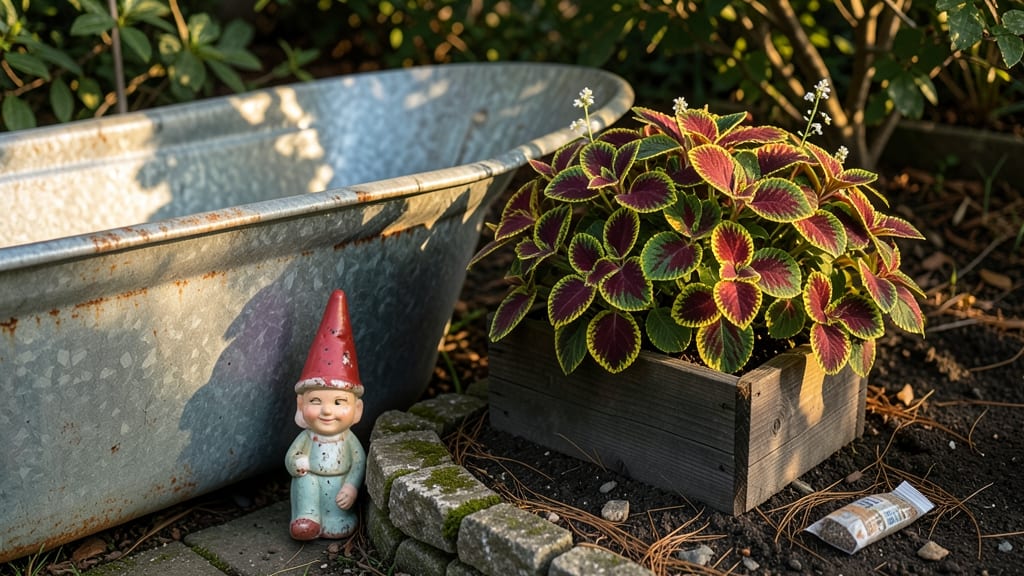
Transforming an old bathtub into a whimsical vertical garden turns discarded space into a thriving oasis—no digging, no waste, just pure creativity. 🌸 I’ve turned three discarded tubs into lush flower beds that catch neighbors’ eyes every time they walk by.
The key? Matching plants to the tub’s shape and drainage needs while keeping maintenance simple.
You’ll need a sturdy tub, lightweight potting mix, and plants that love trailing or cascading—think ferns, petunias, or creeping thyme. Drainage holes aren’t required if you use a liner, but adding a layer of gravel at the bottom prevents soggy roots.
My tubs stay vibrant all summer with just 10 minutes of care a week, and the colors pop against any patio or balcony.
The payoff? A zero-waste garden that adds height, texture, and charm without taking up ground space. You’ll love the way trailing flowers spill over the edges, creating a living waterfall effect. Plus, it’s the perfect project for renters or small spaces—no permanent changes, just instant curb appeal.
Works for drought-tolerant zones, shady corners, or sunny spots—just adjust your plant choices. Let’s get that tub blooming!
📚 In This Guide
- What you need
- Instructions
- Tips and common mistakes
- Wrapping up and next steps
What you need
- ● 1 clean, sturdy bathtub (fiberglass, acrylic, or porcelain—avoid chipped or cracked ones!)
- ● Drainage solution: 1–2 layers of landscape fabric (to prevent soil from clogging the drain)
- ● Small gravel or pebbles (1–2 inches deep, for drainage)
- ● Potting soil (1–2 bags, well-draining mix like cactus or succulent soil)
- ● Drain plug or stopper (to prevent soil from escaping)
- ● Basic gardening tools: 1 small trowel or hand shovel
- ● 1 pair of gardening gloves
- ● 1 spray bottle (for watering)
- ● Decorative elements: Paint or chalk (for customizing the bathtub)
- ● Moss or decorative stones (for a cohesive look)
- ● Plant picks (choose based on sunlight and care level): Succulents (e.g., sedum, echeveria)
- ● Herbs (e.g., mint, thyme)
- ● Small ferns or air plants (for shade)
- ● Watering system: Self-watering kit (for low-maintenance care)
- ● Drip irrigation line (if placing outdoors)
How to create a whimsical bathtub flower bed
Transform a discarded tub into a charming vertical garden with these simple steps.
🪴 Step 1: Clean and Prepare the Bathtub
Start by thoroughly cleaning the bathtub with warm, soapy water and a scrub brush to remove any soap residue, grime, or mold. I like to use a mix of 1 part white vinegar to 3 parts warm water—it cuts through grease and disinfects without harsh chemicals. Rinse completely and let it dry in full sun for at least 24 hours to ensure no moisture remains.
Once dry, inspect the tub for any cracks or sharp edges. Sand down rough spots with 120-grit sandpaper to prevent snagging on liners or plant roots. If the tub has a drain, cover it with a plastic mesh screen (cut to fit) to prevent soil from washing out while still allowing drainage. This is the foundation—skip this step, and your garden will struggle with moisture control.
🌱 Step 2: Line and Fill with Drainage and Soil
Lay a heavy-duty landscape fabric or burlap sack over the bottom of the tub to protect drainage holes and prevent soil from falling out. Secure it with a few staples or by tucking it neatly into the sides. Next, add a 2-inch layer of small river rocks or perlite for drainage—this keeps roots from sitting in soggy water, which causes rot.
Now, fill the tub with 3-4 inches of lightweight potting mix, tamped down gently to remove air pockets. I use a mix of 50% coco coir, 30% perlite, and 20% compost for excellent drainage and nutrient retention. Avoid garden soil—it compacts and suffocates roots. Leave about 1 inch of space at the top for watering and plants.
☀️ Step 3: Choose and Plant Your Flowers
Select plants that thrive in containers and have similar water needs. For a whimsical look, I love trailing plants like petunias, ferns, or creeping thyme mixed with upright flowers like geraniums or snapdragons. Dig small holes—just deep enough to accommodate the root ball—and gently place each plant in its spot.
Press the soil around the base of each plant to secure it, then water lightly to settle everything. Space plants 4-6 inches apart to allow airflow and prevent overcrowding. Here’s the thing—if you’re using succulents, mix in extra perlite to keep the soil dry. For moisture-loving plants like impatiens, add a 1-inch layer of peat moss on top to retain humidity.
💧 Step 4: Water and Position for Success
Water the tub thoroughly until water drains from the bottom. Let it sit for 10-15 minutes, then drain any excess from the overflow. Place your tub in a location with 4-6 hours of sunlight daily—most flowers need this to bloom. If your space is shady, opt for hostas, ferns, or caladiums instead.
Check the soil moisture daily for the first week. Stick your finger 1 inch deep—if it feels dry, water again. Overwatering is the biggest mistake here; roots need air as much as moisture. After the first week, water every 2-3 days, adjusting for your climate. You’ll notice new growth within 7-10 days—that’s your reward for setting it up right!
Tips & tricks for perfect vertical flower gardens
Here's what nobody tells you about making your bathtub garden thrive—and how to avoid the most common pitfalls.
The Cleaning Secret: That 24-hour drying time in Step 1 is non-negotiable. I learned this the hard way after my first tub developed mold within days. Place the tub on a baking sheet or tray to catch any drips, and prop it in direct sunlight if possible. The vinegar solution works wonders, but for stubborn stains, sprinkle baking soda on a damp sponge before scrubbing—it lifts grime like magic.
Drainage Hack: In Step 2, don't just eyeball that 2-inch drainage layer. Use a straightedge or ruler to ensure even distribution—especially important if your tub isn't perfectly level. For extra insurance, add a second layer of landscape fabric between the rocks and soil to prevent fine particles from clogging the drainage. This keeps roots happy and prevents that dreaded soggy bottom syndrome.
Plant Pairing Strategy: When selecting plants in Step 3, group them by their water needs rather than just aesthetics. I like to create "zones" in my tub: the front gets moisture-loving plants like impatiens, while the back gets drought-tolerant succulents. This way, you're not constantly adjusting your watering routine. Pro tip: Mix in some edible plants like thyme or chives—they'll thrive in containers and add a functional touch to your decorative garden.
Sunlight Troubleshooting: That 4-6 hours of sunlight recommendation in Step 4 is a guideline, not a rule. If your space only gets 3 hours, choose shade-tolerant varieties like ferns or caladiums. For partial shade, opt for coleus or begonias. The key is observing your plants' reaction—if leaves yellow or growth stalls, they're not getting enough light. You can supplement with a small grow light if needed, especially during winter months.
Pro Tips for Bathtub Flower Bed
- Here's what nobody tells you about making your bathtub garden thrive—and how to avoid the most common pitfalls.
- The Cleaning Secret: That 24-hour drying time in Step 1 is non-negotiable.
- Drainage Hack: In Step 2, don't just eyeball that 2-inch drainage layer.
Frequently asked questions
Got questions about creating your own bathtub flower bed? Here are some of the most common ones—and their easy answers!
Can I use any old bathtub for a flower bed?
Not all bathtubs are equal! Opt for a fiberglass or acrylic tub—they’re lightweight, durable, and won’t crack under plant weight. Avoid porcelain or cast iron; they’re heavier and prone to damage. If repurposing, clean the tub thoroughly with vinegar or mild soap to remove residue before planting.
When is the best time to start my bathtub garden?
Spring or early fall is ideal! These seasons offer mild temperatures and steady rainfall, giving plants a smooth transition. If you’re in a warm climate, you can plant year-round—but avoid extreme heat or frost. Pro tip: Start seeds indoors 4–6 weeks before your last frost date for a head start!
How do I keep my bathtub garden from drying out or getting too soggy?
Drainage is key! Poke 1–2-inch holes in the tub’s base (if it’s not self-draining) and line it with landscape fabric to prevent soil from washing out. For watering, use a spray nozzle or drip irrigation to avoid over-saturating. Pro tip: Group plants with similar water needs together—succulents near the edges, thirstier flowers in the center.
What are some low-maintenance plants for a bathtub flower bed?
Start with hardy, drought-tolerant plants like sedum, lavender, or portulaca. Herbs like thyme and rosemary thrive in shallow soil and add fragrance. For color, try petunias or marigolds—they’re resilient and bloom nonstop. Pro tip: Avoid heavy feeders like tomatoes; they’ll drain nutrients fast in a small space.
My plants are wilting—what’s wrong?
Check these first:
- Overwatering: Soggy soil cuts off oxygen roots need. Let the top inch dry before watering again.
- Underwatering: Crispy leaves? Water deeply but less often—bathtubs dry out fast.
- Poor drainage: If water pools, add perlite or sand to the soil mix.
- Pests: Tiny holes or chewed leaves? Spray with neem oil or introduce ladybugs.
What can I do with my bathtub if I don’t want flowers?
Get creative! Turn it into a:
- Vegetable garden: Grow lettuce, radishes, or green onions—they love shallow roots.
- Herb spiral: Plant basil, cilantro, and mint in a circular pattern for easy harvesting.
- Succulent display: Arrange echeveria or haworthia in a geometric pattern for a modern look.
- Compost bin: Drill holes and layer scraps with soil to break down waste.
Wrapping up and next steps
Transforming an old bathtub into a lush, zero-waste flower bed is more than just a creative gardening hack—it’s a celebration of sustainability and beauty! 🌿 With minimal effort and a dash of imagination, you’ve unlocked a space-saving solution that brings nature indoors (or outdoors) while reducing waste.
Whether you’re a seasoned gardener or a newbie with a green thumb, this project proves that small spaces can grow big ideas.
Ready to take the next step? Start small:
- Experiment with one tub and expand your collection over time.
- Share your progress on social media—inspire others to repurpose and reimagine!
- Try edible plants like herbs or strawberries for a functional twist.