
Flowers
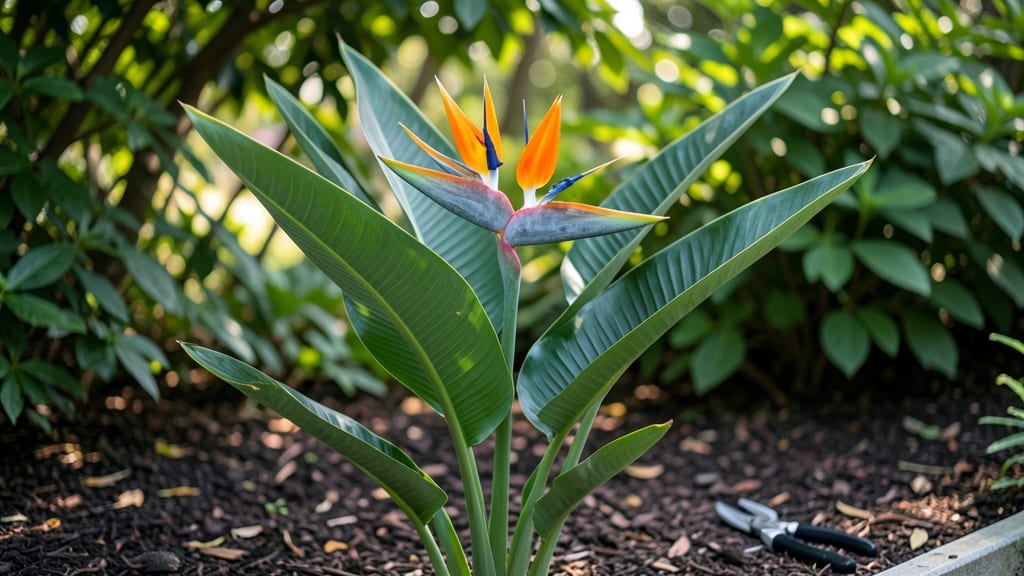
The bird of paradis flower (Strelitzia reginae) brings jungle drama to any garden or patio—those bold orange-and-blue blooms look like they belong in a rainforest, not your backyard. 🌿 I’ve grown mine in both containers and in-ground beds, and the secret to success isn’t complicated: mimic its tropical roots with just the right light, soil, and water.
Most people overthink it, but once you nail these basics, your plant will reward you with showstopping flowers for years.
This plant thrives in bright, indirect light—think morning sun and afternoon shade—making it perfect for patios or sheltered garden spots. The soil mix should be well-draining but moisture-retentive, and watering should be consistent but never soggy.
My 10-gallon container version gets watered twice a week in summer, while the in-ground plant handles itself with just a little extra attention during dry spells. The key? Don’t let it dry out completely, but avoid waterlogged roots.
You’ll start seeing those iconic blooms in late winter or early spring, and with proper care, your bird of paradis can produce flowers for months at a time. The leaves stay lush and tropical-looking year-round, adding instant drama to any space.
Pruning is minimal—just remove dead leaves or yellowing foliage to keep it tidy. Even in cooler climates, this plant can survive outdoors with a little winter protection.
Whether you’re growing it in a pot on your balcony or planting it in the ground, the bird of paradis is a low-maintenance way to bring exotic beauty to your outdoor space. Let’s get yours thriving!
📚 In This Guide
- What you need
- Instructions
- Tips and common mistakes
- Wrapping up and next steps
What you need
- ● Bird of Paradise Plant: 1 mature plant (3–5 feet tall) from a nursery or online retailer (ensure it’s potted or bare-root with roots intact).
- ● Well-Draining Potting Mix: 5–10 gallons of cactus or palm mix (or a blend of 60% peat moss, 20% perlite, and 20% sand for DIY).
- ● Container (if planting in pots): 1 large container (18–24 inches in diameter) with drainage holes. Pro tip: Terracotta or fiberglass works best for heat retention! 🌡️
- ● Garden Spot (if planting outdoors): Full sun to partial shade (6+ hours of sunlight daily).
- ● Well-draining soil (amend with compost if your soil is heavy).
- ● Gloves (to protect hands from thorns or rough edges).
- ● Trowel or shovel (for digging and transplanting).
- ● Watering can or hose with a gentle nozzle (avoid over-saturating roots).
- ○ Mulch (optional but recommended): 2–3 inches of organic mulch (e.g., bark or pine needles) to retain moisture and regulate soil temp.
- ○ Fertilizer (optional): Balanced 20-20-20 fertilizer or a slow-release granular formula (apply in spring/summer).
- ○ Support stake (optional): 1–2 bamboo stakes or a trellis if your plant leans heavily (especially in containers).
- ○ Pruning shears (optional): For trimming dead leaves or shaping the plant after flowering.
Step-by-step instructions for planting and caring for bird of paradise
This striking tropical beauty thrives with the right balance of sun, space, and patience.
🪴 Step 1: Choose the Perfect Planting Location
Bird of paradise (Strelitzia reginae) craves full sun—at least 6 hours of direct light daily. In containers, place them where they’ll receive morning sun and afternoon shade in hot climates, or full sun year-round in cooler zones. If outdoors in winter, move pots to a sheltered spot where temperatures stay above 40°F—cold snaps will damage leaves.
For in-ground planting, select a location with well-draining soil and 6-8 feet of clearance—this plant grows 4-8 feet tall and spreads 4-6 feet wide. Amend heavy clay soil with 3-4 inches of compost to improve drainage. Avoid low-lying areas where water pools after rain.
Here's the thing—bird of paradise hates soggy roots. If your soil drains poorly, raise the plant in a slightly elevated bed or mound. You’ll notice new growth is more vigorous when roots aren’t struggling for oxygen.
🌱 Step 2: Plant with Proper Spacing and Soil Prep
Dig a hole twice as wide as the root ball but only as deep as the container’s drainage holes. This prevents burying the crown too deeply, which can cause rot. Gently loosen the roots if they’re circling the pot—this encourages outward growth rather than root-bound stress.
Mix the excavated soil with equal parts compost to create a loose, airy medium. The goal is fertile but well-draining soil—bird of paradise roots need room to breathe. Fill the hole, pressing lightly to eliminate air pockets, then water deeply until moisture reaches 6 inches down.
For container planting, use a 15-20 gallon pot with drainage holes. Fill with a blend of 50% potting mix, 30% perlite, and 20% compost. This ratio prevents compaction while retaining enough moisture for tropical roots. Real talk: I’ve seen people skimp on pot size, and within a year, the plant becomes root-bound and stops flowering.
☀️ Step 3: Water Deeply and Establish a Routine
Water once a week during the first month to help roots establish, then adjust based on soil dryness. Stick your finger 2 inches into the soil—if it feels dry, water until moisture reaches 6 inches deep. Overwatering is the #1 killer of bird of paradise; yellowing leaves usually mean roots are drowning.
In containers, you’ll need to water every 5-7 days in summer (more in full sun) and every 10-14 days in winter. Mulch with 2-3 inches of organic mulch (like shredded bark) to retain moisture and regulate soil temperature. This step alone cuts watering needs by nearly 30%.
Fertilize monthly during spring and summer with a balanced 10-10-10 or 20-20-20 fertilizer diluted to half strength. In fall and winter, reduce to every 6-8 weeks. You’ll see stronger stems and more vibrant foliage within 4-6 weeks of consistent feeding.
✂️ Step 4: Prune and Encourage Flowering
Prune in early spring to remove dead or yellowing leaves at the base. Cut back any stems that flowered the previous year—this redirects energy to new growth. Use clean, sharp pruners and make cuts at a 45-degree angle just above a leaf node to prevent water from pooling.
To encourage flowering, ensure the plant gets full sun and consistent moisture. Mature plants (3+ years old) need 6-8 hours of direct light daily to produce those iconic orange-and-blue blooms. If your plant isn’t flowering, it’s likely getting too much shade or not enough fertilizer. I’ve had mine bloom reliably for years by sticking to this routine.
After flowering, you can remove spent blooms to keep the plant looking tidy. But leave the seed pods if you want to propagate new plants—just collect seeds before they dry out completely. The pods take 6-8 months to mature, so be patient!
⏰ Step 5: Overwinter Care for Longevity
In USDA Zones 9-11, bird of paradise can stay outdoors year-round. But in colder zones, bring potted plants indoors before temperatures drop below 40°F. Choose a spot with bright, indirect light (like an east-facing window) and 50-60% humidity. Reduce watering to every 2-3 weeks—the plant enters a natural dormancy.
If outdoors in winter, wrap the base with burlap or frost cloth to protect roots from freezing. Even in mild winters, mulch heavily (4-6 inches) to insulate roots. You’ll notice new growth in spring if the roots stayed warm and dry.
Here’s where it gets fun—bird of paradise can live for decades with proper care. The key is consistency: full sun, well-draining soil, and seasonal adjustments. Watch for new leaves unfurling in spring—that’s your reward for winter prep done right.
Tips & tricks for perfect bird of paradise planting
A few simple strategies will help your tropical beauty thrive for decades.
Sunlight Strategy: When selecting that perfect 6 hours of direct light, prioritize morning sun exposure—it's gentler on the leaves and prevents scorching. I've noticed my plants in full afternoon sun develop slight browning on leaf edges, so morning light is ideal for most climates. For containers, rotate them every few weeks to ensure even light exposure all around the plant.
Soil Science: The 50% potting mix, 30% perlite, 20% compost blend in containers is non-negotiable for drainage. But here's what nobody tells you—add a handful of coarse sand to that mix if your area has particularly dense soil. This creates larger air pockets that prevent root suffocation. I've seen plants in heavy clay soil struggle even with compost amendments, but adding sand makes all the difference.
Watering Wisdom: That 2-inch soil dryness check is your golden rule, but timing matters too. Water in the early morning so leaves dry completely by evening—this prevents fungal issues. I've had to rescue plants with yellowing leaves where owners watered at night, creating a damp environment that encouraged rot. Consistency is key: stick to your 5-7 day summer schedule and you'll avoid the most common mistake.
Fertilizer Timing: The monthly spring/summer feeding schedule works, but I've found a better approach: fertilize right after your first deep watering of the season. This gives the roots a jumpstart on nutrient absorption. Also, if you notice new growth slowing after 4-6 weeks, it's time to increase to every 3 weeks temporarily—your plant is telling you it needs more nutrients to support that vigorous growth.
Pro Tips for Bird Of Paradis Flower
- A few simple strategies will help your tropical beauty thrive for decades.
- Sunlight Strategy: When selecting that perfect 6 hours of direct light, prioritize morning sun exposure—it's gentler on the leaves and prevents scorching.
- Soil Science: The 50% potting mix, 30% perlite, 20% compost blend in containers is non-negotiable for drainage.
Frequently asked questions
Got questions about growing and caring for the stunning Bird of Paradise flower? You’re not alone! Here are some of the most common queries—plus quick, practical answers to help you keep your tropical beauty thriving.
How much sunlight does a Bird of Paradise flower need?
The Bird of Paradise flower thrives in bright, indirect light but can tolerate a few hours of morning sun. In containers, place it near a south- or west-facing window (but avoid harsh afternoon rays). If leaves yellow or droop, it’s likely getting too much direct sun—try moving it to a slightly shadier spot.
Why isn’t my Bird of Paradise flowering?
Patience is key—these plants often take 2–3 years to bloom indoors! Ensure it gets enough light, water, and nutrients (fertilize monthly in spring/summer). Overcrowded roots or lack of winter rest (cooler temps) can also delay blooms. If it’s mature but still not flowering, try moving it outdoors for part of the summer for a natural light boost.
How often should I water my Bird of Paradise?
Water when the top 1–2 inches of soil feel dry—typically every 1–2 weeks, depending on humidity and pot size. Overwatering is the #1 killer! Ensure pots have drainage holes, and avoid letting it sit in soggy soil. Yellow leaves or mushy stems? You’re likely overdoing it. Let the soil dry out more between waterings in winter.
Can I grow a Bird of Paradise in a small container?
Yes! Start with a 10–12 inch pot for young plants, upgrading to 14–16 inches as it grows. These plants have large roots, so cramped spaces stunt growth and flowering. If repotting, choose a container just 2–3 inches larger in diameter and use well-draining, slightly acidic soil. Pro tip: Divide mature plants every 3–4 years to refresh growth!
What pests should I watch for, and how do I treat them?
Bird of Paradise flowers are generally pest-resistant, but spider mites and mealybugs can occasionally strike. Wipe leaves with a damp cloth to remove dust (which attracts pests), and spray with neem oil or insecticidal soap if you spot tiny webs or cottony clusters. For severe infestations, isolate the plant and repeat treatment every 5–7 days.
Wrapping up and next steps
The Bird of Paradis flower is a breathtaking addition to any garden or container, bringing exotic beauty and vibrant energy to your outdoor space. 🌺 With its striking orange-and-blue blooms and minimal care requirements, it’s perfect for both seasoned gardeners and beginners eager to embrace tropical flair.
Whether you’re drawn to its bold colors or its hardy nature, this flower is a rewarding choice!
Ready to bring home your own piece of paradise? Start by selecting the right variety—whether for full sun or partial shade—and gather your supplies. Then, follow the planting tips to ensure a thriving, show-stopping display. Happy gardening! 🌿