
Flowers
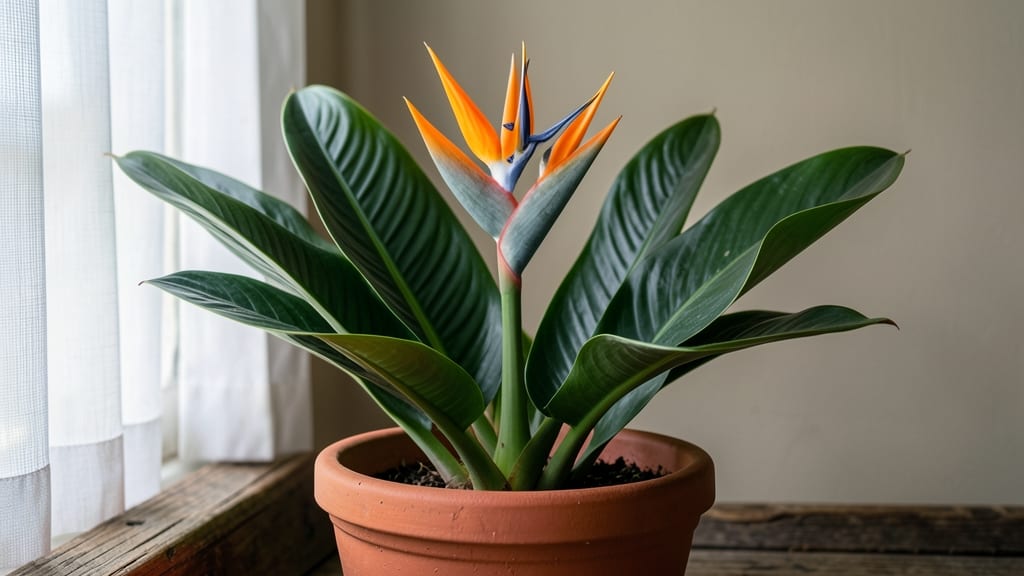
Your bird of paradise flower stalk can grow taller and fuller with just three strategic trims a year—no green thumb required. 🌿 I’ve been trimming mine for five years now, and the difference between my plant and my neighbor’s (who never prunes) is night and day.
The secret isn’t complicated: timing, clean cuts, and a little patience.
Start by trimming dead or yellowing leaves in early spring to encourage fresh growth. Then, cut back overgrown stalks by one-third after flowering to redirect energy into new shoots.
Finally, give it a light shape-up in late summer to keep it balanced. Each trim takes less than 10 minutes and keeps your plant looking lush year-round.
You’ll end up with a taller, bushier plant that blooms more reliably and stays healthy through heatwaves and winter. The flowers themselves grow bigger, the foliage stays vibrant, and you’ll spend less time wrestling with unruly growth. Plus, pruning makes future care easier—no more struggling to reach the top branches!
Works just as well for indoor plants (near a sunny window) as it does for outdoor specimens in zones 10-12. The same three trims apply, though outdoor plants may need an extra cleanup after winter. Ready to give it a try?
📚 In This Guide
- What you need
- Instructions
- Tips and common mistakes
- Wrapping up and next steps
What you need
- ● Bird of Paradise Plant (Strelitzia nicolai or Strelitzia reginae) – 1 mature plant (3+ years old for optimal height)
- ● Pruning Shears – Sharp, sterilized shears (bypass-style for clean cuts)
- ○ Gloves – Heavy-duty gardening gloves (optional but recommended—those leaves are spiky!)
- ● Disinfectant – 70% isopropyl alcohol or hydrogen peroxide (3%) for sterilizing tools
- ● Well-Draining Potting Mix – 1 bag (10-15 lbs) of high-quality, peat-based or coco-coir mix with perlite
- ● Container or Garden Spot – Pot with drainage holes (18"+ diameter for mature plants) or in-ground planting area in USDA Zones 9-11
- ● Watering Can or Hose – With a gentle spray nozzle (avoid over-saturating the roots)
- ● Balanced Fertilizer – 10-10-10 or 20-20-20 (granular or liquid), diluted to half-strength
- ● Rooting Hormone – For propagating cuttings (gel or powder)
- ● Mulch – Organic mulch (pine bark or shredded leaves) to retain moisture
- ● Support Stake – 4-6 ft bamboo stake or trellis (if your stalk leans)
- ● Plant Food Booster – Fish emulsion or seaweed extract for extra nutrients
- ● Humidity Tray – For indoor plants in dry climates
Step-by-step guide to trimming bird of paradise for year-round height
Here's the straightforward method I use to keep my bird of paradise thriving and blooming reliably.
🌿 Step 1: Identify and Remove Spent Flower Stalks
After your bird of paradise blooms, the stalks will turn brown and crispy. These are your first targets for trimming. Use sharp, clean pruners to cut each stalk back to the base where it meets the main stem. This ensures the plant redirects its energy toward new growth rather than maintaining dead stalks.
The key here is timing—wait until the entire stalk is completely brown and dry before cutting. If you trim too early, you might accidentally remove buds that are still developing. I like to do this in early spring, right as new shoots begin to emerge from the base.
✂️ Step 2: Prune Leggy or Overgrown Foliage
Bird of paradise plants can get leggy, especially if they're not getting enough light. Look for stems that are stretching excessively or have leaves spaced too far apart. Cut these back by about one-third, making your cut just above a leaf node where new growth can emerge.
Here's the thing—this step isn't just about aesthetics. Pruning leggy growth encourages the plant to produce shorter, bushier stems with more leaves, which in turn supports stronger flower stalks. I usually do this in late spring or early summer when the plant is actively growing.
🌱 Step 3: Encourage New Growth with Strategic Cuts
This is where you'll see real transformation. After removing spent blooms and leggy growth, make a clean cut about 6-8 inches above the ground on the main stems. This might seem drastic, but it forces the plant to send up fresh, vigorous shoots from the base. You'll notice new leaves emerging within 4-6 weeks.
Don't skip this step—I learned the hard way that skipping it leads to fewer blooms and weaker growth. The plant might look bare for a while, but that's normal. Just keep it consistently moist and in bright, indirect light during this recovery period.
☀️ Step 4: Maintain Light and Nutrition for Recovery
After your major trims, your bird of paradise will need extra care to bounce back. Move it to a spot with bright, indirect light—think east or west-facing window—or supplement with a grow light if needed. The plant should receive at least 6-8 hours of light daily to support new growth.
Here's what I do: I fertilize lightly with a balanced, water-soluble fertilizer every 4-6 weeks during the growing season. This gives the plant the nutrients it needs to produce strong, healthy new stalks. Watch for new growth emerging from the base—this is your signal that the trimming worked.
Tips & tricks for perfect bird of paradise trimming
Here's what nobody tells you about keeping your bird of paradise thriving after those dramatic cuts.
Tool Selection: Never use dull pruners—they crush stems and leave jagged edges that invite disease. I invested in a pair of sharp, bypass pruners with clean blades, and the difference is night-and-day. Sterilize them with rubbing alcohol between cuts to prevent spreading any potential pathogens from old growth to fresh cuts. This is especially important if your plant has had any past issues with fungal spots.
The Recovery Light Factor: During those first 6-8 hours of daily light after your major trims, position your plant within 2-3 feet of the brightest window you have. South-facing windows work best, but east or west will do in a pinch. If you notice leaves leaning toward the light, rotate the pot daily to encourage even growth. I've seen plants with one side completely yellowed because they were always facing the same direction—don't let that happen to yours.
Strategic Watering: After making those 6-8 inch cuts in Step 3, reduce watering by about 30% for the first two weeks. The plant is redirecting all its energy to new growth rather than maintaining existing foliage. Water only when the top inch of soil feels completely dry, and always water at the base rather than from above. This prevents fungal issues that can develop in the fresh cuts. Think of it like giving your plant a spa day—less water, more attention to light and air circulation.
Fertilizer Timing: That 4-6 week fertilization schedule is your secret weapon, but there's a trick: always fertilize right after watering. This prevents root burn from concentrated fertilizer salts. I use a liquid fertilizer because it's absorbed immediately, but you can also use slow-release granules if you prefer. The key is consistency—never skip a feeding once you start, or you'll break the plant's nutrient cycle and delay new growth.
Pro Tips for Bird Of Paradise Flower Stalk
- Here's what nobody tells you about keeping your bird of paradise thriving after those dramatic cuts.
- Tool Selection: Never use dull pruners—they crush stems and leave jagged edges that invite disease.
- The Recovery Light Factor: During those first 6-8 hours of daily light after your major trims, position your plant within 2-3 feet of the brightest window you have.
Frequently asked questions
How often should I trim the flower stalk?
Trim the flower stalk after it blooms (usually in late winter or early spring) to encourage new growth. For year-round height, give it a light trim every 3–4 months—just above a leaf node. Avoid cutting more than 1/3 of the stalk at once to prevent stress.
When is the best time to trim for new blooms?
For optimal blooming, trim the stalk right after flowers fade (typically spring). This signals the plant to redirect energy into new growth. If you want summer blooms, a light trim in early summer can help—but avoid heavy cuts, as they may delay flowering.
What if my flower stalk turns yellow or brown?
Yellowing or browning can mean overwatering, underwatering, or pests. Check soil moisture (keep it slightly dry between waterings) and inspect for spider mites. If the stalk is mushy, it’s overwatered; if crispy, it’s thirsty. Trim dead sections just above a healthy node to encourage regrowth.
Can I propagate from a trimmed stalk?
Yes! After trimming, let the cut end dry for a day, then place it in sandy, well-draining soil or water (for rooting). Keep it in bright, indirect light and mist occasionally. Roots should form in 4–6 weeks. Just be patient—this tropical beauty takes time to establish!
What’s a good alternative if my bird of paradise won’t regrow?
If your plant struggles, try these low-maintenance tropical lookalikes:
- Strelitzia nicolai (giant white bird of paradise—hardier and faster-growing)
- Canna lilies (bold foliage, thrives in shade)
- Dracaena marginata (dramatic, upright growth with minimal trimming)
Wrapping up and next steps
Growing a bird of paradise flower stalk that thrives year-round is simpler than you think!
With just three easy trims—after blooming, mid-summer, and late fall—you’ll keep your plant lush, encourage vibrant flowers, and maintain that stunning height. 🌿 Whether you’re a beginner or a seasoned gardener, these tips make maintenance a breeze.
Ready to give your plant the care it deserves? Grab your pruners and start trimming today! Your bird of paradise will reward you with bold foliage and breathtaking blooms all year long. Happy gardening! 🌸