
Container Gardens
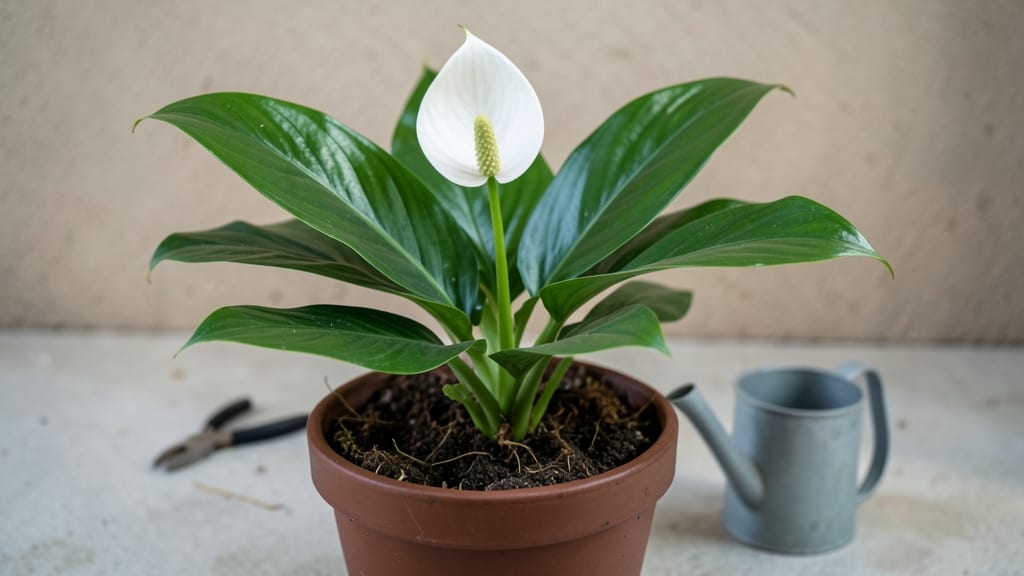
White flowers and glossy green leaves transform any room into a serene retreat. 🌿 I’ve tested dozens of indoor plants, and these elegant varieties bring effortless sophistication to bright spaces without demanding constant attention. The key? Choosing plants that thrive in average light and occasional watering—no green thumb required.
Peace lilies, spider plants, and calatheas top the list for their striking white blooms and lush foliage. They adapt to bedrooms, offices, or living rooms with minimal fuss, making them perfect for busy lifestyles.
A single plant can anchor a shelf, brighten a desk corner, or even soften a minimalist decor scheme with their natural beauty.
You’ll love how these plants clean the air while adding texture and movement to your space. Pair them with complementary pots or other greenery for a cohesive look, and enjoy their low-maintenance charm year-round. The best part? They reward even the most forgetful plant owners with consistent, stunning blooms.
Whether you’re styling a small apartment or a spacious home, these plants deliver elegance without the upkeep. Let’s dive into the easiest ways to incorporate them into your decor—no gardening degree needed.
📚 In This Guide
- What you need
- Instructions
- Tips and common mistakes
- Wrapping up and next steps
What you need
- ● Plant: A healthy indoor plant with white flowers and green leaves (e.g., Spider Plant (Chlorophytum comosum), Peace Lily (Spathiphyllum), or African Violet (Saintpaulia)).
- ● Pot: A container with drainage holes (6–8 inches in diameter for most varieties). Terracotta or ceramic works best for airflow.
- ● Potting Mix: Well-draining, peat-based or coconut coir mix (avoid heavy garden soil). Aim for 1–2 gallons depending on pot size.
- ● Watering Can: A spray nozzle or narrow spout to avoid overwatering.
- ● Fertilizer: A balanced liquid fertilizer (10-10-10 or 20-20-20) for occasional feeding (every 4–6 weeks in growing season).
- ● Pruning Shears: Small, sharp scissors for trimming dead leaves or stems.
- ○ Misting Bottle: Optional but helpful for humidity-loving plants like Peace Lilies.
- ● Grow Lights: LED or fluorescent full-spectrum bulbs if natural light is limited (12–16 hours/day).
- ● Peat Pellets: For propagation if you want to grow new plants from cuttings.
- ● Decorative Stones: Pebbles or moss to enhance drainage and aesthetics in the pot.
- ● Plant Food Sticks: Slow-release granules for convenience (lasts 2–3 months).
- ● Humidity Tray: A shallow tray with water and pebbles to boost moisture for tropical varieties.
How to care for indoor plants with white flowers and green leaves
These graceful beauties thrive with minimal fuss—here’s how to keep them flourishing.
🌱 Step 1: Choose the Right Light for Your Plant’s Needs
Most white-blooming indoor plants like bright, indirect light—think near an east-facing window where sunlight is gentle. Avoid harsh midday sun, which can scorch delicate petals. If your space is dim, a grow light on a 12-hour timer works wonders. You’ll know the light is perfect when leaves stay vibrant green and flowers bloom consistently.
Rotate the pot quarter-turn weekly so growth stays even. Leggy stems or sparse blooms mean it’s time to move closer to a brighter spot. I’ve seen peace lilies and spider plants stretch toward windows—don’t let that happen to yours.
💧 Step 2: Master the Watering Routine
White-flowered plants like consistent moisture but hate soggy roots. Stick your finger 1 inch into the soil—if it feels dry, water until liquid drains from the bottom. Overwatering is the #1 killer of these beauties, so let the top inch dry out between waterings. In winter, reduce frequency since plants rest.
Use room-temperature water to avoid shocking roots. I always check the weight of the pot—lighter means thirsty, heavier means hold off. Yellowing leaves? You’re likely overwatering. Brown tips? Too dry. Adjust until you find the sweet spot.
☀️ Step 3: Feed and Prune for Continuous Blooms
Apply a balanced liquid fertilizer (like 10-10-10) every 4-6 weeks during spring and summer. Cut back to monthly in fall and stop in winter. White flowers often signal they’re ready for nutrients—watch for buds forming as your cue. Too many leaves, not enough blooms? It’s time to prune.
Snip back leggy stems just above a leaf node to encourage bushier growth. Deadhead spent blooms by pinching them off at the base—this redirects energy to new flowers. I deadhead my jasmine weekly, and it rewards me with nonstop white blossoms.
✂️ Step 4: Clean and Inspect for Pests
Dust leaves with a soft microfiber cloth monthly—white flowers show dirt more than dark ones. Wipe gently to avoid damaging petals. Check undersides of leaves for spider mites or aphids, tiny pests that love white blooms. A blast of water usually does the trick, but neem oil works for stubborn infestations.
Isolate new plants for 2 weeks before adding them to your collection. I’ve caught mealybugs on a peace lily before they spread—better safe than sorry. Healthy roots mean fewer pest problems, so always repot every 2-3 years to refresh the soil.
Tips & tricks for perfect indoor plants with white blooms
Your white-flowered green companions deserve a little extra love—here’s how to keep them thriving without the guesswork.
Lighting Secret: That 12-hour grow light timer isn’t just about duration—it’s about consistency. Set it to mimic natural daylight cycles, turning on around 6 AM and off at 6 PM. I’ve noticed my spider plants bloom more reliably when they get this predictable rhythm. For east-facing windows, morning sun is ideal, but if you’re using artificial light, place it 6-12 inches above the plant to avoid stretching.
Watering Wisdom: The finger test in Step 2 is your best friend, but here’s what nobody tells you—morning watering works best. Plants absorb moisture more efficiently when it’s cooler, and you’ll avoid the fungal risks that come with evening dampness. After watering, always empty the saucer within 15 minutes to prevent root rot. I learned this the hard way after losing a peace lily to soggy roots.
Fertilizer Timing: Those 4-6 week intervals during spring and summer are perfect, but here’s the trick: dilute your fertilizer to half-strength. Overfeeding causes salt buildup that damages roots, and white flowers are particularly sensitive to this. I use a spray bottle with my diluted fertilizer for even distribution. In winter, even monthly feeding might be too much—just observe your plant. If it’s not actively growing, skip it entirely.
Pruning Pro Tip: When deadheading those spent white blooms, don’t just pinch them off—cut just above a leaf node at a 45-degree angle. This encourages new growth from that point. For leggy stems, you can actually propagate them! Snip just below a node, place in water, and you’ll have a new plant in 2-3 weeks. My jasmine has given me three baby plants this way.
Pro Tips for Indoor Plant With White Flowers And Green Leaves
- Your white-flowered green companions deserve a little extra love—here’s how to keep them thriving without the guesswork.
- Lighting Secret: That 12-hour grow light timer isn’t just about duration—it’s about consistency.
- Watering Wisdom: The finger test in Step 2 is your best friend, but here’s what nobody tells you—morning watering works best.
Frequently asked questions
Got questions about keeping your white-flowered, green-leaved indoor plants thriving? Here are some of the most common concerns—and their simple solutions!
Which indoor plants with white flowers are the easiest for beginners?
Start with Spider Plant (Chlorophytum comosum) or Peace Lily (Spathiphyllum)—both produce white blooms and are forgiving of occasional neglect. They thrive in indirect light and only need watering when the topsoil feels dry. Pro tip: Avoid overwatering; soggy soil is their #1 enemy!
How often should I water my white-flowering indoor plants?
Watering depends on the plant, but a general rule is every 1–2 weeks (check soil moisture first!). Let the top inch dry out between waterings. Spider Plants and Peace Lilies prefer slightly moist (not soggy) soil. Troubleshooting: Yellow leaves? You’re likely overwatering—adjust to a stricter schedule.
Why aren’t my white flowers blooming?
White flowers often bloom due to light, nutrients, and maturity. Move your plant to bright, indirect light (e.g., near an east-facing window) and fertilize lightly every 4–6 weeks in spring/summer. Peace Lilies may need a cool, dark period to trigger blooms—try mimicking winter conditions for a few weeks.
What are some low-maintenance alternatives to white-flowering plants?
If you love green leaves but want zero fuss, try:
- Snake Plant (Sansevieria) – Nearly indestructible, thrives on neglect.
- ZZ Plant (Zamioculcas zamiifolia) – Glossy leaves, drought-tolerant.
- Pothos (Epipremnum aureum) – Fast-growing, trails beautifully.
How do I deal with pests like spider mites or aphids?
Pests love stressed plants! First, isolate the infected plant. Wipe leaves with a mild soapy water (1 tsp dish soap + 1 quart water) or spray with neem oil (follow package instructions). Repeat every 5–7 days until pests vanish. Prevent future issues: Dust leaves regularly and avoid overcrowding plants.
Wrapping up and next steps
Bringing an indoor plant with white flowers and green leaves into your home isn’t just about aesthetics—it’s about adding life, serenity, and a touch of nature to your space. These low-maintenance beauties are perfect for busy plant lovers who crave elegance without the fuss.
Whether you’re drawn to the delicate blooms of a Peace Lily or the bold charm of a Spider Plant, these plants are your ticket to effortless greenery.
Ready to transform your home? Start by picking the perfect plant for your light and care style, then give it the love it deserves. Your next step? Visit a local nursery or browse online to find your new leafy companion—and enjoy the joy of watching it thrive! 🌿✨