
Shrubs
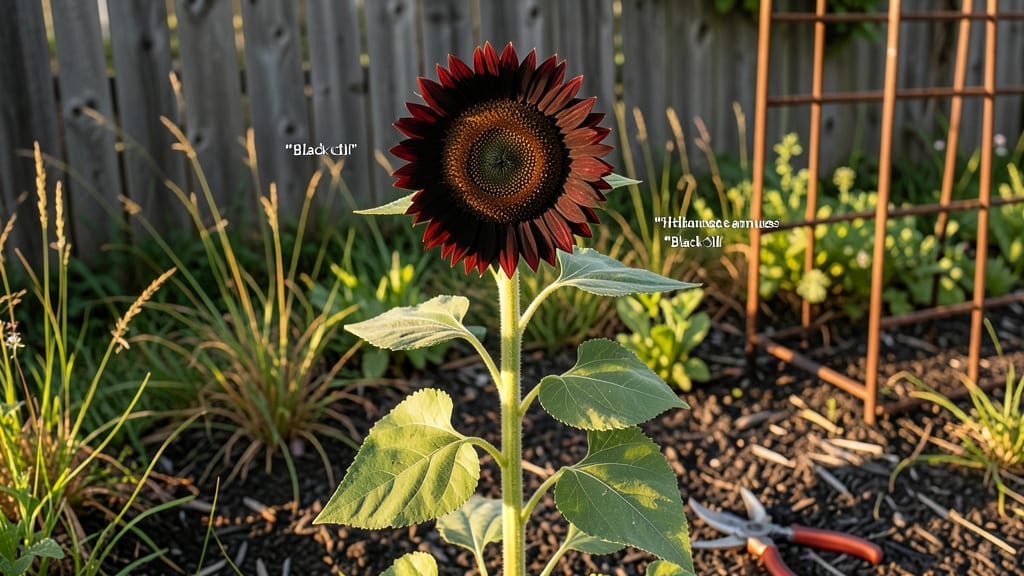
Black and red sunflowers bring drama to any garden—deep velvety blooms that stop people in their tracks. ✨ I planted my first 'Moulin Rouge' last summer, and the contrast against silver foliage was stunning.
These sunflowers aren't just pretty; they're pollinator magnets, drawing bees and butterflies while adding height and texture to borders.
Pair them with purple coneflowers or salvia for a bold, modern look, or mix with white daisies for soft contrast. In containers, their towering stems create instant focal points—just pair with trailing lobelia or sweet potato vine to balance their height.
The key is placement: group them in odd-numbered clusters for natural flow, or use them as accents in mixed beds.
You'll love how they transform a space from ordinary to showstopping in just a few weeks. Their dark petals catch the light at dawn and dusk, while the bright red centers add warmth.
Cut them early for long-lasting bouquets, or let them stand tall as a seasonal statement. These sunflowers work in cottage gardens, modern landscapes, or even urban planters.
For best results, plant in full sun with well-draining soil and stake taller varieties to prevent flopping. Deadhead spent blooms to encourage more flowers, and watch as your garden becomes the talk of the neighborhood. The secret? Let them shine—literally and figuratively.
📚 In This Guide
- What you need
- Instructions
- Tips and common mistakes
- Wrapping up and next steps
What you need
- ● Sunflower seeds or seedlings: Black varieties: ‘Moulin Rouge’ (F1 hybrid, 5–6 ft tall) or ‘Black Oil’ (4–5 ft, great for birds). Quantity: 20–50 seeds or 5–10 seedlings per 100 sq ft.
- ● Red varieties: ‘Autumn Beauty’ (mixed red/orange/burgundy, 3–5 ft) or ‘Red Sun’ (deep crimson, 4–6 ft). Quantity: Match black-to-red ratio (e.g., 1:1 for contrast).
- ● Well-draining soil: Amend with compost (2–3 inches mixed into top 12 inches) for nutrient-rich growth.
- ● Sunlight access: Full sun (6+ hours/day). Partial shade may reduce vibrancy.
- ● Watering supplies: Hose with adjustable nozzle or watering can (1–2 gallons per plant, 2–3x/week).
- ○ Drip irrigation kit (optional but ideal for large gardens).
- ○ Staking (optional but recommended): Bamboo stakes or tomato cages (5–6 ft tall) for tall varieties like ‘Moulin Rouge’ to prevent flopping.
- ● Mulch: Straw or shredded leaves (2–3 inches) to retain moisture and suppress weeds.
- ● Pollinator-friendly companions: Nasturtiums (edible, pest-repellent).
- ● Bee balm or coneflowers for extended blooming seasons.
- ● Fertilizer: Balanced 10-10-10 or slow-release granules (follow package rates). Avoid high-nitrogen—it promotes foliage over flowers!
- ● Decorative accents: Garden flags, painted rocks, or a small bird feeder to enhance the aesthetic.
Step-by-Step guide for cultivating black and red sunflower varieties
Here's how to grow these bold pollinator magnets from seed to full bloom.
🌱 Step 1: Select and Prepare Your Planting Site
Choose a location with full sun exposure (6-8 hours daily)—these sunflowers thrive where others falter. Test your soil's drainage by digging a hole, filling it with water, and checking if it drains within 2-3 hours. If water pools, amend with 1-2 inches of coarse sand or perlite mixed into the top 6 inches of soil.
Black and red varieties like 'Black Oil Sunflower' and 'Moulin Rouge' appreciate well-draining, slightly alkaline soil with a pH between 6.0-7.5. A simple soil test kit confirms your pH—adjust with lime if needed. These sunflowers tolerate poor soil but reward you with bigger blooms when given fertile ground. Work in 2-3 inches of compost at planting time for best results.
🌱 Step 2: Plant Seeds at the Right Depth and Spacing
Direct-sow seeds ½ inch deep after your last frost date when soil reaches 55°F. I plant mine in early spring or late summer for fall blooms. Space seeds 6 inches apart in rows 18-24 inches apart—this prevents overcrowding and fungal diseases. Plant 2-3 seeds per hole and thin to the strongest seedling once they reach 2-3 inches tall.
Here's the thing—sunflower seeds contain a chemical that inhibits germination until soil temperatures rise. If planting early, use a seedling heat mat to maintain 65-70°F soil temperature for faster sprouting. Water gently after planting to settle seeds but avoid compacting the soil. You'll see sprouts in 7-14 days—watch for the first true leaves to appear before thinning.
☀️ Step 3: Provide Consistent Water and Sunlight Care
Water deeply 1-2 times per week once established, aiming for 1-1.5 inches of water per week. Young seedlings need more frequent watering—keep soil evenly moist but never soggy. The key is consistency; sunflowers hate drying out then getting drenched. Water at the base in the morning to prevent fungal diseases from evening moisture.
These varieties grow 5-10 feet tall, so stake taller types with bamboo stakes or use a trellis for support. I tie stems loosely with soft plant ties every 2 feet as they grow. Monitor for powdery mildew on lower leaves—this is common in humid climates. At the first sign, spray with a 1:10 solution of baking soda and water to protect your plants.
✂️ Step 4: Deadhead and Maintain for Continuous Blooms
Remove spent blooms by cutting the stem 2-3 inches below the flower head once flowers fade. This encourages new blooms to form on the same stem. You'll see side buds develop within 2-3 weeks—these become your secondary flowers. For varieties like 'Moulin Rouge', deadheading extends the blooming season by 4-6 weeks.
Harvest seed heads when the back of the flower turns yellow and the seeds rattle inside. Cut the entire head and hang upside down in a dry, well-ventilated area. Once fully dry, rub the seeds free for next year's planting. Leave some heads on the plant for pollinators—their nectar attracts bees, butterflies, and hummingbirds throughout the season.
Tips & tricks for cultivating striking sunflower varieties
Real talk: Growing sunflowers this bold doesn't require a green thumb—just a few strategic moves that make all the difference. These are the secrets I've learned after watching both 'Black Oil Sunflower' and 'Moulin Rouge' transform my garden.
Soil Temperature Secret: Those 55°F soil temperatures in Step 2 aren't just numbers—they're the magic threshold where sunflower seeds finally overcome their natural germination inhibitors. If you're planting early and struggling with cold soil, try covering your seed beds with black plastic mulch for a week before planting. This creates a mini greenhouse effect that warms soil faster than any heat mat. I've seen germination rates double when using this trick in early spring.
Watering Wisdom: The 1-1.5 inches of water per week guideline in Step 3 works perfectly for established plants, but young seedlings need something different. For the first two weeks after sprouting, water lightly every other day instead of weekly. Think of it like baby showers—consistent, gentle moisture helps those delicate roots establish before they can handle deep watering. Use a moisture meter to check soil depth; it should feel like a wrung-out sponge, not a soggy rag.
Deadheading Payoff: That 2-3 weeks window for new buds to develop after deadheading in Step 4 is where the real magic happens for 'Moulin Rouge'. I've seen plants produce three full cycles of blooms when I'm religious about this step. The key is timing—remove faded blooms when the petals start curling but before the seed head turns completely brown. This preserves the plant's energy for new growth rather than seed production.
Pollinator Perk: Optional: If you want to supercharge your garden's appeal to bees and butterflies, plant a small patch of borage nearby. This self-seeding annual flowers at the same time as sunflowers and attracts even more pollinators. The blue flowers create a stunning contrast against the black and red sunflowers, and both plants thrive in similar growing conditions. Just be sure to space them 12 inches apart to avoid competition.
Pro Tips for Black And Red Sunflower
- Real talk: Growing sunflowers this bold doesn't require a green thumb—just a few strategic moves that make all the difference.
- Soil Temperature Secret: Those 55°F soil temperatures in Step 2 aren't just numbers—they're the magic threshold where sunflower seeds finally overcome their natural germination inhibitors.
- Watering Wisdom: The 1-1.5 inches of water per week guideline in Step 3 works perfectly for established plants, but young seedlings need something different.
Frequently asked questions
Got questions about growing or styling black and red sunflowers? Here are some of the most common queries—plus quick answers to help you get the most out of these bold beauties!
What’s the difference between black and red sunflowers?
While both varieties boast dramatic foliage, black sunflowers (like Helianthus ‘Midnight’) have deep, near-black petals with a striking contrast against their golden centers. Red sunflowers (such as Helianthus ‘Strawberry Blonde’) feature rich burgundy or deep red blooms. The key difference? Black varieties lean toward velvety, almost smoky tones, while reds often have a more vibrant, fiery hue. Both attract pollinators equally well!
When is the best time to plant black and red sunflowers?
For maximum impact, plant seeds 4–6 weeks after your last frost date (spring) or 60–90 days before your first fall frost for a late-season show. These sunflowers thrive in full sun (6+ hours/day) and well-draining soil. Pro tip: If you’re in a warm climate, you can even plant a second crop in late summer for a fall display!
Can I grow black and red sunflowers in containers?
Both varieties adapt well to large containers (12"+ diameter) as long as they have drainage holes and deep root space. Use a lightweight potting mix and fertilize every 2–3 weeks with a balanced bloom booster. Just be prepared to stake taller varieties (like ‘Black Oil’) in windy areas. Bonus: Containers let you move them to showcase them near patios or decks!
Do black and red sunflowers attract the same pollinators as yellow ones?
Yes! While yellow sunflowers are classic bee magnets, black and red varieties are just as effective at drawing bees, butterflies, and birds. The dark petals actually absorb more heat, making them even more appealing to pollinators on cooler days. For a pollinator powerhouse, plant them alongside purple coneflowers or salvias for a nonstop buzz of activity!
What can I do if my sunflowers aren’t turning black or red?
If your sunflowers are lighter than expected, it could be due to too much sunlight (bleaching) or nutrient deficiencies (like low phosphorus). Try:
- Moving them to partial shade if in intense afternoon sun.
- Adding a phosphorus-rich fertilizer (like bone meal) at planting.
- Ensuring consistent watering—drought stress can dull colors.
Wrapping up and next steps
The black and red sunflower varieties aren’t just a feast for the eyes—they’re a powerhouse for pollinators and a bold statement in any garden. 🌻 With their striking contrast, these sunflowers attract bees, butterflies, and hummingbirds while adding drama to your outdoor space.
Whether you're a seasoned gardener or just starting, these varieties are a low-maintenance, high-reward choice.
Now that you’re armed with the how-to and why-to, it’s time to plant, nurture, and enjoy!
Start small—try a few in pots or along a fence—and watch your garden transform into a vibrant hub for wildlife. Ready to get growing? Grab your seeds and let nature do the rest! ✨