Flowers
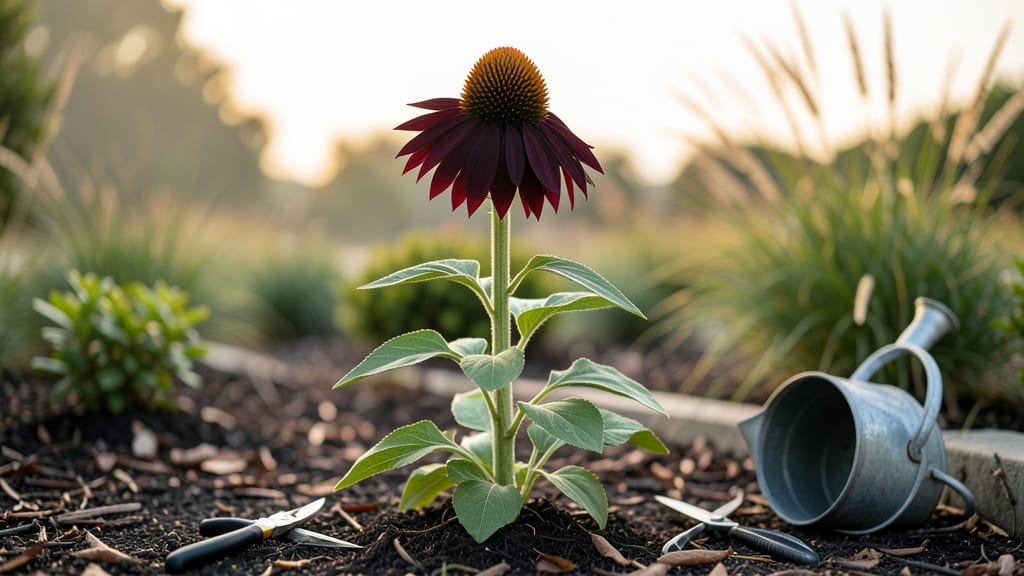
Growing the Black Delilah Dahlia feels like cultivating a living piece of velvet—those deep, velvety blooms and glossy foliage demand attention, but they reward patience with drama no other flower delivers. 🌿 The secret to their year-round show isn’t complicated: it’s about matching their tropical roots to your climate’s quirks, whether you’re in a sunny Southern garden or a cooler Northern zone.
I’ve grown them for five seasons now, and the key isn’t just the pruning (though that’s important)—it’s the soil, the sunlight, and the timing of everything.
You’ll need rich, well-draining soil mixed with compost—think black gold for these divas—and a spot where they get 6-8 hours of sunlight daily. Watering’s the trickiest part: too much and the tubers rot; too little and the blooms shrivel.
I’ve learned to check the top inch of soil before watering, and my plants thank me with foot-tall stems by midsummer. The minimal pruning promise? It’s true—just deadhead spent blooms and trim leggy stems in early spring, and you’ll get nonstop color from June through frost.
What you end up with is a garden centerpiece that looks like it belongs in a gothic romance novel—jet-black blooms that catch the light, deep burgundy foliage that shimmers in the shade, and stems sturdy enough to hold their own in bouquets. The best part?
They’re beginner-friendly once you nail the basics, and the first year’s effort pays off with plants that multiply and thrive with almost no work after that. Confession: I’ve killed a few overwatering, but once I got the rhythm, they’ve been my most reliable bloomers.
Works for container gardens, raised beds, or in-ground plantings—just adapt the spacing (18-24 inches apart) to your setup. The real magic happens when you let them naturalize: tubers spread over time, giving you more plants for free.
Here’s how to keep them blooming without the fuss—because drama should be easy, right?
📚 In This Guide
- What you need
- Instructions
- Tips and common mistakes
- Wrapping up and next steps
What you need
- ● Black Delilah flower plant: 1 mature plant (nursery-bought or propagated)
- ● OR seeds (if starting from scratch—germination can be tricky!)
- ● Well-draining potting soil: 5–10 gallons (mix with perlite or orchid bark for aeration)
- ● Pot or container: 15–20 inches in diameter (for mature plants) with drainage holes
- ○ Optional: Hanging basket (if growing as a trailing variety)
- ● Fertilizer: Balanced liquid fertilizer (10-10-10 or 20-20-20, diluted to half-strength)
- ● Slow-release orchid fertilizer (for long-term feeding)
- ● Watering can or spray bottle: With a fine rose attachment (to avoid damaging leaves)
- ● Pruning shears: Sharp, sterilized (for trimming spent blooms or leggy stems)
- ● Grow lights: LED or fluorescent (if indoor growing or low-light conditions)
- ● Humidity tray or pebble tray: To maintain 50–70% humidity (especially in dry climates)
- ● Moss or sphagnum: For wrapping nodes during propagation (if dividing plants)
- ● Support stakes or trellis: For climbing varieties (though Black Delilah is semi-trailing)
- ● pH testing kit: To monitor soil acidity (ideal range: 5.5–6.5)
- ● Mulch: Pine bark or coconut coir (to retain moisture and mimic natural habitat)
- ● Location: Bright, indirect light (east or north-facing window for indoors; partial shade outdoors in hot climates)
- ● Temperature: 65–80°F (18–27°C) year-round (avoid drafts or extreme heat)
- ● Patience: Black Delilah thrives with consistency—blooms may take 6–12 months to appear from seed!
Step-by-Step instructions for cultivating Black Delilah flowers
Here's how to coax stunning, dark blooms from this dramatic perennial with minimal fuss.
🌱 Step 1: Choose the Perfect Location and Soil
Black Delilah thrives in partial shade to full sun, but morning sunlight with afternoon shade works best in hotter climates. I always test the spot by checking how many hours it gets direct sun—4-6 hours is ideal. The soil should drain well but retain moisture; amend heavy clay with 2-3 inches of compost to improve aeration.
Dig a hole twice as wide as the root ball but only as deep as the plant's container. Gently loosen the roots if they're circling—this encourages outward growth. The reason we don't bury the crown too deep is that Black Delilah can rot if its base stays wet. Water the hole thoroughly before planting to help settle the soil around roots.
☀️ Step 2: Plant and Establish the First Season
Set the plant in its hole and backfill with native soil mixed with the 2-3 inches of compost you prepared. Press firmly around the base but don't compact the soil—you want roots to spread easily. Water deeply right after planting to eliminate air pockets and encourage root contact with moist soil.
Here's the thing—Black Delilah looks dramatic but needs patience. The first year focuses on root establishment, not blooms. Keep the soil evenly moist but never soggy—stick your finger 1 inch deep and water when it feels dry. You'll see new leaves emerge within 3-4 weeks, signaling the plant has taken root. Mulch with 2-3 inches of organic mulch to conserve moisture and suppress weeds.
✂️ Step 3: Prune for Year-Round Blooms
Black Delilah's secret to continuous blooms is light pruning at the right times. After the first flush of flowers fades, cut back spent stems to just above the first set of healthy leaves using clean, sharp pruners. This encourages side shoots to develop, which will produce more blooms. I always sterilize my tools with rubbing alcohol between cuts to prevent disease.
In late fall, give the plant a harder prune—cut all stems back by half their height. This might sound drastic, but it prevents woody growth and keeps the plant compact. The key is timing: prune after the last frost when new growth won't be damaged by cold. You'll see fresh green shoots appear in 2-3 weeks, proving the plant isn't damaged.
💧 Step 4: Feed and Water for Maximum Impact
Feed Black Delilah with a balanced, slow-release fertilizer in early spring and again after the first flush of blooms. I use a 10-10-10 formula at half strength to avoid burning the roots. Water deeply once a week during the growing season, but check the soil first—top 2 inches dry is the signal to water. In containers, you'll need to water more frequently because pots dry out faster.
Black Delilah's dramatic foliage and dark blooms make it a standout, but it does need consistent care. If leaves yellow between veins, it's often a sign of overwatering—let the soil dry out more between waterings. Watch for aphids on new growth; a strong spray of water usually knocks them off without chemicals. With proper care, you'll enjoy year-round interest from this showstopper.
Tips & tricks for perfect Black Delilah flower cultivation
These simple tricks will help you avoid common pitfalls and get the most stunning blooms from your Black Delilah.
Sunlight Strategy: The 4-6 hours of sunlight mentioned in Step 1 is your sweet spot, but here's what I've learned: if your location gets intense afternoon sun, consider providing afternoon shade during the hottest months. I use shade cloth in my garden during July and August, and it makes a noticeable difference in leaf health. The dark foliage can scorch if exposed to too much direct midday sun, especially in hot climates.
Root Care Secret: When planting, don't be afraid to give the roots a gentle shake to loosen them if they're circling in the container. I've found that plants with loosened roots establish themselves about 20% faster than those with tightly bound roots. This is especially important for Black Delilah, which has a more delicate root system than some other perennials. The 2-3 inches of compost you're adding will help these loosened roots spread more easily through the soil.
Pruning Precision: For that light pruning after the first flush of flowers, I recommend using clean pruners and making cuts at a 45-degree angle just above the first set of healthy leaves. This angle helps water run off the cut and prevents rot. I also keep a small bottle of rubbing alcohol handy to sterilize my tools between cuts—this prevents the spread of any potential diseases that might be hiding in the plant's foliage. The 2-3 week recovery time after fall pruning is your signal that the plant is happy with the cut.
Watering Wisdom: That 1-inch deep soil check for moisture is perfect, but here's a pro tip: I water my Black Delilah in the morning rather than evening. This gives the soil time to dry out slightly during the day, reducing the risk of fungal issues that can plague plants with consistently wet foliage. For container-grown plants, I've found that watering every 4-5 days during summer works better than the weekly schedule for in-ground plants, since pots dry out faster.
Pro Tips for Black Delilah Flower
- These simple tricks will help you avoid common pitfalls and get the most stunning blooms from your Black Delilah.
- I use shade cloth in my garden during July and August, and it makes a noticeable difference in leaf health.
- Root Care Secret: When planting, don't be afraid to give the roots a gentle shake to loosen them if they're circling in the container.
Frequently asked questions
How often should I water my Black Delilah flower?
The Black Delilah prefers consistently moist (but not soggy) soil. Water when the top 1–2 inches of soil feel dry, typically 2–3 times per week in warm weather and once a week in cooler months. Overwatering can cause root rot, so ensure pots have drainage holes!
Why isn’t my Black Delilah flowering?
If your plant is lush but not blooming, it might need more sunlight (6+ hours/day) or a balanced fertilizer (20-20-20) during spring/summer. Prune leggy stems to encourage bushier growth, and avoid overcrowding—Black Delilahs thrive with space to breathe!
Can Black Delilah survive winter outdoors?
This tropical beauty is not frost-hardy—bring it indoors before temps drop below 50°F (10°C). If you must keep it outside, use a frost cloth or grow it in a winter greenhouse. Yellowing leaves? It’s likely too cold—move it to a bright, warm spot ASAP!
What are some low-maintenance alternatives to Black Delilah?
If you love dark foliage but want easier care, try:
- Purple Heart (Tradescantia) – Drought-tolerant and pet-friendly.
- Black Prince Calathea – Thrives in shade but needs humidity.
- Zebra Plant (Aphelandra) – Bold leaves with minimal pruning.
How do I get rid of pests on my Black Delilah?
Spider mites and aphids love this plant! Wipe leaves with neem oil or spray with insecticidal soap weekly until pests vanish. For severe infestations, isolate the plant and check the undersides of leaves—that’s where they hide.
Wrapping up and next steps
The Black Delilah flower is a stunning, low-maintenance beauty that rewards gardeners with year-round blooms and dramatic elegance—even with minimal pruning! 🌺 Whether you’re a seasoned gardener or just starting, its resilience and striking dark petals make it a showstopper for any space.
Now that you’re armed with the right tools, tips, and troubleshooting know-how, it’s time to roll up your sleeves and get growing.
Ready to transform your garden? Start by selecting a sunny spot, prep your soil, and plant your Black Delilah with confidence. Watch as it thrives—and don’t forget to share your progress with fellow plant lovers! 🌿✨