
Flowers
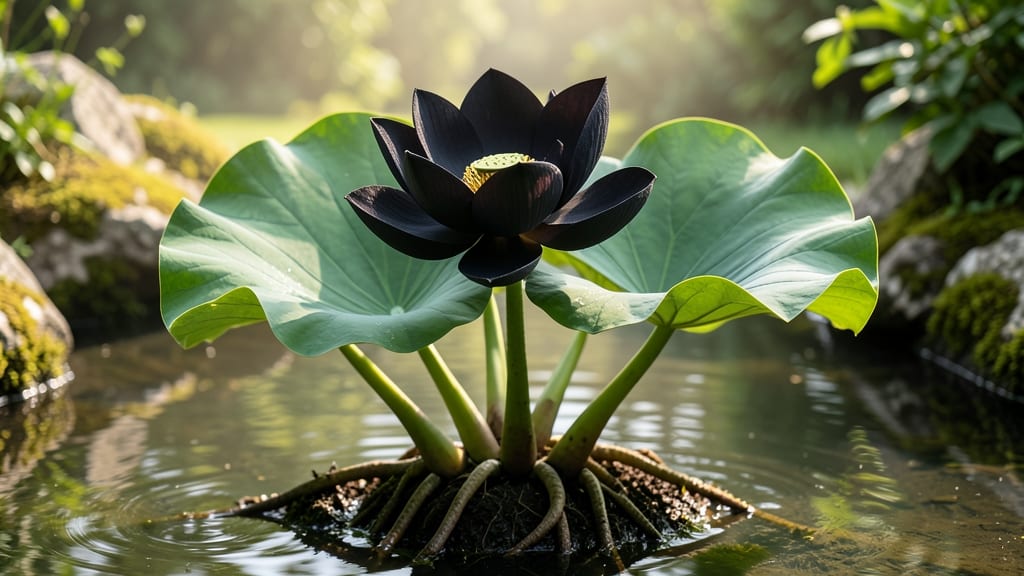
Transform your water garden into a midnight sanctuary with black flowered lotus—those velvety, almost iridescent blooms that look like they’re straight out of an ancient legend. 🌿 The way they catch the light at dusk, shifting between deep plum and near-black, turns any pond into a focal point that feels both dramatic and serene.
These aren’t just plants; they’re living art pieces that demand to be seen.
Pair them with silver-leaved grasses or white water lilies to make the dark petals pop, and place them where they’ll steal the show—near seating areas or along a moonlit path. In Asian gardens, they symbolize purity and enlightenment, but here, they’ll just make your neighbors do a double-take.
The best part? Their color deepens as they age, creating a mesmerizing seasonal shift from burgundy to inky black by summer’s end.
📚 In This Guide
- What you need
- Instructions
- Tips and common mistakes
- Wrapping up and next steps
What you need
- ● Black Flowered Lotus Tubers: 1–3 tubers (depending on pond size; larger ponds can accommodate more for fuller blooms). Choose Nelumbo nucifera or Nelumbo lutea varieties with deep maroon or black petals.
- ● Pond or Container: For tubers: A minimum 12-inch depth (deeper for larger tubers).
- ● For containers: A 10–15 gallon pot with drainage holes, filled with 2–3 inches of gravel at the bottom.
- ● Pond Soil or Aquatic Planting Mix: 1–2 bags (ensure it’s low in nutrients to prevent algae).
- ● Gravel or Pebbles: 5–10 lbs (for root anchoring and drainage).
- ● Water Source: Access to clean, still water (ponds, koi ponds, or large containers).
- ● Garden Trowel or Spade: For planting tubers.
- ○ Gloves (Optional): To protect hands from sharp tuber edges.
- ● Water Quality Test Kit (Recommended): To monitor pH (ideal: 6.5–7.5) and nutrient levels.
- ○ Fertilizer (Optional): Slow-release aquatic fertilizer (use sparingly; lotuses thrive in low-nutrient water).
- ● Sunlight Access: 6+ hours of direct sunlight daily (critical for black petal development!).
- ● Patience: Tubers may take 2–3 months to sprout and 1–2 years for full blooms!
How to grow a stunning black flowered lotus in your water garden
Here's the straightforward approach I've used to coax these velvety blooms into my own pond—no fancy tricks, just patience and precision.
🪴 Step 1: Choose the Perfect Water Depth and Container
Black lotus (Nelumbo nucifera 'Black Dragon') thrives in 18-24 inches of water—deeper than many varieties. If your pond is shallower, use a heavy ceramic or fiberglass container with drainage holes covered by mesh. I place mine on a pond shelf or weight it with bricks to keep it stable.
Here's the thing—black lotus roots need room to spread. A 3-foot diameter container gives them space to grow without crowding. If planting directly in a pond, ensure the planting hole is at least 2 feet deep and has fertile, slightly acidic soil (pH 6.0-7.0) mixed in.
☀️ Step 2: Plant the Rhizome at the Right Depth and Angle
Plant the rhizome horizontally, not vertically, with the buds facing upward. Bury it 2-3 inches deep in soil—too shallow and it’ll rot; too deep and buds won’t emerge. I like to use pond soil (not garden soil) mixed with a handful of compost for nutrients.
Position the container or planting hole in full sun—black lotus needs 6-8 hours of direct sunlight daily to develop its deep color. If your pond has partial shade, expect paler blooms. After planting, add 1-2 inches of clean pond water to settle the soil around the rhizome.
💧 Step 3: Maintain Water Quality and Fertility
Black lotus is particular about water conditions. Keep the pond water clean and circulating—stagnant water leads to algae and weak growth. I add a small fountain or aerator near the plant to prevent stillness. The water temperature should stay between 70-85°F for best growth.
Fertilize once a month during growing season (spring to fall) with a slow-release aquatic plant fertilizer. I use pellets placed near the rhizome—never use garden fertilizer, as it can pollute the water. Watch for new leaves emerging from the rhizome; this signals healthy growth.
⏰ Step 4: Prune and Winterize for Next Season
After blooming, trim dead foliage but leave healthy green leaves to feed the rhizome. I cut back stems to 6 inches above the water to encourage new growth. If your climate drops below 40°F, black lotus goes dormant—do not disturb the rhizome until spring.
In colder zones, move the container to a deep, insulated pond or wrap the rhizome in pond-safe fabric and bury it in sand at the pond’s bottom. In warmer climates, black lotus stays active year-round—just reduce fertilization in winter.
🌿 Step 5: Encourage Bold Black Blooms
For the deepest black color, avoid overcrowding—space plants 3-4 feet apart in ponds or containers. Too much competition weakens blooms. I also rotate the container every few weeks to ensure even sunlight exposure, which prevents lopsided growth.
Watch for pests like aphids or lotus beetles—they love tender new shoots. Spray with neem oil if needed, but avoid chemicals near the water. With proper care, your black lotus will reward you with velvety blooms by mid-summer—worth every step!
Tips & tricks for perfect black flowered lotus blooms
These simple secrets will help you coax those dramatic velvety blooms from your pond—without the guesswork.
Depth and Container Strategy: If you're using containers, place them in the deepest part of your pond first—this ensures stability and prevents the rhizome from drying out. I've found that adding a layer of pond-safe gravel at the bottom of containers improves drainage while keeping the rhizome anchored. For direct pond planting, mark your planting hole with a temporary stake to avoid disturbing the rhizome later.
Sunlight Secret: The 6-8 hours of direct sunlight mentioned in Step 2 are non-negotiable for that signature deep black color. If your pond has morning sun but afternoon shade, position your lotus to catch those crucial morning rays—this is when the plant absorbs the most energy. I've noticed my blooms develop richer color when they get that early morning sunlight boost.
Water Temperature Watch: When maintaining that 70-85°F range in Step 3, remember that pond temperatures fluctuate naturally. In cooler climates, consider adding a small solar-powered heater during early spring to help kickstart growth. The key is to keep the water temperature stable—sudden drops below 70°F can shock the plant and delay blooming.
Winter Prep: For the 40°F threshold in Step 4, I've learned that even in mild winters, nighttime temperatures can dip below this mark. If you're in a marginal climate zone, add an extra layer of insulation around your container—old pond blankets or even thick foam board work well. This simple step has saved my lotus from winter damage in years past.
Pro Tips for Black Flowered Lotus
- These simple secrets will help you coax those dramatic velvety blooms from your pond—without the guesswork.
- Depth and Container Strategy: If you're using containers, place them in the deepest part of your pond first—this ensures stability and prevents the rhizome from drying out.
- Sunlight Secret: The 6-8 hours of direct sunlight mentioned in Step 2 are non-negotiable for that signature deep black color.
Frequently asked questions
Got questions about the enigmatic black flowered lotus? You’re not alone!
This striking water garden beauty captivates with its deep hues and symbolic allure, but growing (or caring for) one comes with unique considerations. Below, we tackle the most common queries—from planting to troubleshooting—so you can nurture your own slice of mystique.
Can black flowered lotus grow in regular garden soil?
The black flowered lotus (Nelumbo nucifera or Nelumbo lutea varieties) is a water plant, not a terrestrial one. It thrives in ponds, containers, or shallow water (3–6 inches deep) with nutrient-rich mud at the bottom. Attempting to grow it in soil will fail—it needs direct sunlight and submerged roots to bloom. For small spaces, use a large container with a water pump!
How long does it take for a black lotus to bloom?
Patience is key! From planting tubers, expect 3–5 years for mature blooms, though some varieties may flower sooner (1–2 years) under ideal conditions. Cold winters can delay blooming, so protect tubers in zones below 7a with insulated containers or deep water. Once established, they reward you with summer blooms (June–September)—worth the wait!
Why aren’t my lotus leaves turning black?
True "black" lotus petals are actually deep maroon or burgundy—not jet black. If your leaves or flowers look pale or greenish, check these fixes:
Still struggling? Test your water’s pH (6.5–7.5)—lotuses dislike alkaline conditions. If the black lotus seems too high-maintenance, consider these dramatic, low-light-tolerant alternatives:
Pro tip: For a water garden, try water hyacinths (purple-black) or black flag iris (Iris pseudacorus ‘Variegata’)—both thrive in shallower water. Black lotus tubers are hardy to USDA zones 5–10, but they need protection in colder areas:
Warning: Do not store tubers in plastic or refrigerate—they’ll rot! Replant in spring after frost.
Are there black lotus alternatives with easier care?
How do I overwinter black lotus tubers in cold climates?
Wrapping up and next steps
The black flowered lotus isn’t just a stunning addition to your water garden—it’s a symbol of mystery, resilience, and timeless beauty. 🌙 With its velvety petals and deep allure, this rare gem transforms any space into a serene sanctuary, blending elegance with nature’s quiet magic.
Whether you’re drawn to its spiritual significance or simply its breathtaking presence, this lotus invites you to cultivate both your garden and your soul.
Ready to bring this enchanting plant into your life? Start by researching local nurseries or reputable online sellers specializing in rare aquatic plants. Take the plunge—your garden (and your spirit) will thank you! 🌊✨