
Lawn
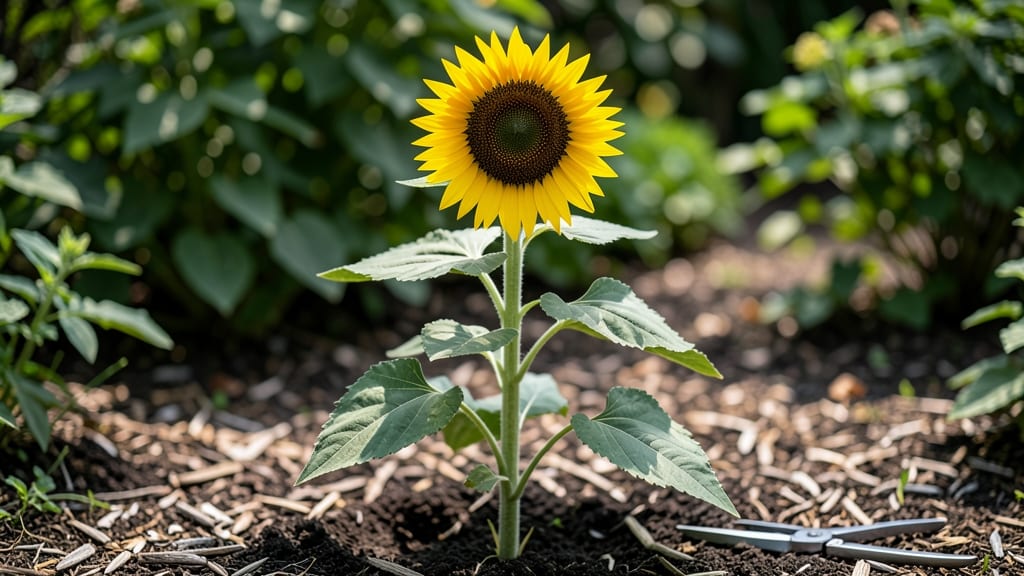
Growing black seed sunflowers turns your garden into a dramatic centerpiece with their striking black seeds and towering stems reaching 10 feet tall.
I planted mine last spring after struggling with sunflowers that never quite lived up to the photos—until I discovered the secret to their bold, glossy seeds and sturdy growth. The difference is in the soil prep, spacing, and a few simple tricks that keep them thriving from seed to harvest.
You’ll need well-draining soil, full sun for at least 6 hours daily, and patience—these giants take 85-100 days to mature. The black seeds aren’t just showy; they’re edible too, packed with nutrients and a nutty flavor.
My first batch produced enough seeds to share with neighbors, and the ornamental value? Unmatched. Even in small gardens, their height makes them a natural focal point.
Watch out for birds eyeing those seeds—netting helps—and keep an eye out for powdery mildew in humid climates. With the right care, you’ll end up with sunflowers that double as edible snacks and living art.
The payoff? A garden that feels like a masterpiece, not just another patch of green.
Whether you’re growing for the kitchen or the view, black seed sunflowers deliver both. Start with just a few plants to test your space, then expand next season. The seeds are easy to find, and the results? Pure satisfaction.
📚 In This Guide
- What you need
- Instructions
- Tips and common mistakes
- Wrapping up and next steps
What you need
- ● Black seed sunflower seeds – Choose Helianthus annuus varieties like 'Black Oil' or 'Mammoth Black' (50–100 seeds for a small garden, 200+ for a full plot).
- ● Well-draining potting mix or garden soil – 1–2 cubic yards for in-ground planting or 10–15-gallon bags for containers.
- ● Containers or garden space – Containers: 12" deep, 12" diameter (1 plant per container). In-ground: full sun (6+ hours/day) and loose, fertile soil.
- ● Watering can or hose with nozzle – For consistent moisture (avoid soggy soil).
- ○ Fertilizer (optional but helpful) – Balanced 10-10-10 or compost (1–2 cups per plant at planting time).
- ○ Stakes or trellis (optional for tall varieties) – 5–6 ft tall, especially for 'Mammoth Black' to prevent flopping.
- ● Mulch – Straw or wood chips to retain moisture and suppress weeds.
- ● Seedling trays – If starting indoors (6–8 weeks before last frost).
- ● Plant labels – To track varieties (especially if growing multiple types).
- ● Pruning shears – For deadheading or shaping (if desired).
- ● Bird netting – To protect seeds from hungry birds!
Step-by-Step guide to cultivating striking black seed sunflowers
Here’s how to grow sunflowers with dramatic black seeds and sturdy stems that reach for the sky.
Choose the Right Location and Prepare the Soil
Sunflowers thrive in full sun, so pick a spot that receives at least 6-8 hours of direct sunlight daily. Black seed varieties need the same bright conditions as traditional sunflowers—without enough light, stems will stretch weakly and flowers won’t develop properly. I always test the soil first by pressing a finger 1 inch deep—if it feels dry, the site needs consistent moisture.
Loosen the soil to a depth of 12 inches using a garden fork or tiller. Sunflowers have deep taproots, so compacted soil will stunt their growth. Mix in 2-3 inches of compost to enrich the soil—this ensures strong root development and vibrant blooms. Avoid fresh manure, which can burn tender roots and delay flowering.
Plant Seeds at the Correct Depth and Spacing
Sow seeds ½ inch deep and 6 inches apart in rows spaced 18-24 inches apart. This spacing prevents overcrowding, which leads to weak stems and fewer seeds per head. I like to plant seeds in small clusters of 3-4, then thin to the strongest seedling once they’re 4-6 inches tall. This mimics natural sunflower groupings and creates a fuller appearance.
Wait until the soil temperature reaches at least 50°F before planting—cold soil slows germination and can cause seeds to rot. If your climate is still chilly, start seeds indoors 4-6 weeks before the last frost and transplant seedlings after the soil warms. Harden them off gradually to avoid shock—expose them to outdoor conditions for 1-2 hours daily, increasing time over 7-10 days.
Water Deeply and Provide Consistent Care
Water sunflowers deeply once a week, aiming for 1 inch of water per week. Shallow watering encourages shallow roots, which makes plants more susceptible to drought. I check moisture by digging 2 inches deep—if the soil feels dry, it’s time to water. Avoid overhead irrigation, especially in the evening, as wet foliage invites fungal diseases like powdery mildew.
Fertilize lightly with a balanced 10-10-10 fertilizer when seedlings reach 6 inches tall, then again when buds form. Too much nitrogen promotes leafy growth at the expense of flowers. Watch for yellowing leaves—this often signals overwatering or nutrient imbalance. Mulch around the base with 2-3 inches of straw to retain moisture and suppress weeds, which compete for nutrients.
Support Stems and Monitor for Pests
Black seed sunflowers can grow 6-10 feet tall, so tall varieties may need staking or trellising to prevent toppling in wind or rain. I tie stems to 6-foot bamboo stakes with soft twine, adjusting as the plant grows. This also improves airflow, reducing the risk of disease. Avoid tight ties—sunflower stems grow quickly and can be damaged if restricted.
Keep an eye out for common pests like sunflower moths, beetles, and aphids. Handpick larger insects or spray with neem oil for organic control. If you notice chewed leaves or holes, act quickly—sunflowers can recover from early damage but may produce smaller blooms. Healthy plants develop thick, woody stems by midseason, a sign they’re strong enough to support heavy seed heads.
Harvest Seeds at Peak Maturity
Wait until the flower heads turn brown and papery before harvesting. Black seeds are fully mature when the back of the head feels dry and the seeds rattle inside. I cut the entire head with 4-6 inches of stem attached, then hang it upside down in a dry, well-ventilated spot for 2-3 weeks. This allows seeds to dry evenly and prevents mold.
Once dry, rub the head between your hands to remove seeds. Store them in a cool, dark place in an airtight container for up to 2 years. If you’re growing for cut flowers, harvest when 75% of the petals open—this extends vase life and preserves the striking black seed contrast. Discard any heads that develop mold or attract pests before they fully dry.
Tips & tricks for perfect black seed sunflowers
Here's what nobody tells you about growing sunflowers with those dramatic black seeds—these details make all the difference between ordinary blooms and showstopping giants.
Light Matters: Those 6-8 hours of direct sunlight are non-negotiable for black seed varieties. I've seen plants stretch weakly when they get only 4-5 hours of light—this is called "bolting," and it results in spindly stems that can't support those heavy seed heads. If your garden spot gets less than full sun, consider growing them in containers and moving them to a sunny patio during peak afternoon hours. The key is maintaining consistent light exposure from morning until early evening.
Soil Preparation Secret: The 12-inch deep soil loosening in Step 1 isn't just about aeration—it's about creating space for those deep taproots to establish themselves. I've found that adding 1/2 cup of bone meal to each planting hole (optional but highly recommended) gives you an extra phosphorus boost that encourages stronger root development and more robust flowering. The bone meal breaks down slowly, providing nutrients exactly when your sunflowers need them most during the flowering stage.
Planting Strategy: When planting those ½-inch deep seeds, I like to create small hills about 1 foot apart rather than flat rows. This natural mound shape helps prevent water pooling around the stems and improves drainage. The 6-inch spacing between seeds might seem generous, but it's crucial—crowded plants develop weak stems that can't support those heavy seed heads. Trust me on this: the extra space pays off in stronger, more productive plants.
Harvesting Insight: The 2-3 weeks of drying time for harvested heads might seem like a long wait, but it's essential for developing the rich, deep black color of those seeds. I've learned to be patient—if you harvest too early, the seeds won't develop their characteristic dark hue. To speed up the process slightly (without compromising quality), you can place the heads in a warm, dry spot with good airflow, like near a sunny window with a small fan circulating air gently. Just avoid direct heat sources that could dry the seeds too quickly.
Pro Tips for Black Seed Sunflowers
- Here's what nobody tells you about growing sunflowers with those dramatic black seeds—these details make all the difference between ordinary blooms and showstopping giants.
- Light Matters: Those 6-8 hours of direct sunlight are non-negotiable for black seed varieties.
- Soil Preparation Secret: The 12-inch deep soil loosening in Step 1 isn't just about aeration—it's about creating space for those deep taproots to establish themselves.
Frequently asked questions
Got questions about growing black seed sunflowers?
Here are answers to the most common ones—from planting tips to troubleshooting—so you can cultivate these striking beauties with confidence!
How deep should I plant black seed sunflower seeds?
Plant black seed sunflower seeds about 1 inch deep in well-draining soil. Since they’re large seeds, they don’t need light to germinate. Space them 6–12 inches apart (closer for bush varieties, wider for tall types) to avoid overcrowding as they mature. Pro tip: Use a small trowel or your finger to avoid damaging the seed!
How long does it take for black seed sunflowers to grow?
From seed to bloom, black seed sunflowers typically take 80–100 days to reach maturity, depending on the variety. Early varieties may flower in as little as 70 days, while giant cultivars can take up to 120 days. Watch for: The first true leaves (about 7–14 days post-planting) and the bud forming at the top of the stem before flowering.
Can black seed sunflowers survive cold weather?
Black seed sunflowers are tender annuals and thrive in warm weather. They cannot tolerate frost—plant them after the last frost date in your area (usually when soil temps reach 50°F+). If you’re in a short-season climate, opt for dwarf or early-maturing varieties to enjoy blooms before fall chills arrive.
What can I do if my black seed sunflowers aren’t germinating?
If seeds aren’t sprouting within 2–3 weeks, check these fixes:
- Soil moisture: Keep soil consistently moist (not soggy) until germination.
- Temperature: Seeds need warm soil (70–90°F)—use a seedling heat mat if needed.
- Depth: If planted too deep, they may rot. Try re-planting shallower.
- Viability: Test a few seeds in a damp paper towel—if they don’t sprout in 7 days, they may be old.
Are black seed sunflowers good for wildlife?
Black seed sunflowers attract pollinators like bees and butterflies with their vibrant blooms, and their large seeds are a feast for birds (including finches and cardinals). Leave some seeds on the stems for wildlife, or collect them for birdseed mixes. Just avoid pesticides to keep your garden safe for critters!
Wrapping up and next steps
Black seed sunflowers are a stunning and rewarding addition to any garden—packed with drama, nutrition, and ease of care! Whether you’re drawn to their bold black seeds, towering stems, or edible benefits, these sunflowers prove that growing beauty doesn’t have to be complicated. 🌻✨
Ready to plant your own? Start by gathering your supplies, choosing the right location, and following the simple steps outlined above. Before you know it, you’ll be enjoying sunflower season with confidence—and maybe even sharing seeds (or sunflower butter!) with friends. Happy growing!