
Flowers
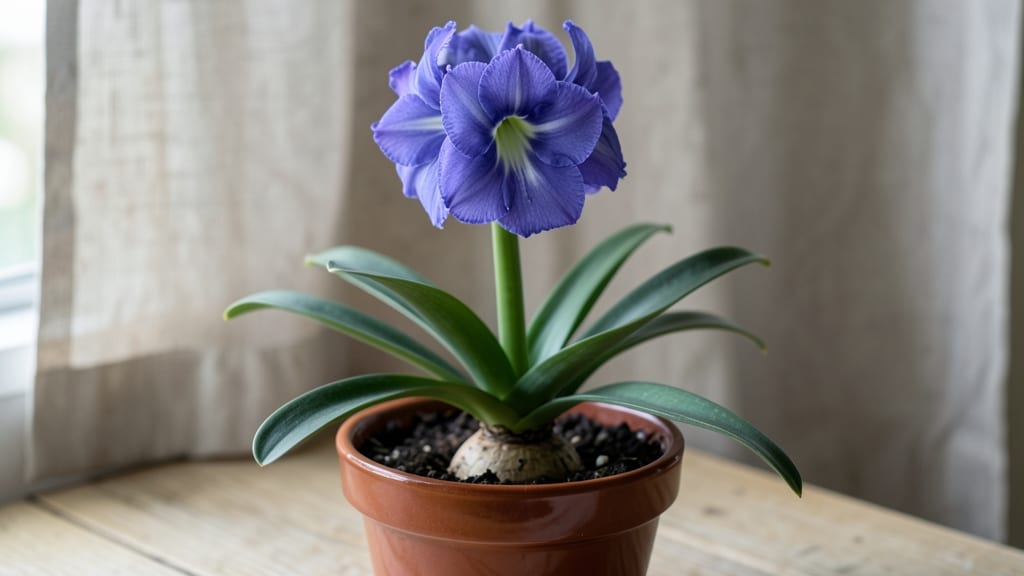
The blue amaryllis flower might not exist—but with Agapanthus, you can grow its stunning blue imposter, and it’s simpler than you’d expect. 🌿 This hardy perennial is the plant world’s most famous stand-in. that produces dramatic, umbrella-like blooms in shades of blue, purple, or white.
I’ve grown mine for years, and they’ve never failed to turn heads in summer gardens.
The secret to their success? They’re practically foolproof once you get the basics right. You’ll need well-draining soil, full sun, and a spot where they can spread their roots—no fancy greenhouse or greenhouse-like conditions required.
Even in my Zone 7 garden, they’ve rebloomed every year with just a little winter protection. The best part? They’re deer-resistant, drought-tolerant, and come back bigger each season.
By late spring, you’ll be rewarded with foot-tall stems loaded with star-shaped flowers that last for weeks. The fragrance is subtle but sweet, and the foliage stays lush and architectural long after the blooms fade.
Once established, these plants thrive with minimal effort—just water when the top inch of soil feels dry, and fertilize lightly in spring.
If you’ve ever wondered how to get those showstopping blue blooms without the fuss of true amaryllis, this is your guide.
We’ll cover everything from choosing the right variety to troubleshooting why your plant might not bloom—plus, how to fool even the most seasoned gardeners into thinking you’ve discovered a blue amaryllis secret.
📚 In This Guide
- What you need
- Instructions
- Tips and common mistakes
- Wrapping up and next steps
What you need
- ● Blue Amaryllis Bulb: 1–2 healthy bulbs (ensure they’re firm, free of soft spots, and labeled as Hippeastrum ‘Blue Paradise’ or similar blue varieties).
- ● Well-draining potting mix: 2–3 gallons of a blend designed for bulbs (e.g., 50% peat moss or coconut coir + 30% perlite + 20% vermiculite). Avoid garden soil—it retains too much moisture!
- ● Pot: A container 1–2 inches wider than the bulb with drainage holes (terracotta or ceramic works best). For 2 bulbs, choose a pot 3–4 inches wider.
- ● Watering can or spray bottle: A gentle spray helps avoid overwatering.
- ○ Fertilizer (optional but recommended): Balanced bulb fertilizer (e.g., 10-10-10 or 20-20-20) or
- ● Slow-release granules (follow package instructions for dosage).
- ○ Gloves (optional): Protect your hands from sharp bulb edges.
- ● Trowel or spoon: For planting and adjusting soil.
- ● Peat pellets or moss: Helps anchor the bulb if it’s top-heavy (especially for tall varieties).
- ○ Grow lights (optional): If placing in low-light areas, a 60W LED bulb on a timer (12–14 hours/day) can encourage blooming.
- ○ Humidity tray (optional): A pebble tray with water boosts humidity in dry climates.
Step-by-step guide to cultivating blue amaryllis flowers
Here's how to coax those striking blue blooms from bulbs with minimal fuss.
🌱 Step 1: Select and Prepare the Bulbs
Choose healthy, firm bulbs that weigh at least 2 pounds each—larger bulbs produce more abundant blooms. Look for smooth, unblemished skin with no soft spots or mold. I always inspect the base for signs of rot or dried-out roots before planting.
Soak the bulbs in lukewarm water for 12 hours before planting. This hydrates them and kickstarts root development. Place them in a shallow container, ensuring the water covers only the base—not the entire bulb. After soaking, let them dry briefly to prevent waterlogging.
🪴 Step 2: Choose the Right Container and Soil
Use a well-draining pot at least 8 inches deep with drainage holes—amaryllis bulbs rot quickly in soggy soil. I prefer terracotta because it breathes and helps regulate moisture. Fill the bottom 2 inches with perlite or orchid bark to ensure excess water drains away.
Add a high-quality potting mix that’s airy and nutrient-rich. Avoid garden soil—it’s too dense and can suffocate roots. Mix in a handful of slow-release fertilizer (like 10-10-10) into the soil to give the bulb a nutrient boost right from the start.
☀️ Step 3: Plant and Position for Optimal Growth
Plant the bulb halfway up its sides—about ⅔ of its height should be above soil. This positioning encourages strong stem growth. Gently press the soil around the bulb to secure it without compacting it too tightly.
Place the pot in a spot with bright, indirect light for the first 2 weeks. Direct sunlight can scorch the bulb before it’s established. Once you see new green shoots, move it to a south-facing window or under a grow light for 12-14 hours of light daily. You’ll know it’s thriving when the leaves emerge vibrant and upright.
💧 Step 4: Water and Fertilize for Blooms
Water the bulb sparingly until you see 2-3 inches of green growth. Overwatering at this stage can drown the roots. Once growth starts, water deeply when the top 2 inches of soil feel dry—never let the bulb sit in standing water. I use a self-watering pot to maintain consistent moisture without soggy soil.
After the first true leaves appear, feed the plant with a balanced liquid fertilizer (like 20-20-20) every 4 weeks. Reduce watering slightly when the flower bud forms—this helps the plant focus energy on blooming instead of leafy growth. You’ll see the first blue bud emerge after 8-12 weeks of care.
⏰ Step 5: Encourage Repeat Blooming and Care for Winter
After the blooms fade, leave the leaves for 6-8 weeks—they photosynthesize and store energy for next year’s flowers. Cut back dead foliage only when it turns yellow and crispy. I always mark the pot with a plant tag to remind myself not to prune too soon.
In late fall, reduce watering and move the pot to a cool, dark place (like a garage) for 8-10 weeks. This mimics dormancy and prepares the bulb for next season. Resume watering in early spring when you see new growth. Repeat the cycle for years of stunning blue blooms with minimal effort.
Tips & tricks for perfect blue amaryllis blooms
Took me a while to figure these out, so here's how to avoid the common pitfalls and get those striking blue blooms every time.
Bulb Selection: Don't just grab any bulb—look for ones that feel heavy for their size, which means they're packed with stored energy for blooming. I've learned the hard way that lighter bulbs often produce fewer or smaller flowers. Also, check the base for any signs of mold or soft spots—those are red flags for rot that'll ruin your chances of blooms.
Soaking Strategy: That 12-hour soak isn't just about hydration—it's about waking up the bulb's metabolism. Use lukewarm water (not hot) and make sure only the base is submerged. I always set a timer because letting them soak too long can actually damage the bulb. After soaking, let them air dry for about 10 minutes before planting to prevent waterlogging.
Lighting Secrets: The first 2 weeks with bright indirect light are crucial—they help establish strong roots without shocking the bulb. I've had bulbs scorch in direct sun during this period, so if you don't have an ideal window, a grow light on a timer for 12-14 hours daily works wonders. Once you see those first green shoots, you can gradually increase the light exposure.
Fertilizer Timing: The key to those vibrant blue blooms is the fertilizer schedule. After those first true leaves appear, stick to that every-4-weeks routine with a balanced 20-20-20 mix. But here's the secret: when you see that first flower bud forming, cut back on watering by about 20% and skip that fertilizer dose. This redirects the plant's energy toward blooming instead of leafy growth.
Pro Tips for Blue Amaryllis Flower
- Took me a while to figure these out, so here's how to avoid the common pitfalls and get those striking blue blooms every time.
- Bulb Selection: Don't just grab any bulb—look for ones that feel heavy for their size, which means they're packed with stored energy for blooming.
- Soaking Strategy: That 12-hour soak isn't just about hydration—it's about waking up the bulb's metabolism.
Frequently asked questions
Got questions about growing blue amaryllis flowers? You’re not alone—these striking beauties spark curiosity! Here are answers to the most common queries to help you cultivate confidence (and stunning blooms) with ease.
Can you really grow a true blue amaryllis flower?
The short answer: Not quite! While no natural amaryllis (Hippeastrum) blooms in true blue, cultivars like ‘Blue Paradise’ or ‘Blue Band’ produce deep purples, blues, and lavenders that look blue. For electric blue, consider African lilies (Agapanthus) or blue hyacinths as alternatives.
How long does it take for a blue amaryllis bulb to bloom?
With proper care, expect blooms 6–10 weeks after planting. Start by chilling the bulb for 8–10 weeks at 45–55°F (7–13°C), then move it to bright, indirect light. Patience pays off—some bulbs surprise you with second blooms in spring!
Why isn’t my blue amaryllis flowering?
No blooms? Check these fixes:
- Light: Needs 6+ hours of bright, indirect light daily (south-facing windows or grow lights).
- Rest period: Skipped chilling? Bulbs need 6–8 weeks of cool, dark dormancy (like winter!).
- Water: Overwatering = rot. Let soil dry 50% between waterings.
- Age: Young bulbs (<1 year) may wait. Repot mature bulbs every 2–3 years.
Can I grow blue amaryllis outdoors in my climate?
It depends! Blue amaryllis bulbs thrive in USDA Zones 9–11 year-round outdoors. In colder zones (e.g., Zones 3–8), treat them as annuals or dig them up before frost. For containers, move pots indoors when temps drop below 50°F (10°C). Protect from wind and harsh sun—they prefer partial shade in hot climates.
How do I revive a mushy or rotting blue amaryllis bulb?
Don’t toss it yet! Act fast with these steps:
- Trim the damage: Cut away soft, blackened areas with sterile scissors.
- Dry it out: Let the bulb air-dry for 2–3 days in a warm, dry spot.
- Repot: Use fresh, well-draining soil (cactus mix works!) and a pot with drainage holes.
- Water lightly: Wait until the top inch of soil is dry before watering again.
Wrapping up and next steps
The blue amaryllis flower is a breathtaking addition to any garden or indoor space, offering vibrant blooms with surprisingly minimal care. With the right bulb, well-draining soil, and a little patience, you’ll enjoy stunning flowers year after year—without the fuss!
Whether you’re a seasoned gardener or just starting, these tips make it easy to grow a showstopper.
Ready to bring a pop of color to your home? Grab a bulb, follow the steps, and watch your blue amaryllis thrive! 🌸✨