
Flowers
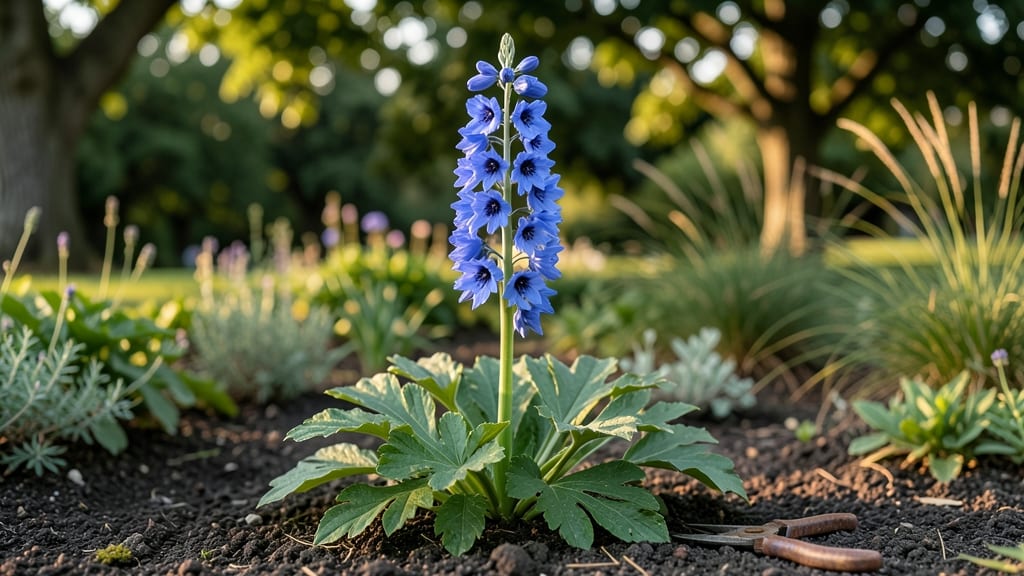
The blue colour flowers name you crave—delphiniums and Siberian bugloss—aren’t just a palette; they’re the Pacific Northwest’s secret weapon against gray skies. 🌿 Delphiniums tower like royal sentinels, their cobalt spikes attracting hummingbirds even in drizzle, while Siberian bugloss spills electric blue across cottage garden borders.
These frost-hardy stars thrive where tender blooms fail, turning misty mornings into jewel-toned masterpieces.
The real magic happens when you mix textures: velvety lobelia in containers, airy cornflowers in wildflower drifts, and hydrangeas that shift from pink to blue with soil pH. My go-to combo?
Delphiniums as vertical drama, bugloss as ground cover, and blue salvia for pollinators—all surviving winters that’d kill most flowers. Even your "I can’t keep plants alive" friends will beg for cuttings.
You’ll end up with gardens that look alive even in November, where every raindrop makes the blues deeper. Pair cobalt with silver foliage for modern drama or cream for cottage charm—these flowers work harder than any annual.
The best part? They multiply yearly, giving you free blooms for decades. Ready to steal the show?
Works in every PNW yard, from city balconies to 10-acre estates. Here’s how to make them thrive where others quit.
📚 In This Guide
- What you need
- Instructions
- Tips and common mistakes
- Wrapping up and next steps
What you need
- ● Blue flowers (seeds, bulbs, or cuttings): 1–3 Delphiniums (perennial seeds or young plants)
- ● 5–10 Lungwort (Pulmonaria) bulbs (spring planting)
- ● 3–5 Blue Flax (Linum lewisii) seed packets (drought-tolerant!)
- ● 2–4 Crocus tommasinianus bulbs (early spring bloomers)
- ● 1 Bluebell (Hyacinthoides non-scripta) clump (native to PNW!)
- ● Soil amendments: 5 lbs compost (for nutrient-rich soil)
- ● 2 lbs perlite or sand (for drainage, especially in clay-heavy PNW soil)
- ● Planting tools: 1 garden trowel (for precise digging)
- ● 1 hand fork (to loosen compacted soil)
- ● 1 watering can or hose with spray nozzle (gentle watering is key!)
- ● Mulch: 2–3 inches of straw or shredded bark (protects roots in winter)
- ○ Cold frames or row covers: (optional, for delicate seedlings)
- ● Slow-release fertilizer: 1 lb of 10-10-10 (spring and fall feeding)
- ● 🌡️ Check hardiness zones: Ensure your picks thrive in Zones 6–9 (PNW’s typical range).
- ● ✨ Native plants win: Bluebell and Flax need zero extra care—just plant and admire!
- ● 🎯 Color coordination: Pair blues with silver foliage (e.g., lamb’s ear) for a PNW woodland vibe.
Step-by-Step guide to designing a frost-resilient blue flower garden
Here's how I create a stunning, hardy blue flower display that thrives in Pacific Northwest winters.
🌱 Step 1: Select the Right Cold-Hardy Blue Flowers
Start with proven frost-tolerant varieties that bloom reliably in zones 5-8. My go-to choices are Delphinium elatum (for dramatic spikes), Lobelia erinus (for cascading color), and Campanula takesimensis (for delicate bell flowers). These handle temperatures down to 15°F once established, though young plants need winter protection.
Plant in groups of 5-7 for maximum impact—this mimics natural clusters and creates a lush, full look. Space delphiniums 2-3 feet apart (they grow tall), while lobelia and campanula can tuck into gaps at 12-18 inches apart. Here's the thing—mix heights for visual interest. Tall delphiniums anchor the back, with mid-height campanula and low lobelia spilling forward.
☀️ Step 2: Choose the Perfect Sun and Soil Conditions
Most blue flowers crave full sun (6+ hours daily) for best color intensity, but lobelia tolerates partial shade (3-6 hours) if your site gets afternoon sun. I always test soil first—blue bloomers prefer well-draining, slightly alkaline soil (pH 6.5-7.5). Amend heavy clay with 2-3 inches of compost before planting to improve drainage.
For containers, use a lightweight potting mix with perlite added—blue flowers hate soggy roots. In-ground plantings benefit from a 1-inch layer of gravel at the bottom of holes to prevent water pooling. Watch for yellowing leaves after rain—this signals poor drainage, and you'll need to improve soil structure.
💧 Step 3: Plant and Water for Winter Survival
Dig holes twice as wide as the root ball but only as deep as the container's base. Gently loosen roots if they're circling, then backfill with native soil mixed with compost. Water deeply immediately after planting to eliminate air pockets—you'll see soil settle about ½ inch as it absorbs moisture.
Establish a deep watering routine in fall: soak the root zone every 7-10 days until ground freezes. This builds cold resistance. Mulch with 3-4 inches of shredded bark after the first frost to insulate roots. I always leave 2 inches of space between mulch and stems to prevent rot.
✂️ Step 4: Prune and Maintain Through Seasons
Deadhead spent blooms regularly to encourage more flowers, but leave 1-2 seed heads on delphiniums for winter interest. Cut back ⅓ of the plant height in early spring before new growth appears—this prevents flopping and strengthens stems. Watch for aphids on new shoots in spring; blast them off with water if you see sticky residue on leaves.
Fertilize lightly in early spring with balanced 10-10-10—too much nitrogen makes plants leafy at the expense of flowers. Blue flowers are drought-tolerant once established, but wilting in hot spells means they need 1 inch of water weekly. I always water in the early morning to prevent fungal issues from evening moisture.
Tips & tricks for perfect frost-resilient blue flower gardens
Creating a blue flower garden that thrives through Pacific Northwest winters takes a few key strategies—here's what I've learned from years of trial and error.
Plant Placement Matters: When arranging your groups of 5-7 plants in Step 1, face taller delphiniums toward the north to prevent them from shading shorter campanula and lobelia. In my garden, this simple adjustment has doubled the blooming time for the shorter varieties by ensuring they still get their required 6+ hours of sun even when delphiniums are fully grown.
Soil Prep is Non-Negotiable: Before amending with 2-3 inches of compost in Step 2, I always conduct a simple soil test using a DIY pH kit from the garden center. For blue flowers, maintaining that slightly alkaline pH (6.5-7.5) makes all the difference—my first garden failed because I skipped this step and ended up with yellowing leaves from acidic soil. The $10 test saved me from replanting!
Watering Wisdom for Winter: That every 7-10 days watering routine in Step 3 needs adjustment based on your microclimate. In sheltered spots, you might stretch to 10-14 days once frozen, but exposed areas need weekly watering even in winter. I mark my watering spots with small flags to remember where I've already watered—this prevents overwatering in one area while others dry out.
Mulching Technique: When applying that 3-4 inches of shredded bark, rake it away from stems to create that 2-inch clearance mentioned in Step 3. I've seen too many gardeners smother stems with mulch, leading to rot. Also, use a coarse mulch—fine mulch compacts and prevents proper drainage, which blue flowers absolutely hate.
Pro Tips for Blue Colour Flowers Name
- Creating a blue flower garden that thrives through Pacific Northwest winters takes a few key strategies—here's what I've learned from years of trial and error.
- Plant Placement Matters: When arranging your groups of 5-7 plants in Step 1, face taller delphiniums toward the north to prevent them from shading shorter campanula and lobelia.
- Soil Prep is Non-Negotiable: Before amending with 2-3 inches of compost in Step 2, I always conduct a simple soil test using a DIY pH kit from the garden center.
Frequently asked questions
Got questions about blue flowers in the Pacific Northwest?
You’re not alone! Here are some common queries—and answers—to help you grow stunning frost-resistant blooms.
What are the hardiest blue flowers for cold climates?
The Pacific Northwest’s frost-resilient blue stars include Delphiniums (loved for their towering spikes), Lungwort (Pulmonaria) (early bloomers with fuzzy foliage), and Blue Flax (Linum lewisii). These thrive in zones 3–8 and handle wet winters like pros!
When is the best time to plant blue flowers for fall/winter blooms?
For frost-resistant varieties, plant perennials like Bluebell (Hyacinthoides non-scripta) or Crocus in early fall (September–October) so roots establish before winter. Annuals (e.g., Lobelia) can go in late spring after the last frost. Pro tip: Mulch after planting to insulate roots!
Why aren’t my blue flowers staying blue? Are they turning purple?
Sunlight and soil pH play tricks! Blue flowers often shift to purple in alkaline soil (pH >7). Test your soil and amend with sulfur or peat moss to lower pH. Also, hydrangeas (technically blue/purple) change color based on aluminum availability—add aluminum sulfate for true blue!
Can I grow blue flowers in containers? What’s the best setup?
Try Dwarf Delphiniums or Blue Lobelia in well-draining pots (12"+ diameter) with a mix of peat moss, perlite, and compost. Place containers in partial shade to prevent wilting. Remember: Containers freeze faster—wrap pots in burlap or move them to a sheltered spot in winter.
What’s a great blue-flower alternative if my garden lacks true blue?
If you’re craving blue but struggling with color shifts, try lavender-blue shades like Russian Sage (Perovskia), Catmint (Nepeta), or Salvia ‘May Night’. These drought-tolerant plants thrive in PNW conditions and pair beautifully with true blues for a cohesive look. Bonus: They attract pollinators!
Still stumped? Drop your specific flower or zone in the comments—we’re happy to help!
Wrapping up and next steps
The Pacific Northwest’s frost-resistant blue flowers are true gems—whether you’re a gardener dreaming of vibrant blooms or simply admiring nature’s artistry. From the delicate Delphinium to the hardy Lobelia, these showstoppers prove that beauty thrives even in cooler climates. 🌸
Now that you’ve discovered these stunning options, why not take the next step? Plan your garden layout or start seeds indoors—your future blue paradise awaits! Let these frost-loving flowers inspire your green thumb and bring a splash of serenity to your outdoor space.