
Flowers
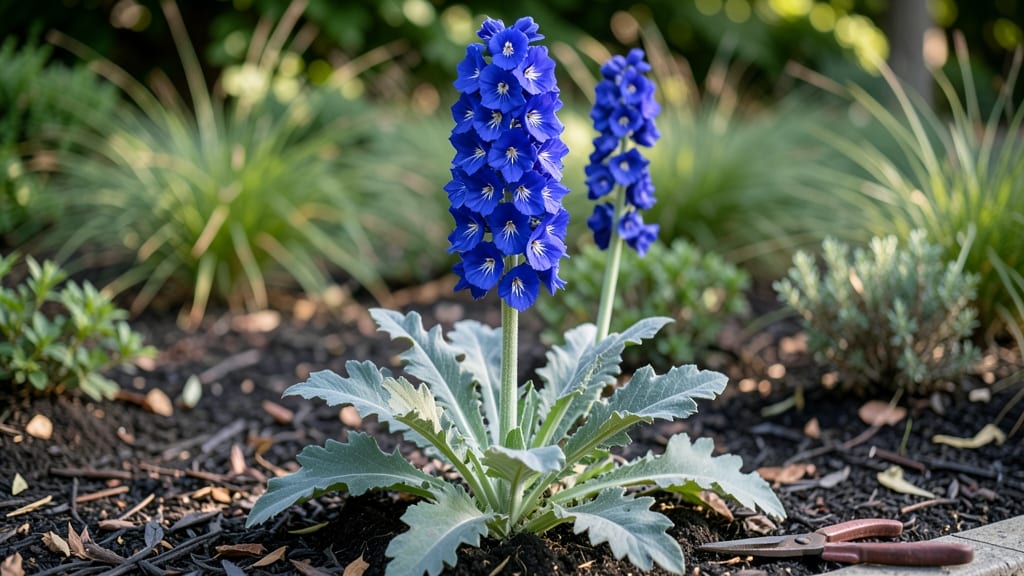
Those striking blue conical flowers are the Pacific Northwest’s secret weapon for vertical drama. 🌿 I’ve used lobelias and delphiniums to turn dull corners into eye-catching focal points—spikes of cobalt blue that draw the eye upward and transform any space.
The key lies in their natural growth habit: tall, slender stems that beg to be showcased in borders, containers, or mixed with grasses for texture.
These plants thrive in partial shade, making them perfect for understory plantings or woodland gardens where full sun would scorch their delicate blooms. Delphiniums need well-drained soil and regular watering, while lobelias tolerate moisture and even perform well in hanging baskets.
The trade-off? Both demand consistent care—neglect them, and you’ll lose those signature spikes to floppy stems.
Imagine a border where deep blue delphiniums tower over silver foliage, or trailing lobelias spill over container edges in cascading waves. The effect is instant vertical interest—something flat beds often lack.
For best results, pair them with white or silver foliage plants to make the blue pop even harder, and deadhead spent blooms to encourage nonstop color from early summer through fall.
Bonus: They attract hummingbirds and bees, turning your garden into a living pollinator highway. Whether you’re filling a shady corner or adding height to a mixed border, these blue cones deliver maximum impact with minimal fuss. Ready to bring that PNW drama home?
📚 In This Guide
- What you need
- Instructions
- Tips and common mistakes
- Wrapping up and next steps
What you need
- ● Blue conical flowers (e.g., Delphinium, Lobelia, or Agapanthus): 6–12 mature plants (for full visual impact) or seeds (if starting from scratch).
- ● Choose blue or violet-hued varieties for that signature PNW vibe.
- ● Well-draining potting soil: 2–3 bags (10–15 cubic feet each) for planting.
- ● Organic compost: 1–2 bags (to enrich soil and support growth).
- ● Slow-release fertilizer: 1 bag (10–20 lb) for nutrient boosts.
- ● Garden trowel or hand shovel (for transplanting).
- ● Pruning shears (for trimming and shaping).
- ● Watering can or hose with gentle spray nozzle (to avoid damaging delicate blooms).
- ○ Gloves (optional but recommended for prickly stems like Delphinium).
- ● Support stakes or trellis (for tall varieties like Delphinium, 4–6 stakes per plant).
- ● Mulch (to retain moisture and suppress weeds).
- ● Floral preservative (if using cut flowers in arrangements).
- ● Blue-themed accents (e.g., pebbles, blue pots, or complementary foliage like Hosta or Heuchera).
How to create stunning vertical blue flower displays in the Pacific Northwest
Here's how to transform your garden with striking blue vertical accents that thrive in our region's climate.
🪴 Step 1: Select the Right Blue Conical Flowers for Vertical Growth
Pacific Northwest conditions favor hardy blue flowers that thrive in vertical arrangements. Delphiniums, lobelias, and salvias are top choices—their tall, conical shapes create dramatic vertical impact. I always opt for varieties like 'Pacific Giant' delphiniums, which reach 4-5 feet tall and handle our cool summers beautifully.
For containers, choose blue salvia 'May Night'—its 2-3 foot spikes cascade perfectly over walls. Plant in well-draining soil (amend with perlite if your native soil is heavy). The key is spacing: place plants 12-18 inches apart in the ground or 6-8 inches apart in containers to allow air circulation and prevent mildew.
☀️ Step 2: Position for Maximum Pacific Northwest Sunlight
Blue flowers need full sun to partial shade—morning sun with afternoon shade works best in our climate. I position my vertical displays where they get at least 6 hours of direct sun but avoid the harsh afternoon heat that can scorch leaves. South-facing walls or trellises work perfectly.
For containers, move them to sheltered spots during heavy rain—they hate soggy roots. You'll know you've got the light right when the foliage stays deep green and the flower spikes remain upright, not flopping. If stems bend toward the light, rotate containers weekly for even growth.
💧 Step 3: Water Deeply but Strategically for Vertical Plants
Vertical blue flowers need consistent moisture but hate wet feet. I water deeply 2-3 times per week in summer, aiming for 1-2 inches of water per session. The secret is watering at the base, not overhead—this prevents fungal issues that plague our damp climate. Use a soaker hose for ground plants or water containers until water runs out the drainage holes.
Check soil moisture by sticking your finger 2 inches deep—if it's dry, water again. Overhead watering on leaves encourages powdery mildew, which is common with delphiniums. Mulch with 2-3 inches of shredded bark to retain moisture and keep roots cool during our warm spells.
✂️ Step 4: Prune and Support for Long-Lasting Vertical Impact
Deadhead spent blooms every 2-3 weeks to encourage continuous flowering. Use clean shears to snip just above a set of leaves. For tall varieties like delphiniums, I install bamboo stakes at planting time and tie stems loosely with soft plant ties as they grow—this prevents wind damage from our coastal breezes.
After the first flush of blooms, cut back one-third of the stems to encourage bushier growth. This works especially well with salvias, which often get leggy. For containers, trim back by half in early summer to maintain compact shape and prevent toppling.
Tips & tricks for perfect vertical blue flower displays
Here's what I've learned after years of creating showstopping blue vertical gardens that actually thrive in our region.
Plant Selection Matters: In Step 1, when choosing your blue conical flowers, prioritize disease-resistant varieties. 'Pacific Giant' delphiniums are my go-to because they handle our damp summers better than other types. For containers, 'Blue Salvia' not only looks stunning but also attracts pollinators—just make sure to choose the 'May Night' variety specifically for its cascading habit. The key is matching plant height to your vertical space: for walls, aim for 3-4 foot varieties, while containers can handle the slightly shorter 2-3 foot spikes.
Light Positioning Secret: Step 2 mentions morning sun with afternoon shade, but here's the real trick: if your display gets afternoon sun, position it where it receives it for only the last 2-3 hours of the day. Our Pacific Northwest sun can be intense, and even blue flowers will scorch if exposed too long. I've found that east-facing walls work perfectly for most vertical arrangements—they get gentle morning light without the harsh afternoon heat. For containers, use the "rotate weekly" trick to prevent stems from leaning toward the light source.
Watering Technique: The 2-3 times per week watering in Step 3 is spot-on, but here's how I make it work even better: use a rain gauge to measure your 1-2 inches of water per session. Our region's unpredictable weather means you can't always rely on feeling the soil. I also water in the early morning so the leaves have all day to dry, which dramatically reduces fungal issues. For containers, I weigh them before and after watering to ensure they're getting the right amount—this is especially important during our frequent rain showers.
Pruning Strategy: When deadheading every 2-3 weeks in Step 4, I always use clean shears and make cuts just above a set of leaves. This encourages new growth while keeping your plants looking tidy. For delphiniums, I also do a "light trim" after the first flush of blooms—cutting back one-third of the stems actually makes them bushier and more compact. The bamboo stakes and soft ties are essential for our windy coastal areas, but I've found that adding a second stake on the opposite side of the plant prevents it from swaying too much in storms.
Pro Tips for Blue Conical Flowers
- Here's what I've learned after years of creating showstopping blue vertical gardens that actually thrive in our region.
- Plant Selection Matters: In Step 1, when choosing your blue conical flowers, prioritize disease-resistant varieties.
- Light Positioning Secret: Step 2 mentions morning sun with afternoon shade, but here's the real trick: if your display gets afternoon sun, position it where it receives it for only the last 2-3 hours of the day.
Frequently asked questions
Got questions about blue conical flowers? You’re not alone!
Whether you're planning a garden, troubleshooting growth, or just curious about these stunning Pacific Northwest beauties, we’ve got answers. Here’s what we hear most often—and how to tackle them like a pro.
What are the most common types of blue conical flowers in the PNW?
If you’re dreaming of vertical blue drama, look for Delphinium (larkspur) or Echinacea (coneflower) varieties like ‘Blue Heaven.’ For true conical shapes, Agapanthus (African lily) or Salvia (like ‘May Night’) are top picks. Pro tip: Delphiniums thrive in cool climates and add serious height!
When is the best time to plant blue conical flowers in the PNW?
Timing is key! Plant perennials (like delphiniums) in early spring (March–April) or fall (September–October) for root establishment. Annuals (e.g., salvia) can go in late spring after frost. Wait until soil warms (60°F+) to avoid stunted growth. PNW’s mild winters? Perfect for fall planting!
How do I keep my blue conical flowers thriving in wet PNW climates?
Too much moisture? Drainage is non-negotiable! Amend soil with compost or sand and plant in raised beds if needed. For Delphiniums, stake stems early to prevent flopping. Mulch lightly (1–2 inches) to retain moisture without suffocating roots. Yellowing leaves? Likely overwatering—let soil dry slightly between waterings.
What’s a great alternative if blue conical flowers don’t grow well in my garden?
No stress! Try blue plumbago (Thunbergia) for trailing blue blooms, Russian sage (Perovskia) for airy spikes, or blue fescue grass (for texture). For height + color, Cobaea scandens (cup-and-saucer vine) offers trumpet-shaped blue flowers. Bonus: Many thrive in similar conditions to delphiniums!
Why are my blue conical flowers attracting pests or wilting unexpectedly?
Common culprits: Aphids (sap-sucking pests) or powdery mildew (white dust = fungal issue). Fix it: Spray aphids with soapy water; improve airflow to prevent mildew. Wilting? Check for root rot (too-wet soil) or under-watering. Yellow stems? Cut back affected parts and treat with neem oil if needed.
Still stumped? Drop your specific challenge below—we’re happy to help your blue garden bloom!
Wrapping up and next steps
From the striking blue conical flowers of the Pacific Northwest to their practical uses in gardens and landscapes, these bold beauties are a game-changer. Whether you’re drawn to their vibrant color, unique shape, or low-maintenance charm, these flowers bring effortless elegance to any space.
Ready to transform your garden? Start small—plant a few in a sunny spot, experiment with companion plants, or even craft a bouquet to brighten your home. Your outdoor (or indoor!) oasis awaits! 🌿✨