
Flowers
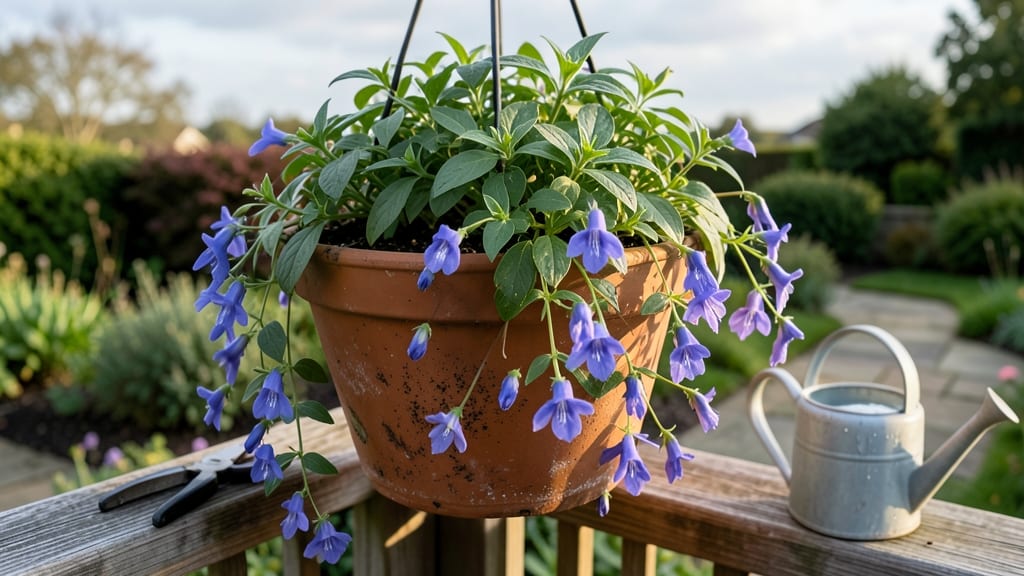
The blue heart flower thrives in the Pacific Northwest, letting you bask in its graceful blooms all season long without summer wilting worries. 🌿 I’ve planted these frost-hardy beauties in my own yard for years, and they’ve become the star of my shade garden—reliable, elegant, and effortlessly charming.
The secret to their success lies in rich, moist soil and partial shade, which mimics their native woodland habitat. Most gardeners overlook how crucial consistent moisture is—these plants hate drying out.
With the right spot, they’ll reward you with heart-shaped blooms from late spring through summer, even after our region’s unpredictable frosts.
You’ll end up with lush, velvety foliage and cascading clusters of pink or white flowers that bring a romantic touch to any garden corner. Once established, they spread gently, filling in over time without becoming invasive. The best part? They thrive in our damp climate, making them a low-maintenance dream.
Whether you’re planting from seed, dividing established clumps, or tucking in nursery starts, the key is patience—these beauties take a year or two to really show off. But trust me, the wait is worth it for those first blush-pink blooms in May.
📚 In This Guide
- What you need
- Instructions
- Tips and common mistakes
- Wrapping up and next steps
What you need
- ● Blue heart flower tubers: 3–5 healthy, firm tubers (size: 1–2 inches in diameter). Choose organic or locally sourced if possible!
- ● Well-draining potting mix: 5–10 gallons (depending on container size) of a blend with peat moss, perlite, and compost (or store-bought "bulb mix").
- ● Garden soil (for in-ground planting): Amend with 2–3 inches of compost and a handful of bone meal (1–2 tbsp per planting hole) for phosphorus.
- ○ Containers (optional): 1–2 large pots (12+ inches deep) with drainage holes or a raised bed for cold-hardy growing.
- ● Mulch: 2–3 inches of straw, shredded bark, or wood chips to protect roots in winter.
- ● Hand trowel or garden spade
- ● Gloves (to protect from soil and thorns)
- ● Watering can or hose with a gentle spray nozzle
- ○ pH test kit (optional but handy—blue hearts thrive in acidic to neutral soil (pH 6.0–7.0))
- ● Pruners (for trimming dead foliage in late summer)
- ● Sunlight: Partial shade (3–6 hours of dappled sun daily). Avoid harsh afternoon sun!
- ● Watering routine: Keep soil consistently moist (not soggy) during active growth. Reduce watering in winter.
- ● Climate note: Blue hearts are hardy to USDA Zones 3–9—perfect for the Pacific Northwest’s cool, wet winters!
Step-by-step guide for planting blue heart flowers in the Pacific Northwest
Here’s how to get these frost-hardy beauties thriving in your garden.
🌱 Step 1: Choose the Perfect Planting Spot
Blue heart flowers (Dicentra spectabilis) love partial shade—think 4-6 hours of morning sun with afternoon shade, especially in hotter PNW summers. A spot near deciduous trees or along a north-facing wall works perfectly. Avoid full sun; leaves will scorch before blooms appear.
Test your site by observing how sunlight moves across the area throughout the day. If the ground stays damp for long stretches, that’s ideal—they tolerate moist soil but won’t thrive in soggy conditions. Amend heavy clay soil with 2-3 inches of compost to improve drainage before planting.
🪴 Step 2: Prepare the Soil and Plant Bare-Root Tubers
Blue heart flowers grow from bare-root tubers (not seeds), so handle them gently. Soak the tubers in lukewarm water for 2-3 hours before planting to rehydrate them. This step is critical—dry tubers take longer to establish and may rot if planted too deep.
Dig a hole 1-2 inches deeper than the tuber’s length and twice as wide. Space tubers 12-18 inches apart—they’ll spread over time. Mix the removed soil with 1 part compost to enrich it. Place the tuber horizontally, 2-3 inches below the soil surface, with the bud end (smaller side) facing up. Cover lightly and water gently to settle the soil.
☀️ Step 3: Water and Mulch for Frost Resilience
Water deeply right after planting to encourage root growth, then keep soil evenly moist but not soggy for the first 4-6 weeks. Blue hearts are drought-tolerant once established, but young plants need consistent moisture. In the PNW’s rainy climate, you’ll mostly just monitor for soggy spots—these plants hate wet feet.
Apply 2-3 inches of mulch (like shredded bark or straw) around the base to insulate roots during cold snaps. This is key for frost resistance—mulch acts like a blanket, protecting tubers through 20°F nights. Replenish mulch annually in early spring to maintain protection.
✂️ Step 4: Prune and Maintain for Long-Term Blooms
Deadhead spent blooms by snipping stems at the base after flowering to encourage a second flush of flowers later in the season. Avoid cutting into the foliage—this plant stores energy in its leaves for next year’s growth. If leaves yellow in late summer, that’s normal; they’ll die back naturally as the plant enters dormancy.
Divide clumps every 3-4 years in early spring or fall to prevent overcrowding. Dig up tubers, separate them with a clean knife, and replant the healthiest sections. This rejuvenates the plant and keeps blooms vibrant. In the PNW’s mild winters, you can plant divisions in fall, but spring is safer if frosts linger.
⏰ Step 5: Time Your Care for Seasonal Success
Blue hearts bloom in early to mid-spring, often before many perennials wake up. That’s their claim to fame—frost-resistant blooms that appear when the garden is still quiet. Fertilize lightly in early spring with a balanced 10-10-10 formula (use ½ teaspoon per plant) to support new growth without overstimulating foliage.
In late summer, reduce watering slightly to harden off the plant for dormancy. By fall, the foliage will yellow and die back naturally—don’t cut it back until spring. This protects the tubers through winter. In the PNW’s wet climate, this natural cycle ensures your blue hearts return year after year with minimal fuss.
Tips & tricks for perfect blue heart flower planting
Here's what I've learned after years of growing these stunning perennials in PNW gardens—tricks that make all the difference for frost-resistant blooms.
Location Intelligence: The 4-6 hours of morning sun is non-negotiable for blue hearts. I always scout my garden in winter when trees are bare to identify the perfect spot. Look for areas where sunlight hits in the morning but disappears by late afternoon—this prevents leaf scorch while still giving enough light for vibrant blooms. A north-facing wall or deciduous tree canopy works beautifully, especially in hotter PNW summers.
Tuber Prep Secret: That 2-3 hour soak in lukewarm water isn't just about hydration—it's about waking up the tubers. I use a bowl of water at about 70°F and gently swirl the tubers every 30 minutes to prevent rot. Pro tip: If your tubers arrive dry and shriveled, soak them overnight (12-14 hours) instead of the standard time—just don't let them sit in water beyond that or they'll start to rot.
Planting Depth Matters: The instructions say to plant tubers 2-3 inches deep, but here's the thing: in heavier clay soils common in the PNW, I go with the 3-inch mark. This prevents tubers from heaving out of the ground during freeze-thaw cycles. The key is placing them horizontally with the bud end up—if you're unsure which end is up, the bud end is usually the smaller, slightly flattened side of the tuber.
Mulch Strategy: That 2-3 inches of mulch is your winter insurance policy. I use a mix of shredded bark and straw for the best results—the bark provides long-term insulation while straw adds air pockets to prevent soggy conditions. In particularly cold winters (below 20°F), I double the mulch thickness temporarily. The mulch also helps maintain even soil moisture during the critical 4-6 week establishment period after planting.
Pro Tips for Blue Heart Flower
- Here's what I've learned after years of growing these stunning perennials in PNW gardens—tricks that make all the difference for frost-resistant blooms.
- Location Intelligence: The 4-6 hours of morning sun is non-negotiable for blue hearts.
- Tuber Prep Secret: That 2-3 hour soak in lukewarm water isn't just about hydration—it's about waking up the tubers.
Frequently asked questions
Can blue heart flowers survive PNW winters?
These hardy perennials thrive in USDA Zones 3-9, making them perfect for the PNW’s frosty winters. Just mulch heavily in late fall (3-4 inches of shredded bark or leaves) to protect roots. Pro tip: Plant in partial shade where snow lingers—it acts like a natural blanket!
How long does it take for blue heart flowers to bloom?
Patience is key! First-year plants focus on root growth, so blooms typically appear in spring (March–May) of the second year. For faster results, buy established nursery plants (1-2 years old) instead of seeds. Troubleshooting: If no flowers appear after Year 2, check for overcrowding or too much sun.
What’s the best alternative if blue heart flowers don’t grow well in my yard?
Try these PNW-friendly lookalikes:
- Bleeding heart (Dicentra cucullaria) – Native, deer-resistant, and thrives in dry shade.
- Japanese anemone (Anemone × hybrida) – Late-summer blooms, drought-tolerant.
- Lungwort (Pulmonaria) – Early spring flowers + spotted foliage.
Why are my blue heart flowers turning yellow or wilting?
Yellow leaves? Likely overwatering or fungal issues (e.g., powdery mildew). Wilted foliage often signals root rot (too soggy soil) or heat stress (PNW summers can be tricky!). Fix it: Improve drainage, water deeply but only when top 1–2 inches of soil are dry, and prune affected leaves immediately.
When is the ideal time to plant blue heart flowers in the PNW?
Plant in early spring (March–April) or early fall (September–October) for best results. Avoid summer heatwaves—bare-root plants can stress in 80°F+ temps. Pro move: Soak roots in water + mycorrhizal fungi for 1 hour before planting to boost survival rates!
Wrapping up and next steps
The blue heart flower is a stunning, frost-resistant gem that thrives in the Pacific Northwest’s climate—perfect for gardeners who love low-maintenance beauty! 🌸 With the right soil, sunlight, and care, you’ll enjoy its vibrant blooms for years.
Whether you’re a seasoned gardener or just starting, this resilient plant is a fantastic addition to your outdoor space.
Ready to plant your passion? Grab your supplies, follow the steps, and watch your garden transform! Next up: Share your progress with fellow gardeners or explore more PNW-friendly plants to expand your floral haven. Happy growing! 🌿