
Flowers
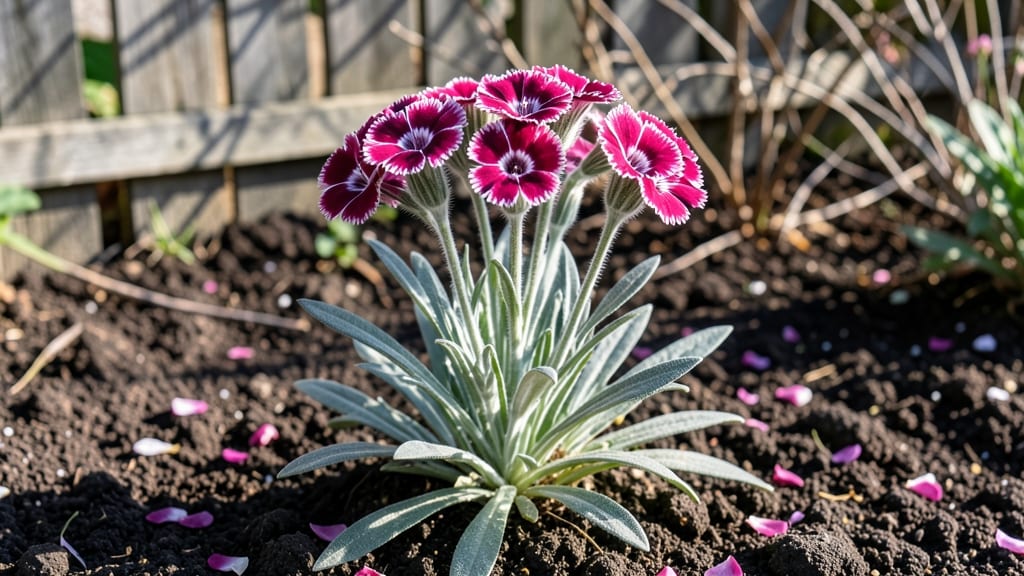
Pink and white flowers create the Pacific Northwest's dreamy, frost-tough vertical gardens that bloom through rain and chill. 🌸 I fell for this color combo after my first winter garden—those soft blooms stood out against gray skies, and the vertical structures kept them safe from wind.
The secret isn't just the colors but how they layer: delicate petunias spilling over trellises, hydrangeas arching overhead, and roses climbing trellises like lace curtains.
Start with frost-resistant stars like heuchera (for foliage), coral bells, and pink and white roses that handle damp climates. Add clematis for height and sweet alyssum for cascading texture—these pairings create movement and depth.
For containers, mix petunias with white impatiens and trailing calibrachoa for a romantic, spill-over effect that works in modern or cottage styles alike.
What you'll get is a garden that feels like a breath of fresh air—soft pinks and whites against evergreens create a serene, almost ethereal mood. The vertical accents draw the eye upward, making small spaces feel grand, while the frost resistance means fewer replacements and more enjoyment.
Even in late fall, the blooms stay vibrant, turning your garden into a quiet retreat.
Works in everything from modern minimalist designs to wild, cottage-style borders. The key is balancing textures—velvety peony leaves next to feathery ferns, or glossy hostas under climbing roses. Let’s bring that dreamy, resilient beauty to your garden walls and trellises!
📚 In This Guide
- What you need
- Instructions
- Tips and common mistakes
- Wrapping up and next steps
What you need
- ● Pink-white flowering plants: Choose frost-resistant varieties like Heuchera (Coral Bells), Astilbe, Hellebore (Lenten Rose), or Clematis (for verticals). Quantity: 3–5 plants per square foot of vertical space.
- ● Vertical structure: Trellis, obelisk, or A-frame (6–10 ft tall) for climbing plants.
- ● Living wall panels (pre-drilled for drainage) or wooden slats (1–2" spacing) for modular gardens.
- ● Container planters (10–15 gallon size) with drainage holes for potted arrangements.
- ● Growing medium: Potting mix (lightweight, peat-free blend for containers). Quantity: 1–2 bags (1.5–2 cu. ft. each).
- ● Well-draining soil (amend with perlite or compost for vertical gardens). Quantity: 10–15 cubic feet.
- ● Garden tools: Trowel or hand shovel
- ● Pruners (sterilized)
- ● Measuring tape
- ● Fasteners: Staple gun + landscape staples (for attaching plants to slats).
- ● Ziploc ties or soft plant ties (for securing vines to trellises).
- ○ Optional (but helpful!): Watering can with rose attachment (for gentle watering).
- ● Mulch (pine bark or straw) to retain moisture.
- ● Fertilizer (slow-release, 10-10-10 NPK) for nutrient boost.
- ● Location: Partial shade to full sun (6+ hours/day for most PNW climates). Avoid frost pockets if planting early.
- ● Water source: Drip irrigation or hose with reach (vertical gardens dry out faster!).
- ● Season timing: Plant in early spring (March–April) or fall (September) for best root establishment.
- ● Safety: Wear gloves when handling staples or pruners!
Step-by-step guide for designing a frost-resilient vertical garden with pink and white blooms
Here’s how to create a striking vertical display that thrives in the Pacific Northwest’s cool, damp climate.
🌱 Step 1: Select Frost-Tolerant Varieties for Vertical Growth
Focus on heuchera, astilbe, and hardy fuchsia—these thrive in USDA Zones 5-8 and handle frost beautifully. Heuchera’s colorful foliage pairs perfectly with white blooms like astilbe ‘Bridal Veil’, while fuchsia varieties like ‘Giant Marmalade’ add cascading pink accents. Avoid tropical plants; they’ll crisp in overnight chills.
Check each plant’s mature height—12-36 inches—to ensure they’ll fill vertical space without overcrowding. I like mixing 2-3 varieties per structure for texture contrast. For example, dwarf astilbe (12 inches) with tall heuchera (24 inches) creates layers that catch light differently.
🪴 Step 2: Choose and Prepare the Vertical Structure
Use a trellis, wall-mounted planter, or tiered hanging system with drainage holes—critical in the PNW’s wet winters. I prefer galvanized metal grids for durability and coconut-fiber planters for breathability. Secure the structure to a sturdy wall or fence using L-brackets and outdoor-rated screws to handle wind.
Line the bottom with landscape fabric to prevent soil from washing out through drainage holes. Fill with moistened, well-draining potting mix (avoid garden soil—it compacts and suffocates roots). Leave 1-2 inches of space at the top for watering without spillage.
☀️ Step 3: Plant with Layered Depth for Year-Round Interest
Start with tallest plants at the back, then mid-height, and finally trailing varieties at the edges. Dig holes twice as wide as the root ball but no deeper—planting too low drowns stems in heavy PNW rains. Gently press soil around roots to eliminate air pockets, then water deeply until moisture runs from the drainage holes.
Space plants 6-12 inches apart depending on maturity. For example, heuchera needs 10 inches of breathing room, while astilbe can sit 8 inches apart. Mulch the surface with 2 inches of shredded bark to insulate roots from temperature swings and retain moisture.
💧 Step 4: Water and Fertilize for Pacific Northwest Conditions
Water deeply 2-3 times per week in summer, but reduce to once weekly in winter—PNW’s damp air slows evaporation. Test soil moisture by sticking your finger 1 inch deep; if dry, water until it drips from the bottom. Overwatering in winter causes rot, so always check drainage after heavy rains.
Feed with a balanced, slow-release fertilizer (10-10-10) in spring, then switch to low-nitrogen, high-phosphorus (5-10-10) when blooms appear. I skip fall feeding—plants need to harden off for winter. Prune spent blooms just above a set of leaves to encourage new growth without stressing the plant.
✂️ Step 5: Prune and Protect for Winter Hardiness
After the first frost, cut back dead foliage by ⅓ to reduce wind catch and prevent disease. Leave 2-3 inches of stem on each plant—this protects the crown from freeze-thaw cycles. Wrap tender stems (like fuchsia) in burlap if temperatures dip below 20°F for more than a night.
In early spring, remove winter wraps and prune leggy growth to encourage bushier habits. Watch for aphids or powdery mildew—common in PNW’s humid summers—and treat with neem oil at the first sign. Your vertical garden will reward you with bold pink and white blooms from late spring through fall.
Tips & tricks for perfect vertical gardens with pink and white blooms
Creating a thriving vertical garden in the Pacific Northwest takes a few strategic moves—here's what I've learned from years of testing these frost-resistant varieties.
Plant Selection Strategy: When choosing between heuchera, astilbe, and hardy fuchsia, prioritize mature height differences. The 12-36 inch range gives you perfect vertical layers—place your tallest heuchera (24 inches) at the back, then mid-height astilbe (18 inches), and finally trailing fuchsia at the edges. This creates a natural waterfall effect that catches light beautifully from multiple angles. I've found that mixing just 2-3 varieties prevents visual clutter while maximizing color contrast.
Structure Stability Secret: The PNW's windy winters can test even the sturdiest vertical gardens. For trellises or wall-mounted systems, use galvanized metal grids with at least 12-gauge thickness—they won't warp like plastic alternatives. When securing to walls, use outdoor-rated L-brackets with stainless steel screws. I learned this the hard way after watching a flimsy wooden trellis collapse during a storm. Always leave that 1-2 inch watering space at the top—it's the difference between a neat garden and a soggy mess.
Winter Protection Technique: That 20°F threshold isn't just a number—it's when fuchsia stems become vulnerable. I wrap tender stems in burlap sleeves starting at 25°F, leaving only the crown exposed. For extra insurance, tuck a handful of straw around the base to create an insulating barrier. The key is protecting the crown while allowing air circulation—this prevents rot while still letting the plant breathe. Don't forget to remove wraps in early spring before new growth appears.
Fertilizer Timing: The switch from 10-10-10 to 5-10-10 when blooms appear isn't arbitrary—it's about supporting flower production without encouraging late-season growth that won't harden off properly. I've found that applying the second fertilizer right when you see the first buds form gives the best results. And that fall feeding skip? It's crucial—plants need to focus on root development, not lush foliage, as temperatures drop.
Pro Tips for Pink White Flowers
- Creating a thriving vertical garden in the Pacific Northwest takes a few strategic moves—here's what I've learned from years of testing these frost-resistant varieties.
- Plant Selection Strategy: When choosing between heuchera, astilbe, and hardy fuchsia, prioritize mature height differences.
- Structure Stability Secret: The PNW's windy winters can test even the sturdiest vertical gardens.
Frequently asked questions
Got questions about pink-white flowers thriving in the Pacific Northwest’s chilly climate? You’re in the right place! Here are some common queries—and expert answers—to help you grow these stunning vertical accents with confidence.
What are the best pink-white flowers for frost-resistant vertical gardens?
Top picks for the PNW include Heuchera (coral bells), Astilbe (false spirea), and Helleborus (Lenten rose). These thrive in cool temps, boast striking foliage, and add height with cascading blooms. For extra resilience, opt for Saxifraga (saxifrage) or Primula denticulata (fairy primrose).
How do I protect pink-white flowers from late spring frosts?
Use frost cloth or lightweight row covers when temps dip below 28°F. Plant in south-facing spots for warmth and group containers to retain heat. Mulch with straw or bark to insulate roots. Avoid overhead watering before frosts—wet foliage freezes faster!
Can I grow pink-white flowers in containers for vertical accents?
Choose well-draining pots (12"+ diameter) and mix peat-free potting soil with perlite for aeration. Trailing varieties like Fuchsia or Lobelia add drama to hanging planters. Secure containers to trellises or walls with weatherproof straps for stability.
Why are my pink-white flowers wilting despite cold-hardy claims?
Check for root rot (overwatering in soggy soil) or pests like slugs (common in PNW). Ensure pots have drainage holes and water only when the top inch of soil is dry. If leaves yellow, test for nutrient deficiencies—feed with a balanced fertilizer in early spring.
What’s a low-maintenance alternative to pink-white flowers for verticals?
Try Sedum (stonecrop) for drought-tolerant succulent cascades or Ivy (Hedera helix) for evergreen coverage. Ornamental grasses like Carex also add texture with minimal fuss. These options handle frost, require little pruning, and pair beautifully with blooms.
Wrapping up and next steps
Pink-white flowers in the Pacific Northwest aren’t just a pretty sight—they’re a bold statement of resilience against frost and vertical spaces. Whether you’re revamping a garden, adding charm to a balcony, or embracing sustainable landscaping, these blooms bring effortless beauty with minimal fuss. Now’s your moment to act!
🌱 Next Steps for Your Garden
- Sketch your vision: Map out where pink-white accents will thrive—think trellises, hanging planters, or frost-free zones.
- Gather supplies: Check off your list (soil, containers, stakes) and prep for planting.
- Plant with confidence: Start small, experiment, and let your space bloom with personality!