
Flowers
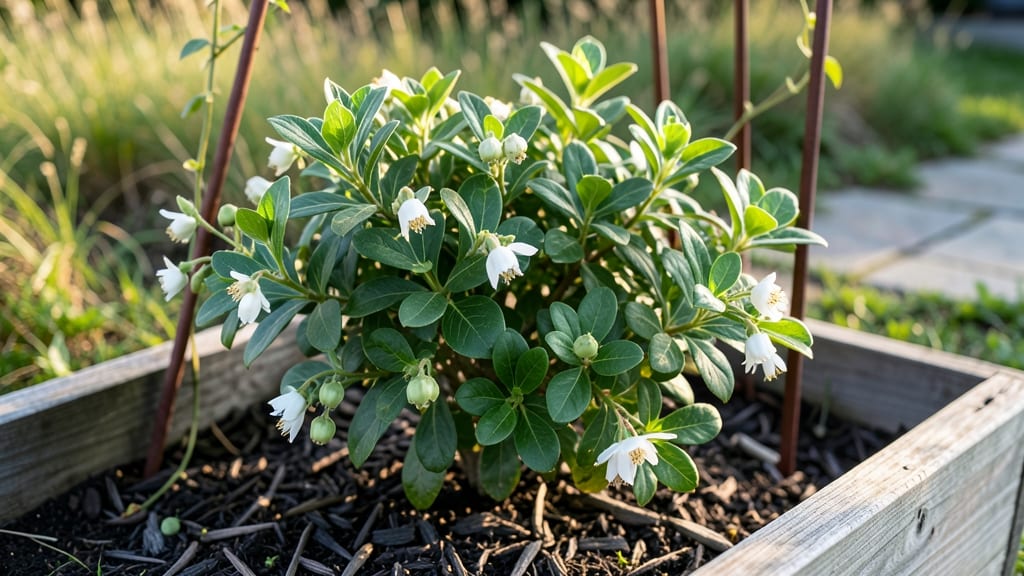
Blueberry bush flowers in the Pacific Northwest need the right timing, soil, and care to survive frost while producing stunning blooms. 🌸 I learned the hard way when my first batch of flowers froze back after a late spring chill—now I know exactly how to protect them.
The key is choosing cold-hardy varieties like 'Duke' or 'Elizabeth' that thrive in zones 5-7, combined with proper winter prep.
Your blueberry bushes need full sun, acidic soil (pH 4.5-5.5), and consistent moisture to set flowers. Most blooms appear in early spring, right when frost risk is highest, so mulching with straw or leaves in fall gives them a fighting chance.
Prune old canes in late winter to encourage new growth where flowers will form—this is where fruit production begins.
Once those delicate white or pink bell-shaped flowers bloom, you’ll see bees buzzing around like they’ve hit the buffet. 🐝 Healthy bushes produce flowers for years, but poor blooming often means too much nitrogen, drought stress, or not enough winter chill.
The payoff? Juicy berries by summer that taste like sunshine—if you give the flowers the right start.
This works for both backyard bushes and container-grown plants, though larger varieties need more space. Whether you’re in Seattle or Portland, these tips will help you beat frost and grow blueberries that make your neighbors green with envy. Let’s get those buds blooming strong!
📚 In This Guide
- What you need
- Instructions
- Tips and common mistakes
- Wrapping up and next steps
What you need
- ● Blueberry plants: Choose frost-resistant varieties like 'Duke,' 'Bluecrop,' or 'Rubel' (2–4 plants for cross-pollination). Opt for bare-root (fall/early spring) or potted (spring/summer) plants.
- ● Well-draining soil: Mix 1 part peat moss, 1 part perlite, and 2 parts acidic compost (pH 4.5–5.5). Test soil pH with a digital tester.
- ● Organic mulch: 4–6 inches of pine bark or wood chips to retain moisture and acidity.
- ● Fertilizer: Acid-loving plant fertilizer (e.g., Miracid or cottonseed meal)—apply 2–3 times/year (spring, summer, fall).
- ● Watering system: Drip irrigation or soaker hose (1–2 gallons/plant, 2–3x/week in dry spells).
- ● Pruning tools: Bypass pruners (for clean cuts on branches <1/2" thick).
- ● Loppers (for thicker branches).
- ● Disinfectant (rubbing alcohol or bleach solution) to sterilize tools between cuts.
- ● Protective barriers: Frost cloth (for young plants in late spring/early fall).
- ● Bird netting (to safeguard flowers/fruit from wildlife).
- ● Soil amendments: Sulfur (to adjust pH) or composted leaves (for organic matter).
- ● Support stakes: 3–4 ft bamboo stakes + twine for larger varieties.
- ● pH testing kit (for precise monitoring).
- ● Organic pest control: Neem oil or insecticidal soap (for aphids/spider mites).
- ● Garden journal to track blooms, pruning, and fertilizer dates.
Step-by-step guide for cultivating Pacific Northwest blueberry bush flowers
Here's how to coax those stunning blueberry blooms—even when frost lingers.
🌱 Step 1: Choose the Right Varieties for Cold Climates
Pacific Northwest gardeners should focus on half-high varieties like 'Bluecrop' or 'Duke' for their frost tolerance. These thrive in USDA zones 5-7 and produce abundant flowers that withstand late spring frosts. I always check the plant tag for the term "frost-resistant"—it's your first clue.
If you're planting multiple bushes, mix two varieties that bloom at different times. This cross-pollination trick ensures better fruit set. For example, pair 'Bluecrop' (early bloomer) with 'Jersey' (mid-season). The flowers will appear in late spring, typically April to May, but timing varies by microclimate.
☀️ Step 2: Plant in Full Sun with Acidic Soil
Blueberry bushes demand 6+ hours of direct sunlight daily—no compromises here. The Pacific Northwest's cloudy days make this tricky, so I supplement with reflective surfaces like white garden markers around the plant to bounce extra light onto the foliage. Watch for leaves that turn yellowish-green instead of deep green—this signals insufficient light.
Dig a hole twice as wide as the root ball but no deeper. Amend the native soil with 3-4 inches of peat moss (or coconut coir) to lower the pH to 4.5-5.5. Blueberries refuse to thrive in alkaline soil, and the Pacific Northwest's volcanic soils often lean too basic. Test your soil before planting—if the pH reads above 6.0, you'll need more sulfur or peat.
💧 Step 3: Water Deeply and Mulch for Frost Protection
Water deeply once a week during the first growing season, aiming for 1-1.5 inches of moisture. The key is reaching 12 inches down—blueberry roots are shallow but extensive. I use a soaker hose to avoid wetting the leaves, which prevents fungal diseases like botrytis. You'll know you've watered enough when the soil feels damp 6 inches deep when you check with your finger.
Spread 3-4 inches of pine bark mulch around the base, keeping it 6 inches away from the trunk. This mulch layer acts like a blanket, protecting flowers from late frosts that often hit the PNW in May. The mulch also slowly releases acidity as it breaks down, keeping soil pH optimal. Refresh the mulch every spring—it decomposes faster than you'd expect.
✂️ Step 4: Prune for Airflow and Flower Production
Prune in late winter (February-March) before buds swell but before new growth starts. Remove dead or crossing branches first—these compete with healthy growth for energy. Cut back last year's fruit-bearing wood by about one-third to encourage new, vigorous shoots that will produce next year's flowers. You're shaping the bush to be open in the center, which improves airflow and reduces disease.
Watch for suckers (shoots growing from the base) and remove them immediately. These divert energy from flower production. After pruning, apply a balanced fertilizer (10-10-10) in early spring. The flowers will appear on new wood, so encouraging robust growth now means more blooms next season. You'll see flower buds forming in late winter, looking like tiny green cones.
Tips & tricks for Pacific Northwest blueberry blooms
These little tricks will help you turn your blueberry bushes into a floral paradise that thrives in the PNW's unpredictable climate.
Variety Pairing Secret: When selecting your two varieties, look for labels that specify "self-fertile" or "pollination group 1 and 2" compatibility. I've found that 'Bluecrop' (group 4) paired with 'Jersey' (group 2) creates a perfect bloom sequence—early flowers from Jersey attract pollinators while Bluecrop's later blooms ensure continuous pollination. This staggered approach maximizes fruit set even when late frosts hit one variety's flowers.
Soil Test Timing: Test your soil pH in late winter before planting—this gives you time to amend with sulfur or peat moss if needed. The Pacific Northwest's volcanic soils often test above 6.0, which is too alkaline. Aim for that 4.5-5.5 range by mixing 3-4 inches of peat moss into the planting hole. Pro tip: Re-test after 6 months—blueberries love consistent acidity, and the soil pH can shift unexpectedly in our rainy climate.
Frost Protection Hack: For those critical late spring frosts that often hit in May, create a DIY frost cloth using old bedsheets or lightweight row covers. Drape them over the bushes when nighttime temperatures drop below 32°F, securing with bricks or stakes. I've seen this simple trick protect delicate flowers from 28°F temperatures. Remove the covers by mid-morning to let pollinators access the flowers.
Pruning Visual Cue: When pruning in late winter, look for branches with clusters of tiny green cones—these are your flower buds for next season. Cut back last year's wood by about one-third, focusing on branches that are older than 3 years. The goal is to create an open center that lets sunlight reach the inner branches, which is where many of those precious flower buds form.
Pro Tips for Blueberry Bush Flowers
- These little tricks will help you turn your blueberry bushes into a floral paradise that thrives in the PNW's unpredictable climate.
- Variety Pairing Secret: When selecting your two varieties, look for labels that specify "self-fertile" or "pollination group 1 and 2" compatibility.
- Soil Test Timing: Test your soil pH in late winter before planting—this gives you time to amend with sulfur or peat moss if needed.
Frequently asked questions
Got questions about nurturing those stunning blueberry bush flowers in the Pacific Northwest? You’re not alone! Here are some of the most common queries—plus quick answers to keep your bushes thriving.
When do blueberry bush flowers bloom in the PNW?
Most varieties bloom in early spring (March–April), with some late-season types flowering as late as May. Cold-hardy PNW varieties like ‘Duke’ or ‘Jersey’ often bloom slightly later to avoid late frosts. Watch for pink buds—they’ll open in 7–10 days!
Will frost hurt my blueberry flowers?
Yes, but not all hope is lost! Light frosts (<32°F) may damage petals, but buds can recover. For severe frosts (<28°F), cover bushes with frost cloth or row covers at night. Prune damaged branches in late spring after new growth appears.
Do I need to pollinate blueberry flowers by hand?
Nope! Blueberries are self-pollinating, but bees help too. If you’re in a low-bee area, gently shake branches during bloom (morning is best) to spread pollen. Avoid overdoing it—too much vibration can stress the plant.
Can I grow blueberries from flower seeds?
Technically yes, but it’s not recommended. Seeds produce wild-type plants with small, tart berries and inconsistent flowering. Stick to nursery-grown bushes (bare-root or potted) for reliable, fruit-bearing varieties like ‘Rubel’ or ‘Legacy’.
What’s eating my blueberry flowers?
Common culprits include Japanese beetles, deer, and rabbits. For beetles, handpick them or use neem oil. Deer? Try repellent sprays or fencing. Always check the undersides of leaves for signs of damage.
Pro Tip:
For bigger blooms next year, feed your bushes with acidic fertilizer (pH 4.5–5.5) in early spring and fall. Mulch with pine needles to retain moisture and acidity—PNW gardens love this hack!
Wrapping up and next steps
Growing blueberry bush flowers in the Pacific Northwest is a rewarding journey that brings beauty, resilience, and delicious fruit to your garden. With the right frost-resistant varieties, soil prep, and care, you’ll enjoy vibrant blooms and bountiful harvests year after year. 🌸
Now that you’re equipped with the knowledge, take the next step: plant your blueberry bushes this season! Start small, experiment with different varieties, and watch your garden thrive. Happy gardening—your future blueberry harvests will thank you! 🍇