
Flowers
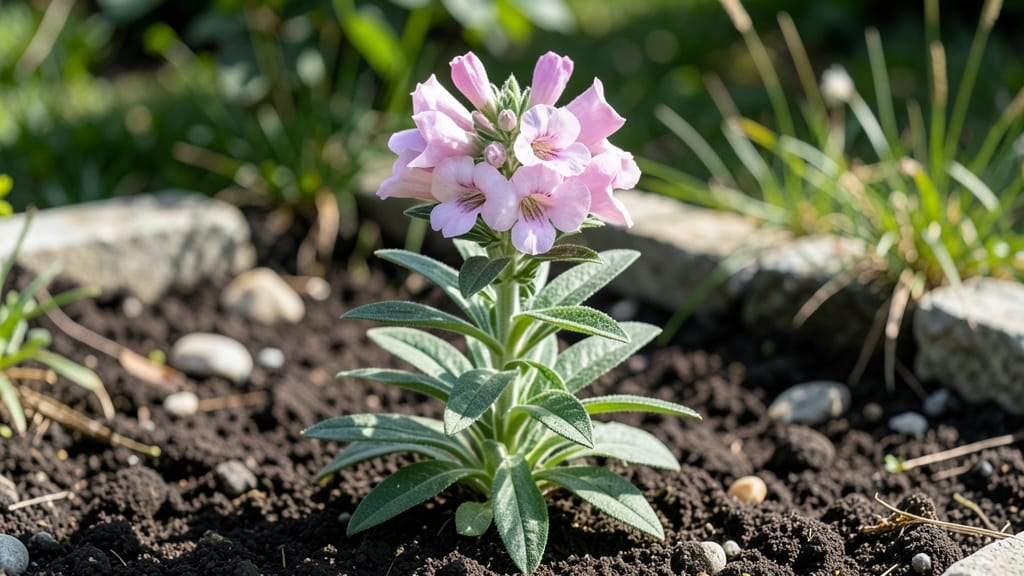
Blush snapdragon flowers reach their full, velvety height when you prune them right—three simple cuts transform them from floppy stems to towering, long-lasting displays that last all summer. 🌸 I learned this the hard way after letting my first batch flop like overcooked pasta, but now my garden is packed with snaps that bloom until frost.
The secret isn’t complicated: timing, technique, and a little elbow grease at the right moments.
You only need three tools: sharp bypass pruners, a bucket of water, and a sunny afternoon. The process takes about 20 minutes and works whether you’re growing in the ground or containers.
Start by deadheading spent blooms—this isn’t just about looks, it tells the plant to focus energy on new growth instead of seeding. Then, cut back leggy stems by a third to encourage bushier, stronger growth. Finally, trim the tips of young stems to promote branching.
What you end up with is a 6-foot-tall wall of blush-pink blooms that attract hummingbirds and last weeks longer than unpruned plants. The flowers stay vibrant, the stems stay sturdy, and you’ll have cuttings to share with neighbors who’ll beg for your secrets.
This method works for both Antirrhinum majus and the newer hybrid varieties—just adjust timing for your zone’s first frost.
Fair warning: snapdragons hate humidity and soggy soil, so always prune in the morning and water at the base. If you’re in a hot climate, mulch heavily to keep roots cool.
The payoff? A garden that looks like it belongs in a florist’s shop, not just your backyard. Ready to give it a try?
📚 In This Guide
- What you need
- Instructions
- Tips and common mistakes
- Wrapping up and next steps
What you need
- ● Blush snapdragon plants – Healthy, mature plants (at least 12–18 inches tall) with visible buds or blooms.
- ● Sharp pruning shears – Clean, sterilized bypass pruners (avoid dull blades to prevent crushing stems).
- ● Rubbing alcohol (70% or higher) – For sterilizing tools between cuts (1–2 small bottles).
- ○ Garden gloves – Optional but recommended for protection (nitrile or leather, size medium).
- ● Watering can or hose – For post-pruning hydration (with a fine mist setting).
- ○ Pruning sealant – Optional for large cuts (e.g., horticultural wax or tree sealant).
- ● Plant food (balanced fertilizer) – 10-10-10 or similar (1 tbsp per gallon of water for post-pruning feed).
- ● Stake or support – If your snapdragons are top-heavy (bamboo stakes or floral wire).
- ● Notebook & pen – To track pruning dates and plant responses (helpful for future reference!).
Step-by-Step pruning for towering blush snapdragons
Here's how I keep my snapdragons blooming all season—taller, fuller, and with stems that last weeks in vases.
✂️ Step 1: Deadhead Spent Blooms at the Right Time
Wait until a flower head wilts completely but hasn't turned brown yet. This is your signal—it means the plant has already redirected energy to the next bloom. Snap off the spent flower just above the first set of healthy leaves below it, not at the base of the stem. I use my thumb and forefinger to pinch cleanly; this prevents disease from entering through jagged cuts.
Do this every morning after watering. The fresh cut exposes new growth points that will quickly sprout into side shoots. You'll notice within days that the plant fills out more densely. Avoid pruning after sunset—open cuts left overnight attract slugs and bacteria.
Here's the thing—if you wait until flowers turn brown, you're missing prime energy. The plant has already allocated resources to the next bloom, so your pruning just removes potential growth. Watch for that perfect moment when petals droop but haven't crumbled yet.
🌿 Step 2: Trim Leggy Stems to Encourage Bushier Growth
After the first flush of blooms, check for stems that have grown taller than 18 inches without branching. These leggy stems need pruning to trigger lateral growth. Use clean, sharp pruners to cut back the main stem just above a set of leaves where you want new growth to emerge—usually about 6 inches down from the top.
Don't cut too far down or you'll remove too much of the plant's energy storage. You'll see new side shoots emerge within 5-7 days from the cut point. These new stems will produce more flowers and create a fuller, bushier plant. I like to do this pruning on a cloudy day—the plants handle the stress better without direct sun.
This is the moment that matters: when you see those first tiny new leaves unfurling at the cut points. That's your confirmation the plant is responding well. If you don't see new growth within 10 days, you may have cut too far down—next time, leave more of the stem intact.
🪴 Step 3: Shape the Plant for Height and Structure
Once your snapdragons reach their mature height (usually 24-36 inches), it's time to shape them. Focus on the tallest stems first—cut these back by about one-third to encourage branching lower down. Make your cuts at a 45-degree angle just above a leaf node to prevent water from pooling.
Step back and look at the overall shape. You want to maintain an open, airy structure that allows light to reach all parts of the plant. Remove any crossing or rubbing branches that might damage the stems. You'll notice the plant starts to fill out more evenly as new growth emerges from the pruned areas.
Real talk: this step takes patience. Don't rush it—take your time to assess which stems need pruning. I like to do this shaping in the late afternoon when temperatures are cooler. The plants recover better overnight, and you'll see stronger regrowth in the following days.
Tips & tricks for perfect snapdragon pruning
Here's what I've learned after years of growing these stunning blooms—simple secrets that transform leggy stems into lush, towering plants.
Timing is Everything: In Step 1, that morning routine after watering makes all the difference. The fresh cut exposes new growth points while the plant's energy reserves are highest. I've found that pruning at the same time each morning creates a rhythm the plant responds to—almost like a daily wake-up call for growth. The key is consistency: every morning, not just when you remember.
Precision Cutting Technique: For Step 2, I can't stress enough how important clean cuts are. Use sharp pruners and make your cuts just above a leaf node at that 6-inch mark. The angle matters too—cutting at 45 degrees prevents water from pooling at the wound, which helps avoid rot. I've ruined stems by making messy cuts that looked fine but led to infections later. Take your time here, especially with those leggy stems over 18 inches.
Seasonal Adaptation: During Step 3, adjust your shaping approach based on the season. In hot summer months, I prune more aggressively to encourage bushier growth that handles the heat better. In cooler spring or fall, I'm gentler with my cuts since the plants grow more slowly. The goal is always to maintain that open structure—think of it like giving your snapdragons room to breathe while still guiding their growth upward.
Pro Tips for Blush Snapdragon Flower
- Here's what I've learned after years of growing these stunning blooms—simple secrets that transform leggy stems into lush, towering plants.
- Timing is Everything: In Step 1, that morning routine after watering makes all the difference.
- Precision Cutting Technique: For Step 2, I can't stress enough how important clean cuts are.
Frequently asked questions
When is the best time to prune blush snapdragons for maximum blooms?
The ideal time to prune blush snapdragons is in early spring (before new growth starts) or after the first flush of blooms in late spring. This encourages bushier growth and prolongs flowering. Avoid pruning in fall—let spent blooms fade naturally to support seed production for next year’s plants.
How much should I cut back blush snapdragons to avoid damaging them?
Trim back one-third of the plant’s height (about 4–6 inches) to promote fuller growth. Use clean, sharp shears to cut just above a leaf node or bud. Never remove more than ⅓ at once—this can stress the plant and reduce blooming. For leggy stems, pinch back tips to redirect energy to side shoots.
Can I propagate blush snapdragons from cuttings after pruning?
Yes! After pruning, save healthy stem cuttings (4–6 inches long) with at least two leaf nodes. Dip the cut end in rooting hormone and plant in moist potting mix. Keep them in bright, indirect light and maintain humidity (use a plastic bag or propagator). Roots typically form in 4–6 weeks.
Why are my snapdragons wilting or dropping buds after pruning?
Wilting or bud drop usually signals stress from over-pruning, underwatering, or pests. Ensure the plant is watered deeply after trimming (but avoid soggy soil). Check for aphids or spider mites on new growth—spray with neem oil if needed. If the plant was pruned too late in the season, it may be conserving energy for winter.
Are blush snapdragons drought-tolerant? Do I need to adjust care after pruning?
Blush snapdragons are moderately drought-tolerant but thrive with consistent moisture, especially after pruning. Water at the base (not leaves) to prevent fungal issues. Mulch around the plant to retain moisture, and reduce watering slightly in winter. Overhead watering can cause mildew—stick to drip irrigation or a watering can.
Wrapping up and next steps
Mastering the art of pruning blush snapdragon flowers unlocks a garden full of vibrant, long-lasting blooms that will turn heads! With just three simple steps—identifying, trimming, and maintaining—you’re well on your way to cultivating a stunning floral display that thrives season after season. 🌸
Now that you’re armed with the know-how, roll up your sleeves and give your snapdragons the TLC they deserve. Ready to watch your garden flourish? Grab your pruners and start pruning today!