
Flowers
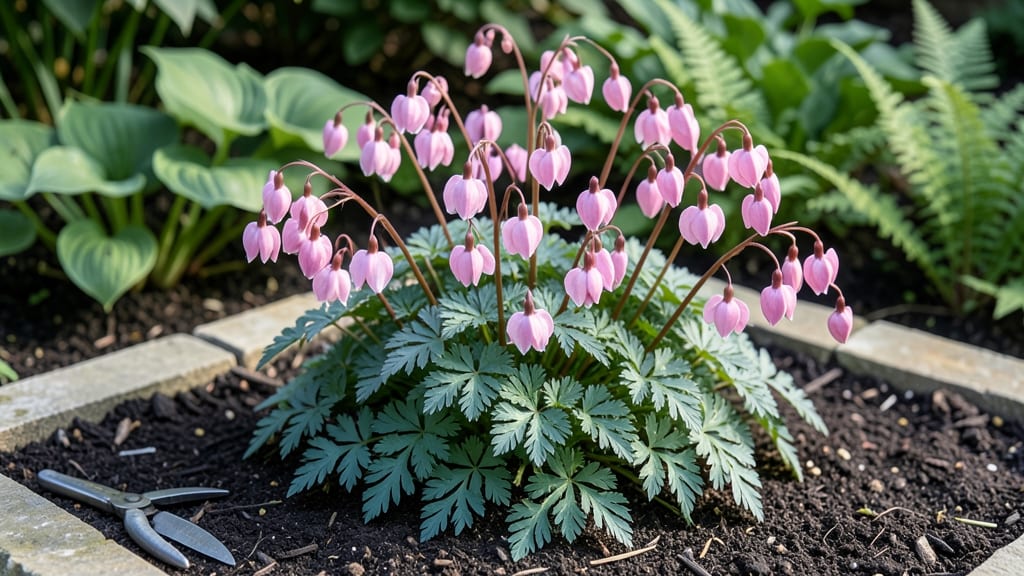
Broken heart flowers transform shady corners into living art. 🌿 Their fern-like foliage and delicate pink plumes create vertical drama that no other plant delivers—especially when you prune them right. I planted mine along a woodland garden border last spring, and now they’re the star of the show every season.
The real magic happens in how you shape them. After the blooms fade, cutting back the stems by half keeps the plant compact and encourages fresh growth. This isn’t just maintenance—it’s a design choice that turns broken heart flowers into a year-round focal point.
Pair them with hostas or ferns for a lush, layered look, or let them stand alone against dark evergreens for striking contrast.
What you’ll end up with is a garden feature that feels effortlessly elegant. The foliage stays lush year-round, while the spring blooms add a soft, romantic touch.
Even in winter, the architectural stems hold interest. This is the kind of plant that makes neighbors stop and ask, “What’s that?”—and then never want to leave.
Works in partial shade, woodland gardens, or as a dramatic accent in cottage-style beds. The pruning technique is simple, but the payoff is pure drama. Let’s make your garden unforgettable with these heart-shaped stars.
📚 In This Guide
- What you need
- Instructions
- Tips and common mistakes
- Wrapping up and next steps
What you need
- ● Healthy flowering plants: Choose Hydrangeas, Roses, or Gardenias (or other lush, flexible-stemmed varieties) with abundant blooms.
- ● Sharp pruning shears: Bypass-style (not anvil) for clean cuts—1 pair is all you need.
- ● Wire or floral tape: 18-gauge copper wire (for durability) or floral tape (for a cleaner look).
- ● Support structure: A wooden dowel, bamboo stake, or sturdy branch (at least 18–24 inches tall).
- ○ Floral preservative (optional): A clear spray or soaking solution to extend bloom life.
- ● Decorative elements: Ribbon, lace, or dried flowers for added flair.
- ● Glue gun (low-temp): For securing delicate stems if wire isn’t ideal.
- ● Pruning sealer: Tree wound sealant to prevent sap oozing (for heavy pruners).
Step-by-Step guide to pruning broken heart flowers for stunning vertical growth
Here's how to transform your broken heart plants into lush, cascading vertical showstoppers.
✂️ Step 1: Identify and Prepare for Pruning
Broken heart flowers (Dicentra spectabilis) thrive when pruned correctly, but timing matters. Wait until after flowering when the foliage has fully matured—usually late spring to early summer. This ensures you're not cutting back new growth that hasn't finished its energy cycle yet.
Gather your tools: clean, sharp pruners (sterilized with rubbing alcohol) and gardening gloves. I like to work on a dry day when the plants aren't stressed by heat or drought. If your plants are leggy or overgrown, this is your chance to shape them into a dramatic vertical form.
✂️ Step 2: Cut Back Leggy Stems and Encourage Bushiness
Start by removing any dead or damaged stems at the base. These won’t regrow and just take energy from healthier parts. Next, look for long, bare stems—these are the ones that need pruning to encourage bushier growth. Cut these back by one-third to one-half of their length, just above a set of leaves or a healthy bud.
Here's the thing—broken heart flowers respond well to pruning because they naturally grow in a heart-shaped pattern. By cutting back the leggy stems, you force the plant to redirect its energy into new, fuller growth from the base. You'll see fresh shoots emerging within 2-3 weeks if conditions are right.
☀️ Step 3: Shape for Vertical Drama and Promote Flowering
Now it's time to shape the plant into its signature vertical form. Gently guide the remaining stems upward, tying them loosely to a small stake or trellis if needed. This isn’t just for aesthetics—it also prevents the plant from flopping over, which can happen as the foliage gets heavier.
If your plant has already flowered, you can lightly trim the spent blooms to encourage another round of flowers later in the season. Broken heart flowers often rebloom if given the right conditions—partial shade, consistent moisture, and well-draining soil. After pruning, water deeply to help the plant recover and establish new growth.
🌿 Step 4: Maintain Through the Growing Season
Once you’ve pruned, keep an eye on your broken heart flowers for new shoots emerging from the base. These are your plant’s way of telling you it’s happy and ready to grow. Remove any suckers or weak growth that appears at the base to keep the plant’s energy focused on strong, vertical stems.
Here’s where it gets fun—watch the plant fill out over the next few weeks. With the right care, your broken heart flowers will develop dense, heart-shaped foliage that cascades beautifully. Mulch around the base with 2-3 inches of organic mulch to retain moisture and protect the roots, especially in hotter months.
⏰ Step 5: Prepare for Winter and Next Year’s Growth
As fall approaches, broken heart flowers begin to go dormant. Once the foliage turns yellow or brown, cut back the stems to about 2 inches above the ground. This keeps the plant tidy and prevents disease from lingering in old growth. Don’t worry—your plant will regrow from the base in spring.
Real talk: broken heart flowers are hardy perennials, so they’ll come back year after year if you give them the right care. After winter, you might see some dieback, but new growth will emerge in early spring. This is the perfect time to do a light pruning to shape the plant for another season of vertical drama.
Tips & tricks for pruning broken heart flowers
Transforming leggy broken heart flowers into stunning vertical displays takes a few key tricks—here's how to make every cut count.
Timing is Everything: The instructions mention pruning after flowering in late spring to early summer, but here's the thing—morning is the best time to prune. The cooler temps reduce stress on the plant, and you'll avoid the midday heat that can shock the foliage. If you must prune in hot weather, do it in the late afternoon when temperatures start to drop.
Tool Prep Matters: Sterilizing your pruners with rubbing alcohol isn't just about cleanliness—it's about preventing disease spread. I've seen pruners left unsterilized cause bacterial infections that stunt new growth. Wipe them down before and after each plant, especially if you're working with multiple plants in your garden. For stubborn stems, dip your pruners in boiling water for 10 seconds before cutting—this ensures a clean cut that heals faster.
Visual Cues for Perfect Cuts: When cutting back those leggy stems by one-third to one-half, look for the "V" shape where leaves meet the stem. This is your target cutting point—it's where new growth will emerge most vigorously. Avoid cutting too close to the base, as this can damage the plant's energy reserves. For the vertical shaping in Step 3, tie stems to stakes using soft plant ties rather than wire—wire can cut into the stems as they grow.
Rebloom Secret: The instructions mention lightly trimming spent blooms to encourage another round of flowers, but here's what nobody tells you—pinch off the seed pods that form after blooms fade. These pods sap energy that could go toward new flowers. I've seen plants produce a second flush of blooms when I remove these pods within 2-3 days of the first flowers wilting. This works especially well if your plants are in partial shade with consistent moisture.
Pro Tips for Broken Heart Flowers
- Transforming leggy broken heart flowers into stunning vertical displays takes a few key tricks—here's how to make every cut count.
- Timing is Everything: The instructions mention pruning after flowering in late spring to early summer, but here's the thing—morning is the best time to prune.
- Tool Prep Matters: Sterilizing your pruners with rubbing alcohol isn't just about cleanliness—it's about preventing disease spread.
Frequently asked questions
What’s the best time of year to prune for broken heart flowers?
The ideal time is late winter or early spring, just before new growth begins. This timing ensures your plant has enough energy to recover and thrive during the growing season. Avoid pruning in fall or winter, as the plant may not have time to heal before dormancy.
How do I know if I’ve pruned too much?
If you’ve removed more than one-third of the plant’s foliage or cut into old wood (woody stems), you may have over-pruned. Signs include sparse regrowth, yellowing leaves, or stunted growth. If this happens, reduce stress by watering well and fertilizing lightly to encourage recovery.
Can I use broken heart flowers in containers or hanging baskets?
Many trailing or bushy varieties (like Fuchsia or Coleus) thrive in containers. Choose a pot with drainage holes, use well-draining soil, and prune regularly to maintain shape. Hanging baskets work especially well for cascading types, adding vertical drama to patios or balconies.
What if my plant doesn’t regrow after pruning?
Don’t panic! Some plants need patience. Ensure it’s getting bright, indirect light (6+ hours daily), consistent water (but not soggy soil), and a balanced fertilizer every 4–6 weeks. If no growth appears after 6–8 weeks, check for pests or root rot—adjust care accordingly.
Are there alternatives to traditional broken heart pruning?
Yes! For a softer look, try pinching (removing the tips of new growth) instead of dramatic cuts. You can also use shear pruning for boxwoods or topiaries to create clean, geometric shapes. Experiment with layering (bending stems to root) for propagation while shaping.
Wrapping up and next steps
Broken heart flowers aren’t just a stunning visual trick—they’re a celebration of creativity and resilience in gardening! 🌸 With just a few snips and a little patience, you can transform ordinary blooms into breathtaking vertical art. Whether you’re a seasoned gardener or a beginner, this technique proves that even the simplest tools can yield extraordinary results.
Ready to bring your garden to life? Start by gathering your materials and experimenting with a single branch—confidence will grow as you see your vision take shape! 🌿
Next steps:
- Pick a sunny spot for your pruned masterpiece.
- Share your progress with fellow plant lovers!