
Flowers
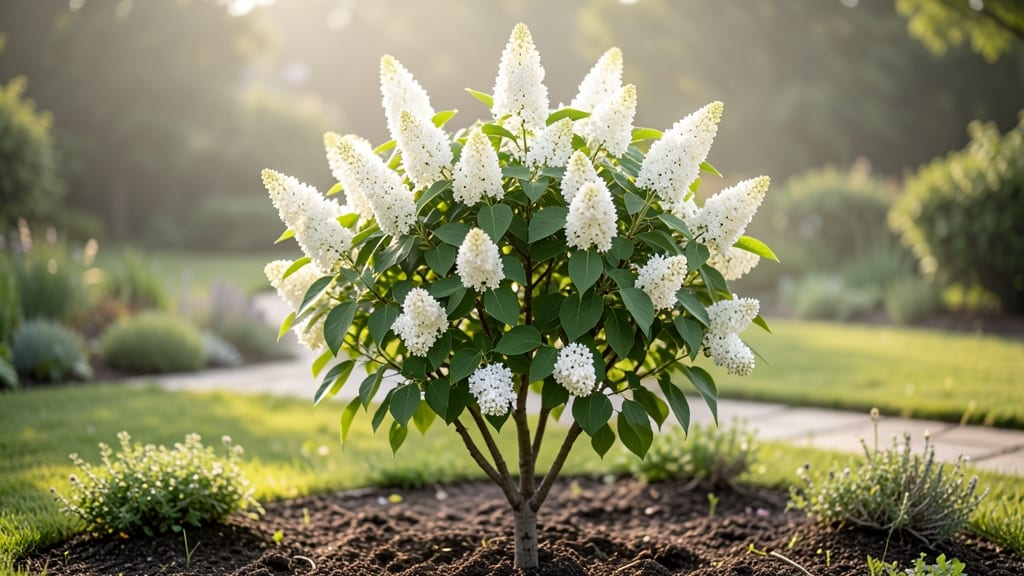
Spring flowering shrubs with white flowers transform any garden into a dreamy, ethereal space—imagine a border bursting with delicate blossoms that catch the morning light. 🌸 My favorite is Deutzia, whose airy clusters of white blooms dance above glossy green leaves, creating a romantic focal point that lasts for weeks.
The fragrance alone makes it worth growing, but the way it pairs with purple clematis or deep green hostas? Absolute magic.
These shrubs aren’t just pretty—they’re the backbone of low-maintenance, high-impact garden design. Plant them along fences, mix them into cottage-style borders, or tuck them into containers for instant curb appeal. Viburnum and Forsythia bring structure, while Hydrangea varieties add volume and texture.
The best part? They thrive in partial shade, making them perfect for spots where other plants struggle.
By late spring, your garden will be alive with white blooms that contrast beautifully against greenery, creating a serene, timeless look. The fragrance lingers on warm evenings, and some varieties even produce berries or colorful fall foliage for year-round interest.
Whether you’re designing a formal hedge or a wildflower meadow, these shrubs deliver effortless elegance.
For maximum impact, pair them with purple or blue flowers—the contrast is stunning—and consider adding evergreen shrubs for structure. Works in every climate from zones 4-9, so there’s no excuse not to try them. Ready to create a garden that feels like a fairy tale?
📚 In This Guide
- What you need
- Instructions
- Tips and common mistakes
- Wrapping up and next steps
What you need
- ● Spring flowering shrubs with white flowers: Choose 3–5 plants (e.g., Deutzia, Pieris, or Weigela) based on your climate zone and garden size.
- ● High-quality potting soil or native soil mix: 1–2 cubic yards (or enough to fill planting holes). Opt for well-draining soil with compost.
- ● Organic mulch (e.g., shredded bark or pine straw): 2–3 inches to retain moisture and suppress weeds.
- ● Slow-release fertilizer (e.g., 10-10-10 or organic options): 1–2 pounds per shrub to kickstart growth.
- ● Garden trowel or spade: For digging planting holes (12–18 inches wide and deep).
- ● Garden gloves: A pair to protect your hands from thorns or rough soil.
- ● Watering can or hose with a gentle spray nozzle: For post-planting hydration.
- ● Pruning shears: Sharp, clean shears for shaping and maintenance.
- ● Measuring tape or ruler: To ensure proper spacing (typically 3–6 feet apart, depending on the shrub).
- ● Epsom salt: 1 tablespoon per plant to boost magnesium (great for vibrant blooms!).
- ● Plant supports (e.g., stakes or cages): For taller shrubs like Pieris.
- ● Drip irrigation system: For automated, consistent watering.
- ● Decorative stones or edging: To enhance the garden’s polished look.
How to select, plant, and maintain spring-blooming white flowering shrubs
Here’s my go-to approach for choosing, planting, and keeping these elegant shrubs thriving season after season.
🌱 Step 1: Choose the Right Shrubs for Your Climate and Space
Start by selecting shrubs that match your USDA hardiness zone and sunlight conditions. Classics like mock orange (Philadelphus) and deutzia thrive in zones 4-8 with full sun to partial shade, while pieris (Andromeda) prefers acidic soil and morning sun. Check each plant’s mature size—6 to 10 feet tall—to avoid overcrowding.
Fragrance matters, too. Mock orange’s intoxicating scent is best in late spring, while syringa (lilac) offers a sweeter but shorter bloom time. If you want year-round interest, pair bloomers like abelia (which also has fall color) with evergreen pieris for winter structure.
🪴 Step 2: Prepare the Planting Site for Optimal Growth
Dig a hole twice as wide as the root ball but no deeper—planting too deep suffocates roots. Amend the native soil with 2 inches of compost for nutrients, especially if your soil is heavy clay or sandy. For acid-loving shrubs like pieris, mix in 1 part peat moss per cubic foot of soil.
Place the shrub so the top of the root ball sits 1 inch above soil level—this prevents waterlogging. Gently loosen any circling roots before settling the plant. A 4-inch layer of mulch (like pine straw or shredded bark) keeps moisture in and weeds out, but keep it 6 inches away from the trunk to avoid rot.
☀️ Step 3: Plant and Water for Strong Establishment
Backfill the hole with native soil, pressing lightly to remove air pockets. Water deeply until the soil is saturated 12 inches down—this encourages deep root growth. After planting, water every 2-3 days for the first 2 weeks, then taper to once a week unless rainfall provides 1 inch of moisture. Overwatering now leads to root rot.
Stake tall shrubs like mock orange if they lean, but avoid tying too tightly—roots need room to expand. Prune only to shape dead or crossing branches after planting; never cut back blooms. The first flush of white flowers will appear in late spring, signaling success.
✂️ Step 4: Maintain Through the Seasons for Year-Round Beauty
After the initial bloom, deadhead spent flowers on shrubs like deutzia to encourage a second flush. For abelia, prune lightly in late winter to shape and remove old wood—it blooms on new growth. Fertilize in early spring with a balanced 10-10-10 formula, but skip fertilizer in fall to avoid tender new growth before winter.
Watch for pests like aphids on new shoots—blast them off with water or use neem oil if they persist. In winter, protect tender shrubs like pieris with a light burlap wrap if your zone dips below 10°F. Mulch again in fall to insulate roots.
Tips & tricks for perfect spring flowering white shrubs
These practical insights will help you transform your garden into a fragrant paradise with minimal effort.
Climate Matching: Always verify your USDA hardiness zone before selecting shrubs—mock orange and deutzia thrive in zones 4-8, while pieris needs slightly cooler conditions. I've found that checking your local extension office's zone map prevents costly mistakes with tender varieties. For example, pieris can handle zone 3 if given winter protection, but mock orange struggles below zone 4 without microclimate adjustments.
Soil Preparation: The 2 inches of compost you add during planting isn't just for show—it creates a nutrient-rich environment that supports root development for years. For acid-loving shrubs like pieris, mix in that 1 part peat moss per cubic foot of soil and test your pH before planting. I've seen pieris fail to bloom when planted in neutral soil despite perfect care elsewhere.
Watering Wisdom: That initial 2-3 day watering schedule after planting is critical—it establishes deep root systems that can withstand drought later. The key is watering until soil is saturated 12 inches down, not just surface moisture. Use a soil probe to check; if it comes out dry, water again. Overwatering now leads to root rot, which is why I always check drainage before planting.
Seasonal Care: The late winter pruning for abelia is your chance to shape while it's dormant. Never prune in fall—new growth won't harden off before winter. For winter protection, that light burlap wrap around pieris below 10°F creates a microclimate that prevents cold damage while still allowing airflow. I've saved many tender shrubs this way during unexpected freezes.
Pro Tips for Spring Flowering Shrubs White Flowers
- These practical insights will help you transform your garden into a fragrant paradise with minimal effort.
- Climate Matching: Always verify your USDA hardiness zone before selecting shrubs—mock orange and deutzia thrive in zones 4-8, while pieris needs slightly cooler conditions.
- Soil Preparation: The 2 inches of compost you add during planting isn't just for show—it creates a nutrient-rich environment that supports root development for years.
Frequently asked questions
Got questions about adding spring flowering shrubs with white blooms to your garden? You’re not alone! Here are some of the most common queries—and their answers—to help you grow with confidence.
When is the best time to plant these shrubs for spring blooms?
Plant white-flowering shrubs like Deutzia or Viburnum in early spring or fall (4–6 weeks before the first frost). This gives roots time to establish before summer heat or winter cold. Avoid planting in extreme heat or freezing conditions—roots need moderate soil temps (around 50–70°F) to thrive.
How much sunlight do these shrubs actually need?
Most spring-blooming white shrubs prefer partial sun (4–6 hours of light daily), but varieties like Pieris japonica tolerate shade, while Spiraea thrives in full sun. Check the specific plant’s tag—overly shady spots may reduce blooms, while scorching sun can stress delicate petals. Pro tip: Mulch to retain moisture if your garden swings between dry and damp!
Are white-flowering shrubs prone to pests or diseases?
Generally hardy, but watch for aphids (they love tender new growth!) or powdery mildew in humid climates. Preventative care: Prune for airflow, water at the base (not leaves), and use neem oil if pests appear. Resistant picks like Weigela or Abelia rarely need treatment—just healthy soil and occasional checks.
Can these shrubs survive winter in colder climates?
Most white-flowering shrubs are zoned for USDA 5–9, but evergreens like Pieris may need winter mulch (3–4 inches of shredded bark) to protect roots. Deciduous types (e.g., Forsythia) handle cold well—just avoid pruning until late winter to let dormant buds set for spring blooms.
What’s a low-maintenance alternative for busy gardeners?
Try Abelia grandiflora or Dwarf Fothergilla—both burst with white flowers, tolerate drought, and rarely need pruning. Abelia even blooms twice a year (spring + fall) with minimal fuss. Pair with ground cover like Ajuga to cut down on weeding!
Bonus Tip:
For longer blooms, deadhead spent flowers (snip just above a leaf node) after the first flush—this encourages a second round of blossoms in late summer. Spiraea and Deutzia often reward this trick!
Wrapping up and next steps
Spring flowering shrubs with white blooms bring timeless beauty and fragrance to any garden—easy to grow, low-maintenance, and packed with charm!
Whether you’re drawn to the delicate petals of Deutzia or the bold elegance of Hydrangea, these shrubs thrive with minimal fuss and reward you with year-round interest. Now’s the perfect time to plant—so grab your gloves, pick your favorite, and watch your outdoor space transform into a fragrant paradise! 🌸
Next step: Sketch a quick layout for your garden beds or containers, then head to your local nursery to pick out your new blooming stars. Happy planting! 🌱