
Propagation
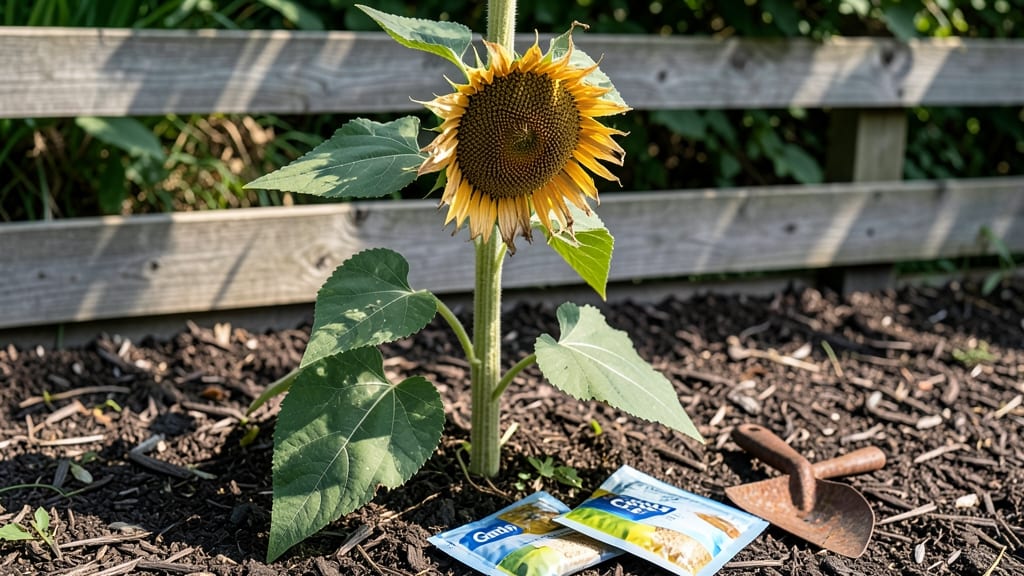
Follow these buzzy seeds sunflower instructions to grow towering sunflowers—just grab a few seeds and a sunny patch, and you’re ready to go. I remember the first time I watched those little green shoots push through the soil, knowing they'd soon tower over my backyard.
These sunflowers aren’t just tall; they’re vibrant, with deep bronze foliage and golden-yellow blooms that attract bees all summer long.
The secret to success lies in simple steps: planting seeds 1 inch deep in loose, well-draining soil, spacing them 6 inches apart, and giving them full sun for at least 6 hours a day.
Most beginners worry about overwatering, but Buzzy Seeds are surprisingly forgiving—just keep the soil evenly moist until germination, then water deeply once a week. Within 6-10 days, you’ll see those first leaves unfurl, and by midsummer, you’ll have sunflowers reaching 6-8 feet tall.
What makes Buzzy Seeds special is their ornamental value—they’re not just food for birds, but striking garden accents that thrive in containers or borders. If your stems wobble in windy weather, stake them early or plant them near a fence.
And if germination takes longer than two weeks, try soaking the seeds overnight in warm water to jumpstart growth. The payoff? A dramatic, low-maintenance display that brightens any space.
Whether you’re a beginner or a seasoned gardener, these sunflowers deliver foolproof results with minimal effort. Once you’ve mastered the basics, experiment with companion planting—marigolds deter pests, while borage attracts pollinators. Ready to grow? Grab your seeds and let’s get started!
📚 In This Guide
- What you need
- Instructions
- Tips and common mistakes
- Wrapping up and next steps
What you need
- ● Buzzy Seeds Sunflower seeds – 2-4 seeds (or more if experimenting with multiple plants). Choose heirloom, non-GMO seeds for best results.
- ● Biodegradable seed-starting pots – 2-4 small pots (2-3 inches wide) or a seed tray with drainage holes.
- ● High-quality potting soil – 1 bag (1-2 cubic feet), preferably a seed-starting mix with good aeration and moisture retention.
- ● Spray bottle – For gentle watering without disturbing seeds.
- ● Grow light or sunny windowsill – 12-16 hours of light daily (sunflowers need plenty of brightness!).
- ● Plastic wrap or humidity dome – To retain moisture during germination.
- ● Plant labels – To track growth stages (e.g., "Day 1," "Germinated").
- ● Fertilizer (balanced or organic) – Diluted liquid fertilizer (5-10-5 ratio) for seedlings once they sprout.
- ● Tweezers or small spoon – For careful seed placement in pots.
- ○ Thermometer (optional) – To monitor soil temperature (70-80°F is ideal for germination).
- ● Transplanting tray or larger container – For hardening off seedlings before outdoor planting.
Step-by-step instructions for growing sunflowers from seed
Here's how I turn tiny sunflower seeds into towering pollinator magnets—no green thumb required.
🌱 Step 1: Prepare Your Planting Site or Containers
Sunflowers thrive in full sun, so choose a spot that gets at least 6-8 hours of direct sunlight daily. If starting indoors, use 4-inch deep pots with drainage holes. Fill them with well-draining potting mix—sunflowers hate soggy roots. I always loosen the soil with my fingers before planting to create air pockets for those early roots.
For outdoor planting, till the soil to a depth of 12 inches and mix in 2-3 inches of compost. Sunflowers need room to stretch, so space seeds 6 inches apart in rows 18 inches apart. If you're growing the Buzzy Seeds variety, which stays compact, you can plant them 4 inches apart—they won’t outgrow their neighbors.
🌱 Step 2: Plant Seeds at the Right Depth and Water Gently
Sunflower seeds are large, so plant them 1 inch deep—about the width of your pinky finger. Drop 1-2 seeds per hole (just in case one doesn’t sprout). I like to use my thumb to make a small depression, place the seed inside, and cover it lightly with soil. Press down very gently—you don’t want to bury them too deep, or they’ll struggle to push through.
Water immediately after planting, but don’t drown them. Aim for 1 inch of water per week, either from rainfall or your hose. Use a watering can with a gentle spray nozzle to avoid displacing the seeds. You’ll know you’ve got it right when the soil feels damp 1 inch below the surface—not bone-dry, not soggy.
☀️ Step 3: Provide Consistent Sun and Monitor Germination
Sunflowers are sun-worshippers, so keep them in the brightest spot you have. If you’re growing them indoors before transplanting, place them within 12 inches of a south-facing window or under a grow light for 14-16 hours a day. Without enough light, seedlings will stretch tall and weak—what gardeners call "leggy."
Germination usually takes 7-14 days, depending on your climate. The first sign is a tiny green shoot pushing through the soil. Once you see true leaves (the second set after the initial seed leaves), thin your seedlings to the strongest one per spot. Snip the weaker stems at the base with clean scissors—don’t pull, or you’ll disturb the roots of the survivor.
💧 Step 4: Fertilize and Water Deeply as They Grow
When your sunflowers are 4-6 inches tall, give them a balanced fertilizer (like a 10-10-10 mix) to fuel their growth. I scatter ½ teaspoon of fertilizer per plant around the base and water it in. This boosts their energy without overwhelming them. Sunflowers are heavy drinkers, so water at the base of the plant—not the leaves—to prevent fungal diseases like powdery mildew.
As they grow taller, increase watering to 1-2 inches per week, especially during dry spells. You’ll know they’re thirsty when the leaves start to droop slightly in the afternoon. A deep watering in the early morning gives them time to absorb moisture before the heat of the day. Mulch around the base with 2 inches of straw or wood chips to retain moisture and keep weeds at bay.
✂️ Step 5: Support Tall Varieties and Watch for Pests
If you’re growing a tall sunflower variety, stake them early to prevent toppling. I use 3-foot bamboo stakes placed 6 inches from the stem and tie them loosely with soft fabric strips. You don’t want to strangle the stem as it grows. For the Buzzy Seeds variety, which stays shorter, staking isn’t usually necessary unless you’re in a windy area.
Keep an eye out for common pests like aphids or beetles, which love sunflower leaves. If you spot them, blast the plants with a strong stream of water to knock them off. For stubborn infestations, spray with neem oil—it’s organic and safe for pollinators once the flowers bloom. Healthy sunflowers are resilient, so focus on consistent watering and sunlight, and they’ll bounce back quickly.
🌻 Step 6: Enjoy the Blooms and Harvest Seeds
The real magic happens when those giant blooms start to appear. Sunflowers typically flower 60-90 days after planting, depending on the variety and your growing conditions. When the petals fully open, they’ll face the sun—this is their way of attracting pollinators like bees and butterflies. The center of the flower will turn from green to brown as it matures.
If you want to save seeds for next year, let the flower heads dry completely on the stem. Once the back of the head turns brown and the seeds rattle inside, cut the head off and hang it upside down in a dry, dark place for 2-3 weeks. The seeds will loosen and be ready to plant again. If you’re harvesting for snacking, wait until the seeds are fully dry and black—then enjoy the fruits of your labor!
Tips & tricks for perfect sunflower growth
Here's what I've learned after growing sunflowers for years—these small tweaks make all the difference between average plants and showstopping blooms.
Light Optimization: The 6-8 hours of sunlight mentioned is non-negotiable, but here's the secret: if you're growing indoors before transplanting, rotate your pots every 2-3 days. Sunflowers grow toward the light source, and this rotation ensures even growth. For outdoor plants, watch the sun's path—if your garden gets afternoon shade, consider moving plants to a sunnier spot once they're established.
Germination Boost: The 7-14 day germination window can feel like forever, but you can speed things up by soaking seeds overnight in warm water before planting. Don't worry—they won't sprout in water, but this jumpstarts the process. I also recommend using a heat mat set to 75°F for indoor starts, which can cut germination time by nearly half. Just remember to remove the mat once sprouts appear to prevent leggy seedlings.
Watering Wisdom: The 1 inch per week recommendation is perfect, but timing matters more than you might think. Water in the early morning so leaves have time to dry before evening—this prevents fungal diseases like powdery mildew that love damp foliage. I've found that mulching with straw (as mentioned) not only retains moisture but also creates a barrier that keeps weeds from competing with your sunflowers for water and nutrients.
Pest Prevention: While neem oil is excellent for stubborn infestations, I've found that introducing beneficial insects early can prevent many problems. Ladybugs and lacewings love aphids and beetles—you can buy them online or attract them naturally by planting companion flowers like marigolds nearby. This creates a natural pest control system that works alongside your sunflowers' growth.
Pro Tips for Buzzy Seeds Sunflower Instructions
- Here's what I've learned after growing sunflowers for years—these small tweaks make all the difference between average plants and showstopping blooms.
- Light Optimization: The 6-8 hours of sunlight mentioned is non-negotiable, but here's the secret: if you're growing indoors before transplanting, rotate your pots every 2-3 days.
- Germination Boost: The 7-14 day germination window can feel like forever, but you can speed things up by soaking seeds overnight in warm water before planting.
Frequently asked questions
Got questions about growing Buzzy Seeds sunflowers?
You’re not alone! Here are the most common queries—and quick, no-fluff answers to help you grow like a pro.
How long does it take for Buzzy Seeds sunflowers to sprout?
With Buzzy Seeds, you’ll typically see sprouts peeking through the soil in 3–7 days if planted indoors (65–75°F). Outdoors, germination can take a little longer—7–14 days—depending on soil warmth and moisture. Keep the soil consistently damp (not soggy!) and patient—your little sunflowers are on their way!
When is the best time to plant Buzzy Seeds sunflowers outdoors?
Sunflowers love warmth, so wait until the last frost date has passed and soil temps hit at least 55°F. For most regions, this means late spring to early summer (April–June). If you’re in doubt, use a soil thermometer—sunflowers throw a tantrum in cold soil! Pro tip: Plant after your nighttime temps stay above 50°F consistently.
Can I grow Buzzy Seeds sunflowers in containers, or do they need a garden?
Sunflowers are container-friendly if you give them space. Use a pot at least 12–18 inches deep with drainage holes and fill it with well-draining soil. Dwarf varieties (like ‘Teddy Bear’) thrive in 5-gallon buckets, while standard types need 5+ gallons. Just ensure they get 6+ hours of sunlight daily—containers dry out faster, so water consistently!
Why aren’t my Buzzy Seeds sunflowers growing tall or flowering?
No panic! Sunflowers need three key things to reach their full potential:
- Sunlight: At least 6–8 hours daily—move them if they’re leggy or weak.
- Water: 1–1.5 inches per week (more in heatwaves). Wilting leaves? They’re thirsty!
- Nutrients: Feed with a balanced fertilizer (10-10-10) when sprouts appear, then again at flowering.
Still struggling? Check for pests (like aphids) or root rot (soggy soil = bad news). Fix it: Trim damaged leaves and adjust care.
How do I harvest Buzzy Seeds sunflowers for replanting?
Harvest seeds when the flower head turns brown and the back turns yellow—usually 30–50 days after flowering. Cut the head, hang it upside-down in a dry, dark place for 1–2 weeks, then rub the dried seeds into your hand. Store them in a cool, airtight container for up to 2 years! Pro tip: Save seeds from the healthiest, tallest plants for best results.
Wrapping up and next steps
Growing Buzzy Seeds sunflowers is a rewarding journey that brings vibrant blooms and a sense of accomplishment! With just a few simple steps—from soaking seeds to nurturing seedlings—you’ll witness nature’s magic unfold in your own backyard.
Whether you’re a gardening newbie or a seasoned green thumb, these cheerful giants are the perfect project to spark joy and creativity.
Ready to turn your garden into a sunflower paradise? Grab your seeds, follow the instructions, and watch your hard work bloom into stunning, sun-soaked beauty! 🌻✨