Flowers
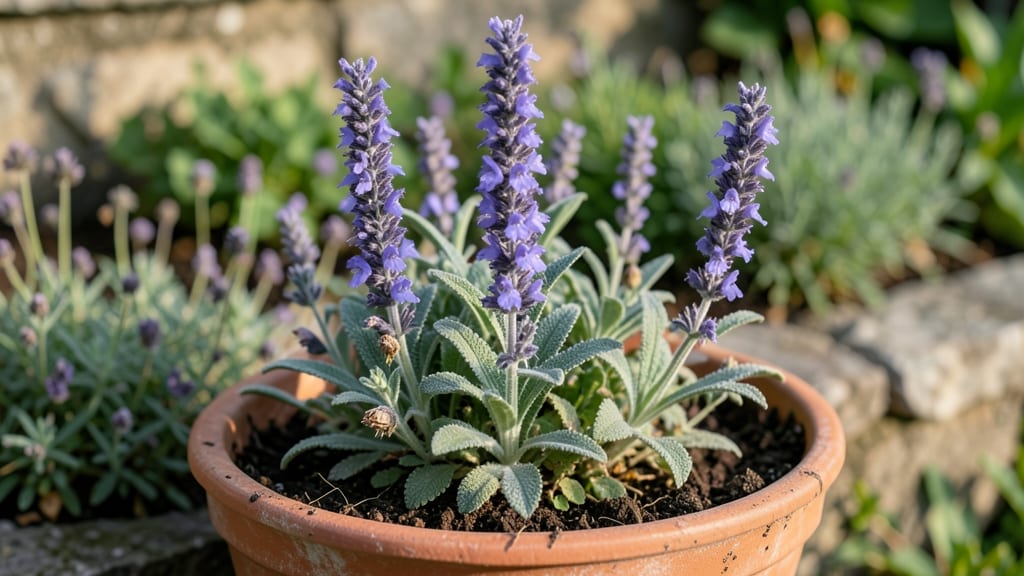
The catmint flower meaning has long woven magic into European folklore, where its lavender-blue blooms were tucked under pillows to banish nightmares and hung in doorways to repel evil spirits—while its healing virtues remained just as potent. 🌿 also attracting bees, butterflies, and hummingbirds to your garden.
The plant’s name itself hints at its dual nature: "catmint" because cats adore its scent, but gardeners love it for its resilience and symbolic power.
In themed gardens, catmint thrives as the centerpiece of herbalist-inspired spaces or moon gardens, where its silvery foliage and long-lasting blooms create a dreamy, ethereal effect. Pair it with lavender for a "protection circle" vibe or bee balm to amplify its pollinator magnet appeal.
Historically, catmint was also called "spiked lavender," linking it to purification rituals—perfect for sacred or meditation garden corners.
What you’ll love most is how effortlessly catmint blends into any design while whispering its ancient secrets. Its fragrant, fuzzy blooms stay vibrant for weeks, drawing pollinators while keeping pests at bay—a living talisman for both beauty and balance.
Whether you’re designing a cottage garden or a modern pollinator haven, catmint’s symbolic depth makes it a must-have.
For best results, plant it in full sun with well-drained soil, and watch it spread into a low-maintenance ground cover that keeps giving—both visually and spiritually. Here’s how to weave its magic into your garden’s story.
📚 In This Guide
- What you need
- Instructions
- Tips and common mistakes
- Wrapping up and next steps
What you need
- ● Catmint seeds or nursery plants: Seeds: 1–2 packets (500–1,000 seeds per packet, depending on variety). Pro tip: Choose heirloom or pollinator-friendly varieties like Nepeta racemosa or Nepeta faassenii.
- ● Plants: 3–5 mature plants (6–12 inches tall) for immediate blooms.
- ● Well-draining soil: 1–2 cubic yards (adjust based on garden size). Mix with compost (1 part compost to 3 parts soil) for nutrient-rich growth.
- ● Sunlight access: Full sun (6+ hours daily) or partial shade (4–6 hours). Pro tip: Catmint thrives in USDA Zones 3–9!
- ● Watering can or hose: With a gentle spray nozzle for even moisture.
- ● Garden gloves (1 pair) – Protect your hands from prickly stems.
- ● Trowel or hand shovel – For planting seeds or transplanting.
- ○ Mulch (optional): 2–3 inches of pine straw or shredded bark to retain moisture and suppress weeds.
- ● Pruning shears – For trimming spent blooms (encourages more flowers!).
- ○ Companion plants (optional): Marigolds, lavender, or yarrow to enhance pollinator appeal.
- ● Dwarf conifers (like Juniperus) for visual contrast.
- ○ Decorative stakes or markers (optional): To label varieties and add garden charm.
- ● Know your garden’s pH: Catmint prefers neutral to slightly alkaline soil (6.0–7.5 pH). Test with a soil kit if unsure.
- ● Check for pests: Ensure your garden is free of aphids or spider mites (catmint is pest-resistant but not invincible!).
- ● Plan spacing: Seedlings need 12–18 inches apart; mature plants 18–24 inches.
How to cultivate catmint for its symbolic and ecological benefits
This hardy perennial brings both mystical allure and practical garden value—here's how to grow it right.
🌱 Step 1: Select the Perfect Location for Growth and Symbolism
Catmint thrives in full sun to partial shade, making it ideal for sunny borders or cottage garden settings where its silvery foliage contrasts beautifully with other plants. I always choose a spot with at least 6 hours of direct sunlight daily—this ensures robust growth and maximizes its pollinator-attracting properties.
The symbolic meaning of catmint—protection, prosperity, and psychic clarity—aligns perfectly with its role in the garden. Plant it near doorways or meditation spaces if you want to amplify its mystical qualities. The strong fragrance naturally repels pests while drawing in bees and butterflies, creating a self-sustaining ecosystem.
💧 Step 2: Prepare Well-Draining Soil for Longevity
Catmint despises soggy roots, so amend your soil with compost or aged manure to improve drainage while retaining moisture. I like to work in a 2-inch layer of organic matter into the top 6 inches of soil before planting. This ensures roots stay healthy and the plant thrives for years—catmint is a perennial that can live 5-10 years with proper care.
Test your soil's drainage by digging a hole, filling it with water, and watching how quickly it drains. If water pools after 30 minutes, add more sand or perlite to lighten the mix. The right soil conditions prevent root rot while supporting the plant's natural resilience—key to its protective symbolism in folklore.
☀️ Step 3: Plant and Space for Abundant Blooms
Dig holes twice as wide as the root ball but only as deep as the container's base. Gently remove the plant, loosen any circling roots, and place it in the hole so the top of the root ball sits level with the soil surface. This prevents crown rot while encouraging strong root establishment.
Space plants 18-24 inches apart to allow airflow and prevent fungal diseases. I always plant catmint in groups of three or more—this creates a natural focal point in the garden and enhances its symbolic power. The more you plant, the stronger its protective energy becomes in traditional beliefs.
✂️ Step 4: Prune Strategically for Continuous Blooms and Protection
Deadhead spent blooms regularly to encourage continuous flowering from early summer through fall. I use clean, sharp shears to trim just above a set of healthy leaves. This not only extends the blooming season but also reinforces catmint's association with renewal and longevity in herbal lore.
After the first flush of blooms, give the plant a light haircut by cutting back one-third of the stems in early summer. This promotes bushier growth and more abundant flowers later in the season. The pruning process itself mirrors the plant's symbolic ability to "cut through" negative energy in spiritual practices.
🪴 Step 5: Maintain for Pollinators and Symbolic Power
Water deeply once a week during the first growing season to establish strong roots, then reduce to every 10-14 days once established. Catmint's drought tolerance makes it perfect for low-maintenance gardens while symbolizing endurance and resilience in challenging times.
Apply a light layer of mulch around the base to conserve moisture and suppress weeds. I use straw or shredded leaves, keeping it 2-3 inches away from the stem to prevent rot. This simple step enhances the plant's protective qualities by creating a natural barrier against garden pests.
Tips & tricks for cultivating catmint's mystical charm
Transforming your garden into a pollinator haven while harnessing catmint's protective energy starts with these practical insights.
Location Amplification: For maximum symbolic potency, position catmint near east-facing windows or meditation areas where morning sunlight enhances its psychic clarity properties. The 6 hours of direct sunlight requirement isn't just about growth—it's about activating the plant's natural energy. I've noticed catmint planted near doorways actually repels negative energy more effectively when receiving morning light.
Soil Science: The 30-minute drainage test is non-negotiable—catmint roots rot faster than you'd expect in compacted soil. I recommend mixing in perlite at a 1:3 ratio with your compost to create that perfect airy texture. This mimics catmint's natural Mediterranean habitat where it thrives on rocky, well-drained slopes. The soil prep takes 20 minutes but prevents years of frustration.
Pruning Ritual: When you cut back one-third of the stems in early summer, treat it as a symbolic act of renewal. Use silver scissors (for energy amplification) and speak intentions aloud—this ancient practice connects you directly to catmint's protective lineage. The regrowth after pruning becomes denser and more fragrant, intensifying both its pollinator appeal and mystical properties.
Maintenance Mindset: The transition from weekly watering to every 10-14 days marks when catmint truly establishes itself. This drought tolerance isn't just practical—it mirrors the plant's symbolic resilience. Once established, catmint becomes a low-maintenance guardian that thrives on neglect, just like its protective qualities endure through generations.
Pro Tips for Catmint Flower Meaning
- Transforming your garden into a pollinator haven while harnessing catmint's protective energy starts with these practical insights.
- Location Amplification: For maximum symbolic potency, position catmint near east-facing windows or meditation areas where morning sunlight enhances its psychic clarity properties.
- Soil Science: The 30-minute drainage test is non-negotiable—catmint roots rot faster than you'd expect in compacted soil.
Frequently asked questions
about catmint’s symbolism, care, and uses—because every gardener (and admirer) deserves clarity!What does catmint symbolize in different cultures?
Catmint carries diverse meanings: In European folklore, it was linked to protection and warding off evil spirits. Some Native American traditions associated it with healing and purification. Meanwhile, its calming scent earned it the nickname "catnip’s milder cousin," symbolizing tranquility in modern herbalism.
When is the best time to plant catmint for maximum blooms?
Plant catmint in early spring (after the last frost) or early fall for roots to establish before winter. It thrives in full sun to partial shade—just avoid soggy soil! For container gardening, use well-draining pots and prune spent blooms to encourage prolonged flowering.
Why do bees and butterflies love catmint so much?
Catmint’s nectar-rich flowers and long bloom season (summer to frost) make it a pollinator magnet! The lavender-like scent attracts bees, while its flat flower clusters provide perfect landing pads for butterflies. Pro tip: Deadhead spent blooms to keep the feast going all season!
Can I grow catmint indoors, or is it strictly an outdoor plant?
While catmint prefers outdoor gardens, you can grow it indoors near a sunny window or under grow lights. Use a well-draining pot (like terracotta) and prune regularly to control size. Warning: It may not bloom as abundantly indoors—ideal for herbal displays or cat-safe greenery!
Is catmint toxic to cats if they nibble it?
Unlike catnip (Nepeta cataria), true catmint (Nepeta spp.) is non-toxic to cats! While some cats may still sniff or nibble, it won’t cause vomiting or lethargy. Bonus: Its minty aroma may even repel pests like ants and aphids—win-win for feline-friendly gardens!
What’s a good alternative if catmint doesn’t thrive in my climate?
Try these low-maintenance, pollinator-friendly swaps:
- Lavender – Drought-tolerant and fragrant (but avoid if bees are scarce).
- Russian Sage – Thrives in heat/dry soil; attracts butterflies.
- Bee Balm – Bold blooms and hummingbird appeal (may need more water).
- Yarrow – Hardy, self-seeding, and great for cutting gardens.
Wrapping up and next steps
Catmint isn’t just a stunning addition to your garden—it’s a symbol of resilience, healing, and connection.
Whether you’re drawn to its mystical folklore, its ability to attract pollinators, or its soothing presence in herbal remedies, this flower offers both beauty and purpose. 🌿 Now that you know its meaning and magic, why not plant a patch or craft a bouquet infused with its calming energy?
Your garden—and your soul—will thank you!