
Flowers
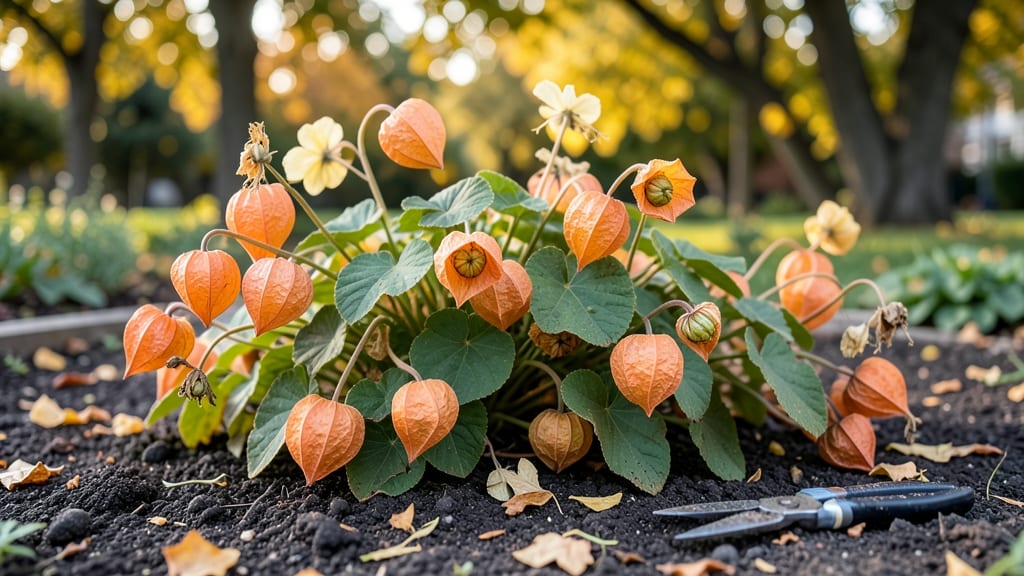
Mastering Chinese lantern flower care is effortless—these glowing orbs (Physalis alkekengi) stay vibrant all winter with zero fuss. 🌟 I’ve grown them for years, and their papery orange husks add magic to any garden, even when everything else sleeps.
The key? They’re tougher than they look, thriving in spots where fussy perennials fail.
These plants handle shade, poor soil, and forgetful watering—ideal for beginners or busy gardeners. Give them partial sun, well-draining soil, and moderate water (they’ll sulk if soggy). In fall, the berries turn golden, creating a fairy-tale display that lasts until spring frost. Even deer leave them alone.
You’ll spend less than 10 minutes on care all year: trim dead stems in spring, and that’s it. The lanterns self-clean—no messy debris. Plus, birds adore the berries, turning your garden into a winter buffet. Perfect for containers, borders, or woodland gardens where color fades early.
Troubleshooting is simple: yellow leaves mean overwatering; pests rarely bother them. Once established, they multiply happily, spreading where they please. Start with one plant, and you’ll be hooked on their effortless charm.
📚 In This Guide
- What you need
- Instructions
- Tips and common mistakes
- Wrapping up and next steps
What you need
- ● Potting Soil: 2-3 gallons of well-draining, organic-rich potting mix (look for a blend labeled for flowering plants or vegetables).
- ● Container: Minimum 12-inch diameter pot (or larger for mature plants).
- ● Ensure it has drainage holes to prevent root rot.
- ● Seeds or Seedlings: Seeds: 2-3 viable Chinese lantern seeds (soak overnight for faster germination).
- ● Seedlings: 1 healthy 3-6 inch tall plant from a nursery.
- ● Watering Can or Hose: With a gentle spray nozzle for hydration without damaging foliage.
- ● Fertilizer: Balanced liquid fertilizer (e.g., 10-10-10 or 20-20-20) for seedlings.
- ● Low-nitrogen, phosphorus-rich fertilizer (e.g., 5-10-10) for flowering.
- ● Pruning Shears: Small, sharp shears for minimal trimming (sterilize with rubbing alcohol).
- ● Mulch: 2-3 inches of organic mulch (e.g., straw or shredded leaves) to retain moisture.
- ● Support Stakes: 1-2 bamboo stakes or trellis if growing tall varieties.
- ● pH Test Kit: To monitor soil pH (ideal range: 6.0–7.0).
- ● Grow Lights: For indoor setups (12–14 hours of light daily).
- ● Sunlight: 6+ hours of direct sunlight daily (south-facing window or outdoor spot).
- ● Temperature: Warmth-loving! Ideal range: 70–85°F (avoid frost).
- ● Humidity: Moderate to high (mist leaves occasionally if air is dry).
How to maintain Chinese lantern flowers for season-long display
Here’s my go-to approach for keeping these striking plants vibrant with almost no fuss.
🌿 Step 1: Choose the Right Location for Light and Airflow
Chinese lantern flowers (Physalis alkekengi) thrive in partial shade to full sun, but the key is balance. Too much direct sun scorches the delicate paper lanterns, while too little shade dulls their signature color. I place mine where they get morning sun and afternoon shade—think dappled light under a tree or a spot near a north-facing window if growing in containers.
Airflow matters just as much. These plants are prone to fungal issues in stagnant air, so space them 12-18 inches apart to allow circulation. If growing in pots, place them where breezes can pass through. You’ll know you’ve got it right when the foliage stays crisp and the lanterns remain plump and upright.
💧 Step 2: Water Consistently Without Overdoing It
Water when the top inch of soil feels dry to the touch, but avoid soggy roots—Chinese lanterns hate wet feet. I water deeply once a week during dry spells, letting the moisture penetrate 6 inches down. In containers, check soil moisture more frequently, as pots dry out faster. Overwatering causes the lanterns to split or rot, ruining their ornamental appeal.
Here’s the trick: water at the base of the plant in the morning. This prevents fungal spores from splashing onto leaves, which can lead to powdery mildew. If you notice the leaves yellowing or wilting, it’s usually a sign of inconsistent moisture. Adjust your watering schedule to match your climate—hotter summers mean more frequent watering, while cooler seasons slow things down.
✂️ Step 3: Prune Strategically for Bushier Growth
Minimal pruning is all it takes to keep these plants lush. Pinch back the tips of new growth in early spring to encourage branching. This simple step prevents leggy stems and ensures a fuller, more compact plant. I use clean, sharp scissors to snip just above a leaf node—never tear or crush the stems, as this invites disease.
Deadhead spent blooms (the tiny yellow flowers that precede the lanterns) to redirect energy into new growth. But here’s the thing—don’t remove the lanterns themselves until they’ve fully matured and turned their signature color. Once they’ve dried on the plant, you can either leave them for winter interest or snip them off to encourage more flowers. I usually leave a few to see how long they’ll last.
☀️ Step 4: Feed and Protect for Year-Round Performance
Feed with a balanced, slow-release fertilizer in early spring to jumpstart growth. I use a 10-10-10 formula applied at half strength to avoid burning the roots. Repeat every 6-8 weeks during the growing season. Chinese lanterns aren’t heavy feeders, so less is more—over-fertilizing leads to lush foliage but fewer lanterns.
In fall, reduce watering and stop fertilizing entirely. The plants will start preparing for dormancy, and their energy shifts to developing next year’s buds. If you’re growing in a colder climate, mulch around the base with 2-3 inches of organic mulch to insulate the roots. The lanterns themselves are frost-tolerant and add winter charm to the garden.
Tips & tricks for perfect Chinese lantern flower care
These simple yet game-changing strategies will help you keep your Physalis alkekengi thriving with minimal effort and maximum impact.
Lighting Strategy: In Step 1, when positioning your plants for morning sun and afternoon shade, consider using sheer curtains on the south or west side of containers if you're growing indoors. This mimics natural dappled light conditions perfectly. I've found that plants placed near east-facing windows get just the right balance without needing additional shade adjustments. The key is observing how the lanterns respond—if they start bleaching, they're getting too much sun.
Watering Technique: For Step 2's once-weekly watering schedule, I recommend using a moisture meter to verify soil dryness at the 1-inch depth before watering. This is especially helpful in containers where moisture levels fluctuate rapidly. When watering deeply to penetrate 6 inches, let the water run slowly to prevent runoff, which can create soggy pockets. A slow, steady stream ensures even moisture distribution throughout the root zone.
Pruning Insight: In Step 3, when pinching back new growth, focus on removing only the very top set of leaves when you make your cut. This encourages branching at that specific node. I've noticed that plants pruned this way develop fuller growth patterns within just 4-6 weeks. For deadheading, use clean pruners and make cuts at a 45-degree angle just above a leaf node to prevent water from pooling and causing rot.
Seasonal Transition: In Step 4, when preparing for winter dormancy, consider adding a layer of straw mulch on top of your 2-3 inches of organic mulch. The straw provides additional insulation while also protecting the mulch from washing away during winter rains. I've kept plants looking vibrant through winter by leaving the dried lanterns intact—they provide natural winter interest while the plant rests.
Pro Tips for Chinese Lantern Flower Care
- These simple yet game-changing strategies will help you keep your Physalis alkekengi thriving with minimal effort and maximum impact.
- Lighting Strategy: In Step 1, when positioning your plants for morning sun and afternoon shade, consider using sheer curtains on the south or west side of containers if you're growing indoors.
- Watering Technique: For Step 2's once-weekly watering schedule, I recommend using a moisture meter to verify soil dryness at the 1-inch depth before watering.
Frequently asked questions
Got questions about keeping your Physalis alkekengi (Chinese lantern flower) thriving? You’re not alone! Here are answers to the most common concerns—from pruning to pests—so you can enjoy their glowing blooms all year long.
How often should I prune my Chinese lantern flower?
Prune lightly in early spring (before new growth) to shape the plant and remove dead stems. After blooming (late summer), trim back faded flowers to encourage new growth. Avoid heavy pruning—these plants thrive with minimal intervention! Pro tip: Use sterilized shears to prevent disease.
Can Chinese lantern flowers survive winter?
Yes! They’re hardy in USDA zones 4-8. In colder climates, mulch the base with straw or leaves to protect roots. If grown in containers, move them to a sheltered spot or bring indoors before frost. Bonus: Their papery lanterns add winter charm to gardens!
What pests commonly attack Chinese lantern flowers?
Watch for aphids, spider mites, or slugs. Spray infested areas with soapy water or neem oil. For slugs, set beer traps or use organic slug pellets. Healthy plants with good airflow resist pests better—so keep them well-watered but not soggy!
Can I grow Chinese lantern flowers in containers?
Use a pot at least 12 inches wide with drainage holes. Well-draining soil (like a mix of potting soil and perlite) works best. Place containers in partial shade—full sun can scorch leaves. Just ensure they get consistent moisture but avoid waterlogged roots.
Why aren’t my Chinese lanterns turning orange?
Orange lanterns develop fully in cool weather. If they’re staying green or yellow, check for:
- Too much sun (burns can stunt color).
- Nitrogen-heavy fertilizer (focus on balanced 10-10-10).
- Overcrowding (space plants 18–24 inches apart).
Wrapping up and next steps
Caring for your Chinese lantern flower (Abelmoschus manihot) is simpler than you think—just a little sunlight, patience, and occasional attention will reward you with vibrant blooms year after year! 🌸 Whether you’re a beginner or a seasoned gardener, these tips ensure your plant thrives with minimal fuss.
Now that you’re equipped with the right knowledge, why not share your success? Snap a photo of your flourishing plant, tag us, or inspire fellow gardeners by planting one today—your green thumb is about to shine even brighter! 🌱