Flowers
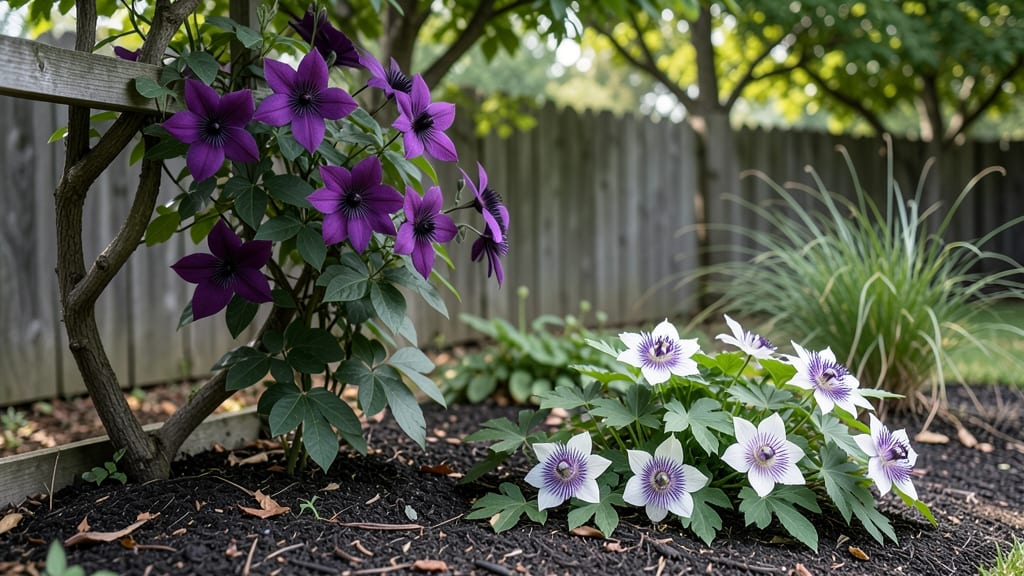
Growing clematis passion flower (Passiflora edulis) in the Pacific Northwest is like inviting a tropical romance into your garden—its velvety blooms and edible fruit thrive where many vines struggle. 🌿 I’ve watched mine climb a trellis in my shaded patio, producing fragrant white flowers that open at dawn and tropical-tasting fruit by summer’s end.
The key? Mimicking its native humidity and warmth without fuss.
This vine loves morning sun and afternoon shade, making it perfect for Northwest climates where summers can be mild. Well-draining soil mixed with compost keeps roots happy, while a sturdy trellis or fence gives its tendrils something to grasp.
Start with seeds or young plants in spring, and avoid heavy pruning—let it grow wild for that lush, jungle-like effect.
By midsummer, you’ll be harvesting fruit that tastes like a mix of pineapple and citrus, perfect for jams or fresh eating. The flowers attract hummingbirds, and the foliage stays glossy green even in our damp summers.
It’s the kind of plant that makes neighbors ask, “What is that?”—and the answer is pure, edible beauty.
Works in containers for patios or as a dramatic vertical feature against fences. Just remember: passion flowers love to climb, so give them space to show off. Let’s get yours growing!
📚 In This Guide
- What you need
- Instructions
- Tips and common mistakes
- Wrapping up and next steps
What you need
- ● Clematis passion flower plants: 1-3 healthy vines (choose varieties like Clematis armandii or Clematis montana for PNW resilience).
- ● Well-draining potting mix: 2-3 cubic feet (or a high-quality garden soil blend with compost).
- ● Support structure: A trellis, arbor, or sturdy fence (at least 6-10 feet tall).
- ● Organic mulch: 2-3 inches of wood chips or straw to retain moisture.
- ● Watering can or hose: With a gentle spray nozzle for hydration.
- ● Pruning shears: Sharp, sterilized shears for shaping and maintenance.
- ● Garden gloves: To protect hands while handling thorns or soil.
- ● Fertilizer: Balanced 10-10-10 or slow-release organic fertilizer (1-2 applications per season).
- ● Plant ties: Soft fabric strips to secure vines to supports.
- ○ Drip irrigation kit: (Optional) For consistent moisture in dry spells.
- ○ Fungicide: Copper-based (optional) for fungal prevention in damp PNW climates.
Step-by-Step instructions for planting and cultivating clematis passion flower
Here's how to grow this stunning vine with minimal fuss—perfect for Pacific Northwest gardens.
🌱 Step 1: Choose the Perfect Planting Site
Clematis passion flower thrives in partial shade with morning sun and afternoon shade—critical for the PNW's intense summer sunlight. Pick a spot near a trellis, arbor, or fence where it can climb 6-10 feet high. The roots need cool soil, so avoid hot, exposed areas where they'll bake.
Test your site's moisture: Dig a 6-inch hole and check drainage. If water pools after 10 minutes, amend the soil with 2-3 inches of organic matter (like compost or peat moss) to improve drainage. This plant hates soggy roots but loves consistently moist soil.
🪴 Step 2: Plant at the Right Depth and Support
Dig a hole twice as wide as the root ball but no deeper—this vine grows best when planted shallow. Position it so the top of the root ball sits just below soil level (never buried deeper). The PNW's mild winters mean you won't need extra mulch for frost protection.
Install a trellis or sturdy support before planting. Clematis passion flower twines clockwise, so attach a 3-4 foot tall stake near the plant to guide early growth. Water deeply right after planting to settle the soil around roots—you'll know it's right when the surface looks firm but not compacted.
☀️ Step 3: Water and Fertilize for Strong Growth
Keep the soil evenly moist for the first 4-6 weeks—water when the top 2 inches feel dry. Overwatering causes root rot, but letting it dry out completely stunts growth. A drip irrigation system works best to avoid wetting the leaves, which can invite fungal issues.
Feed with a balanced, slow-release fertilizer (10-10-10) in early spring and again after flowering. Too much nitrogen makes leaves grow at the expense of blooms. Look for new growth in spring—that's your signal the plant is happy and ready for more nutrients.
✂️ Step 4: Prune for Health and More Blooms
Prune right after flowering (late summer) to encourage next year's blooms. Cut back one-third of the oldest stems to the ground—this opens up the plant for airflow and sunlight. Avoid pruning in fall or winter, as the PNW's damp conditions can stress fresh cuts.
Remove any dead, diseased, or crossing stems throughout the growing season. You'll know a stem is dead if it's brown and brittle. Healthy stems have green bark and flexible growth. Never prune more than one-third of the plant in a single season—this vine is resilient but not indestructible.
Tips & tricks for perfect clematis passion flower cultivation
These simple strategies will help your vine thrive in Pacific Northwest conditions without the guesswork.
Soil Test Tip: The 10-minute drainage test in Step 1 is your best friend. If water pools after 10 minutes, mix in 2-3 inches of compost—this improves aeration while retaining moisture. For clay-heavy PNW soil, add perlite or coarse sand to break up compacted areas before planting. The goal is soil that feels like a damp sponge, not a mud puddle.
Support System Secret: Don't wait until after planting to install your trellis! In Step 2, set up your support structure before you dig the hole. Clematis passion flower twines clockwise, so position the 3-4 foot stake on the north side of the plant (assuming your garden faces south). This prevents the vine from getting tangled in its own growth as it climbs.
Watering Wisdom: During those first 4-6 weeks of growth, I use the "finger test" method: Stick your index finger 2 inches deep into the soil. If it feels dry at that depth, water deeply until moisture reaches 6 inches down. Morning watering is ideal—it gives leaves time to dry before evening, reducing fungal risks in our damp climate.
Pruning Pro Tip: When you're cutting back one-third of the oldest stems in Step 4, look for stems with green bark that still bend slightly. These are healthy stems to keep. For the stems you remove, cut at a 45-degree angle just above a leaf node. This encourages new growth from the base while preventing disease entry points.
Pro Tips for Clematis Passion Flower
- These simple strategies will help your vine thrive in Pacific Northwest conditions without the guesswork.
- Soil Test Tip: The 10-minute drainage test in Step 1 is your best friend.
- Support System Secret: Don't wait until after planting to install your trellis!
Frequently asked questions
Got questions about growing clematis passion flower in the Pacific Northwest? You’re not alone! Here are some of the most common queries—and their answers—to help you cultivate this stunning vine with confidence.
What’s the best time to plant clematis passion flower in the PNW?
For the Pacific Northwest’s mild, wet climate, plant Passiflora caerulea (the true passion flower clematis) in early spring (March–April) or late fall (September–October). Avoid summer planting—heat stress can stunt young roots. Choose a spot with well-draining soil and partial shade to mimic its native woodland edges.
Is clematis passion flower cold-hardy enough for the PNW?
Yes! This hybrid is surprisingly tough, surviving USDA Zones 5–9. In the PNW’s cooler winters (Zones 7–8), it thrives with mulch protection (3–4 inches of straw or wood chips). Prune dead vines in late winter to encourage vigorous new growth. Pro tip: If temps dip below 10°F, wrap containers in burlap for extra insulation.
What pests or diseases should I watch for with clematis passion flower?
Common issues include:
- Aphids: Spray with soapy water or introduce ladybugs.
- Powdery mildew: Improve airflow and avoid overhead watering.
- Root rot: Ensure well-draining soil—PNW’s soggy winters can be tricky!
Yellowing leaves? Check for nutrient deficiencies (e.g., iron) or overwatering. Preventative care: Fertilize lightly in spring with a balanced, organic blend.
Can I grow clematis passion flower in containers?
Use a 15+ gallon container with drainage holes and a mix of potting soil + perlite. Place it where it gets morning sun and afternoon shade (PNW’s intense summer sun can scorch leaves). Move containers indoors or to a garage if temps drop below 20°F. Bonus: Train vines on a trellis or fence for vertical drama!
Why isn’t my clematis passion flower blooming?
Blooms may skip a year if the plant is too young (give it 2–3 seasons), underfed, or overpruned. Cut back hard in late winter (but leave some stems for next year’s flowers!). Also, ensure it gets 6+ hours of light—PNW shade lovers still need some sun. Try this: Add a low-nitrogen fertilizer in early spring to encourage flowers over foliage.