Flowers
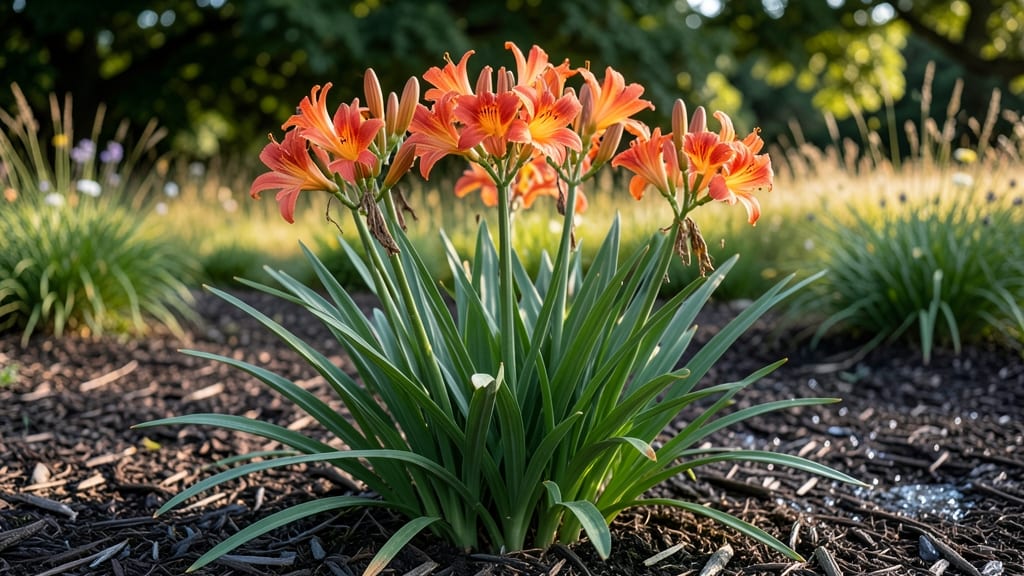
My dawn's flower patch begins with the quiet magic of early morning blooms—think delicate larkspur unfurling in misty Pacific Northwest air and columbine nodding in the soft light. This isn’t just a garden; it’s a sunrise captured in petals, where every plant is chosen to greet the day with freshness.
The secret lies in pairing moisture-loving perennials like heuchera and astilbe with late-summer bloomers that extend the show into golden hours.
You’ll need partial shade to protect delicate blooms from afternoon sun, a moist but well-draining soil mix (think 3 parts native soil, 1 part compost), and a drip irrigation system to keep roots happy without soggy feet.
The real trick? Layering plants by height—tall delphinium as backdrops, mid-height geraniums for texture, and low saxifrage to spill over edges. This creates that dreamy, cascading effect you see in botanical illustrations.
By mid-summer, your patch will burst with lavender-blue, soft pink, and creamy white blooms that perfume the air at dawn—jasmine clinging to trellises, peony releasing its intoxicating scent, and black-eyed Susan adding golden pops.
The best part? These perennials come back stronger each year, their roots deepening while their blooms stay fresh through heatwaves and drizzles. Even in winter, their skeletal stems add structure to the garden’s quiet beauty.
For extra magic, add solar-powered path lights along walkways to highlight the patch as evening falls, and a small water feature nearby to amplify the morning mist effect. The key is to let the plants do the work—their natural rhythms of opening and closing petals will create a living timepiece.
Once established, this patch requires minimal fuss, just occasional deadheading to encourage more blooms and a light mulch to protect roots in winter.
📚 In This Guide
- What you need
- Instructions
- Tips and common mistakes
- Wrapping up and next steps
What you need
- ● Perennial Plants: 5–10 plants of each variety (e.g., Heuchera, Sedum, Lupinus, Penstemon, Echinacea, and Salvia—choose 3–5 PNW-hardy favorites).
- ● Native Wildflowers: 2–3 lbs of mixed seeds (e.g., Camassia, Lupinus, or Achillea for pollinator appeal).
- ● Soil Amendments: 5 lbs of compost (well-aged, organic).
- ● 2 lbs of peat moss or coconut coir (for moisture retention).
- ● 1 lb of perlite or pumice (for drainage, especially in clay-heavy PNW soil).
- ● Mulch: 10–15 lbs of wood chips or straw (to retain moisture and suppress weeds).
- ● Garden Tools: 1 garden trowel (for transplanting small plants).
- ● 1 hand fork (for loosening soil).
- ● 1 pruners (sharp, sterilized).
- ● 1 wheelbarrow or bucket (for transporting soil/amendments).
- ● Measuring Tools: 1 measuring tape (for spacing plants 12–24" apart).
- ● 1 pH test kit (ideal PNW soil pH: 6.0–7.0).
- ● 1 drip irrigation kit (PNW’s wet winters + dry summers = consistent moisture is key!).
- ● 1 garden hose with adjustable nozzle (for watering seedlings).
- ● Slow-release fertilizer (e.g., 10-10-10 or compost tea for a gentle boost).
- ● Decorative stones or gravel (for pathways or accent borders).
Step-by-Step guide to designing a Pacific Northwest-resilient perennial garden
Here’s how to create a lush, low-maintenance flower patch that blooms reliably through our famously damp, mild seasons.
🌱 Step 1: Select the Right Perennial Species for Year-Round Interest
Focus on Pacific Northwest natives and proven cold-hardy perennials that tolerate 60–75°F summers and 35–45°F winters without fuss. My top picks for reliable blooms include Symphyotrichum subspicatum (asters), Heuchera spp. (coral bells), Lavandula angustifolia (English lavender), and Geranium macrorrhizum (crawling geranium). These thrive in partial shade to full sun and handle our region’s acidic, well-draining soils better than most imports.
Arrange plants by bloom season to ensure continuous color. Early spring brings bleeding hearts (Dicentra spectabilis) and lungwort (Pulmonaria spp.), while late summer and fall showcase asters, sedum, and goldenrod (Solidago spp.). Mix foliage plants like heuchera and ferns (e.g., Matteuccia struthiopteris) to add texture year-round.
☀️ Step 2: Prepare the Site for Optimal Drainage and Microclimates
Our region’s consistent rainfall means drainage is critical—waterlogged roots kill perennials faster than drought. Amend native soil with 3–4 inches of compost and, if needed, sand or perlite to improve aeration. Test your soil’s pH; most PNW perennials prefer slightly acidic to neutral (6.0–7.0). If your soil is heavy clay, consider raised beds for better control.
Create microclimates by grouping plants with similar light and moisture needs. For example, place shade-loving hellebores (Helleborus spp.) under deciduous trees, while sun-worshipping lavender and catmint (Nepeta spp.) thrive in open, south-facing beds. Mulch heavily with 3–4 inches of wood chips or bark to suppress weeds, retain moisture, and protect roots during winter.
💧 Step 3: Plant and Establish for Long-Term Vigor
Dig holes twice as wide as the root ball but no deeper to avoid burying stems. Gently loosen roots before planting and water deeply to settle the soil. Space perennials according to their mature size—3–4 feet apart for shrubby types like lavender, 18–24 inches for clump-forming plants like asters, and 12–18 inches for ground covers like creeping thyme (Thymus serpyllum).
Water deeply once a week for the first 4–6 weeks to encourage root growth, then taper to every 10–14 days once established. Overwatering in winter is a common mistake—let the soil dry slightly between waterings unless we’re in a rare heatwave. Fertilize lightly in early spring with balanced organic fertilizer (10-10-10) to support new growth without encouraging leggy stems.
✂️ Step 4: Prune and Maintain for Seasonal Health
Deadhead spent blooms throughout the growing season to encourage repeat flowering, but leave seed heads on late-blooming perennials like asters for winter interest and wildlife. In early spring, cut back last year’s growth of grasses and ornamental perennials like Russian sage (Perovskia atriplicifolia) to make room for new shoots. For shrubby perennials like lavender, trim lightly after flowering to maintain shape.
Divide crowded clumps every 3–4 years in early spring or fall. Dig up overgrown plants like hostas or peonies, separate the roots with a sharp knife, and replant the healthiest sections. This rejuvenates growth and prevents disease. In late fall, add a 2–3 inch layer of mulch to insulate roots from freeze-thaw cycles, which can damage tender perennials.
🪴 Step 5: Plan for Year-Round Beauty and Low Maintenance
Incorporate evergreen perennials like sword ferns (Polystichum spp.), boxwood (Buxus spp.), and Japanese forest grass (Hakonechloa macra) to keep the garden lively even in winter. Group plants by height and habit—tall grasses and Joe Pye weed (Eutrochium purpureum) at the back, mid-height perennials like black-eyed Susans (Rudbeckia spp.) in the middle, and ground covers like ajuga (Ajuga reptans) in front.
Finally, rotate plants every few years to prevent soil depletion and pest buildup. Swap out tired perennials with new varieties or move them to fresh spots in the garden. This keeps your dawn’s flower patch dynamic, pest-resistant, and bursting with color with minimal effort.
Tips & tricks for perfect Pacific Northwest perennial gardens
Creating a thriving perennial garden in our region’s unique climate takes thoughtful planning—here’s how to ensure your flower patch not only survives but flourishes year after year.
Site Preparation: When amending your soil with the 3–4 inches of compost recommended in Step 2, mix in a handful of worm castings for extra microbial activity. This boosts nutrient availability and improves soil structure, which is especially important in our dense, clay-heavy native soils. I’ve found that adding a thin layer of sand or perlite to the bottom of planting holes prevents water pooling around roots, a common issue in our wet winters.
Plant Selection: In Step 1, when choosing your perennials, prioritize plants with native PNW roots—they’ve evolved to handle our specific climate challenges. For example, Symphyotrichum subspicatum (asters) and Solidago spp. (goldenrod) are tough as nails and attract pollinators throughout late summer when many gardens fade. I always include at least one evergreen ground cover like creeping thyme to provide year-round interest and suppress weeds between other plants.
Watering Wisdom: The instructions mention watering deeply once a week for the first 4–6 weeks, but timing matters just as much as quantity. Water in the early morning to allow foliage to dry before evening, reducing fungal diseases common in our damp climate. For established plants, let the soil dry slightly between waterings—our region’s consistent rainfall often means we overwater more than we realize, especially during winter when growth slows dramatically.
Pruning Precision: When deadheading in Step 4, use clean, sharp pruners to avoid tearing stems. For shrubby perennials like lavender, trim just above a set of healthy leaves rather than cutting into bare wood. This encourages bushier growth and prevents the leggy stems that often plague over-pruned plants. I’ve learned the hard way that never prune in fall—wait until early spring to avoid stimulating tender new growth that won’t survive our winters.
Pro Tips for Dawn'S Flower Patch
- Creating a thriving perennial garden in our region’s unique climate takes thoughtful planning—here’s how to ensure your flower patch not only survives but flourishes year after year.
- Site Preparation: When amending your soil with the 3–4 inches of compost recommended in Step 2, mix in a handful of worm castings for extra microbial activity.
- Plant Selection: In Step 1, when choosing your perennials, prioritize plants with native PNW roots—they’ve evolved to handle our specific climate challenges.
Frequently asked questions
Got questions about cultivating Dawn’s Flower Patch? You’re not alone! Whether you’re a new gardener or a seasoned green thumb, these answers will help you grow a vibrant, low-maintenance garden in the Pacific Northwest’s unique climate.
What’s the best time to plant perennials in my region?
For the Pacific Northwest, aim for early spring (March–April) or early fall (September–October). This gives roots time to establish before winter’s chill or summer’s heat. Avoid planting in extreme heat or frost—your perennials will thank you with blooms for years!
Do these perennials survive PNW winters?
Dawn’s Flower Patch
is curated with hardy, cold-resistant varieties like heuchera, astilbe, and Siberian bugloss. Most thrive in USDA Zones 5–9, handling rain, wind, and temps down to 10°F (-12°C). Just mulch lightly in late fall for extra protection.
How often should I water newly planted perennials?
Water deeply 2–3 times per week for the first month, then taper to once a week (or when soil feels dry 2” down). The PNW’s damp climate means overwatering is riskier than underwatering—ensure pots/drainage beds have holes to prevent root rot. Pro tip: Water in the morning to reduce fungal risks.
Can I grow Dawn’s Flower Patch in containers?
Yes! Many perennials in this collection thrive in containers, especially heuchera, ferns, and dwarf varieties. Use well-draining soil and pots 12”+ in diameter (bigger = happier roots!). Just swap out topsoil yearly and fertilize lightly in spring. Bonus: Containers let you move blooms to sun/shade as needed!
What pests should I watch for in PNW gardens?
Common culprits include slugs, aphids, and spider mites. Slugs love tender new growth—use beer traps or diatomaceous earth. For aphids, blast them off with water or introduce ladybugs. Mites prefer dry conditions, so water deeply and prune for airflow. Prevention: Healthy soil = resilient plants!
How do I extend the blooming season?
Mix early, mid, and late-season bloomers (e.g., coral bells in spring, astilbe in summer, sedum in fall). Deadhead spent flowers regularly, and add mulch to regulate soil temps. For extra color, interplant annuals like pansies—they’ll bridge gaps until perennials rebound in spring.
Wrapping up and next steps
Creating your own Dawn’s Flower Patch in the Pacific Northwest isn’t just about beauty—it’s about crafting a resilient, year-round garden that celebrates the region’s unique climate.
From hardy perennials like Heuchera and Sedum to the bold charm of Hellebores, these plants prove that nature’s best designs thrive with minimal fuss.
Whether you’re a seasoned gardener or just starting, the key is patience, preparation, and a little love for the unexpected blooms that pop up when you least expect them.
Ready to take the next step? Start small—pick one or two perennials to test in a corner of your yard or a container. Observe how they adapt, then expand your patch over time. Your garden’s story is just beginning! 🌸🌿