
Pests
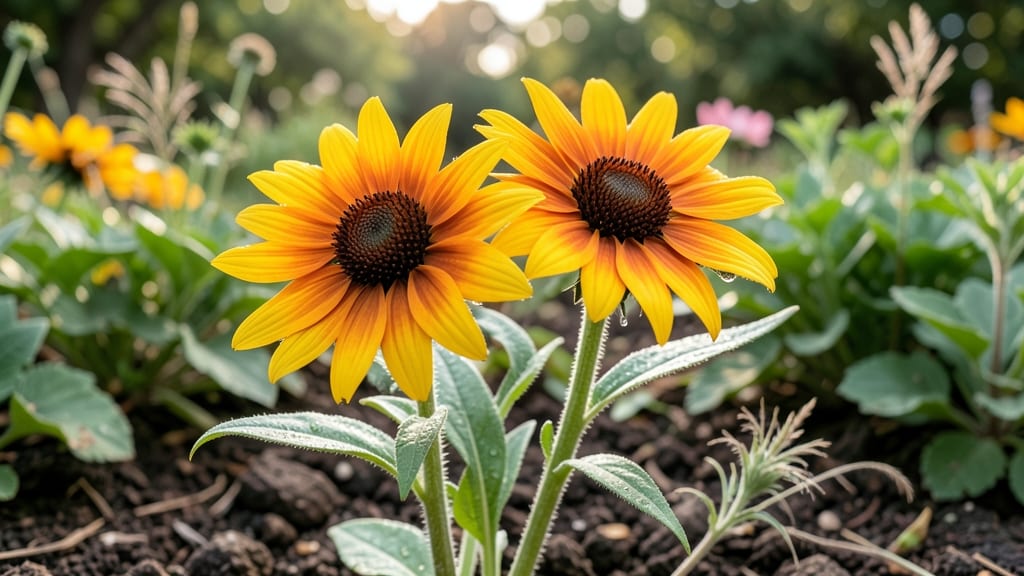
These deer-repellent flowers aren’t just pretty—they’re your garden’s first line of defense, and I’ve learned the hard way that deer have a menu of favorites. The secret lies in scent, texture, and even subtle toxicity that deer instinctively avoid.
Start with classics like lavender, Russian sage, and daffodils—their strong aromas and fuzzy foliage make them unappetizing snacks. Add foxglove or allium for extra protection, and deer will bypass your garden entirely.
These plants thrive in full sun and most soils, making them a low-maintenance shield for your prized blooms.
Within weeks, you’ll notice fewer nibbled leaves and more blooms thriving. The fragrance alone deters deer, while the foliage’s texture makes it unpleasant to chew. For extra defense, mix in companion plants like rosemary or thyme—their pungent scents create a natural repellent barrier.
Works in any yard, from city gardens to country plots. If deer still linger, add a physical barrier like fencing or netting. These flowers are your first step toward a deer-free haven—let’s get planting!
📚 In This Guide
- What you need
- Instructions
- Tips and common mistakes
- Wrapping up and next steps
What you need
- ● Deer-repellent flowers: 5–10 plants of one or more of these species (adjust based on garden size): Lavender (Lavandula) – 3–5 mature plants
- ● Daffodils (Narcissus) – 10–15 bulbs
- ● Foxglove (Digitalis) – 3–5 plants
- ● Marigolds (Tagetes) – 10–15 plants
- ● Allium (Allium sphaerocephalon) – 5–7 plants
- ● Potting soil: 1–2 bags (10–20 lbs each) of high-quality, well-draining soil
- ● Garden gloves: 1 pair (to protect your hands while planting)
- ● Hand trowel: 1 (for digging small holes)
- ● Watering can or hose: With a gentle spray nozzle
- ● Mulch: 1–2 bags (straw, wood chips, or pine needles) to retain moisture
- ● Pruners: For trimming plants as they grow
- ● Fertilizer: Slow-release granular fertilizer (e.g., 10-10-10) for extra vigor
- ● Compost: 1–2 bags (to enrich soil before planting)
- ● Garden stakes: For taller flowers like foxglove
- ● Deer-resistant companion plants: Additional plants like rosemary, thyme, or barberry for layered protection
How to design a fragrant flower barrier against deer
Here’s how to create a natural, fragrant defense system deer won’t cross.
Select the Right Deer-Repelling Flower Species
Focus on plants with strong fragrances or textures deer dislike. My top choices include lavender (its citrusy scent deters browsing), rosemary (piney aroma and prickly stems), foxglove (mildly toxic when ingested), and alliums (onion-family smell). These four alone create a multi-sensory deterrent—visual, olfactory, and even tactile for deer that might nibble.
For maximum impact, layer plants with varying heights. Tall foxglove and bee balm act as visual barriers, while low-growing thyme and sage release their scents at ground level where deer investigate. Avoid planting these in isolated clumps—deer will simply walk around them. Instead, create a continuous 3-4 foot wide band around vulnerable areas.
Plan Your Planting Layout for Maximum Effect
Design your barrier in a U-shape or half-moon around gardens, vegetable patches, or young trees. Deer typically approach from open areas, so position the strongest repellents (like rosemary and foxglove) on the outer edges where they’ll encounter them first. Place lavender and alliums closer to protected areas—their scent lingers and creates a "do not enter" zone.
Space plants 12-18 inches apart to ensure full coverage without gaps. Deer can jump surprisingly high, so avoid leaving vertical openings where they could leap over. For extra security, interplant with dahlias or hollyhocks—their tall stems create physical obstacles while their strong fragrances add another deterrent layer.
Prepare the Soil and Plant Strategically
Test your soil’s pH—most deer-repelling flowers prefer slightly alkaline to neutral (6.0-7.5). Amend heavy clay with compost and sand to improve drainage, as waterlogged roots weaken plants and make them less effective. Work in 2-3 inches of aged compost to provide nutrients without encouraging lush growth that might attract deer.
Plant in late spring after the last frost when soil is workable but not soggy. Dig holes twice as wide as the root ball to encourage outward growth. For container-grown plants, loosen roots gently before placing them in the hole—this prevents transplant shock and ensures they establish quickly. Water deeply immediately after planting to settle soil around roots and remove air pockets.
Maintain the Barrier for Long-Term Protection
Water newly planted barriers deeply every 2-3 days until roots establish (about 6-8 weeks). Once established, most of these plants are drought-tolerant, but consistent moisture during their first season prevents stress that could make them less fragrant or attractive to deer. Mulch with 2-3 inches of wood chips to retain moisture and suppress weeds—deer avoid areas with thick mulch layers.
Deadhead spent blooms regularly to encourage continuous flowering and scent production. Prune leggy growth in early spring to maintain density. If you notice deer still browsing, add physical deterrents like fencing or deer-resistant ground covers (like creeping thyme) in problem areas. The key is persistence—deer learn to avoid areas with strong, consistent scents over time.
Tips & tricks for creating an effective fragrant flower barrier
These practical strategies will help you maximize the impact of your deer-repelling garden while avoiding common pitfalls that can make your barrier ineffective.
Layering for Maximum Deterrence: In Step 1, when selecting plants, focus on creating a multi-sensory experience. The combination of visual barriers (tall foxglove and bee balm) with ground-level scent producers (thyme and sage) creates a more effective deterrent than single-species plantings. I've found that adding dahlias or hollyhocks as physical obstacles in Step 2 significantly reduces the chance of deer jumping over your barrier. These taller plants create a natural fence that deer instinctively avoid.
Soil Preparation Secret: The soil preparation in Step 3 is where many gardeners go wrong. While testing for pH between 6.0-7.5 is crucial, don't overlook the importance of proper drainage. In heavy clay soils, I recommend adding equal parts compost and sand to create a well-draining mix. This prevents waterlogged roots that make plants less fragrant and more vulnerable to deer browsing. The 2-3 inches of aged compost mentioned is perfect for providing nutrients without encouraging lush growth that might attract deer.
Maintenance Strategy: For long-term effectiveness, the maintenance routine in Step 4 requires consistency. The 6-8 week establishment period is critical—don't rush watering during this time. I've seen barriers fail when gardeners switch to infrequent watering too soon. Once established, the 2-3 inches of wood chips for mulching creates a double benefit: it retains moisture while also creating a physical barrier deer dislike crossing. Regular deadheading isn't just about appearance—it directly impacts scent production by encouraging continuous flowering.
Pro Tips for Deer Repellent Flowers
- These practical strategies will help you maximize the impact of your deer-repelling garden while avoiding common pitfalls that can make your barrier ineffective.
- Layering for Maximum Deterrence: In Step 1, when selecting plants, focus on creating a multi-sensory experience.
- Soil Preparation Secret: The soil preparation in Step 3 is where many gardeners go wrong.
Frequently asked questions
Got questions about using deer-repellent flowers to protect your garden? You’re not alone! Here are some of the most common queries—and their answers—to help you get started with confidence.
Which deer-repellent flowers work best in my climate?
Deer preferences vary by region, but daffodils, lavender, marigolds, and alliums are widely effective across most U.S. zones (3–10). For colder climates, opt for hardy perennials like foxglove or Russian sage. Check your USDA Plant Hardiness Zone for tailored picks!
How long does it take for these flowers to deter deer?
Results depend on the plant and deer population density. Strong-scented flowers like lavender or daffodils may show effects within 1–2 weeks, while milder options (e.g., cosmos) could take 3–4 weeks. Consistency is key—plant densely and replant annuals yearly for best results.
What if deer ignore my repellent flowers?
Deer may still nibble if they’re desperate for food. Combine strategies:
- Add physical barriers (fencing, netting) near vulnerable plants.
- Use commercial repellents (like Liquid Fence) as a backup.
- Rotate plantings—deer may lose interest if flowers change seasonally.
Can I use deer-repellent flowers in containers?
Dwarf varieties like miniature lavender, marigolds, or snapdragons thrive in pots. Place containers near entry points (e.g., garden gates) or along walkways. Just ensure they’re well-drained and get 6+ hours of sunlight daily for optimal scent production.
Are deer-repellent flowers cost-effective long-term?
Yes! While initial costs may be higher than repellents, perennials (e.g., lavender, daffodils) return yearly, saving money over time. Cost breakdown:
Option
Initial Cost (Avg.)
Yearly Maintenance
Annual flowers (marigolds)
$10–$30
$10–$20 (reseeding)
Perennials (lavender)
$20–$50
$5–$15 (pruning/fertilizer)
Wrapping up and next steps
Transforming your garden into a fragrant, deer-resistant haven is easier than you think! By planting deer-repellent flowers like foxglove, daffodils, or lavender, you create a natural barrier that keeps these graceful but pesky visitors at bay—without harsh chemicals. 🌿✨
Ready to take the next step? Start small: pick 2-3 flowers from our list, research their care needs, and plant them around your yard’s perimeter. Before you know it, your garden will be a scent-sational fortress—and a beautiful one at that!