
Pests
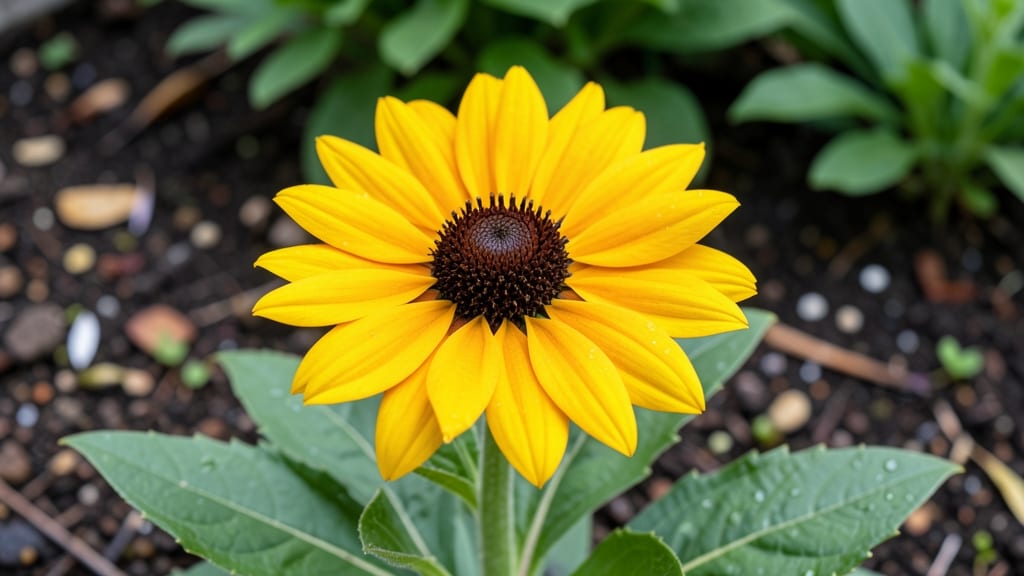
Here’s your deer-resistant flowers list—the 15 tough blooms that turn your garden into a no-browsing zone, from deer-dodging lavender to snapdragons that fight back. 🌿 that thrive where others fail. The secret? Strong fragrance, fuzzy foliage, or toxic compounds that make them unappealing snacks.
These flowers work in sun or shade, from zones 3-10, and most need minimal fuss—just good drainage and occasional pruning. Think salvia’s velvety spikes, allium’s globe-shaped blooms, or yarrow’s ferny leaves that deer ignore. They’ll also attract pollinators, so your garden stays lively even when deer pass it by.
By mixing these into borders or containers, you create a deer-proof display that blooms from spring to fall. The lavender stays fragrant all summer, the coneflowers add height, and the Russian sage provides late-season color. Your neighbors will ask how you keep your garden looking so good—no fences required.
Bonus: Pair them with companion plants like fennel or rosemary to double down on deer resistance. The key is diversity—no single plant is foolproof, but together, they form an impenetrable (to deer) floral fortress. Let’s get planting!
📚 In This Guide
- What you need
- Instructions
- Tips and common mistakes
- Wrapping up and next steps
What you need
- ● Deer-resistant flower plants: 15+ plants from your chosen list (e.g., lavender, daffodils, or coneflowers). Quantities depend on garden size—aim for 3-5 plants per square foot for full coverage.
- ● Native species (if possible) for better local adaptation and deer deterrence.
- ● High-quality potting soil: 5–10 bags (2–3 cubic feet each), enriched with compost for nutrient-rich growth.
- ● Organic mulch: 2–3 bags (straw, shredded bark, or pine needles) to retain moisture and deter deer.
- ● Garden gloves: 1 pair (heavy-duty for thorny plants like roses or barberries).
- ● Hand trowel or transplant spade: 1–2 (for digging holes and planting).
- ● Watering can or hose with nozzle: 1 (for gentle, deep watering post-planting).
- ● Pruning shears: 1 pair (for trimming dead foliage or shaping plants).
- ○ Fertilizer (optional but recommended): Slow-release granular fertilizer (e.g., 10-10-10 NPK ratio, 5–10 lbs per 100 sq ft).
- ● OR organic options like fish emulsion or bone meal.
- ● Deer repellent sprays: 1–2 bottles (e.g., plant-based sprays like Liquid Fence for extra protection).
- ● Fencing or barriers: Temporary options like deer netting (6–8 ft tall) or plastic tree guards for young plants.
- ● Companion plants: Garlic, Russian sage, or alliums (1–2 plants per 5 sq ft) to enhance deer deterrence.
- ● Garden markers: Biodegradable labels to track plant names and care instructions.
- ● Knee pads: 1 pair (for comfort during long planting sessions!).
How to plan a deer-resistant flower garden
Here's how to design a layout that naturally deters deer while maximizing beauty and pollinator appeal.
🌱 Step 1: Select Your Foundation Plants
Start with strong-scented perennials like lavender and Russian sage—deer avoid these due to their pungent foliage. Place 1-2 lavender bushes at garden edges where deer first approach, as their fragrance creates a natural barrier. I like to intersperse catmint between them; its silver foliage and minty aroma repel browsers while attracting pollinators.
For height, include coneflowers and black-eyed Susans—both have tough, fibrous stems deer avoid. These work well in 3-foot clusters spaced 18 inches apart to create a dense visual barrier. The key is layering: taller plants in back, mid-height in middle, and ground covers like creeping thyme in front.
🌿 Step 2: Layer with Bulbs and Annuals
Add daffodils and alliums in early spring—their toxic bulbs make them deer-proof. Plant 10-15 bulbs per square foot in drifts for maximum impact. These also bloom early, giving you color before deer become more active. For annuals, snapdragons and marigolds are excellent choices; their strong scent and slightly bitter leaves deter deer while adding vibrant color.
I always include foxglove in shaded areas—its tall spikes and milky sap make it unappealing. Space these 2 feet apart in groups of three to create focal points. The secret is mixing textures: combine the fuzzy foliage of lamb's ear with the spiky blooms of bee balm for a garden that looks lush but feels impenetrable to deer.
✂️ Step 3: Create Strategic Plant Placement
Place your most deer-resistant plants along property edges and near pathways where deer are most likely to browse. I recommend a 3-foot border of yarrow and shasta daisies around the perimeter—these plants have tough, hairy leaves that deer dislike. For focal points, use peony bushes spaced 3 feet apart; their heavy blooms and strong stems make them deer-resistant powerhouses.
Incorporate spiny plants like hollyhocks and barberries near seating areas or high-traffic zones. The physical barrier of thorns prevents deer from lingering. I also add roses with strong fragrances (like David Austin English roses)—their scent alone often keeps deer moving. The goal is to make your garden feel like a no-go zone without using chemicals.
💧 Step 4: Maintain with Deer Deterrents
After planting, reinforce resistance by mulching heavily with 2-3 inches of wood chips—this masks scent trails that attract deer. I also apply granular deer repellent (like Liquid Fence) around plant bases during high-risk seasons. The key is consistency: reapply every 4-6 weeks or after heavy rain. For extra protection, install motion-activated sprinklers near garden edges—deer hate the sudden spray.
Regular pruning keeps plants dense and healthy, making them less appealing. I deadhead spent blooms weekly to encourage continuous flowering, which keeps deer away longer. The most important rule? Never leave fallen petals or debris—these create scent trails that attract browsers. A clean, well-maintained garden is the best deterrent of all.
Tips & tricks for creating a deer-resistant flower garden
Designing a garden that naturally deters deer requires strategic choices—here's what I've learned after years of testing these tough blooms.
Layering for Visual Impact: In Step 1, when creating your 3-foot clusters of coneflowers and black-eyed Susans, I recommend adding 1-2 feet of vertical variation behind them. Tall ornamental grasses like feather reed grass (which deer avoid) placed at the back create an instant visual barrier that deer instinctively avoid. The key is making your garden look dense and impenetrable—deer prefer easy access to open spaces where they can spot predators.
Seasonal Rotation Strategy: For Step 2, consider planting daffodils and alliums in alternating rows—their toxic bulbs provide year-round protection. I've found that planting one row of daffodils followed by one row of alliums creates a scent pattern that confuses deer about where to browse. The early spring blooms also give you color before deer become more active in late spring and summer.
Thorny Focal Points: When incorporating spiny plants in Step 3, I recommend placing hollyhocks and barberries near seating areas or pathways where deer might linger. The physical barrier of thorns is more effective than scent alone. I've seen deer completely avoid areas with these plants because they create a natural physical deterrent that's harder to bypass than just strong smells.
Maintenance Timing: In Step 4, I've discovered that deadheading spent blooms every 10 days (not weekly) still maintains deer resistance while reducing your workload. The key is removing blooms before they turn brown—they create scent trails that attract deer. I also recommend mulching with cedar chips instead of regular wood chips—they have a natural deer-repelling scent that lasts longer.
Pro Tips for Deer Resistant Flowers List
- Designing a garden that naturally deters deer requires strategic choices—here's what I've learned after years of testing these tough blooms.
- Layering for Visual Impact: In Step 1, when creating your 3-foot clusters of coneflowers and black-eyed Susans, I recommend adding 1-2 feet of vertical variation behind them.
- Seasonal Rotation Strategy: For Step 2, consider planting daffodils and alliums in alternating rows—their toxic bulbs provide year-round protection.
Frequently asked questions
Got questions about deer-resistant flowers?
You’re not alone! Here are answers to the most common concerns—so you can garden with confidence and keep those hungry deer at bay.
What makes a flower truly deer-resistant?
Deer-resistant flowers usually have strong fragrances, fuzzy or prickly textures, or toxic compounds that deer dislike. While no plant is 100% deer-proof, these varieties are less appealing due to their taste, smell, or physical barriers. Think of them as the "armored tanks" of the flower world!
How long does it take for deer-resistant flowers to deter deer?
Some deer may lose interest within a few days to weeks after smelling or tasting the plant, but others might keep nibbling. For best results, combine multiple deer-resistant plants and use repellents or fencing for extra protection. Patience is key—deer eventually learn to avoid what’s unpleasant!
Are there deer-resistant flowers that bloom all season?
Yes! While no single flower blooms nonstop, these long-blooming stars keep your garden vibrant while deterring deer:
- Lavender (spring to fall)
- Russian sage (summer to frost)
- Catmint (late spring to fall)
- Coneflower (Echinacea) (summer to early fall)
What if deer still eat my "deer-resistant" flowers?
Don’t panic! If deer are still munching, try these troubleshooting tips:
- Spray with hot pepper wax or deer repellent (reapply after rain).
- Add physical barriers like fencing (8 ft tall) or netting.
- Plant deer-resistant flowers in clusters—deer are less likely to nibble large patches.
- Try companion planting with herbs like rosemary or marigolds to mask scents.
Are there any deer-resistant annuals I can try?
If you love seasonal color, these annuals are deer’s least favorite:
Pro tip: Plant them near high-value perennials to sacrifice a few blooms and protect your long-term favorites.
Wrapping up and next steps
Transforming your garden into a deer-resistant paradise doesn’t have to be a challenge—just pick from this list of 15 tough, fragrant blooms that deer tend to avoid! Whether you love bold colors or delicate scents, these plants offer beauty and protection, making your outdoor space both stunning and stress-free. 🌸
Ready to take the next step? Start by selecting 2-3 plants from our list, then research their specific care needs (like sunlight or soil type) to ensure they thrive in your garden. With a little planning, you’ll enjoy a vibrant, deer-free oasis in no time!