
Pests
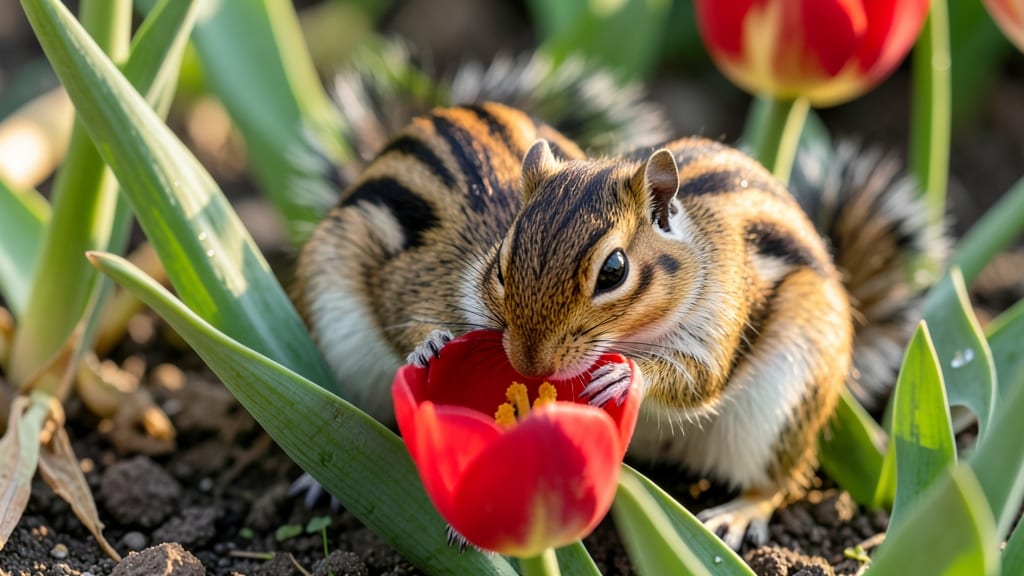
Chipmunks eating your flowers isn’t just annoying—it’s heartbreaking when you’ve spent weeks nurturing those delicate blooms. 🌸 I’ve watched them dig up tulip bulbs and strip petals like tiny, furry thieves, leaving my garden looking like a crime scene. The good news? You don’t need harsh chemicals to outsmart them.
These striped bandits are drawn to seeds, bulbs, and fresh petals, but they hate certain scents and textures. A mix of peppermint oil, castor oil, and even crushed red pepper creates a natural repellent that works without harming pollinators.
Physical barriers like hardware cloth around beds or mulch rings around bulbs also block their digging.
With the right approach, you’ll see fewer chipmunk tracks and more blooms by next season. The key is consistency—reapply deterrents after rain and fill in new holes immediately. Your garden can stay lush and your local wildlife can thrive with these humane tricks.
Even the most stubborn chipmunk problems have solutions—just don’t give up after one try. I’ve gone from losing half my garden to enjoying full, vibrant blooms by combining these methods. Let’s get your flowers back where they belong!
📚 In This Guide
- What you need
- Instructions
- Tips and common mistakes
- Wrapping up and next steps
What you need
- ● Fresh flowers (edible or non-toxic): Marigolds (5–10 plants) – Strong scent deters chipmunks
- ● Daffodils (3–5 bulbs) – Toxic to chipmunks; plant in clusters
- ● Snapdragons (10–15 plants) – Bright colors and mild scent confuse them
- ● Natural repellents: Cayenne pepper (1–2 tbsp) – Mix with water for a spray
- ● Garlic (3–4 cloves, crushed) – Strong odor they dislike
- ○ Predator urine (1–2 oz, optional) – Fox or coyote urine (pet stores sell it!)
- ● Tools: Spray bottle (16 oz) – For DIY repellent mixes
- ● Gloves (1 pair) – For handling spicy or smelly ingredients
- ● Garden twine or mesh netting – To protect vulnerable plants
- ● Motion-activated sprinkler (1 unit) – Startles chipmunks without harm
- ● Decoy predators (plastic owls or snakes, 2–3 units) – Move them weekly to stay effective
- ● Compost bin with secure lid – Chipmunks love digging; keep food scraps locked up!
- ● Citrus peels (lemon/orange) – Scatter around garden edges for a zesty deterrent
How to deter chipmunks from devouring your garden blooms
Here's the natural approach I've used to keep my flower beds chipmunk-free for years.
🌱 Step 1: Identify Chipmunk Hotspots and Entry Points
First, spot where these striped bandits are doing damage. Look for freshly dug soil around your plants—chipmunks create shallow tunnels and holes while foraging. I notice they particularly target petunias, pansies, and tulips, so I mark those areas with small flags. Check for burrows too; these are often near fences, woodpiles, or dense shrubbery where chipmunks feel protected.
Chipmunks are most active at dawn and dusk, so do your scouting then. Bring a notebook to sketch their paths and note which flowers they're hitting hardest. This helps you prioritize protection for your most vulnerable plants. I've found that chipmunks rarely venture more than 15 feet from their burrows, so focus your efforts within that radius.
💧 Step 2: Remove Attractants and Secure Food Sources
Chipmunks eat flowers but they're primarily after seeds, bulbs, and other easy snacks. Remove fallen petals, spent blooms, and seed heads from your garden beds immediately—these become buffet stations. I also clear away any birdseed that might spill from feeders, as chipmunks will raid those too. Store compost piles and mulch away from flower beds, as these can attract them as well.
For bulbs like tulips and daffodils, consider planting them deeper than recommended—chipmunks have trouble digging down more than 6 inches. I've had success with daffodils planted at 8 inches deep; the bulbs are just out of reach. If you have fruit trees or berry bushes, harvest fallen fruit promptly and clean up any spills around the base of plants.
☀️ Step 3: Use Natural Deterrents Strategically
Chipmunks dislike strong scents, so I sprinkle cayenne pepper or red pepper flakes around vulnerable plants. The capsaicin irritates their noses and keeps them away. I also place predator urine (available at garden centers) around the garden perimeter—fox or coyote urine works best. Reapply every few weeks or after rain, as the scent washes away. For a more permanent solution, plant daffodils, alliums, or marigolds—their strong fragrance repels chipmunks naturally.
Motion-activated sprinklers are another effective tool. I place them near high-traffic areas where chipmunks dig. The sudden burst of water startles them without harming them or your plants. For a DIY option, try reflective objects like old CDs or aluminum pie pans hung from strings—they create flashes of light that confuse chipmunks. Move these every few days so the chipmunks don't get used to the pattern.
✂️ Step 4: Create Physical Barriers for Vulnerable Plants
For young seedlings or newly planted bulbs, use chicken wire mesh or hardware cloth with ½-inch holes buried a few inches deep around the plant. Chipmunks can't dig through this, but it won't block sunlight or water. I bend the wire upward slightly to create a small fence that deters tunneling. For established flower beds, try landscape fabric laid over the soil and secured with rocks—this prevents digging while still allowing rain to penetrate.
If chipmunks are targeting specific plants like tulips, cover them with wire cages before planting. These are simple to assemble with ¼-inch mesh and remove once the flowers emerge. I've also had success with plastic plant protectors (the cone-shaped ones) placed over individual stems. The key is to secure barriers tightly—chipmunks are clever and will find gaps if they can.
⏰ Step 5: Monitor and Adjust Your Strategy
Check your garden daily for new damage, especially after rain or when you've added deterrents. Chipmunks are persistent, so what works one season might fail the next. If you notice them adapting—like digging deeper or avoiding certain scents—switch up your approach. I rotate between cayenne pepper and predator urine seasonally to keep them guessing. Keep a log of what's working and what isn't; this helps you refine your strategy over time.
In late summer, prepare for next year by sealing any new burrows you find. Fill them with gravel or coarse sand—chipmunks won't dig through these materials. If you have a serious infestation, consider habitat modification: remove brush piles, clear leaf litter, and trim dense ground covers where chipmunks nest. A tidy garden is less inviting to them. With consistent effort, you'll see a noticeable reduction in flower damage within a few weeks.
Tips & tricks for protecting flowers from chipmunks
Here's what I've learned after years of battling these clever garden pests—simple adjustments that make all the difference.
Timing is Everything: Chipmunks are creatures of habit, so focus your protection efforts during their peak activity windows—dawn and dusk. I've found that applying cayenne pepper or predator urine right before sunset provides maximum deterrence overnight. The scent lingers through the night when chipmunks are most active foraging, giving you better coverage when they're most vulnerable. For reflective objects like CDs, reposition them at dusk to catch the setting sun's last rays.
Layer Your Defense Strategy: Chipmunks are persistent, so combine multiple deterrents for best results. I start with physical barriers like chicken wire around high-value plants, then add cayenne pepper on top, and finally place a motion-activated sprinkler nearby. This layered approach creates confusion—they can't easily bypass one defense to reach your flowers. For example, if they try to dig through the wire, the pepper deters them, and the sprinkler startles them if they get too close.
Plant Smart for Long-Term Protection: Strategic planting can reduce chipmunk damage year after year. Daffodils and alliums are my go-to companion plants—their strong scent naturally repels chipmunks while adding beauty to your garden. I also plant tulips and daffodils deeper than recommended (8 inches instead of 6), making them harder for chipmunks to dig up. For annuals like petunias, interplant them with marigolds—they create a scent barrier that chipmunks avoid.
Seasonal Rotation Keeps Them Guessing: Chipmunks adapt quickly, so I rotate my deterrents seasonally. Spring and summer are perfect for cayenne pepper, while fall works better with predator urine. Every 4-6 weeks, I switch up my approach—this prevents them from getting used to one particular deterrent. I also move reflective objects every few days to maintain their effectiveness. This rotation strategy forces chipmunks to constantly reassess their foraging patterns, giving your plants better protection over time.
Pro Tips for Do Chipmunks Eat Flowers
- Here's what I've learned after years of battling these clever garden pests—simple adjustments that make all the difference.
- Timing is Everything: Chipmunks are creatures of habit, so focus your protection efforts during their peak activity windows—dawn and dusk.
- Layer Your Defense Strategy: Chipmunks are persistent, so combine multiple deterrents for best results.
Frequently asked questions
Got questions about chipmunks munching on your blooms? You’re not alone! Here are some of the most common concerns—and how to handle them—when it comes to these tiny but determined garden guests.
Do chipmunks eat all types of flowers?
Chipmunks have a sweet tooth and will nibble on many flowers, but they’re especially fond of daisies, tulips, roses, and marigolds. They’re also drawn to bulbs (like tulips and crocuses) and soft petals. If you notice chewed leaves or missing buds, it’s likely your furry friends are the culprits!
When are chipmunks most likely to eat flowers in my garden?
These critters are crepuscular (active at dawn and dusk) and nocturnal, so they’re most active when you’re not around. They’ll raid gardens early morning or late evening, especially when food is scarce. If you’ve noticed damage, check for tiny footprints or droppings near your plants!
What’s the best natural way to keep chipmunks off my flowers?
Skip the harsh chemicals! Try these humane deterrents:
- Spicy sprays: Mix cayenne pepper + water in a spray bottle and lightly coat plants (reapply after rain).
- Physical barriers: Use chicken wire or mesh around bulbs or young plants.
- Distractions: Plant a separate "chipmunk buffet" (like sunflower seeds) far from your flowers.
- Motion-activated sprinklers: Startles them without harm.
Consistency is key—chipmunks are smart and will return if they find easy access!
Can I plant chipmunk-proof flowers to avoid this issue?
While no flower is 100% chipmunk-proof, some are less appealing due to strong scents, textures, or toxicity. Try:
- Lavender (fragrant, disliked by many pests)
- Snapdragons (tough leaves, less palatable)
- Foxgloves (mildly toxic to small animals)
- Alliums (ornamental onions) (strong smell deters diggers)
Pair these with repellent plants like mint or garlic near vulnerable areas for extra protection!
What should I do if chipmunks are digging up my flower bulbs?
Digging is a big red flag—chipmunks store food for winter, and bulbs are a prime target! Act fast:
- Cover bulbs with hardware cloth (not wire mesh—it’s too easy to chew).
- Plant bulbs deeper than 6 inches (harder for them to dig).
- Scatter gravel or pine cones around the area to deter digging.
- Check for entry tunnels and fill them with sand or rocks.
If you’re late to the game, replant bulbs in fall with extra protection!
Wrapping up and next steps
So, do chipmunks eat flowers? While they may nibble on petals or bulbs, these tiny garden bandits are more likely after seeds, roots, and tender shoots. 🌸 The good news?
With a little creativity—like planting chipmunk-resistant blooms or using natural deterrents—you can keep your garden thriving and your furry neighbors happy. Remember, a balanced ecosystem means sharing the space peacefully!
Ready to take action? Start small: Try a few of the tips from this guide, observe what works in your yard, and adjust as needed. Your garden—and your chipmunk friends—will thank you! 🌱