
Pruning
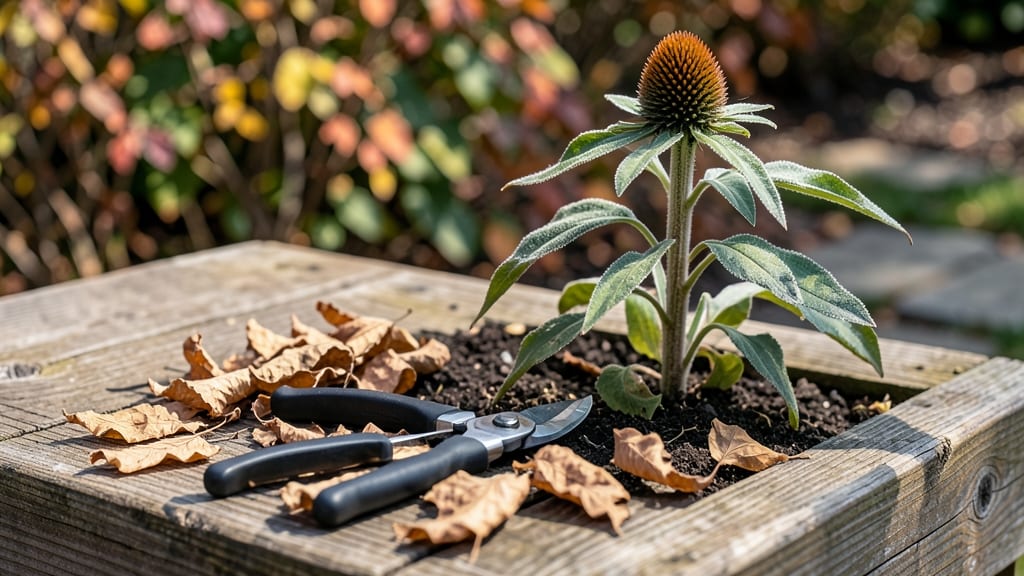
Cutting back coneflowers in the fall isn’t just about tidying up—it’s about giving your plants the best shot at surviving winter. 🌿 I’ve learned the hard way that leaving them too tall or cutting too early can invite rot, pests, or weak regrowth.
The right timing keeps your echinacea healthy and ready to burst back into those iconic purple blooms next spring.
The best time to prune is after the first hard frost, once the foliage turns brown and crispy. This usually falls between late October and November in most zones, but wait until temperatures dip below 30°F for a few nights.
If you cut too soon, you risk encouraging new growth that won’t harden off before winter. If you wait too long, soggy stems can rot in the snow.
When you do it right, you’ll see stronger stems, fewer diseases, and plants that bounce back faster in spring. The key is cutting back to 4-6 inches tall, removing any dead or diseased stems first.
This height gives roots protection while allowing sunlight to reach the base—exactly what coneflowers need to thrive.
Pro tip: Leave the seed heads if you want to feed birds over winter, but remove them if you’re pruning for tidiness. Either way, this one simple step saves you from struggling with weak plants next year. Ready to give it a try?
📚 In This Guide
- What you need
- Instructions
- Tips and common mistakes
- Wrapping up and next steps
What you need
- ● Pruning shears or loppers: Sharp, clean tools to avoid tearing stems. Opt for bypass pruners for precision cutting (a 10-inch lopper is ideal for taller coneflowers).
- ● Gloves: Heavy-duty gardening gloves (e.g., mechanics’ gloves or rose-pruning gloves) to protect against thorns and debris.
- ○ Disinfectant (optional but recommended): A 10% bleach solution (1 part bleach to 9 parts water) or rubbing alcohol to sterilize tools between cuts and prevent disease spread.
- ○ Garden twine or plant ties (optional): If your coneflowers are top-heavy or leggy, tie stems to stakes for easier cutting.
- ● Trash bags or compost bin: A 13-gallon contractor bag for disposing of cut foliage (avoid composting diseased plants).
- ● Timing: Wait until after the first hard frost (when foliage turns brown and dies back naturally) but before winter snow cover for best results.
- ● Weather: Choose a dry, calm day to avoid muddy conditions or spreading fungal spores.
- ● Health check: Inspect plants for pests (e.g., Japanese beetles) or diseases (e.g., powdery mildew) before pruning.
Step-by-step guide for pruning coneflowers in fall
Here's the method I've used for years to keep coneflowers thriving through winter.
✂️ Step 1: Wait Until After First Frost
Hold off on cutting until after your area's first hard frost—typically late October to November depending on your zone. The frost weakens the plant's energy reserves, making it easier to remove dead foliage without stressing the roots. You'll know it's time when the leaves turn brown and crispy, though some may stay green longer.
Don't rush this step. Cutting too early leaves the plant vulnerable to late-season pests or fungal diseases that thrive in damp, standing foliage. I always check the weather forecast first—if another frost is expected within a week, it's safe to proceed.
🌿 Step 2: Cut Back to 4-6 Inches Above Ground
Use clean, sharp pruners to trim the stems back to about 4-6 inches above the soil line. This height gives the plant enough protection over winter while still allowing sunlight to reach new growth in spring. I find that shorter cuts work better in colder climates, while slightly taller cuts suit milder winters.
Remove all the dead foliage and seed heads together—they can harbor pests and diseases that might overwinter. If you're concerned about spreading seeds (which can become invasive), you can bag the debris or compost it separately. Never leave cuttings piled near the plant.
⏰ Step 3: Clean Up Debris Immediately
After cutting, gather all the plant debris and remove it from the garden area. This prevents pests and diseases from overwintering in the garden. I like to compost the healthy-looking stems, but I always burn or trash any stems that show signs of disease or pest damage.
Take a moment to inspect the base of the plant for any remaining dead stems or signs of disease. If you spot any, remove them immediately. This is also a good time to check for any weeds growing around your coneflowers and pull them out while you're at it.
💧 Step 4: Mulch for Winter Protection
Spread a 2-3 inch layer of mulch around the base of your coneflowers, keeping it a few inches away from the stems. This protects the roots from extreme temperature fluctuations and retains moisture in the soil. I prefer using shredded leaves or straw because they break down slowly and won't compact.
Be careful not to mound the mulch directly against the stems—this can cause rot. Instead, create a donut shape around the plant. This simple step makes a huge difference in helping your coneflowers survive harsh winters and come back strong in spring.
Tips & tricks for pruning coneflowers in fall
Here's what nobody tells you—these little details make all the difference between coneflowers that survive winter and ones that struggle.
Timing is Everything: The first frost isn't just a suggestion—it's the critical signal your coneflowers have entered their winter dormancy. If you cut too early, you're essentially removing the plant's protective layer while it's still trying to store energy for spring. I've learned this the hard way after watching plants weaken when pruned before frost. Wait until those leaves are crispy and brown all the way to the stem, even if some stubborn green remains.
Cutting Height Matters: That 4-6 inch guideline isn't arbitrary—it's a balance between protection and sunlight access. In my zone 5 garden, I always cut to the shorter end (4 inches) because our winters are harsh. But after moving to a milder climate, I switched to 5-6 inches. The key is to expose the crown while leaving enough foliage to shield the crown from freezing winds. Too short, and you risk damaging the crown; too tall, and you leave too much foliage that can harbor pests.
Debris Removal Strategy: This step often gets overlooked, but it's crucial for preventing next year's problems. I've seen fungal diseases spread dramatically from leaving old stems near the base. When removing debris, I always do a final sweep of the area with a rake to catch any stray stems or weeds. For plants showing any signs of disease, I double-bag the debris and throw it in the trash—never compost it. A clean garden bed is your first line of defense against winter pests.
Mulching Like a Pro: That 2-3 inch mulch layer isn't just about insulation—it's about creating the right microclimate. I've found straw works better than wood chips because it breaks down more slowly and doesn't compact. The donut shape around the stems prevents rot while still protecting the roots. Pro tip: If you're in an area with heavy snowfall, add an extra inch of mulch—snow acts as additional insulation, and you want to match that protection.
Pro Tips for Do You Cut Back Coneflowers In The Fall
- Here's what nobody tells you—these little details make all the difference between coneflowers that survive winter and ones that struggle.
- Timing is Everything: The first frost isn't just a suggestion—it's the critical signal your coneflowers have entered their winter dormancy.
- Cutting Height Matters: That 4-6 inch guideline isn't arbitrary—it's a balance between protection and sunlight access.
Frequently asked questions
Got questions about cutting back coneflowers?
You’re not alone—many gardeners wonder about the best timing, tools, and what to do if things go wrong. Here are answers to the most common queries to help you master fall pruning like a pro!
When is the exact best time to cut back coneflowers in the fall?
Wait until after the first hard frost (when foliage turns brown) but before winter rains or snow. This timing—typically late fall to early winter—lets the plant store energy in its roots while reducing disease risk. Avoid cutting too early, or you’ll miss the natural protection dead foliage provides.
What if I miss the fall deadline? Can I cut them back in spring instead?
Yes! Spring pruning (late winter/early spring) works, but you’ll lose the winter interest of dried seed heads. Cut back to 4–6 inches above the ground, removing any dead or diseased stems first. Just avoid pruning too early—wait until new growth appears to signal the plant’s readiness.
Should I cut coneflowers all the way to the ground, or leave some stems?
Leave 4–6 inches of stems—this protects the crown from cold and pests while allowing new growth to emerge in spring. Cutting too short can expose the plant to rot or temperature fluctuations. Think of it like a cozy blanket for your coneflowers!
Will cutting back coneflowers attract pests or diseases?
Not if you do it correctly! Clean, sharp tools and proper timing minimize risks. Remove all debris after pruning to deter slugs, snails, or fungal spores. If you notice black spots or mushy stems, prune those areas immediately and avoid watering overhead.
Can I skip fall pruning entirely and still have healthy coneflowers?
Coneflowers are tough and can thrive with no fall pruning, though you’ll lose the neat, tidy look. Leave the dried blooms for winter interest or cut them back in late winter. Just remove any dead or diseased stems year-round to keep the plant happy.
Pro Tip:
Mark your calendar for November–December (or after your first frost) to prune coneflowers. If you’re unsure about timing, err on the side of waiting—better late than too early!
Wrapping up and next steps
So, should you cut back coneflowers in the fall? The answer is yes—but with care! 🌿 The key is timing: wait until after the first hard frost (or late fall) to trim back dead foliage, leaving 2–3 inches of stems for winter protection.
This simple step keeps your plants healthy, deters pests, and sets the stage for vibrant blooms next spring. With this knowledge, you’re ready to give your coneflowers the perfect winter prep!
Next step: Grab your pruners, mark your calendar for post-frost timing, and enjoy watching your garden thrive! 🌸