
Flowers
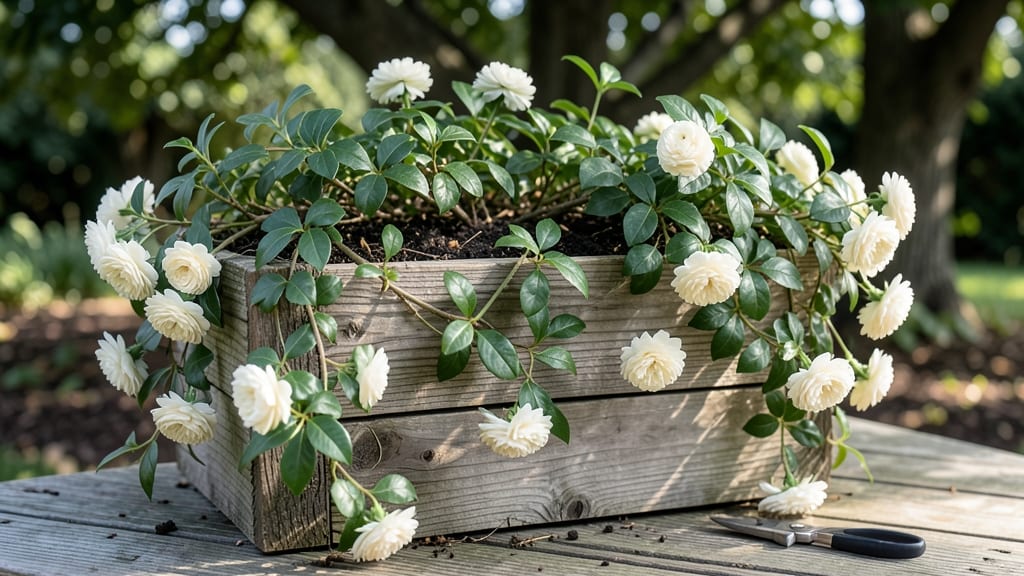
Double jasmine flowers with their lush, layered blooms and intoxicating scent are the crown jewels of any garden. 🌿 I’ve grown them for years, and here’s how to coax those fragrant clusters to thrive—even if you’ve struggled before.
The secret lies in mimicking their natural tropical habitat with just a few key adjustments.
These double varieties need bright, indirect light for 6-8 hours daily, well-draining soil that’s slightly acidic, and consistent moisture without soggy roots. Prune after blooming to encourage bushier growth, and watch as they reward you with continuous fragrance from spring through fall—and sometimes even winter in mild climates.
You’ll end up with vines heavy with velvety petals that perfume the air at dusk, drawing in bees and hummingbirds. The blooms last longer when deadheaded regularly, and the scent intensifies in the evening, making your garden a serene retreat. Let’s get those vines climbing!
Works beautifully on trellises, arbors, or as a ground cover in warmer zones. Even beginners can master this with the right approach—here’s how to avoid the pitfalls I’ve seen too often.
📚 In This Guide
- What you need
- Instructions
- Tips and common mistakes
- Wrapping up and next steps
What you need
- ● Double jasmine plant (Jasminum officinale or Jasminum polyanthum): 1-2 healthy nursery-grown plants (ensure they’re disease-free and well-rooted)
- ● OR 3-5 cuttings (4-6 inches long) from an established jasmine plant
- ● Potting soil: 1 bag (5-10 gallons) of well-draining, organic potting mix (avoid garden soil—it compacts too easily)
- ○ Optional: Mix in perlite or sand (1 part perlite to 4 parts soil) for extra aeration
- ● Containers: 1-2 10-12 inch pots with drainage holes (terracotta or fabric pots work best)
- ● OR a raised garden bed (if planting outdoors)
- ● Fertilizer: Balanced liquid fertilizer (10-10-10 or 20-20-20, diluted to half-strength)
- ○ Slow-release granular fertilizer (optional, for long-term growth)
- ● Tools: Pruning shears (for trimming and shaping)
- ● Gloves (to protect your hands from thorns)
- ● Watering can or hose with a gentle spray nozzle
- ● Trellis or flower support structure (jasmine loves to climb!)
- ● Mulch (to retain moisture and regulate soil temperature)
- ● Grow lights (if growing indoors without natural sunlight)
- ● Humidity tray (to boost moisture levels for faster growth)
- ● Epsom salt (1 tbsp/month for magnesium boost)
How to grow double jasmine flowers for continuous blooms
Here's the straightforward method I've used to keep my double jasmine thriving indoors and outdoors.
🌱 Step 1: Select and Prepare the Right Growing Conditions
Double jasmine (Jasminum officinale or Jasminum polyanthum) thrives in bright, indirect light—think east or west-facing windows, or under grow lights for 6-8 hours daily. Avoid harsh midday sun, which can scorch delicate leaves. I position mine near a sheer curtain to diffuse light while maintaining intensity.
For outdoor planting, choose a spot with morning sun and afternoon shade, especially in hotter climates. The ideal temperature range is 60-75°F—jasmine will bolt or drop blooms if stressed by heat above 85°F or cold below 50°F. If growing in containers, use 5-7 gallon pots with drainage holes to prevent root rot.
Here's the thing—double jasmine is a semi-evergreen climber, so it needs support. Install a trellis, arbor, or sturdy fence at least 6 feet tall before planting. The vines grow aggressively (up to 15 feet per season), and without support, they'll sprawl unattractively. I use a powder-coated metal trellis because it lasts decades and won't rust when wet.
☀️ Step 2: Plant and Establish for Maximum Blooms
Plant your double jasmine in well-draining, slightly acidic soil (pH 6.0-6.5). A mix of 50% potting soil, 30% perlite, and 20% compost works perfectly. If planting outdoors, amend native soil with 2-3 inches of compost and a handful of slow-release fertilizer at the base. Double jasmine roots are shallow but extensive, so mulch with 2-3 inches of organic mulch (like shredded bark) to retain moisture and regulate soil temperature.
When planting, bury the root ball no deeper than it was in the nursery pot—jasmine is sensitive to root crown damage. Space multiple plants 3-4 feet apart to allow airflow, which prevents fungal diseases like powdery mildew. I water deeply right after planting to settle the soil around roots, then let it dry slightly before the next watering.
This is the moment that matters: prune back one-third of the new growth immediately after planting. It sounds counterintuitive, but this encourages bushier growth and more flowering nodes. Use clean, sharp pruners and cut just above a leaf node at a 45-degree angle to promote healing. Avoid cutting into old wood—jasmine blooms on new growth, so you want to stimulate fresh shoots.
💧 Step 3: Maintain Year-Round Blooms with Minimal Effort
Water your double jasmine deeply once a week during the growing season (spring-fall), allowing the top 2 inches of soil to dry out between waterings. Overwatering is the #1 killer—jasmine roots rot quickly in soggy soil. In winter, reduce watering to every 10-14 days unless growing indoors with supplemental heat. You'll know it's time to water when the leaves start to slightly droop in the morning.
Feed your jasmine monthly during bloom season (April-October) with a balanced, water-soluble fertilizer (10-10-10 or 20-20-20). I dilute it to half-strength to avoid salt buildup, which can burn roots. Stop fertilizing in late summer to encourage hardening off before winter. Real talk: If you forget to fertilize, the plant will still bloom—just not as prolifically.
Prune twice a year to keep your double jasmine lush and flowering. In late winter (before new growth starts), cut back dead or crossing branches to improve airflow. Then, in early summer (after the first flush of blooms), trim back one-third of the oldest growth to encourage new flowering shoots. Always prune just above a leaf node, and never cut into bare wood—jasmine won't regrow from old wood.
Tips & tricks for perfect double jasmine flower growth
These simple yet game-changing insights will help you transform your double jasmine into a fragrant, blooming powerhouse year after year.
Lighting Strategy: For indoor growers, rotate your plant every 2-3 weeks to ensure even light exposure. Double jasmine vines grow toward the light source, so consistent rotation prevents lopsided growth. If using grow lights, position them 12-18 inches above the plant and adjust height as it grows to maintain the 6-8 hours of daily light exposure specified in Step 1. The key is mimicking natural seasonal light variations—gradually increase light duration in winter if indoors.
Temperature Tolerance: The 60-75°F sweet spot is non-negotiable for continuous blooming, but here's what I've learned about pushing boundaries: If you must grow in hotter climates (up to 85°F), provide afternoon shade and increase watering frequency to every 5-6 days during peak heat. For cooler climates below 50°F, move plants to protected locations or use frost cloths—jasmine can survive brief dips but will drop buds if consistently chilled. I've kept mine blooming in 55°F zones by using heat lamps during winter nights.
Support System: Don't wait until your jasmine is established to install support—do it at planting time as instructed in Step 1. The 6-foot minimum height is crucial because these vines grow aggressively. I've seen gardeners struggle with flimsy bamboo trellises that snap under the weight of heavy blooms. For outdoor plants, use powder-coated metal trellises or heavy-duty wire cages—they last for years and won't corrode. Pro tip: Train the main vine along the trellis using soft garden twine to guide growth in a spiral pattern, which creates a more decorative display.
Pruning Precision: When you prune back one-third of new growth immediately after planting (Step 2), make your cuts just above a leaf node where you see a small bump—this is where new shoots will emerge. The 45-degree angle isn't just for aesthetics; it increases surface area for faster healing. I've found that using sterilized pruning shears (dipped in rubbing alcohol) prevents bacterial infections that can stunt growth. For established plants, always prune in the morning when the plant is fully hydrated—this gives you a better view of the growth patterns and reduces stress on the plant.
Pro Tips for Double Jasmine Flower
- These simple yet game-changing insights will help you transform your double jasmine into a fragrant, blooming powerhouse year after year.
- Lighting Strategy: For indoor growers, rotate your plant every 2-3 weeks to ensure even light exposure.
- For cooler climates below 50°F, move plants to protected locations or use frost cloths—jasmine can survive brief dips but will drop buds if consistently chilled.
Frequently asked questions
Got questions about nurturing your double jasmine flower? You’re not alone! Here are answers to common queries to help you grow a fragrant, thriving plant with ease.
How long does it take for a double jasmine flower to bloom?
A healthy double jasmine plant typically blooms within 12–18 months from seed, but faster if grown from cuttings (6–12 months). Patience pays off—once established, it rewards you with year-round fragrance if pruned correctly. For best results, provide full sun (6+ hours/day) and well-draining soil.
Can double jasmine survive winter outdoors?
Double jasmine is tender and needs protection in cold climates (below 20°F/-7°C). In zones 9–11, it thrives outdoors year-round. For colder areas, grow it in containers and move it indoors before frost or mulch heavily. A greenhouse or sunny indoor spot (like a conservatory) works too!
Why aren’t my double jasmine flowers opening?
Bud drop or closed blooms often signal stress. Check these fixes:
- Light: Ensure 6+ hours of sunlight daily (south-facing windows or grow lights help indoors).
- Water: Overwatering suffocates roots—water when the top inch of soil is dry.
- Pruning: Trim leggy stems in spring to encourage bushier growth and more blooms.
- Fertilizer: Use a balanced 10-10-10 feed every 4–6 weeks during growing season.
If buds form but don’t open, it might need a cool night (50–60°F/10–15°C) to trigger blooming.
Are there dwarf varieties of double jasmine for small spaces?
Yes! If space is limited, try:
- Jasminum officinale ‘Aurea’ (compact, golden foliage, 3–5 ft tall).
- Jasminum polyanthum (bushy, 6–8 ft, but prunable to 3 ft).
- Potted varieties like ‘Hebei’ (trailing, great for hanging baskets).
Dwarf jasmines still need support (trellis or cage) to climb and thrive.
Do double jasmine flowers attract bees or pests?
Double jasmine’s fragrant blooms attract beneficial pollinators like bees and butterflies—great for gardens! However, watch for:
- Aphids (tiny green/black bugs on new growth). Treat with neem oil or a strong water spray.
- Spider mites (in dry conditions). Increase humidity or use insecticidal soap.
- Whiteflies (check undersides of leaves). Yellow sticky traps help.
Healthy plants resist pests—focus on proper watering and airflow!
Wrapping up and next steps
The double jasmine flower isn’t just a beauty—it’s a year-round gift of fragrance and elegance that you can cultivate with ease! By following these three simple steps, you’ll unlock a lush, aromatic garden that thrives in any season.
Whether you’re a beginner or a seasoned gardener, the key is patience, consistency, and a little love for nature’s sweetest blooms.
Ready to breathe in that intoxicating jasmine scent?
Start by planting your first cutting today—or share this guide with a fellow plant lover to spread the joy! 🌸 With the right care, your double jasmine will reward you with velvety petals and a fragrance that turns any space into a serene sanctuary.