
Flowers
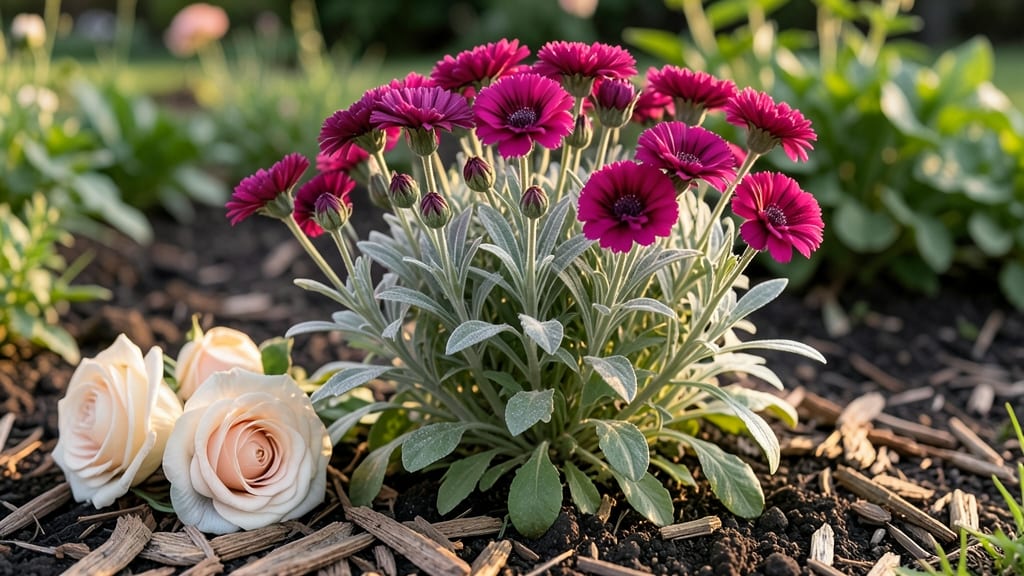
Year-round color without the upkeep—my flower beds stay vibrant from spring through winter using fake flowers, and I’ll show you exactly how to pull it off. The trick isn’t hiding the artificial look; it’s blending them so seamlessly that neighbors ask, "Are those real?"—then admiring your effortless garden.
I’ve learned that the right placement, texture mix, and a few real plants as anchors make all the difference, even in brutal winters or scorching summers.
You’ll need durable, weather-resistant flowers (look for UV protection and waterproofing labels), a few real plants for texture contrast, and basic gardening tools—no fancy skills required.
My go-to setup uses a mix of full-bloom roses, delicate baby’s breath, and lush ferns, all tucked into the bed like I’m staging a photoshoot. The best part? No deadheading, no wilting, and no replanting every season. Just pop them in, adjust as needed, and enjoy the results for years.
What you end up with is a garden that looks like it’s thriving in every season—no matter the weather. The fake flowers stay lush and bright, while the real plants add movement and fragrance.
My front bed, for example, stays colorful even when my real perennials are dormant, and the combination of textures makes it look intentional, not tacky. You’ll get that "wow" factor without the work.
This works for any size bed, from small urban patches to large backyard landscapes. Whether you’re dealing with harsh winters, scorching summers, or just want to cut back on maintenance, fake flowers let you design a garden that stays perfect all year.
Let’s make yours the envy of the neighborhood—without the upkeep.
📚 In This Guide
- What you need
- Instructions
- Tips and common mistakes
- Wrapping up and next steps
What you need
- ● Fake flowers: Choose weather-resistant silk or plastic flowers (e.g., blank">EcoFlowers or blank">Floralife brands). Quantity: 1.5–2 times the volume of your real flower bed (e.g., 30–40 stems for a 3’x3’ bed). Mix colors/textures for a natural look (e.g., 60% tall blooms + 40% filler flowers).
- ● Flower bed base: Artificial turf (e.g., blank">TurfTec or blank">Artificial Grass Warehouse; ½"–1" nap for realism). OR gravel/sand (for a minimalist look; 1–2" deep layer).
- ● Stabilization: Landscape fabric (to prevent weeds; 3’x5’ roll for small beds). Stakes or wire mesh (to secure flowers; 6–12" stakes or 12"x12" mesh panels).
- ○ Tools: Pruning shears (for trimming stems). Garden trowel (for planting). Measuring tape + stakes (to mark flower placement). Spray adhesive (optional for extra hold; e.g., blank">3M Super 77).
- ● Realistic touches: Fake leaves/moss (to blend stems). UV-protectant spray (for longevity; e.g., blank">Scotchgard).
- ● Lighting: Solar-powered LED path lights (for evening ambiance).
- ● Seasonal swaps: Removable flower pots (to rotate seasonal looks).
Step-by-Step guide to installing fake flowers in flower beds
Here's how to create a stunning, no-fuss garden that stays vibrant all year long.
Plan Your Design and Measure the Space
Start by sketching a rough layout of your flower bed on paper. This helps visualize how the fake flowers will look when fully installed. Measure the length and width of each section where you plan to place flowers, noting any curves or irregular shapes. I like to use a tape measure and mark measurements directly on the ground with spray paint for accuracy—this prevents miscalculations later.
Consider the height and color variations you want. Taller flowers should go toward the back, while shorter ones fill the front. Group similar colors together for a cohesive look. Take photos of your reference plants or garden vision to guide your color palette. This step is where creativity meets practicality—don't rush it, as a well-planned design saves time and effort during installation.
Prepare the Flower Bed
Clear the bed of any existing plants, weeds, or debris using gloves and a garden fork. I find that pulling weeds by hand first makes the job easier—just be patient, as stubborn roots can linger. Once the area is clear, rake the soil smooth to create an even surface. This is critical because fake flowers won't grow or adjust like real ones, so any bumps or uneven spots will show.
If your bed has rocks or mulch, remove them temporarily and set them aside. You'll reuse them later to secure the fake flowers in place. For larger flower beds, consider laying down landscape fabric first to suppress future weeds. This extra step pays off in the long run, especially if you're installing the fake flowers permanently.
Arrange and Secure the Fake Flowers
Begin by placing the stems of your fake flowers directly into the soil, just like you would with real plants. Push them in firmly but gently—you don't want to bend the stems or damage the petals. Start with the tallest flowers at the back and work your way forward. I like to space them about 6-12 inches apart, depending on the size of the flowers and the look you're going for. Closer spacing creates a fuller, denser appearance.
Once all the flowers are in place, adjust their positions until you're satisfied with the arrangement. Step back frequently to check the overall effect—sometimes a flower looks perfect up close but clashes with the rest of the bed from a distance. To keep them in place, use small garden stakes or rocks to weigh down the stems. For a more natural look, tuck the stems into the soil and cover them lightly with mulch or pebbles.
Add Finishing Touches for a Natural Look
Now it's time to blend the fake flowers into the bed seamlessly. Sprinkle mulch, pebbles, or small stones around the base of the flowers to mimic the look of a well-maintained garden. Choose a mulch color that complements your flowers—neutral tones like brown or gray work well for most designs. I often use 2-3 inches of mulch to cover the soil completely, which also helps suppress weeds.
Add a few real elements to enhance the natural feel, like small branches, pinecones, or even a few real grass clippings. These details make the arrangement feel organic and intentional. Finally, give the bed a light mist with water to settle the mulch and remove any dust from the fake flowers. This step is all about making the garden look lived-in and cared for, even though it requires zero upkeep.
Tips & tricks for perfect fake flower arrangements
Creating a realistic-looking flower bed with fake flowers is all about attention to detail—here's how to make it look stunning without the upkeep.
Design First: Take your time with Step 1's sketch and measurements. I've found that using graph paper helps scale your design accurately before heading outside. Mark key reference points like pathways or garden edges on your sketch to ensure proper placement. This prevents the common mistake of flowers looking cramped or uneven once installed.
Prep Like a Pro: In Step 2, when removing rocks or mulch, set them aside in labeled piles. I use small buckets or trays to organize different sizes—this makes it easy to redistribute them later for securing stems. Also, consider wearing old clothes or a gardening apron, as soil and mulch can be messy to clean off later.
Natural Placement Tricks: For Step 3's spacing, think about how real flowers grow—some naturally cluster while others spread. I like to leave a few empty spots between groups to mimic natural gaps. When adjusting positions, use a small hand mirror to check the back view of your arrangement from different angles—this catches mistakes you'd miss otherwise.
Finishing Touches Matter: In Step 4, don't overlook the power of texture. Mixing different mulch types—like smooth river rocks with chunky bark—adds depth to your design. For a quick water misting, I use a spray bottle with a fine mist setting to avoid disturbing the flowers. This final step is what transforms a good arrangement into a showstopper.
Pro Tips for Fake Flowers In Flower Bed
- Creating a realistic-looking flower bed with fake flowers is all about attention to detail—here's how to make it look stunning without the upkeep.
- Design First: Take your time with Step 1's sketch and measurements.
- Prep Like a Pro: In Step 2, when removing rocks or mulch, set them aside in labeled piles.
Frequently asked questions
How do I keep fake flowers looking fresh in a flower bed?
Regularly brush off dirt and debris with a soft-bristle brush or damp cloth. For silk flowers, use a gentle spray of water or a fabric-safe cleaner. UV-resistant coatings help prevent fading, but avoid direct sunlight for delicate petals. Every 3–6 months, re-position them to maintain a natural look.
How long do fake flowers last in outdoor conditions?
High-quality fake flowers last 2–5 years outdoors, depending on material (silk, polyester, or plastic) and weather exposure. Silk flowers degrade faster in harsh sun/rain, while weatherproof options (like UV-treated polyester) hold up better. Store extras in a dry, shaded spot when not in use.
Are fake flowers worth the cost for a flower bed?
Yes! While the upfront cost is higher, they save time, water, and money on replacements. Think of it as an investment: no deadheading, fertilizing, or seasonal swaps. For large beds, consider mixed real/fake—place fake flowers in high-traffic areas or where real blooms struggle (e.g., shady spots).
Can I mix fake flowers with real plants?
Use fake flowers as focal points (e.g., centerpieces) or to fill gaps where real plants are sparse. Avoid placing them too close to thirsty plants—they can dry out roots. Opt for lightweight stems to prevent damage when weeding or pruning nearby greenery.
What’s the best way to secure fake flowers in a flower bed?
Use floral pins, wire stems, or garden staples to anchor stems. For heavy arrangements, bury a small stake or tuck stems into the soil. Avoid glue or nails—they can damage roots or make removal difficult. Pro tip: Loosen soil before planting to prevent uprooting when adjusting flowers.
Do fake flowers survive winter?
Most do, but extreme cold or snow can damage delicate materials. Bury them under mulch or a tarp during harsh winters, or store indoors. Weather-resistant options (like frost-proof silk) are ideal for year-round use. Check for mold or moisture buildup in spring and air them out if needed.
Wrapping up and next steps
Incorporating fake flowers in flower beds is a game-changer for gardeners who crave low-maintenance beauty without the fuss. 🌸 They offer year-round color, eliminate wilting worries, and even deter pests—all while saving you time and effort.
Whether you're a busy professional or simply love a hassle-free garden, these vibrant blooms are your secret weapon for effortless elegance.
Ready to transform your outdoor space? Start small—pick a corner or border—and let your creativity bloom! Grab your faux flowers, follow the tips, and enjoy a garden that always looks its best.