Size
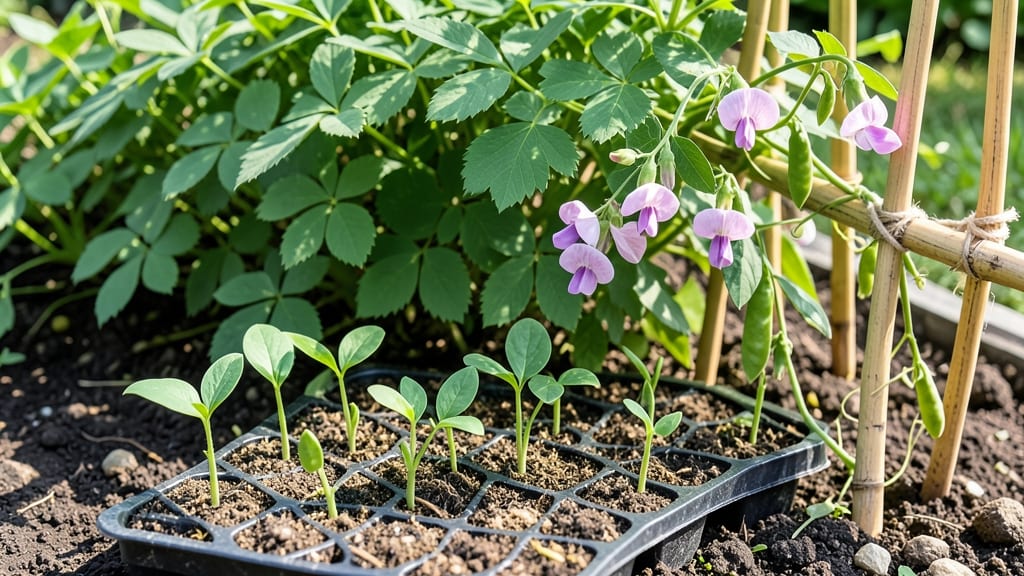
Learning how to grow sweet pea flowers transforms any garden into a fragrant paradise in just 90 days—their velvety blooms and intoxicating scent make them worth every minute of effort.
I remember my first batch of sweet peas climbing a trellis near my patio, their delicate blossoms perfuming the air like a secret garden. The key to success starts with the right soil: loose, well-draining, and rich in organic matter, mixed with a handful of compost before planting.
You’ll need 3 simple supplies to get started: sweet pea seeds (or seedlings if you’re short on time), a sturdy trellis or fence, and a sunny spot with at least 6 hours of sunlight daily.
Sweet peas thrive in cool weather, so aim to plant them 4-6 weeks before your last frost—they’ll bolt if temperatures climb above 75°F. Water consistently to keep the soil moist but not soggy, and watch for those first tendrils reaching for support.
By mid-summer, you’ll be harvesting armfuls of blooms for bouquets or letting them climb freely, their scent lingering long after the flowers fade. The vines also attract pollinators and deter pests like aphids, making them a double win for any garden.
Once you see those first blossoms unfurl, you’ll understand why sweet peas are a gardener’s secret weapon.
Whether you’re growing them for fragrance, cut flowers, or just the joy of watching them climb, sweet peas adapt well to containers or garden beds. Just remember: pinch back early blooms to encourage bushier growth, and stake them early if storms are forecast.
The payoff? A garden that smells like a spring meadow—and that’s a promise no other flower delivers.
📚 In This Guide
- What you need
- Instructions
- Tips and common mistakes
- Wrapping up and next steps
What you need
- ● Sweet pea seeds: Choose heirloom or hybrid varieties (e.g., 'Cupani,' 'Spencer,' or 'Blue Moon'). Quantity: 5–10 seeds per plant (or 10–20 for a full garden bed).
- ○ Well-draining potting mix or garden soil: Sweet peas thrive in loose, fertile soil with a pH of 6.0–7.5. Optional: Amend with compost for extra nutrients.
- ● Containers or garden bed: Containers: 12–18" deep pots (for climbing varieties) with drainage holes. Quantity: 1–2 plants per container.
- ● Garden bed: Full sun (6+ hours/day) with trellis support nearby.
- ● Trellis or support structure: Bamboo stakes, wire cages, or a sturdy trellis (5–6 ft tall for climbing varieties).
- ● Garden gloves (to protect hands from thorns).
- ● Watering can or hose with gentle spray (sweet peas dislike soggy roots!).
- ○ Fertilizer: Balanced 10-10-10 or phosphorus-rich fertilizer (e.g., bone meal) at planting. Optional: Organic options like fish emulsion.
- ● Mulch (straw or shredded leaves) to retain moisture and suppress weeds.
- ● Pruning shears (for deadheading and shaping vines).
- ● 🌡️ Chill seeds: Place seeds in a damp paper towel in the fridge for 2–4 weeks to mimic winter dormancy (boosts germination!).
- ● ✨ Early start: Begin seeds indoors 8–10 weeks before last frost for a head start.
- ● 🎯 Support early: Install trellises at planting—sweet peas are delicate and need guidance fast!
Step-by-step guide to cultivating sweet pea vines
Sweet peas thrive with patience and precision—here's how to coax their fragrant blooms in just three months.
🌱 Step 1: Start Seeds Indoors for Early Blooms
Sweet peas grow best when started indoors 6-8 weeks before your last frost date. Fill 2-inch deep seed trays with sterile seed-starting mix (never garden soil—it's too dense and may harbor diseases). Moisten the mix until it feels like a damp sponge, then press it down lightly to remove air pockets.
Plant seeds ½ inch deep—they need light to germinate, so don't bury them too deeply. I like to use a toothpick to poke individual holes, then place 1-2 seeds per cell (you can always thin later). Cover the seeds with a fine layer of mix, then mist gently with water until the surface looks evenly damp. Place the tray in a warm spot (65-75°F)—a seedling heat mat speeds germination significantly.
Expect sprouts in 7-14 days, though cooler rooms may take longer. Once the first true leaves appear (not the initial cotyledons), remove the weaker seedling if you planted two per cell. This prevents overcrowding, which weakens stems and delays flowering.
☀️ Step 2: Harden Off and Transplant Young Plants
After 4-6 weeks indoors, your seedlings should have 3-4 sets of true leaves and be ready to move outside. Start hardening them off by placing the trays in a shaded, sheltered spot for 1-2 hours the first day, gradually increasing outdoor time by 1 hour daily over 10-14 days. This toughens stems so they don’t snap when exposed to wind and sun.
Choose a sunny location with 6+ hours of direct light daily—sweet peas adore full sun but tolerate partial shade in hot climates. Plant seedlings 1 inch deeper than they grew in containers to encourage strong root development. Space them 12-18 inches apart in rows 18 inches apart for proper air circulation (crowding invites fungal diseases).
Water deeply at planting to settle the soil, then maintain 1 inch of water per week, letting the top 1-2 inches of soil dry slightly between waterings. Mulch with 2-3 inches of straw to retain moisture and suppress weeds—sweet peas dislike competition.
🌿 Step 3: Train Vines and Encourage Blooms
Sweet peas are twining climbers, so provide 5-6 foot tall trellises, stakes, or fences as soon as you plant. Gently tie the main stem to the support with soft twine or plant ties—don’t let it flop, or it’ll struggle to climb later. As vines grow, they’ll naturally twine around the structure, but you may need to guide them weekly.
Pinch back the top set of leaves when the main stem reaches 12-18 inches tall to encourage bushier growth. This forces energy into side shoots, which produce more flowers. Deadhead spent blooms regularly (remove faded flowers by snipping the stem just above the next set of leaves) to prolong flowering and prevent seed pods from forming too soon.
Fertilize lightly every 4-6 weeks with a balanced, water-soluble fertilizer (10-10-10). Too much nitrogen makes plants leafy but flower-sparse. Watch for yellowing leaves—this often signals overwatering or nutrient imbalance. Sweet peas prefer consistent moisture, so water in the morning to reduce fungal risks.
⏰ Step 4: Extend the Season and Harvest Seeds
Sweet peas bloom best in cool weather (55-75°F). In warm climates, provide afternoon shade during summer to prevent wilting. If frost threatens, cut back vines to 6 inches tall and mulch heavily—they’ll often regrow and bloom again in spring.
To collect seeds for next year, leave 2-3 pods per plant to mature fully. Pods turn brown and papery when ready—harvest them, then dry seeds in a paper bag for 2-3 weeks in a warm, dry place. Store seeds in an airtight container in the fridge for up to 3 years.
Enjoy the intense fragrance and butterfly magnet your vines become! With proper care, a single plant produces dozens of blooms over 6-8 weeks. The key is patience—sweet peas reward careful growers with romantic, old-fashioned charm that no modern hybrid can match.
Tips & tricks for growing sweet pea vines
Sweet peas might seem finicky, but these simple tricks help turn first-timers into fragrant-flower growers.
Seed Starting Strategy: The 6-8 week indoor start is non-negotiable for most climates, but I've found that using a clear plastic dome over seed trays creates a mini greenhouse effect. This keeps humidity high and speeds germination—especially helpful if your home stays cooler than 65°F. Just remove the dome once sprouts appear to prevent mold. The ½-inch depth is perfect because deeper planting can lead to leggy seedlings that struggle later.
Hardening Off Hack: When increasing outdoor time in Step 2, I place trays on a windowsill facing east—gentle morning sun is ideal. The 10-14 day process might feel slow, but I've seen seedlings wilt dramatically after skipping this step. For extra protection, drape a lightweight row cover over the trays during the first few days. Also, avoid transplanting on windy days—the vines' stems are delicate until they've had time to toughen.
Trellis Timing: Don't wait until vines are long to install supports! Set up your 5-6 foot trellises immediately after transplanting. I use bamboo stakes tied with soft twine because they're lightweight yet sturdy. When the main stem reaches 12-18 inches (the perfect pinch point), gently wrap the vine around the trellis once or twice to encourage natural twining. This prevents the vine from growing too tall before finding support, which can cause weak stems.
Fertilizer Finesse: The 10-10-10 balanced fertilizer recommendation is spot-on, but I've learned to halve the dose if I notice new growth while flowers are already forming. Too much nitrogen at this stage will send energy to leaves instead of blooms. For organic gardeners, fish emulsion works well but should be diluted to half-strength. Always water thoroughly after fertilizing to prevent root burn—sweet peas are sensitive to salt buildup from fertilizers.
Pro Tips for Grow Sweet Pea Flowers
- Sweet peas might seem finicky, but these simple tricks help turn first-timers into fragrant-flower growers.
- Seed Starting Strategy: The 6-8 week indoor start is non-negotiable for most climates, but I've found that using a clear plastic dome over seed trays creates a mini greenhouse effect.
- Hardening Off Hack: When increasing outdoor time in Step 2, I place trays on a windowsill facing east—gentle morning sun is ideal.
Frequently asked questions
Got questions about growing sweet peas?
You’re not alone! Here are answers to the most common concerns—from timing to troubleshooting—so you can grow fragrant vines with confidence.
When is the best time to plant sweet peas?
Sweet peas thrive in cool weather. For spring blooms, sow seeds 4–6 weeks before your last frost date (typically February–March in most U.S. zones). For fall blooms, plant seeds 6–8 weeks before your first frost (August–September). Avoid planting in scorching summer heat—they’ll bolt or struggle!
How long does it take for sweet peas to flower?
With proper care, sweet peas can bloom in 90–120 days from seed! Early varieties (like ‘Cupani’) may flower faster (60–70 days), while heirlooms like ‘Spencer’ take closer to 100 days. Patience pays off—once they start, those fragrant blooms keep coming for weeks!
Why aren’t my sweet pea seeds sprouting?
Sweet pea seeds need moisture, warmth, and light to germinate. Try soaking seeds overnight before planting, or pre-chill them for 1–2 weeks in the fridge to mimic winter conditions. If soil is too dry or cold (<50°F), germination slows. Keep seeds consistently moist (not soggy) and in bright, indirect light.
Can I grow sweet peas in containers or small spaces?
Sweet peas are perfect for containers, trellises, or small gardens. Use a 5–7 gallon pot with drainage, fill it with well-draining soil, and provide a sturdy trellis or cage (they climb 5–8 feet!). Dwarf varieties like ‘Tom Thumb’ stay under 2 feet tall—ideal for balconies or patio gardens.
Do sweet peas need full sun, or can they handle shade?
Sweet peas prefer full sun (6–8 hours daily), but they tolerate partial shade (4–6 hours) in hot climates. In deep shade (<4 hours), vines grow leggy and produce fewer blooms. If growing in shade, choose lighter-colored varieties (like ‘Alaska’) and ensure good air circulation to prevent mildew.
Pro Tip:
Struggling with slugs or pests? Copper tape around containers or a light sprinkle of diatomaceous earth at the base of plants deters slugs. For aphids, spray vines with a soapy water solution (1 tsp mild soap per quart of water) to protect those delicate blooms!
Wrapping up and next steps
Growing sweet pea flowers is a rewarding journey that fills your garden with fragrant beauty in just 90 days! With the right soil, support, and care—plus a little patience—you’ll soon be enjoying their delicate blooms and intoxicating scent.
Whether you’re a beginner or a seasoned gardener, these fragrant vines are a fantastic addition to trellises, containers, or even your balcony.
Now that you’re armed with all the tips and tricks, take the first step today—plant those seeds and watch your garden transform! 🌱✨ Happy growing!