
Flowers
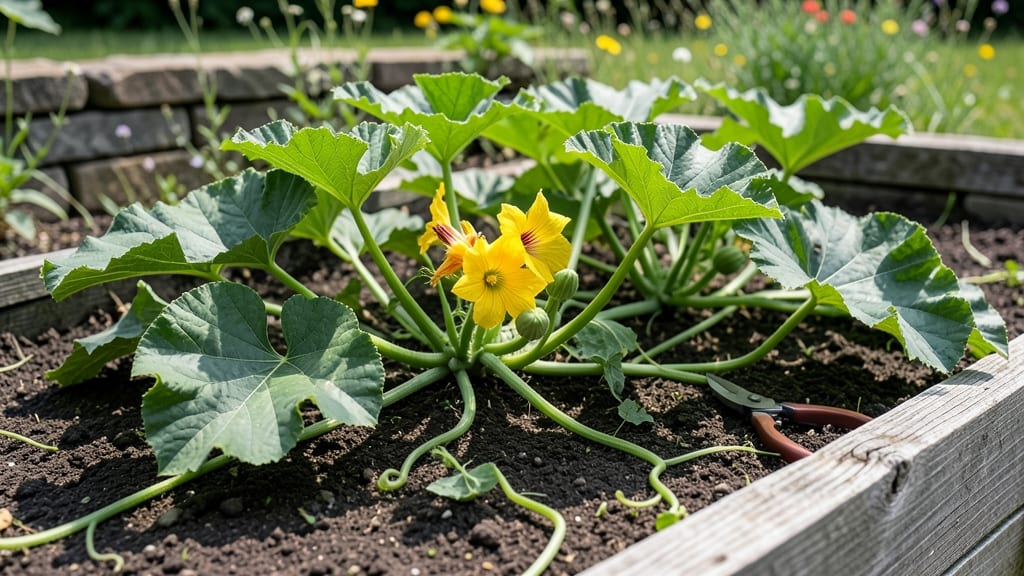
Those tiny female squash flowers are the secret to a bumper harvest—here's how to spot them and encourage more. 🌱 I used to miss them entirely until I learned the simple trick of checking for the little bump at their base, where future squash will grow.
The first time I saw that tiny swelling, I knew I'd finally cracked the code to better yields.
Female flowers appear later in the season, after the plant has established itself, and they look slightly different from their male counterparts. Males have long stems and no swelling at the base, while females sit closer to the vine with that telltale mini squash forming.
The key to more female flowers? Prune aggressively early on to redirect energy toward fruit production, and fertilize with low-nitrogen feed once blooms appear.
You'll know you're doing it right when your vines burst with bright yellow blossoms and the air fills with that sweet, earthy squash scent. The more female flowers you nurture, the heavier your harvest—imagine fresh zucchini, pattypan, and acorn squash straight from your garden all season long.
The payoff is worth the patience.
Even in small spaces or containers, you can coax more female flowers by providing morning sun and consistent watering. Avoid over-fertilizing with nitrogen-heavy mixes, as that encourages leafy growth at the expense of fruit.
With these tweaks, your squash plants will shift from pretty flowers to productive vines in no time.
📚 In This Guide
- What you need
- Instructions
- Tips and common mistakes
- Wrapping up and next steps
What you need
- ● Fresh female squash flowers: 6–12 blooms (look for fully open, unblemished flowers with a slightly bulbous base—this indicates fertility and edibility). Pro tip: Harvest in the morning for peak freshness! 🌞
- ● Kitchen twine or rubber bands: 1 roll (for bundling stems if prepping a large batch).
- ● Sharp kitchen shears or scissors: 1 pair (to snip stems cleanly without crushing the delicate petals).
- ● Cold water: 1 large bowl or sink (for rinsing).
- ● Paper towels or clean kitchen towel: 2–3 sheets (for drying gently).
- ● Mixing bowl: 1 medium-sized (for soaking or marinating).
- ● Fine-mesh strainer: 1 (for draining water after rinsing).
- ● Wooden spoon or silicone spatula: 1 (for gentle handling).
- ○ Optional: Citrus juice (lemon/lime) – 1–2 tbsp (to prevent browning).
- ● Salt – ½ tsp (for flavor and preservation).
- ● Olive oil or melted butter – 1–2 tbsp (for sautéing or frying).
- ● Positive squash flower ID: Confirm the flowers are from Cucurbita species (e.g., zucchini, butternut, or acorn squash) to avoid toxic look-alikes. Pro tip: Cross-reference with a trusted guidebook or app! 📱
- ● Pesticide-free source: Avoid flowers sprayed with chemicals. Opt for organic farms or homegrown vines.
- ● Time of day: Harvest within 2–3 hours of opening for the best texture and flavor.
How to identify and harvest female squash flowers for cooking
Here's how to spot, pick, and prepare these delicate blooms at their prime.
🌿 Step 1: Learn to Spot Female Flowers on the Vine
Female squash flowers grow where the vine's main stem meets a leaf stem. Look for a small, round fruit forming at the base of the blossom—this is your telltale sign. The flower itself will be larger than male blooms, with a slightly fuzzy center and five thick petals that range from pale yellow to deep cream.
Check vines in the morning when dew is still on the petals. This is when flowers are freshest and easiest to spot. I always run my fingers gently along the vine first—you'll feel the slight bump where the fruit is forming before you even see it.
☀️ Step 2: Harvest at Peak Freshness for Best Flavor
Pick flowers when they're fully open but still closed at the center. The petals should be crisp and firm to the touch, not wilting or drooping. Use clean, sharp pruning shears to cut the stem about 2 inches below the flower—this ensures you get some of the vine's strength to encourage more blooms.
Harvest in the morning after dew has dried but before the midday heat. Flowers picked at this time hold their delicate texture best and taste most tender. Never pull flowers by hand—you'll damage the vine and risk tearing petals.
💧 Step 3: Prepare Flowers for Cooking Immediately
Once harvested, gently remove the stamens from the center of each flower. These can be saved for frying or added to dishes separately. Rinse the flowers briefly under cool water to remove any dirt or vine residue, then pat completely dry with paper towels—moisture will make them soggy when cooked.
For best results, use flowers within 24 hours of picking. Store them in a paper bag in the refrigerator until ready to cook. The paper helps maintain their delicate texture by absorbing any excess moisture that might cause wilting.
✂️ Step 4: Cook Flowers for Maximum Delicacy
Female squash flowers are most tender when cooked quickly over high heat. I like to lightly dust them with flour and fry in olive oil until golden—just 2-3 minutes per side. They can also be stuffed with cream cheese, herbs, or breadcrumbs, then baked at 375°F for 10-12 minutes until heated through.
For a lighter preparation, steam or sauté flowers for just 1-2 minutes until wilted but still holding their shape. Overcooking turns them mushy, so keep a close eye on them. The key is to treat them like you would any other delicate flower—handle with care and cook just until tender.
Tips & tricks for perfect female squash flowers
Real talk: these delicate blooms require gentle handling—but once you master the technique, you'll get restaurant-quality results every time.
Timing Secret: In Step 2, those crisp petals only stay firm for a narrow window. I've learned the hard way that harvesting too early means underdeveloped flavor, while waiting too long makes them tough. Aim for morning harvests when the flowers are fully open but still closed at the center—this is when their texture is at its peak. The 2-3 minute cooking window in Step 4 follows the same principle: petals should just wilt slightly, not turn mushy.
Harvesting Technique: That 2-inch stem cut in Step 2 isn't just about getting the flower—it's about preserving the vine's health. I've found that making a clean cut with sharp pruning shears (never pulling by hand) prevents tearing and encourages more blooms to form. Pro tip: Sterilize your shears with rubbing alcohol between cuts to prevent spreading disease. The vine will thank you with a bigger harvest next time!
Storage Wisdom: The 24-hour freshness window mentioned in Step 3 is non-negotiable for best texture. I store harvested flowers in paper bags (not plastic!) in the fridge because paper absorbs excess moisture that would otherwise make petals soggy. For longer storage, you can blanch flowers in boiling water for 30 seconds, then shock in ice water before storing—they'll keep for up to 5 days this way.
Cooking Precision: At 375°F, those 10-12 minutes for stuffed flowers can feel like an eternity when you're waiting for them to heat through. My trick is to preheat the oven thoroughly and use an oven thermometer to confirm the temperature—some ovens run hot or cold. For frying, maintain high heat consistently: if your oil smokes before the 2-3 minute mark, it's too hot and will burn the delicate petals.
Pro Tips for Female Squash Flower
- Real talk: these delicate blooms require gentle handling—but once you master the technique, you'll get restaurant-quality results every time.
- Timing Secret: In Step 2, those crisp petals only stay firm for a narrow window.
- Harvesting Technique: That 2-inch stem cut in Step 2 isn't just about getting the flower—it's about preserving the vine's health.
Frequently asked questions
Got questions about harvesting, cooking, or growing female squash flowers? You’re not alone! Here are some of the most common queries—plus quick answers to help you navigate this edible delicacy like a pro.
What’s the difference between male and female squash flowers?
Female squash flowers have a tiny squash (the "fruit") at their base, while males don’t. The female blooms are the stars of the show—tender, delicate, and packed with flavor! Look for flowers with a bump (the future squash) behind the petals. Pro tip: Harvest them in the morning for peak freshness.
When is the best time to pick female squash flowers?
Pick female squash flowers early in the morning when they’re fully open but still tight. Avoid wilting blooms—they’ll be tough and less flavorful. If you miss morning, go for late afternoon, but never pick after dark. Timing tip: Use them within 2–3 hours of picking for the best texture.
How do I prepare female squash flowers for cooking?
Gently remove the petals (save them for garnish!) and trim the stamen (the fuzzy center). Rinse briefly in cold water, then pat dry. For frying, dip in batter; for stuffing, leave the base intact. Cooking hack: Blanch in boiling water for 10 seconds to soften stems before frying.
Can I grow female squash flowers at home? What do they need?
Yes! Squash plants thrive in full sun (6+ hours/day) and well-draining soil. Space vines 3–4 feet apart, water deeply 1–2 times/week, and fertilize with compost. Female flowers appear 4–6 weeks after planting. Growth tip: Prune male flowers to encourage more females—your plant will thank you!
What do I do if my female squash flowers keep falling off?
This usually happens due to overwatering, pests (like squash vine borers), or poor pollination. Check for wilting leaves, holes in stems, or lack of bees. Hand-pollinate by transferring pollen with a brush if needed. Fix: Plant bee-friendly flowers nearby to boost pollination!
What’s the easiest way to cook female squash flowers for beginners?
Try fried squash blossoms! Dip the flowers in a light batter (flour + egg + water), fry in hot oil (340°F) for 1–2 minutes until golden, and drain on paper towels. Serve with chili-lime dip or sprinkle with parmesan. Beginner tip: Use a slotted spoon to avoid soggy batter.
Wrapping up and next steps
The female squash flower isn’t just a stunning bloom—it’s a versatile, nutrient-packed delicacy waiting to be savored! From their delicate petals to their rich, earthy flavors, these edible gems add a unique twist to dishes while offering health benefits like fiber, vitamins, and antioxidants.
Whether you’re foraging, growing, or simply exploring new culinary adventures, this guide has given you the confidence to harvest, prepare, and enjoy them safely and creatively.
🌱 Ready to dive in? Start by growing your own squash patch or visit a local farm to forage fresh flowers. Then, experiment with recipes—stuff them, sauté them, or blend them into soups. Your taste buds (and dinner guests!) will thank you. Happy cooking! 🍽️