
Flowers
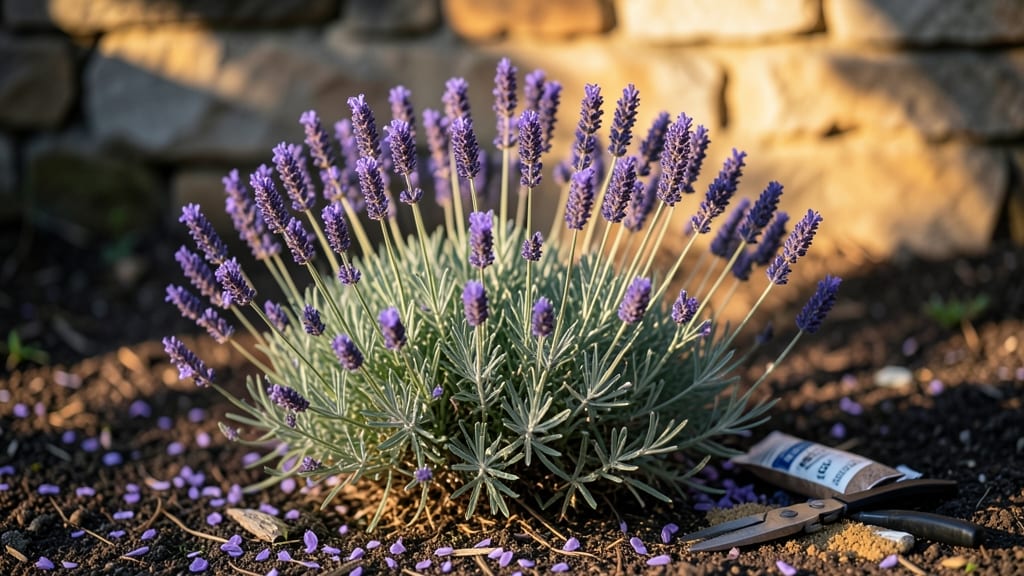
A field of lavender flowers transforms any garden into a fragrant, purple paradise that hums with bees and butterflies. 🌿 I planted mine last spring after seeing how dramatically it softened our yard’s edges—now it’s the first thing visitors notice.
The scent alone makes it worth the effort, but the pollinator benefits are the real game-changer.
Lavender thrives in full sun and well-draining soil, which means even rocky slopes can work if you prep the bed right. Start with 3-5 plants per square foot for a lush, natural look, and mix varieties like ‘Munstead’ (compact) with ‘Grosso’ (taller) for texture.
The key is spacing them just enough so they fill in over time without fighting for space.
By midsummer, you’ll have a sea of velvety purple blooms that sway in the breeze, releasing that signature floral fragrance. Bees and butterflies will flock to it, and the scent lingers long after the flowers fade—perfect for cutting or drying. Plus, it’s drought-tolerant once established, so maintenance stays light.
This design works for small borders, large meadows, or even container groupings. Pair it with rosemary, thyme, or salvia for a Mediterranean vibe, and you’ll have a low-maintenance, high-impact garden that keeps giving all season.
📚 In This Guide
- What you need
- Instructions
- Tips and common mistakes
- Wrapping up and next steps
What you need
- ● Lavender plants: Choose between English lavender (Lavandula angustifolia), French lavender (L. dentata), or Spanish lavender (L. stoechas). Buy 10–20 plants (depending on space) from a nursery or online supplier.
- ● Well-draining soil: Lavender thrives in sandy, alkaline soil (pH 6.5–7.5). Mix in builder’s sand or perlite (1 part sand to 3 parts soil) if your native soil is heavy.
- ● Sunlight: A full-sun location (6+ hours of direct sunlight daily)—lavender is a sun-worshipper!
- ● Water (sparingly): Lavender hates soggy roots. Water deeply but infrequently (1–2 times per week) once established.
- ● Garden trowel or spade for planting.
- ○ Gloves (optional but recommended—lavender stems can be prickly!).
- ● Mulch (gravel or pebbles) to retain heat and deter weeds (avoid organic mulch—it retains moisture).
- ● Pruning shears for shaping and maintaining plants (prune after flowering to encourage bushiness).
- ○ Compost or organic fertilizer (low-nitrogen, like 5-5-5)—optional for nutrient-poor soils.
- ○ Drip irrigation or soaker hose (optional) for efficient watering.
- ● 🌡️ Plant in spring or early fall to avoid extreme heat or frost.
- ● ✨ Space plants 18–24 inches apart for a lush, continuous bloom.
- ● 🔥 Avoid overwatering—lavender is drought-tolerant once established!
How to plant and maintain a thriving lavender field
Lavender thrives in sunny, well-drained spaces—here’s how to create a fragrant, pollinator-friendly hedge that blooms reliably for years.
🌱 Step 1: Choose the Perfect Location and Soil
Lavender demands full sun—at least 6-8 hours daily—and well-draining soil to prevent root rot. I always test drainage by digging a 6-inch hole, filling it with water, and waiting to see if it drains within 30 minutes. If water pools, amend the soil with sand or gravel to improve aeration.
Lavender prefers alkaline soil (pH 6.5–7.5). If your soil is acidic, mix in 1 cup of agricultural lime per square foot before planting. Avoid heavy clay—it suffocates roots. Instead, blend equal parts native soil, coarse sand, and compost for ideal texture.
☀️ Step 2: Plant with Proper Spacing and Depth
Dig holes twice as wide as the root ball but no deeper—lavender hates being buried too deep. Space plants 18–24 inches apart for a dense hedge or 36 inches apart if you want individual plants. I like to plant in early spring or fall when temperatures are mild—lavender struggles with summer heat stress.
Gently remove plants from containers and loosen roots if they’re circling. Place each plant so the top of the root ball sits level with the soil surface—burying the crown too deep causes rot. Water deeply right after planting to settle the soil, but avoid soggy conditions.
💧 Step 3: Water Sparingly and Prune for Shape
Lavender is drought-tolerant once established, but young plants need 1 inch of water weekly for the first year. Water at the base—never overhead—to prevent fungal diseases. After 6–8 weeks, taper watering to once every 2–3 weeks unless there’s no rain.
Prune right after flowering (late spring/early summer) to encourage bushier growth. Cut back one-third of the previous year’s growth with clean, sharp shears. Avoid heavy pruning in fall—lavender needs foliage to protect new buds. Deadhead spent blooms to redirect energy into next year’s flowers.
✂️ Step 4: Mulch and Protect for Long-Term Health
Spread 2–3 inches of gravel or coarse mulch around plants to suppress weeds and retain moisture. Organic mulch like wood chips can smother lavender—it prefers mineral-based materials. Keep mulch 2 inches away from stems to prevent rot.
In winter, protect young plants with a light layer of burlap if your zone drops below 10°F. Mature lavender handles cold well, but severe freezes can damage new growth. I’ve found that dividing clumps every 3–4 years rejuvenates plants—dig up, separate, and replant in spring.
Tips & tricks for perfect lavender hedges
Creating a thriving lavender field takes more than just planting—here are the pro secrets that'll make all the difference between a struggling patch and a fragrant, pollinator-magnet garden.
Sunlight Strategy: The 6-8 hours of daily sun requirement isn't just about light—it's about heat. Lavender needs intense sunlight to develop its signature fragrance and vibrant purple hues. I've found that southern exposures get the most consistent results, especially in cooler climates. If your location gets less than 6 hours, consider growing lavender in containers that you can move to sunnier spots during winter months. The key is maintaining that consistent sun exposure throughout the plant's growing season.
Soil Science: That 30-minute drainage test is non-negotiable—lavender roots will literally rot if they sit in soggy soil for more than a few minutes. I've seen gardeners skip this step and end up with yellowing plants that never bloom properly. For alkaline soil adjustment, test your pH first using a simple soil test kit. If you're working with clay soil, don't just add sand—mix in equal parts native soil, coarse sand, and compost to create the perfect airy texture lavender craves. The goal is to mimic the Mediterranean conditions lavender evolved in.
Pruning Precision: When you cut back one-third of the previous year's growth right after flowering, you're not just shaping the plant—you're encouraging next year's blooms. I've learned the hard way that timing matters: if you prune too early, you might remove next year's flower buds; if you wait too long, the plant becomes leggy. The best time is when about 20% of the flowers have already dropped their petals. Use clean, sharp shears and make cuts at a 45-degree angle just above a set of leaves to promote new growth.
Winter Protection: That 10°F threshold for winter protection is crucial—it's the point where most lavender varieties start showing cold damage. I've found that burlap wraps work better than plastic or thick blankets, which can trap too much moisture. For mature plants, you can often skip protection entirely, but young plants benefit from this simple precaution. Another winter trick: if you're in a very cold climate, consider planting lavender against a south-facing wall where it gets reflected heat during the day.
Pro Tips for Field Of Lavender Flowers
- Creating a thriving lavender field takes more than just planting—here are the pro secrets that'll make all the difference between a struggling patch and a fragrant, pollinator-magnet garden.
- Sunlight Strategy: The 6-8 hours of daily sun requirement isn't just about light—it's about heat.
- Soil Science: That 30-minute drainage test is non-negotiable—lavender roots will literally rot if they sit in soggy soil for more than a few minutes.
Frequently asked questions
Got questions about creating or enjoying a field of lavender flowers? Here are answers to some of the most common queries—from planting tips to troubleshooting—so you can dive right in with confidence!
When is the best time to plant lavender?
The ideal time to plant lavender is in early spring (after the last frost) or early fall. This gives roots time to establish before extreme heat or cold. If planting in summer, water deeply and mulch to retain moisture. Lavender thrives in well-drained soil, so avoid waterlogged areas!
Do lavender fields attract bees and butterflies?
Lavender is a pollinator magnet, especially for bees, butterflies, and hoverflies. Its fragrant blooms provide nectar, and its dense foliage offers shelter. For even more buzz, plant lavender alongside other pollinator favorites like echinacea or salvia. Just ensure you avoid pesticides to keep these visitors happy!
How often should I water lavender plants?
Lavender is drought-tolerant once established, but young plants need consistent moisture. Water deeply but infrequently—about once a week in dry spells (or when the top inch of soil feels dry). Overwatering leads to root rot, so ensure your field has well-draining soil. Mulch lightly to retain moisture without suffocating roots.
Can lavender grow in hot climates?
Yes! Lavender loves heat and thrives in USDA zones 5–9, making it perfect for sunny, dry climates. In scorching areas, provide afternoon shade for young plants and water sparingly. Varieties like Lavandula angustifolia (English lavender) handle heat well, while Lavandula stoechas (French lavender) prefers milder summers.
What can I do if my lavender turns brown or wilts?
Brown or wilted lavender often signals overwatering, poor drainage, or pests. First, check the soil—it should dry out between waterings. If roots look mushy, trim affected stems and repot in sandy, gritty soil. For pests (like spider mites), spray with neem oil or introduce ladybugs. Prune dead growth in early spring to encourage new, vibrant blooms!
Wrapping up and next steps
Stepping into a field of lavender flowers isn’t just a feast for the senses—it’s a gift to pollinators and a splash of natural beauty in your landscape. 🌸 Whether you’re planting for fragrance, biodiversity, or sheer joy, these purple hedges bring harmony to gardens and ecosystems alike.
Ready to transform your space? Start small—even a single lavender patch can make a difference. Grab your gloves, gather your seeds, and let nature’s purple magic unfold!
- 🌱 Next step: Sketch your lavender layout and pick your favorite variety!