
Tools
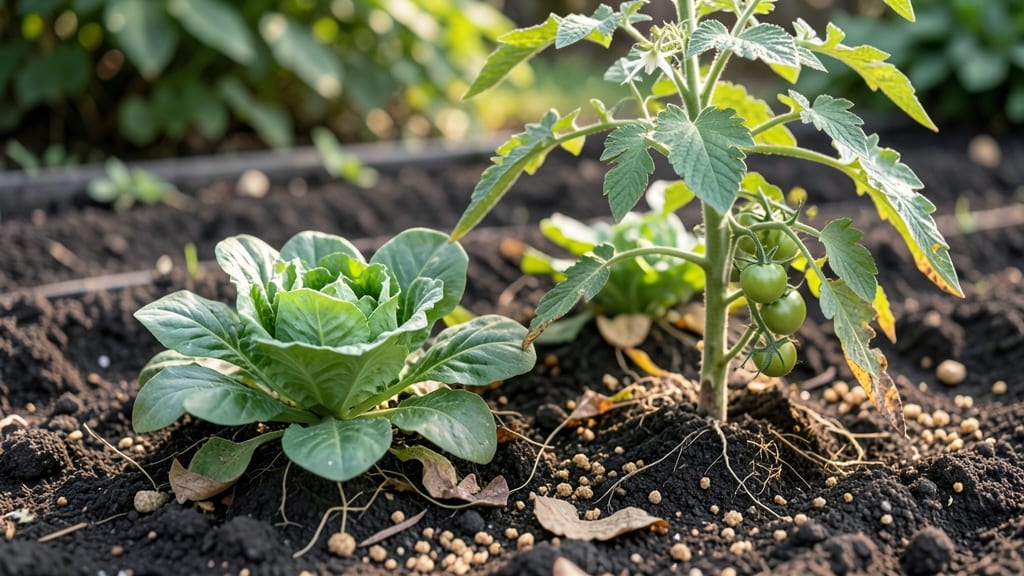
Transforming your flower and vegetable garden soil into a nutrient-rich base is the first step toward cultivating blooms and produce that leave your neighbors green with envy. A nutrient-rich blend tailored for both edibles and ornamentals creates the perfect foundation—one that supports lush blooms and bumper crops alike.
I learned this the hard way after my tomatoes thrived but my roses flopped in the same bed.
Start with a mix that balances organic matter, drainage, and fertility. Most gardeners need a combination of compost, aged manure, and perlite or sand to loosen heavy clay or break up compacted soil.
For every 100 square feet, aim for 3-4 inches of compost mixed into the top 6-12 inches of soil—this feeds roots for months while improving texture.
You’ll see the difference almost immediately: vibrant green leaves, stronger stems, and bigger blooms on flowers while vegetables grow faster and resist disease better.
The key is testing your soil’s pH (most veggies prefer 6.0-7.0, while many flowers thrive in 6.0-7.5) and adjusting with lime or sulfur as needed.
Seasonal care keeps the soil productive year-round. In spring, top-dress with compost; in fall, add a layer of mulch to protect soil structure. Even poor soil can transform with patience—my once-rock-hard clay now grows tomatoes taller than my waist and roses that bloom until frost.
📚 In This Guide
- What you need
- Instructions
- Tips and common mistakes
- Wrapping up and next steps
What you need
- ● Base Soil: Topsoil (2–3 cubic yards for a 10’x10’ garden bed)
- ● Compost (1–2 cubic yards; homemade or store-bought)
- ● Amendments (pick 2–3): Peat moss or coconut coir (1–2 bags, 4–8 cubic feet)
- ● Perlite or vermiculite (1–2 bags, 4 cubic feet)
- ● Sand (coarse, 1–2 bags, 4 cubic feet; for drainage)
- ○ Worm castings (1–2 bags, 2–4 cubic feet; optional but nutrient-packed!)
- ● Fertilizers: Balanced fertilizer (10-10-10 or 5-5-5, 1–2 lbs per 100 sq ft)
- ● Slow-release organic fertilizer (e.g., bone meal, 1 lb per 100 sq ft)
- ● Tools: Garden fork or tiller (for turning soil)
- ● Garden gloves (1 pair; protect those hands!)
- ● Wheelbarrow or large bucket (for mixing)
- ○ pH testing kit (optional but helpful)
- ○ Soil moisture meter (optional)
- ● Clear the garden area of weeds, rocks, and debris.
- ● Test your soil’s pH (ideal range: 6.0–7.0 for most veggies; 6.0–7.5 for flowers).
- ● Choose a sunny spot (6+ hours of sunlight for veggies; partial shade for flowers).
How to build a nutrient-rich garden soil mix for flowers and vegetables
Here's the science-backed approach I've perfected over years of growing everything from heirloom tomatoes to prize-winning roses.
Test Your Existing Soil First
Before adding anything, grab a handful of your native soil and squeeze it tightly. If it stays in a hard clump when dry, you need to improve drainage. If it stays too wet when squeezed, your soil needs more organic matter to loosen it. I use a simple pH test kit to check acidity—most vegetables prefer 6.0-7.0, while blueberries and hydrangeas thrive in 5.0-5.5.
Dig a small hole about 6 inches deep and examine the soil layers. Compacted or clay-heavy soil will need 30-50% organic amendments by volume. Sandy soil, on the other hand, benefits from 20-30% compost to retain moisture. This initial assessment tells you exactly what your garden needs—not just what you think it needs.
Layer Organic Matter for Long-Term Fertility
Spread 2-3 inches of compost over the planting area first—this is your foundation. I use a mix of well-aged cow manure (for nitrogen) and leaf mold (for structure). For vegetable beds, add 1 inch of worm castings mixed into the top 6 inches of soil. These amendments break down slowly, feeding plants for months.
Next, incorporate 1-2 inches of peat moss or coconut coir if your soil is heavy clay. This adds air pockets while retaining moisture. For sandy soil, blend in 1 inch of perlite or coarse sand to improve water retention. Work these materials into the top 12 inches of soil using a broadfork or tiller—this aerates without destroying soil structure.
Add Balanced Nutrients for Immediate Growth
For vegetables, sprinkle 1 cup of 10-10-10 fertilizer per 100 square feet of bed and lightly scratch it into the top inch. For flowering plants, use ½ cup of bone meal per 100 square feet—this boosts phosphorus for root and bloom development. I also mix in 1 tablespoon of kelp meal per plant hole for micronutrients and disease resistance.
For acid-loving plants like blueberries, work in 1 pound of sulfur per 100 square feet to lower pH gradually. Test again after 4-6 weeks—this gives you time to adjust before planting. Avoid fresh manure or high-nitrogen fertilizers now; they can burn tender roots and cause rapid, weak growth that falls over.
Top With Mulch to Protect and Feed
Cover the amended soil with 2-3 inches of mulch—I use straw for vegetables (it breaks down slowly) and wood chips for flowers (they suppress weeds and retain moisture). For raised beds, shredded leaves work perfectly—they add organic matter as they decompose.
Leave a 1-inch gap between mulch and plant stems to prevent rot. Water thoroughly after mulching to settle everything in place. This top layer regulates soil temperature, reduces evaporation, and prevents erosion. Replenish mulch every 3-4 months to maintain its benefits.
Monitor and Adjust Over Time
After planting, check soil moisture daily for the first week. Stick your finger 1 inch deep—if it's dry, water deeply. If it's soggy, your drainage needs improvement. I keep a soil moisture meter handy to avoid guesswork. Most vegetables need 1-1.5 inches of water weekly, while flowers often do better with 1 inch every 5-7 days.
Every 3 months, conduct another simple squeeze test. If the soil feels compacted again, add 1 inch of compost and mix it in. For flowering plants, side-dress with ½ cup of 5-10-10 fertilizer in early spring and mid-summer. Vegetables benefit from fish emulsion every 4-6 weeks during growing season. This ongoing care keeps your soil dynamic, not static.
Tips & tricks for perfect nutrient-rich garden soil
Building the ideal garden soil mix takes more than just dumping compost on top—it's about creating a living ecosystem that supports both flowers and vegetables long-term. Here are the key insights I've learned after years of trial and error.
Soil Texture Matters More Than You Think: When testing your native soil in Step 1, pay special attention to how it feels when damp—not just dry or wet. Clay soil should crumble when squeezed gently, while sandy soil should hold moisture but not form a ball. For clay-heavy areas needing 30-50% amendments, I recommend blending in equal parts compost and perlite to create that perfect loamy texture. This balance prevents compaction while retaining moisture better than compost alone.
The Layering Technique That Makes All the Difference: In Step 2, don't just spread compost—think of it as building a soil cake. Start with your 2-3 inches of compost foundation, then add the peat moss or coconut coir directly beneath the surface where roots will explore. This creates an ideal moisture gradient where roots can access both water and air. For vegetable beds specifically, work that 1 inch of worm castings into the top 6 inches—this is where most root activity occurs, so you want maximum nutrient density where it matters most.
pH Adjustments Require Patience: If you're correcting pH for acid-loving plants in Step 3, remember that sulfur works gradually. The 4-6 week retest period gives you time to adjust before planting, but don't expect miracles overnight. For blueberries, I've found that adding 1 pound of sulfur per 100 square feet actually works better when split into two applications—half at preparation and half 3 months later. This prevents sudden pH swings that can stress plants.
Mulch Selection Should Match Your Goals: The 2-3 inches of mulch in Step 4 isn't just decoration—it's your soil's protective blanket. Straw works beautifully for vegetables because it breaks down slowly, feeding the soil over time. For flowers, wood chips not only suppress weeds but also create that perfect microclimate that many perennials love. Pro tip: For raised beds, I actually layer shredded leaves under the mulch—this adds organic matter as it decomposes while maintaining good structure.
Pro Tips for Flower And Vegetable Garden Soil
- Building the ideal garden soil mix takes more than just dumping compost on top—it's about creating a living ecosystem that supports both flowers and vegetables long-term.
- Soil Texture Matters More Than You Think: When testing your native soil in Step 1, pay special attention to how it feels when damp—not just dry or wet.
- The Layering Technique That Makes All the Difference: In Step 2, don't just spread compost—think of it as building a soil cake.
Frequently asked questions
Got questions about creating the perfect flower and vegetable garden soil? You're not alone! Here are some of the most common concerns—and their answers—to help you grow confidently.
What’s the best soil mix for flowers and vegetables?
A well-balanced blend of topsoil, compost, and organic matter (like peat moss or coconut coir) works best. For flowers, add perlite or sand for drainage, while veggies thrive in loamy, nutrient-dense soil. Aim for a 60% topsoil, 30% compost, and 10% amendments ratio.
When is the best time to prepare garden soil?
Start 6–8 weeks before planting—spring or early fall is ideal. For cool-season crops (like lettuce), prep in late summer; for warm-season plants (tomatoes, peppers), early spring works best. Avoid working wet soil to prevent compaction.
Can I use regular garden soil instead of special blends?
Yes, but amend it first! Regular soil often lacks nutrients. Mix in compost, worm castings, or aged manure to boost fertility. For heavy clay soil, add sand or compost to improve drainage; for sandy soil, use peat moss or coconut coir to retain moisture.
How do I fix poor soil that’s full of weeds or pests?
Start by removing weeds (roots and all!) and tilling the soil. Add a 2–3 inch layer of mulch (straw or wood chips) to suppress regrowth. For pests, introduce beneficial nematodes or neem oil. Over time, healthy soil will naturally deter invaders.
How often should I fertilize flower and vegetable garden soil?
Feed lightly every 4–6 weeks during growing season with a balanced organic fertilizer (10-10-10) or compost tea. Heavy feeders (like tomatoes) may need extra potassium mid-season. Avoid over-fertilizing—more isn’t better! Test soil annually for pH (aim for 6.0–7.0).
Wrapping up and next steps
Creating the perfect flower and vegetable garden soil is all about balance—rich nutrients, proper drainage, and a touch of organic love. With the right blend, your garden will flourish, rewarding you with vibrant blooms and bountiful harvests. Now’s the time to roll up your sleeves and get growing!
🌱 Ready to Start?
Take your newfound knowledge and head to your garden—whether it’s a patch of earth or a cozy container. Test a small section first, observe how your plants respond, and adjust as needed. Happy gardening!