
Companion Plants
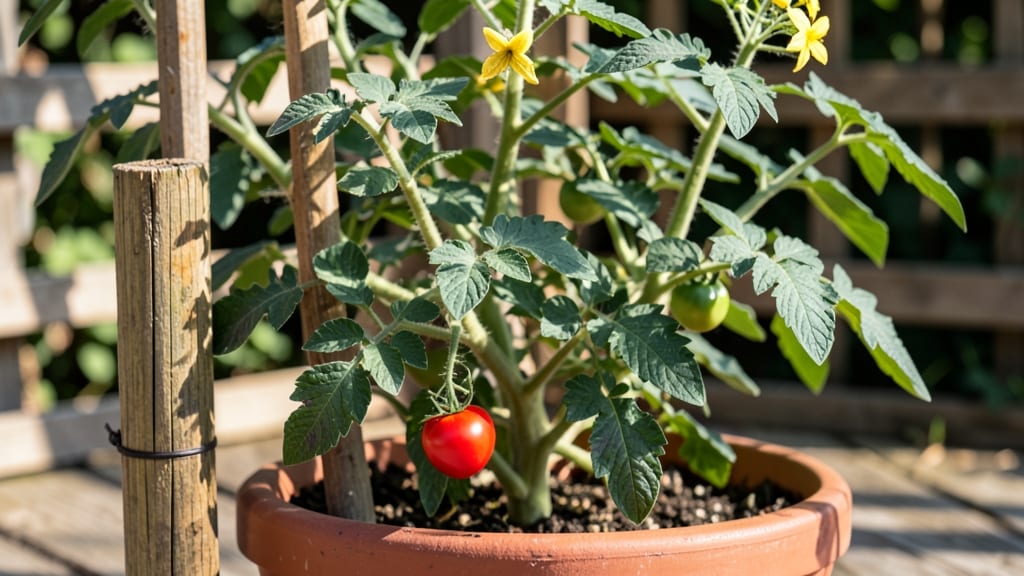
Growing tomato plants in flower pots means fresh homegrown tomatoes without a backyard—just a sunny spot and the right setup. 🌱 I’ve grown cherry tomatoes in 5-gallon pots on my apartment balcony for years, and the key is matching the plant’s needs to the container’s size and care.
The right pot, soil, and sunlight transform a small space into a productive vine that rivals garden beds.
You’ll need containers at least 5 gallons for determinate varieties (bush types) or 10+ gallons for indeterminate vines (the sprawling kinds). Drainage holes are non-negotiable—root rot is the silent killer of potted tomatoes.
A quality potting mix (not garden soil) and a slow-release fertilizer at planting time give you a head start. Place your pots where they’ll get 6-8 hours of sunlight daily, and you’re already ahead of most beginners.
By midsummer, you’ll be harvesting cherry tomatoes the size of marbles or beefsteak slices straight from your porch. The plants stay compact, the fruit ripens faster than in-ground tomatoes, and you avoid soil-borne diseases that plague backyard gardens.
Plus, no weeding or gophers—just pure, hassle-free harvests. The only downside? You’ll need to stake or cage those vines as they grow.
This method works for determinate varieties like ‘Patio Princess’ or ‘Tiny Tim’ (great for small pots) and indeterminate types like ‘Sungold’ or ‘Better Boy’ (if you go bigger). The same principles apply whether you’re on a balcony, rooftop, or sunny windowsill. Ready to turn your patio into a tomato powerhouse?
📚 In This Guide
- What you need
- Instructions
- Tips and common mistakes
- Wrapping up and next steps
What you need
- ● Flower pots or containers: At least 5-gallon capacity per tomato plant (larger is better for indeterminate varieties). Ensure pots have drainage holes at the bottom. Quantity: 1–3 pots, depending on your harvest goals.
- ● High-quality potting mix: A lightweight, well-draining mix designed for vegetables or containers (avoid garden soil). Quantity: 1–2 bags (1–2 cubic feet each).
- ● Tomato seedlings or seeds: Seedlings: 1–3 healthy, disease-free plants (check for cherry, Roma, or beefsteak varieties suited for containers).
- ● Seeds: If starting from seed, opt for determinate (bush) or indeterminate (vining) varieties. Quantity: 3–5 seeds per pot (thin to 1–2 strongest seedlings).
- ● Fertilizer: A balanced, slow-release fertilizer (e.g., 10-10-10 or 5-5-5) or compost for organic growth. Quantity: 1–2 cups per pot.
- ● Support structure: A cage, trellis, or sturdy stakes (4–6 feet tall) for indeterminate varieties. Quantity: 1 per plant.
- ● Gloves and trowel: For planting and soil handling.
- ● Watering can or hose with a gentle nozzle: Avoid overwatering—aim for 1–1.5 inches per week.
- ○ Mulch (optional): Straw or shredded leaves to retain moisture and suppress weeds. Quantity: 1–2 inches per pot.
- ○ Pruning shears (optional): For trimming suckers or dead leaves.
- ○ Plant tags (optional): To label varieties and track progress.
- ○ Sunlight monitor (optional): Ensure your pots get 6–8 hours of direct sunlight daily.
Step-by-step guide to growing tomato plants in flower pots
Here’s how to turn your patio into a productive tomato garden—no backyard needed.
🪴 Step 1: Select the Right Pots and Prepare the Soil
Choose 5-gallon or larger containers with drainage holes—tomatoes need room for roots and water to escape. I prefer fabric grow bags because they prevent root circling and allow excess moisture to evaporate. Fill each pot with a mix of high-quality potting soil and compost (half-and-half ratio) to ensure nutrients and drainage. Avoid garden soil—it compacts and suffocates roots.
Tap the pot gently to settle the soil, then water it thoroughly until moisture runs freely from the drainage holes. This pre-moistening prevents dry pockets where roots won’t grow. Add a slow-release fertilizer (like 10-10-10) to the top inch of soil—this feeds roots as they establish. Real talk: Skipping this step means weaker plants that struggle to support heavy fruit.
🌱 Step 2: Plant Transplants or Start Seeds Early
If using transplants, choose determinate varieties (like 'Patio' or 'Tiny Tim') for containers—they stay compact. Plant one seedling per pot, burying the stem up to the first set of leaves to encourage stronger root growth. Press the soil firmly around the base but avoid compacting it—roots need air.
For seeds, sow 6-8 weeks before the last frost indoors under a grow light. Transplant seedlings when they’ve developed 3-4 true leaves, carefully transferring the entire root ball to avoid disturbing roots. Water deeply after planting—this helps settle soil around roots and prevents air pockets. Here’s the thing: Overwatering now can drown seedlings, so let the top inch dry slightly between waterings.
☀️ Step 3: Position for Maximum Sun and Support
Tomatoes need 6-8 hours of direct sun daily—place pots in the sunniest spot possible. If your patio gets afternoon shade, supplement with a grow light for 4-6 hours. I always use cages or stakes (like 6-foot tomato towers) to support vines—containers can tip over under heavy fruit loads. Bury the stake halfway when planting to avoid disturbing roots later.
Rotate pots quarter-turn weekly so plants grow evenly toward the light. You’ll notice leggy growth if they stretch toward the window—this means they’re reaching for more light. Strong vines have thick stems and compact spacing between leaves. Mulch the soil surface with straw or shredded leaves to retain moisture and prevent soil-borne diseases.
💧 Step 4: Water and Feed for Continuous Harvests
Water deeply once a week (or daily in 90°F+ heat), ensuring moisture reaches 6 inches down. Check by sticking your finger in the soil—if it’s dry past your first knuckle, water again. Avoid wetting leaves to prevent fungal diseases like blight. I use a drip irrigation system or water at the base early in the morning to reduce evaporation.
Feed plants every 2-3 weeks with a balanced liquid fertilizer (like 5-5-5) once flowers appear. This supports fruit development without overloading nitrogen, which promotes leafy growth at the expense of tomatoes. You’ll see new blooms within a week of fertilizing—this is your signal it’s working. Real talk: Underfeeding leads to small, bland fruit, so don’t skip this step.
✂️ Step 5: Prune and Harvest for Longevity
Prune suckers (the small shoots between the main stem and branches) weekly to improve airflow and fruit size. Pinch off the bottom leaves when they touch the soil to prevent disease. For determinate varieties, stop pruning once flowers appear—you want all energy focused on fruit. Harvest tomatoes when they’re fully colored and slightly soft to touch, usually 60-85 days after transplanting.
Remove spent fruit clusters (the stem where tomatoes attach) to encourage new blooms. I also twist off any green tomatoes before the first frost to ripen indoors—place them in a paper bag with a banana for 3-5 days. This extends your harvest season and reduces waste. Here’s the moment that matters: A single healthy vine in a pot can produce 10-20 pounds of tomatoes—worth the effort!
Tips & tricks for thriving tomato vines in flower pots
Common pitfalls—and how to sidestep every one—when growing tomatoes in containers.
Container Selection: Fabric grow bags are my top recommendation because they allow excess moisture to evaporate naturally, preventing root rot. If using traditional pots, choose ones with at least 5 gallons of capacity—smaller containers restrict root growth and limit fruit production. Look for pots with multiple drainage holes to prevent waterlogging, which can suffocate roots and lead to disease. I've seen containers with just one drainage hole cause root rot in as little as 3 weeks during hot weather.
Soil Preparation Strategy: The half-and-half mix of high-quality potting soil and compost creates the perfect balance of aeration and nutrients. To ensure even moisture distribution, I recommend sifting the soil before adding it to pots—this breaks up clumps and prevents air pockets that can stunt root development. After planting, gently press the soil around the base of your tomato seedlings to eliminate gaps, but avoid compacting it too tightly, which restricts airflow to roots.
Sunlight Optimization: When positioning your containers, remember that tomatoes need consistent sunlight—especially in cloudy conditions. If your patio only gets morning sun, rotate pots every few days to expose all sides to light. For afternoon shade situations, supplement with a grow light for 4-6 hours daily. I've noticed that plants receiving less than 6 hours of direct sunlight produce smaller fruit and fewer blooms, so prioritize the sunniest spot available.
Watering Technique: The finger test is your best friend here: Insert your finger 2 inches into the soil. If it feels dry past your first knuckle, it's time to water. For containers, I've found that watering deeply once a week is more effective than daily shallow watering, which encourages roots to grow deeper in search of moisture. Always water at the base rather than overhead to prevent fungal diseases like early blight, which thrives in wet foliage.
Pro Tips for Tomato Plants In Flower Pots
- Common pitfalls—and how to sidestep every one—when growing tomatoes in containers.
- Container Selection: Fabric grow bags are my top recommendation because they allow excess moisture to evaporate naturally, preventing root rot.
- Soil Preparation Strategy: The half-and-half mix of high-quality potting soil and compost creates the perfect balance of aeration and nutrients.
Frequently asked questions
Got questions about growing tomato plants in flower pots? You’re not alone! Here are answers to the most common queries to help you cultivate thriving vines and a bountiful harvest—no fuss, just delicious results.
What’s the best type of tomato plant for containers?
Choose determinate varieties (like ‘Roma’ or ‘Patio’) for compact growth or indeterminate types (e.g., ‘Cherry’ or ‘Sungold’) if you love vining plants. Just ensure your pot is deep enough—10–12 inches for bush types, 18+ inches for vining ones. Dwarf or patio-specific hybrids are perfect for small spaces!
When is the best time to plant tomato seeds in pots?
Start seeds indoors 6–8 weeks before your last frost date (use a sunny windowsill or grow lights). Transplant seedlings outdoors after soil warms to 55°F+—usually late spring. For faster results, buy young plants from nurseries and move them to pots when they’re 4–6 inches tall.
How often should I water potted tomato plants?
Water deeply 1–2 times daily in hot weather (check soil moisture—top inch should be dry). Avoid soggy soil (root rot risk!) but never let pots dry out completely. Use a self-watering pot or saucer to maintain moisture. Pro tip: Water at the base, not leaves, to prevent fungal diseases like blight.
Can I grow tomatoes in regular flower pots, or do I need special containers?
Regular flower pots work, but opt for fabric grow bags or plastic containers with drainage holes for better airflow. Avoid decorative pots without drainage—they’ll drown roots. Add a 50/50 mix of potting soil and compost for nutrients, and consider a 5-gallon pot per plant (bigger = happier tomatoes!).
Why aren’t my potted tomatoes flowering or fruiting?
Common culprits: too little sunlight (tomatoes need 6–8+ hours daily)), overcrowding (prune suckers), or nutrient deficiencies (feed with tomato fertilizer every 2–3 weeks). Check for pests (aphids, hornworms) and ensure temps stay above 50°F. If flowers drop, it might be stress from heat or drought—adjust care and watch them rebound!
How do I maximize my harvest in small pots?
Prune aggressively to focus energy on fruit (remove suckers below leaf junctions). Tie vines to stakes for support and pinch off early blossoms if plants are small—this boosts later yields. Use container-specific fertilizers (high in phosphorus/potassium) and harvest regularly to encourage more production. Bonus: Try dwarf varieties like ‘Tiny Tim’ for guaranteed compact harvests!
Wrapping up and next steps
Growing tomato plants in flower pots is not only doable but also incredibly rewarding!
With the right container, soil, and care, you’ll enjoy fresh, homegrown tomatoes right on your balcony or patio. 🌱 Whether you’re a beginner or a seasoned gardener, this method opens up endless possibilities for urban and small-space gardening.
Now that you’re armed with tips and answers, it’s time to roll up your sleeves and get planting! Start with a healthy seedling or transplant, and soon you’ll be harvesting juicy tomatoes straight from your pots. Happy gardening! 🍅✨